Ender’s Game Show: Comic-Con 2013 Day One

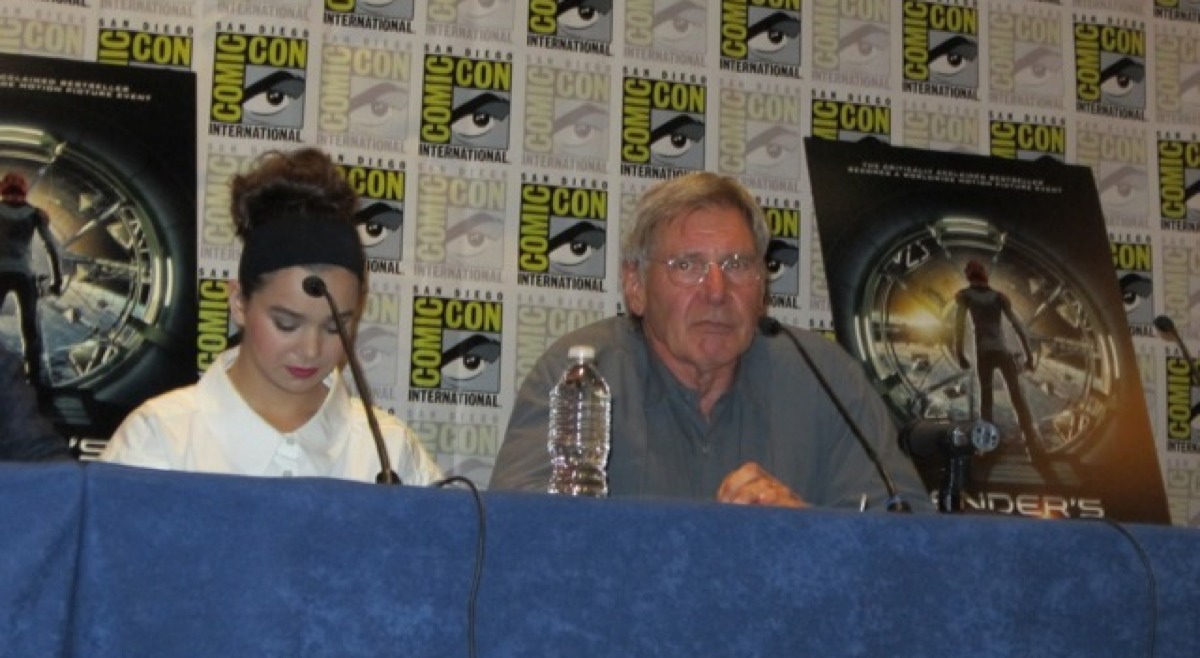
Harrison Ford and the rest of the cast of “Ender’s Game” just want to talk about their movie, but at the Comic-Con press conference, other topics inevitably came up.


Harrison Ford and the rest of the cast of “Ender’s Game” just want to talk about their movie, but at the Comic-Con press conference, other topics inevitably came up.

Christopher Campbell talks to the director of “Blackfish” about the way whales have been represented—and misrepresented—on film.

“Fruitvale Station” details the last day in the life of Oscar Grant, who
was fatally shot by a BART police officer in the early hours of New
Year’s Day 2009 in Oakland, California. In this video report, film
journalist Katherine Tulich interviews writer/director Ryan Coogler and
the film’s stars, Michael B.Jordan, Melonie Diaz and Oscar winner
Octavia Spencer.
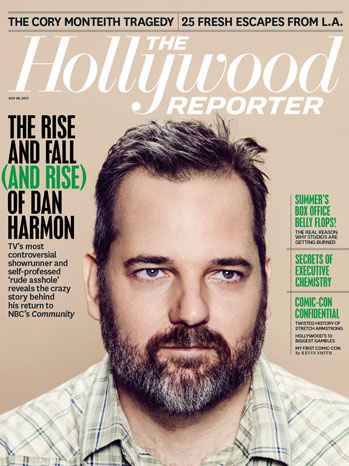
Female horror writers you should be reading; “Community” showrunner Dan Harmon reveals all (or some); why critics hate ‘The Newsroom’; Jane Campion is tired of film; Britain legalizes gay marriage; Jean-Luc Godard in 3-D.
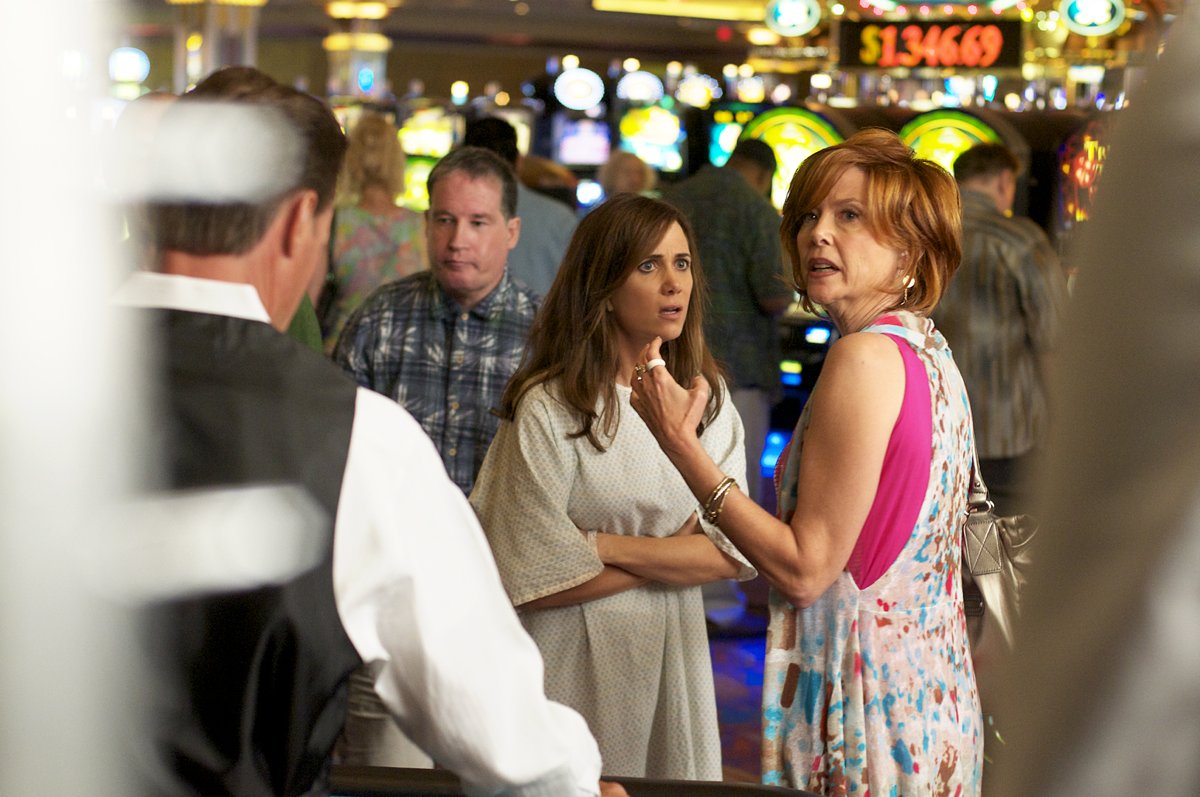
Nell Minow interviews Shari Springer Berman and Robert Pulcini, the directors of the new drama “Girl Most Likely,” starring Kristen Wiig.
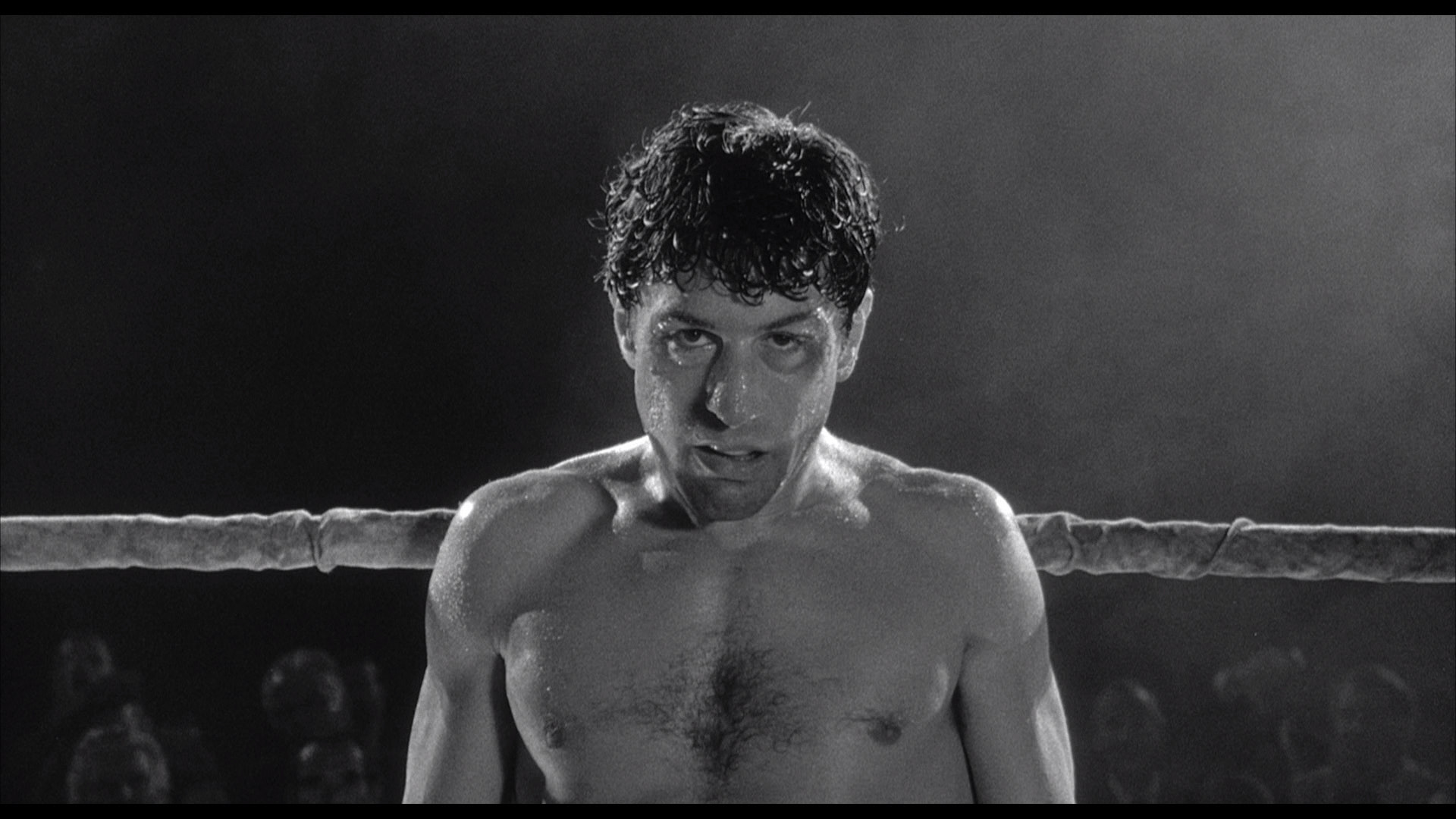
The racial empathy gap in moviegoing; the struggle to preserve old videotape; how critics view the “bad mothers” in “The Killing”; candidates for the best modern black-and-white films; Questlove reflects on the Trayvon Martin verdict.
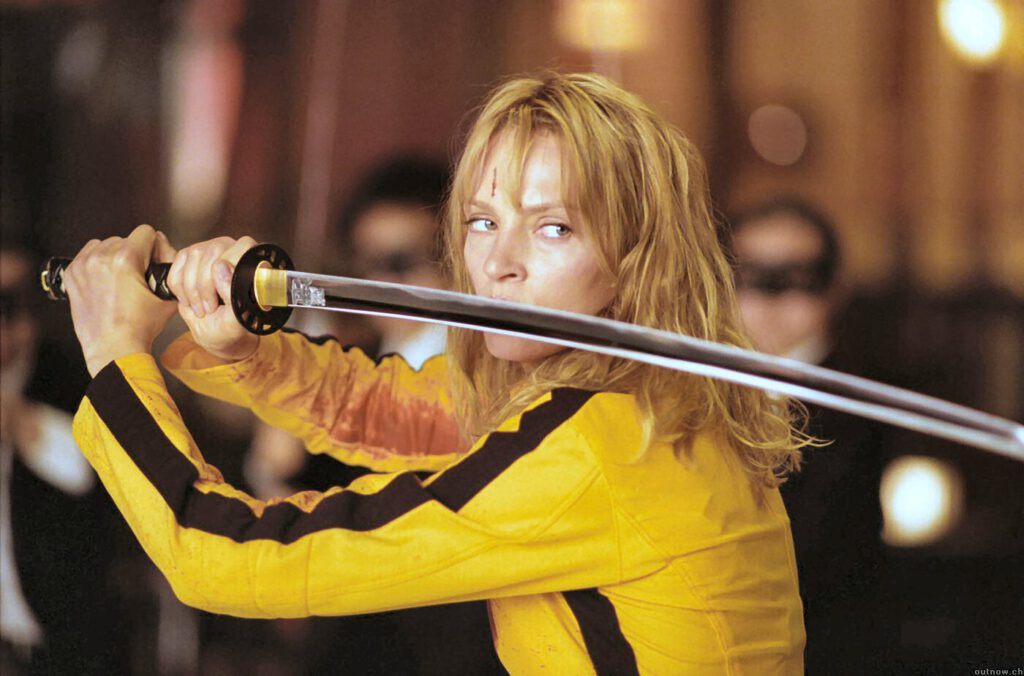
The best action movies since “Die Hard”; reminiscence of Allen Ginsberg; grading a letter by GOP House members; too many “women’s hookup stories”; Stevie Wonder to boycott Florida over “Stand Your Ground” law; Samuel Fuller’s “White Dog.”
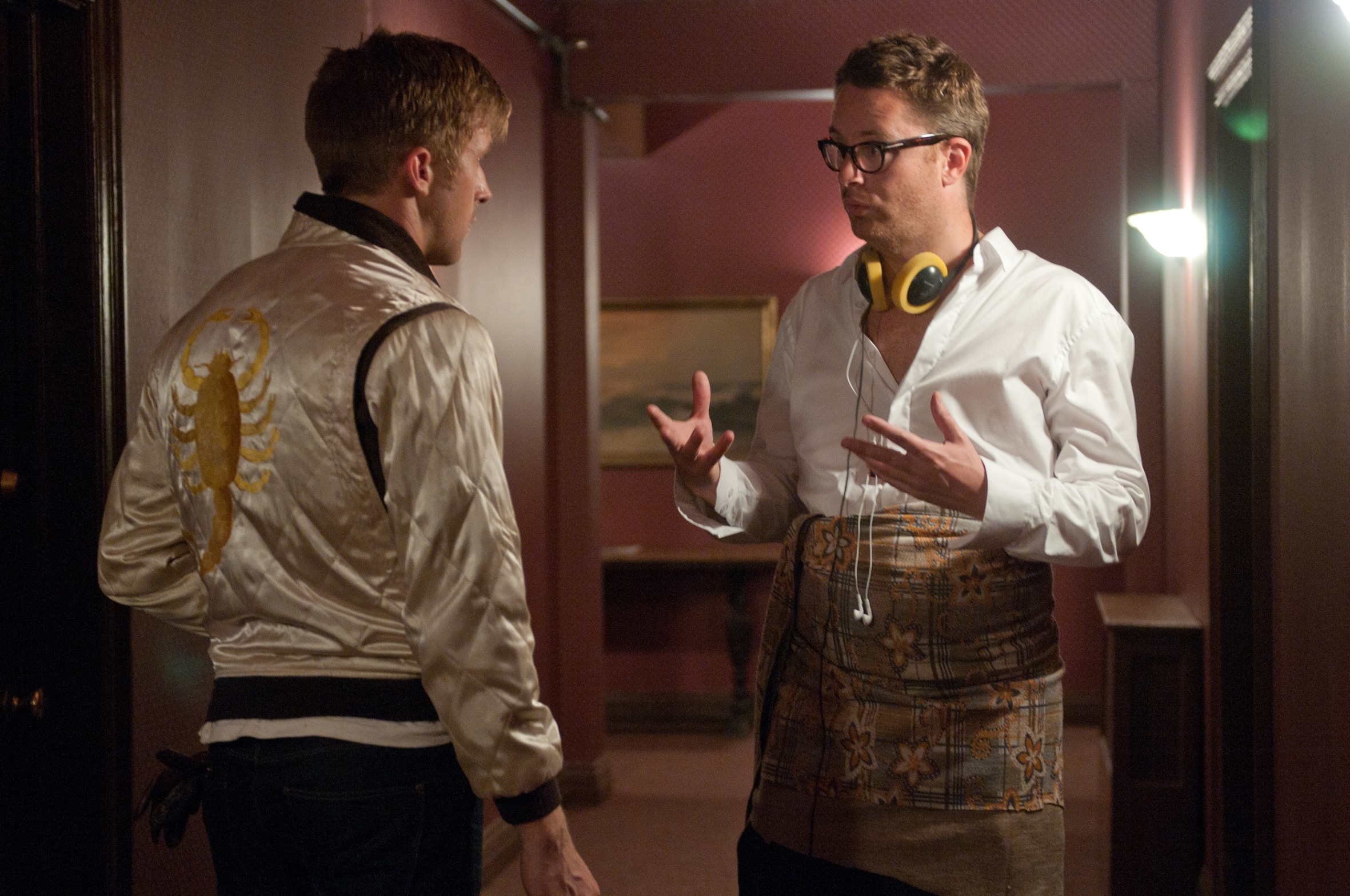
An interview with Nicolas Winding Refn, director of “Valhalla Rising,” “Drive” and “Only God Forgives,” among other films. Simon Abrams talks to the filmmaker about midnight movies, meeting Alejandro Jodorowsky, and the possibility that he might day make a Wonder Woman movie.
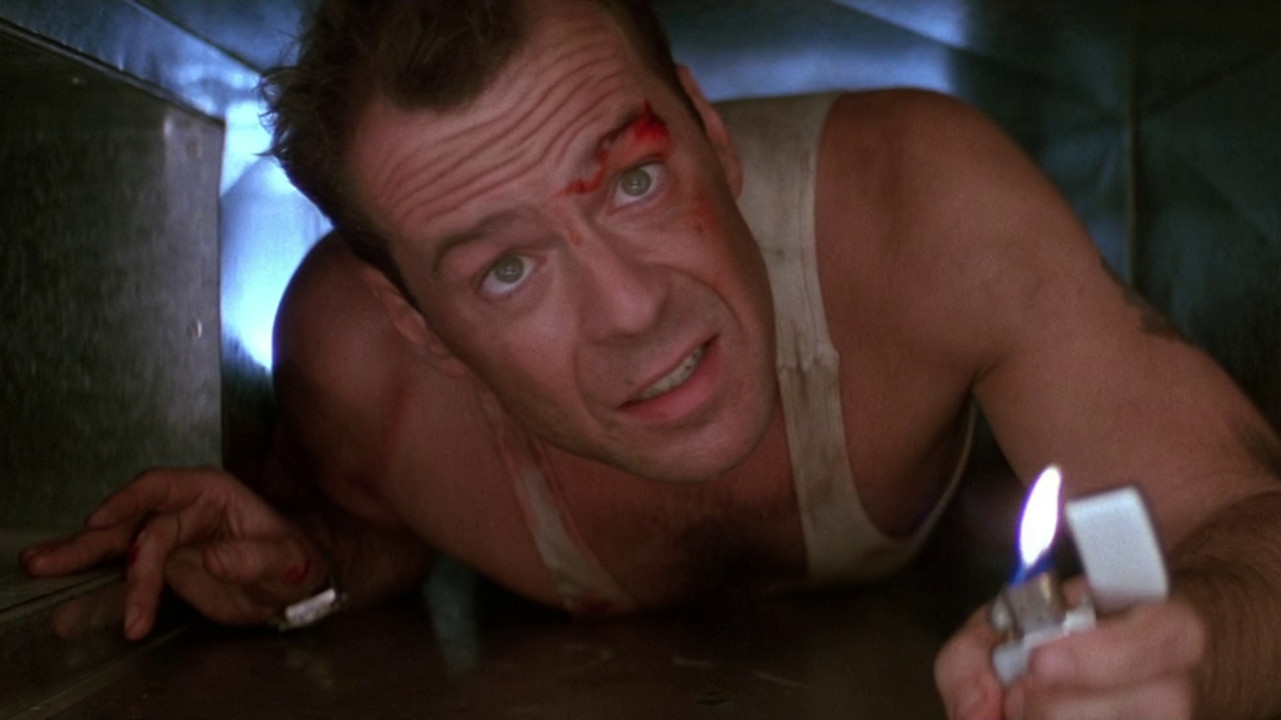
“Die Hard”, which was released 25 years ago today, might be the most widely-imitated action film of all time. Who would have thought that a glorified deal memo would turn out to be a classic?

A writer takes Ebert’s famous London stroll; lessons to be learned from the verdict in the Trayvon Martin shooting; Netflix controls the B movie industry; fictional works of art that should exist; writers mine deep readings in “Pacific Rim.”
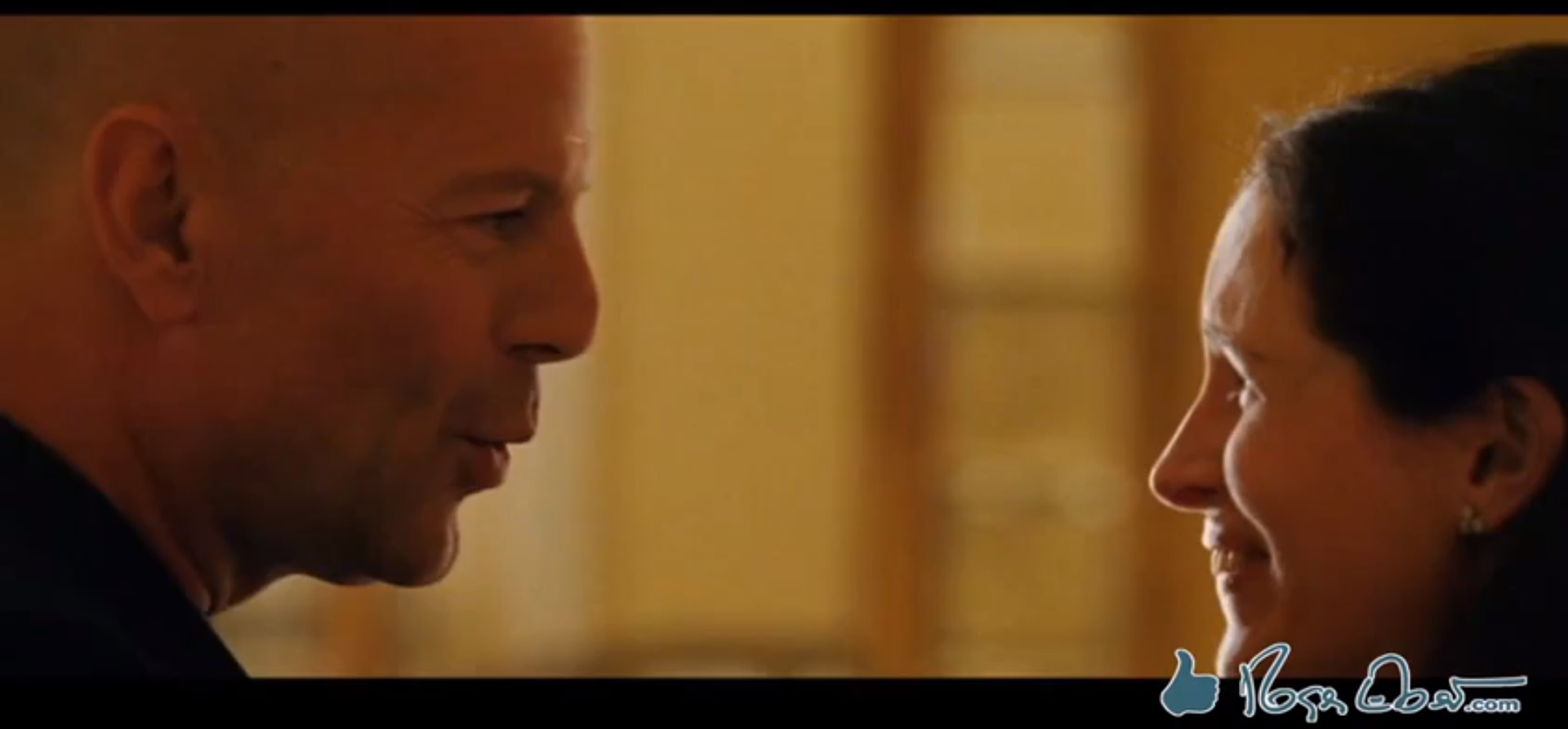
What happens when actors play themselves? Something funny, and often magical, as this Leigh Singer supercut proves. Text by Matt Zoller Seitz.
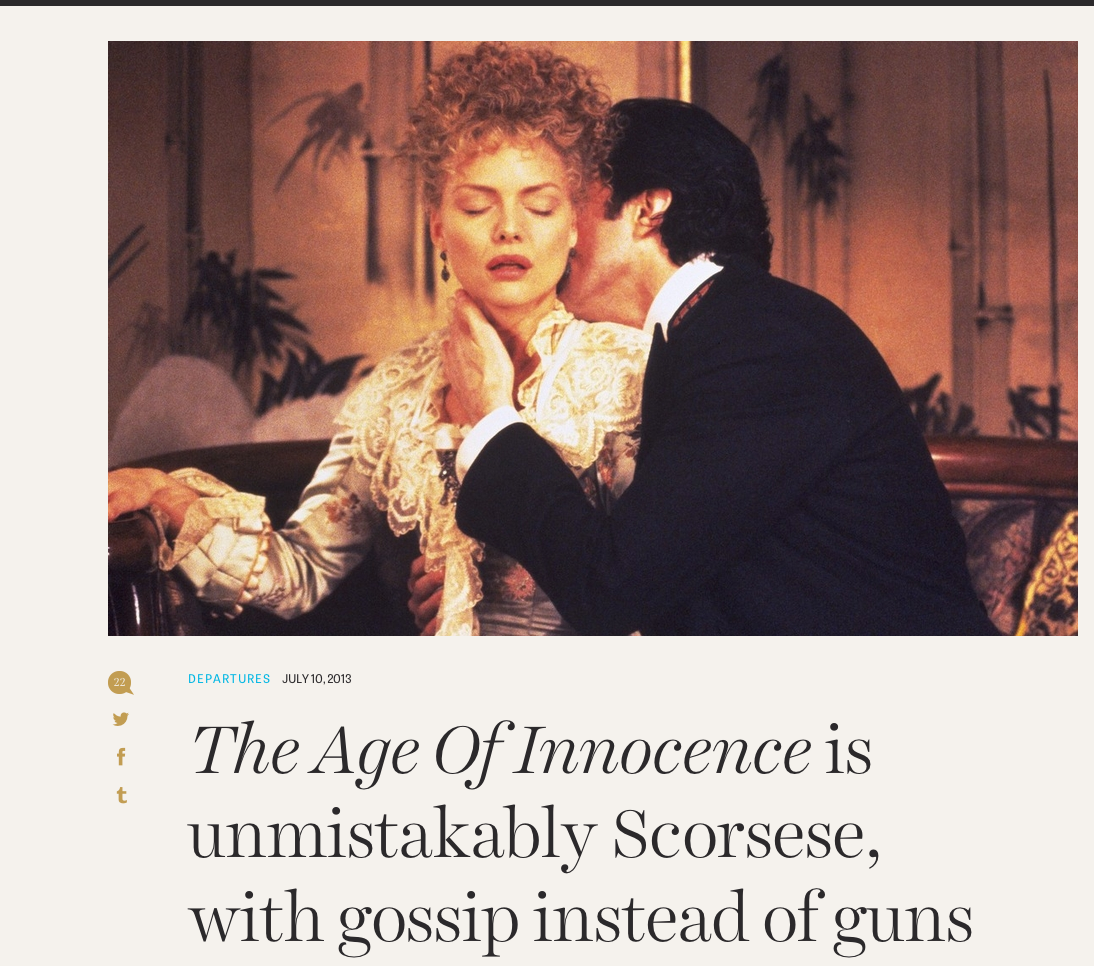
“The Age of Innocence” revisited; why mosquitoes bite some people and not others; film critic decides not to see “Ender’s Game” because he doesn’t want his money going to a homophobe; Los Angeles County beefs up arts grants; 25 funniest autocorrects of the year (so far?); map of quiet spots in NYC; full trailer for Japanese remake of “Unforgiven.”
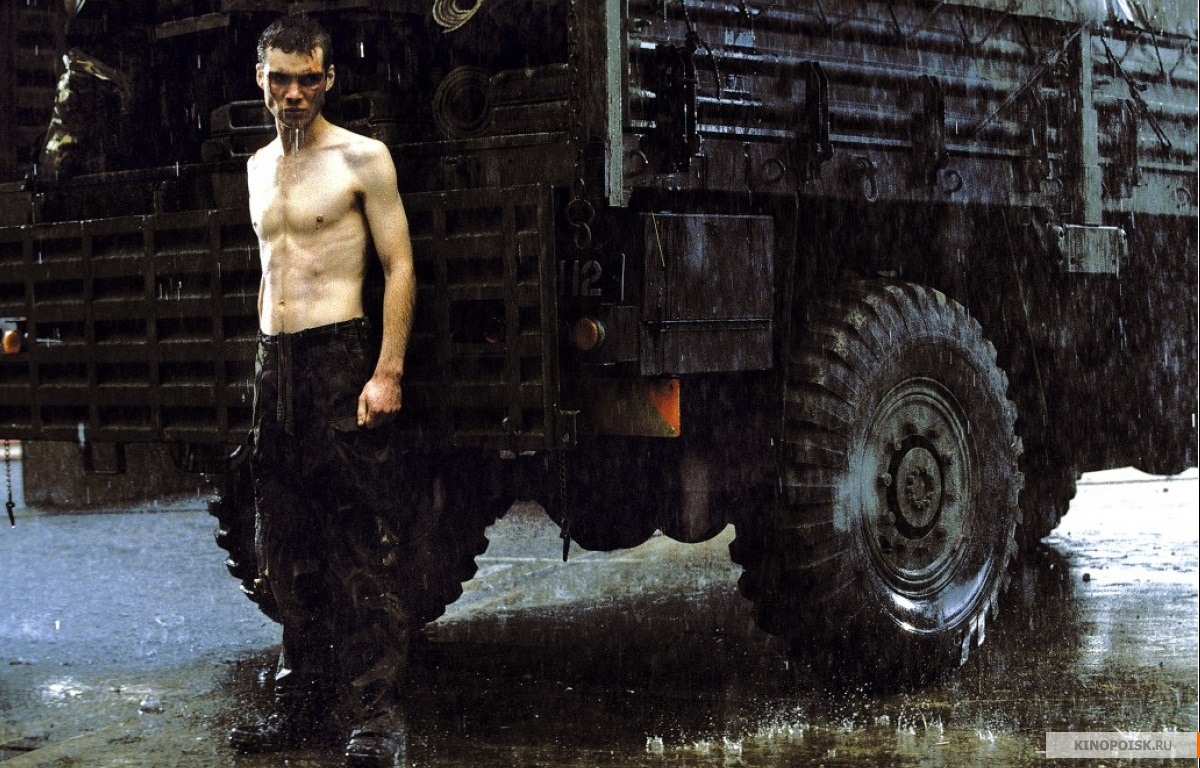
“28 Days Later” might be one of my favorite films. It’s not as politically or satirically ambitious as George Romero’s zombie pictures, but as a visionary piece of pure cinema—a film that, to paraphrase Roger, is more about how it’s about things than what it’s about—I think it’s unbeatable. A classic.
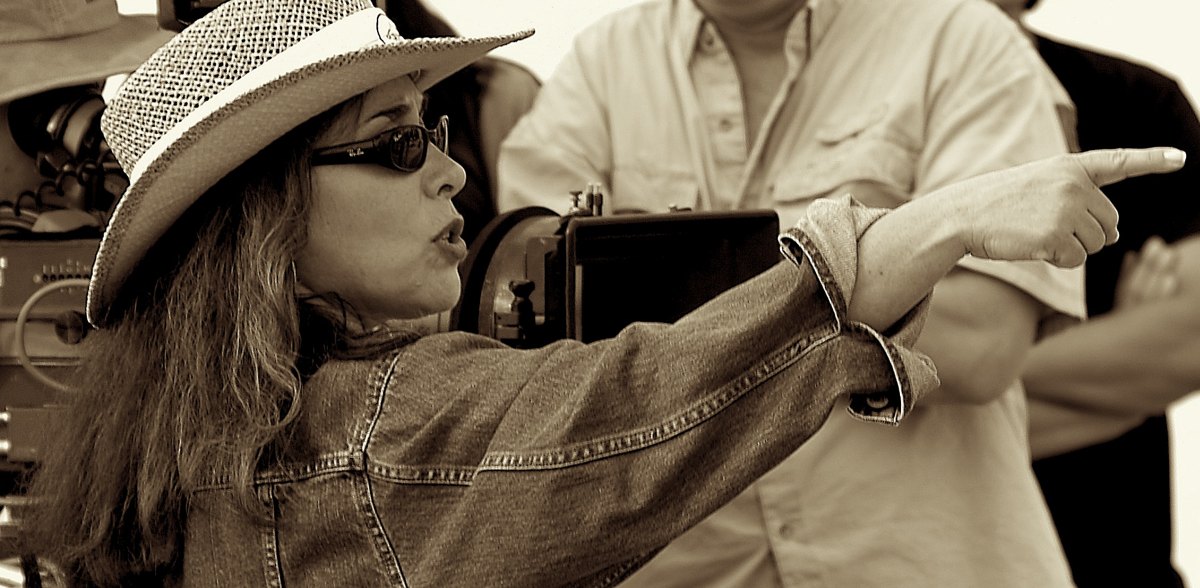
Susan Seidelman has been making films for over 30 years. Her work includes “Desperately Seeking Susan,” the pilot for “Sex and the City,” and her new sports comedy “The Hot Flashes.” Her story is the story of women in Hollywood: a study in creativity, courage and strength. A profile by RogerEbert.com’s Christy Lemire.
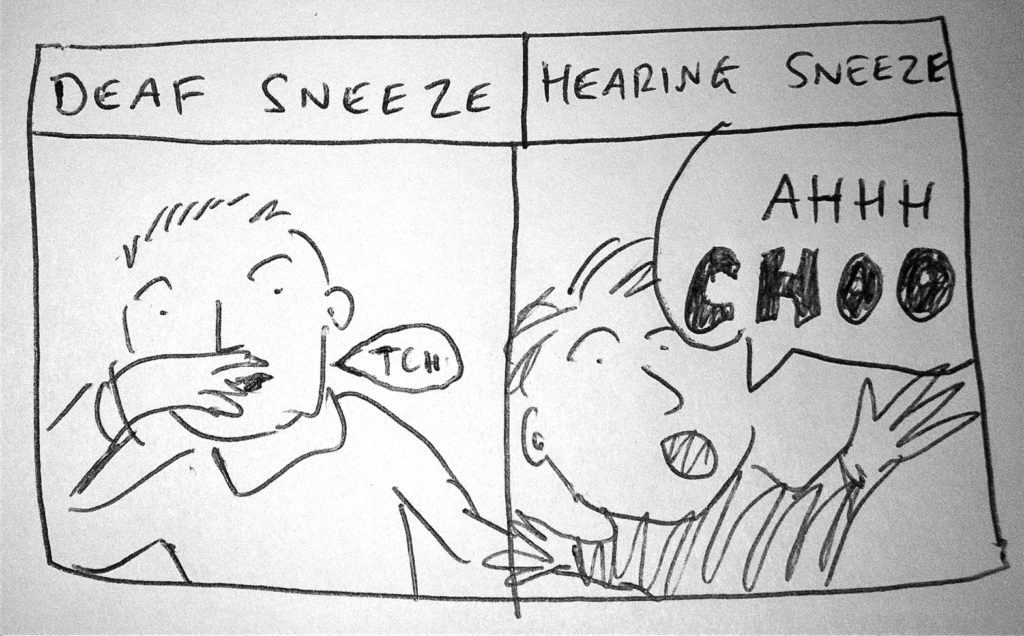
How not to react to a deaf person; the fate of libraries in an era of budget cuts and e-books; the best paragraph of The Great Gatsby; un-Google-able band names, and why some bands choose them; interview with Hannibal composer Brian Reitzell; the tyranny of the “money shot” in trailers, and now movies;

Patrick Z. McGavin writes about “Shoah,” which was just issued on Blu-ray by Criterion in a thorough package that makes the film’s unique storytelling more transparent to the layperson. “Lanzmann has said the form and construction is the key to understanding his film,” McGavin writes, “and with this new version, that process has never been more intuitive.”
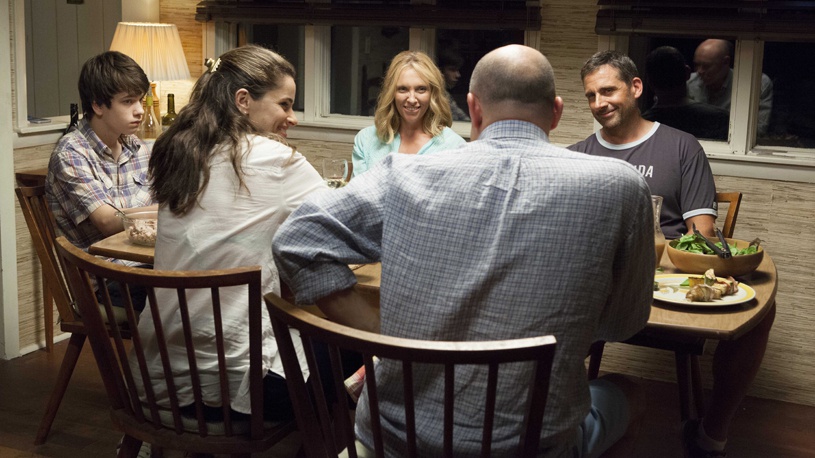
Nat Faxon and Jim Rash, who won a screenwriting Oscar for “The Descendants” talk about “The Way, Way
Back,” which they wrote, produced, directed, and appear in as actors. They talk about casting Steve Carell as a bad guy, what acting has taught them
about directing, using Spotify to pick the songs for the movie, and the
very important task they forgot on the first day.
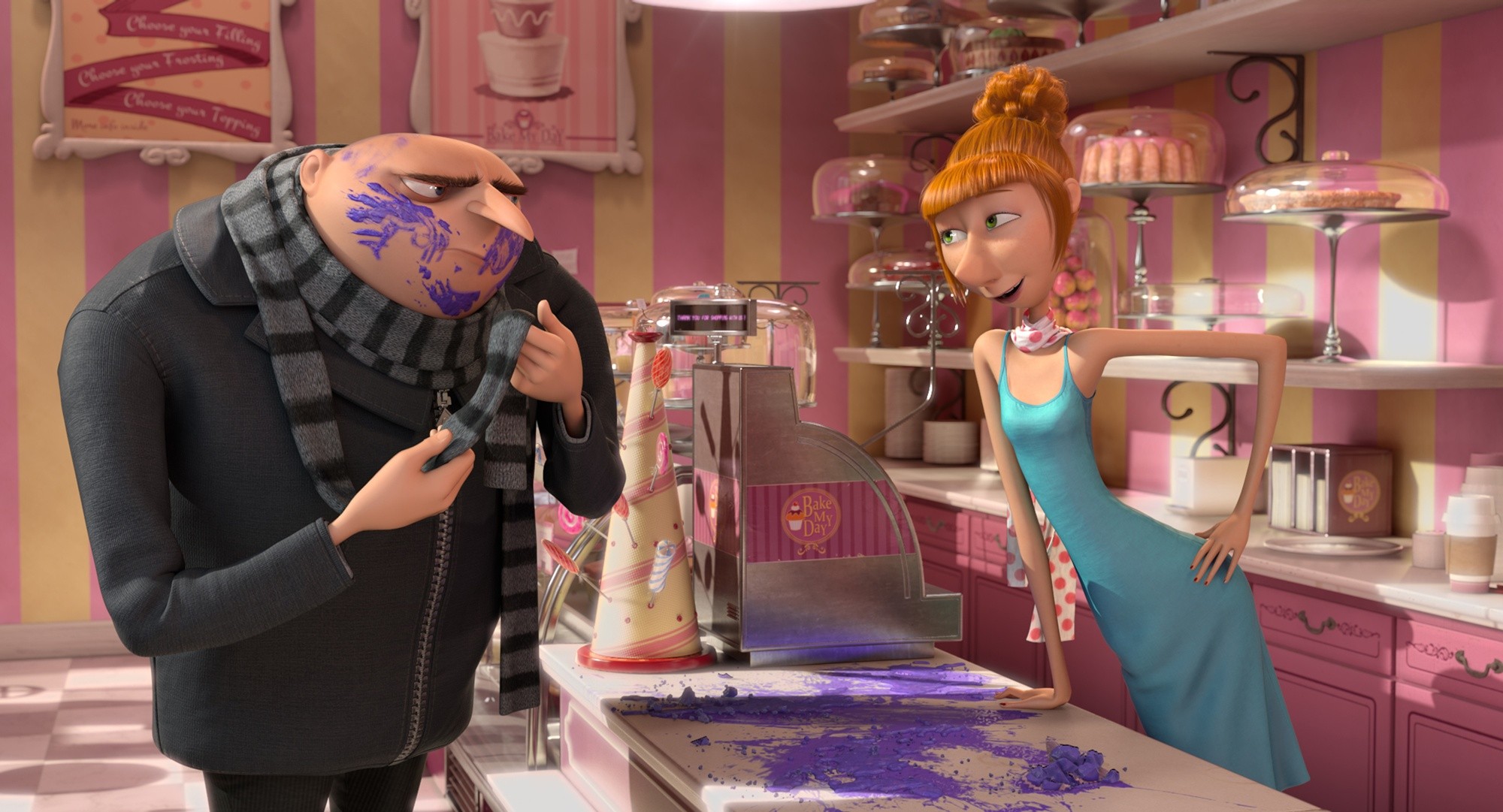
I won’t make any grand claims for the “Despicable Me” films as art, but I adore them anyway. There’s something appealingly relaxed and confident about them. They don’t quite look, move or feel like any other blockbuster animated cartoons, yet they never seem to be trying too hard. And they’re the best portrait of single parenthood I’ve seen outside of “Louie.”
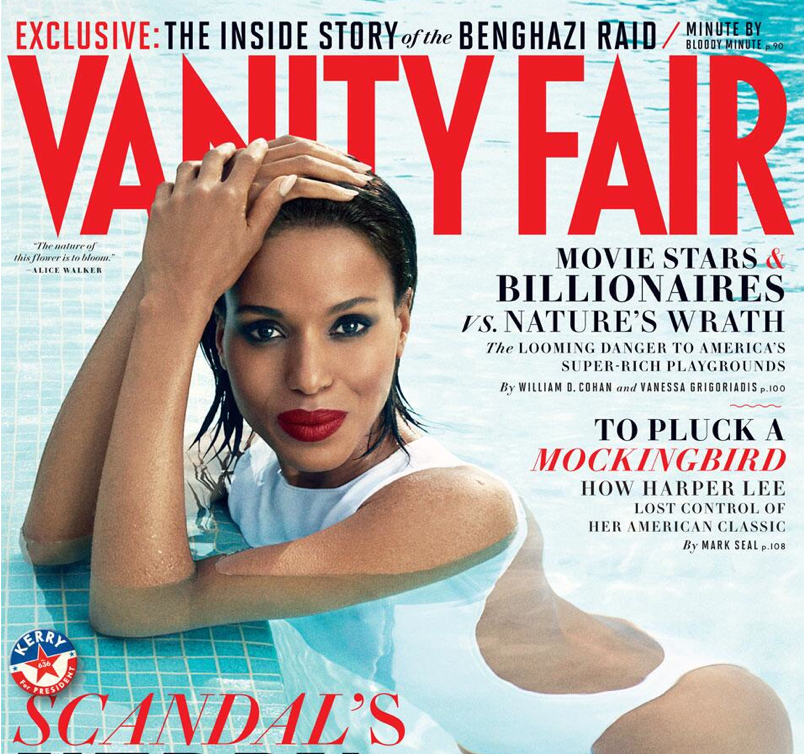
The New York Times‘ David Carr admits that Glenn Greenwald is a journalist; Criterion Collection appreciates Alex Cox’s Repo Man; poets go to the movies; James Franco’s never-ending navel-gaze; David Edelstein dismantles The Way, Way Back; Kerry Washington on the cover of Vanity Fair; Dennis Hopper documentary.

Frank Serpico’s new crusade; the summer that blockbuster violence got out-of-control; a defense of Paula Deen; Futurama signs off; what not to say to a feminist female humorist; Gaby Giffords shoots again.