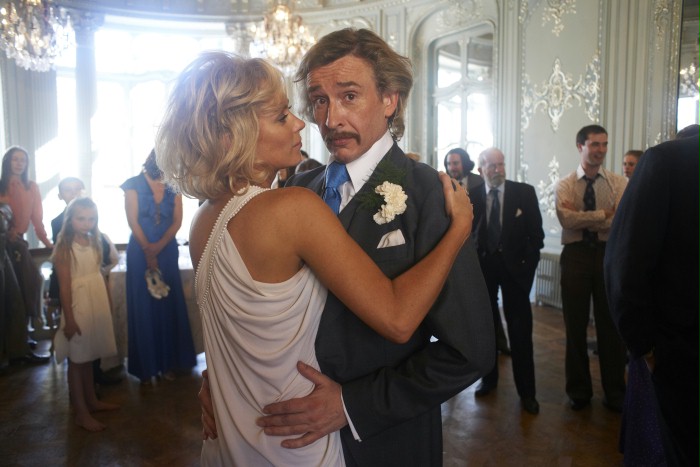
This is Steve Coogan
Steve Coogan has a talent for self-laceration. His best roles are all about him, or rather a reflection of himself that he finds funny, in a pathetic sort of way.


Steve Coogan has a talent for self-laceration. His best roles are all about him, or rather a reflection of himself that he finds funny, in a pathetic sort of way.
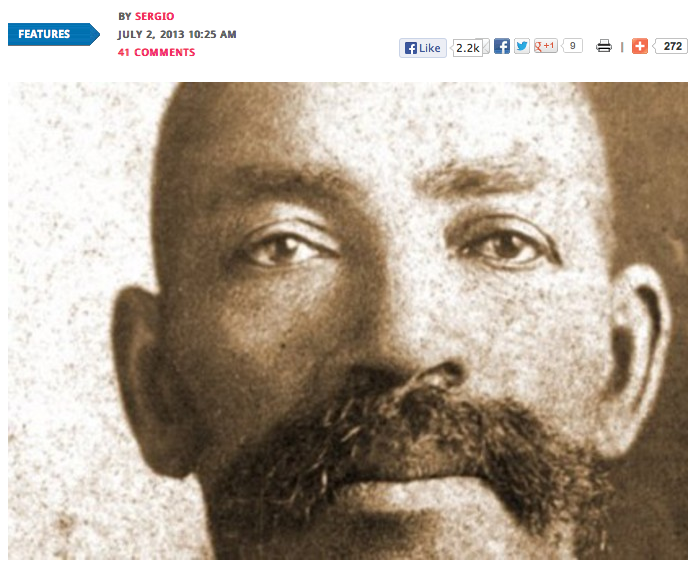
Why whales are beaching themselves; The Lone Ranger was black; Matt Singer out, Sam Adams in at CriticWire; when is Jia Zhangke going to tell us what he really thinks?; Sweet November, from 1968.
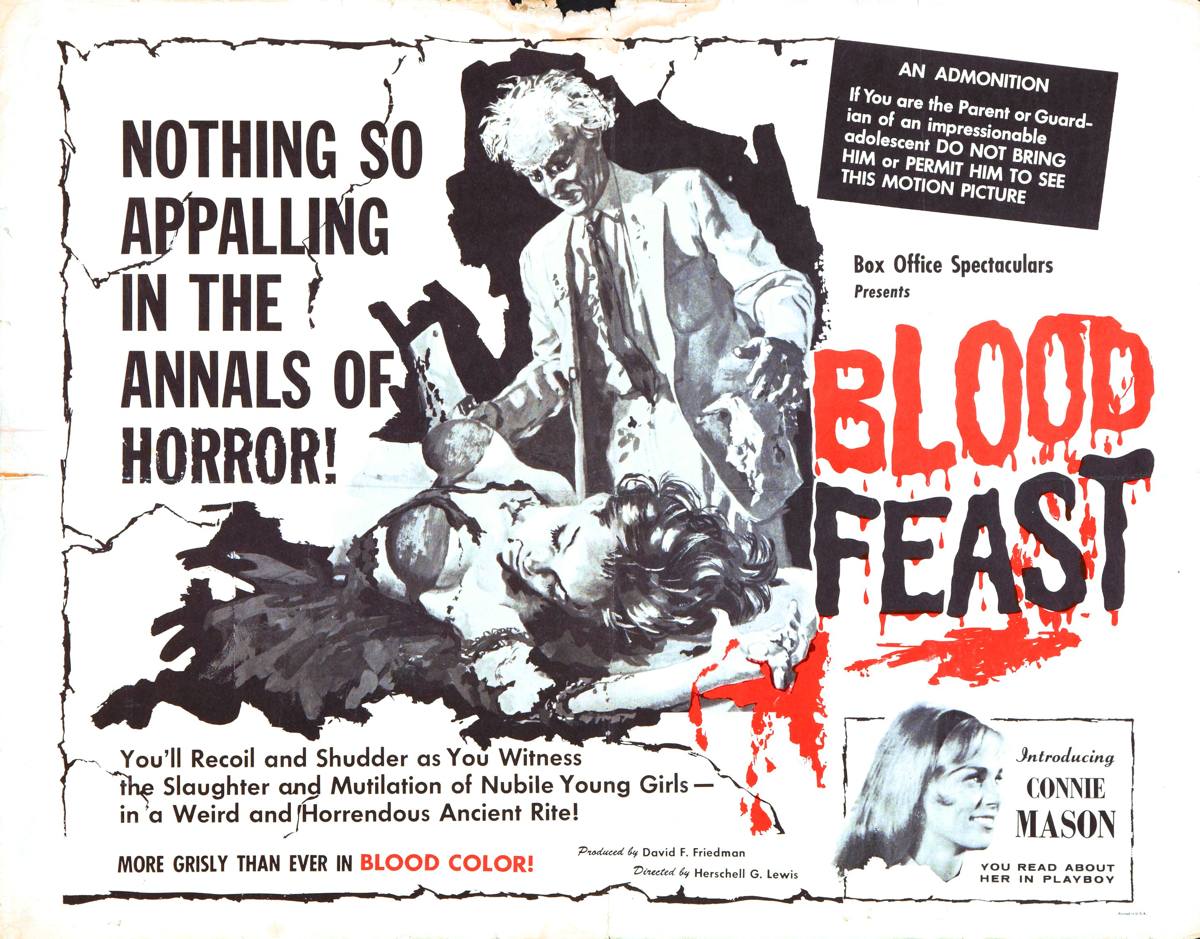
“Blood Feast” is a terrible film, and a historically important one, too.
On the fiftieth anniversary of its release, Simon Abrams revisits this
gore-fest.
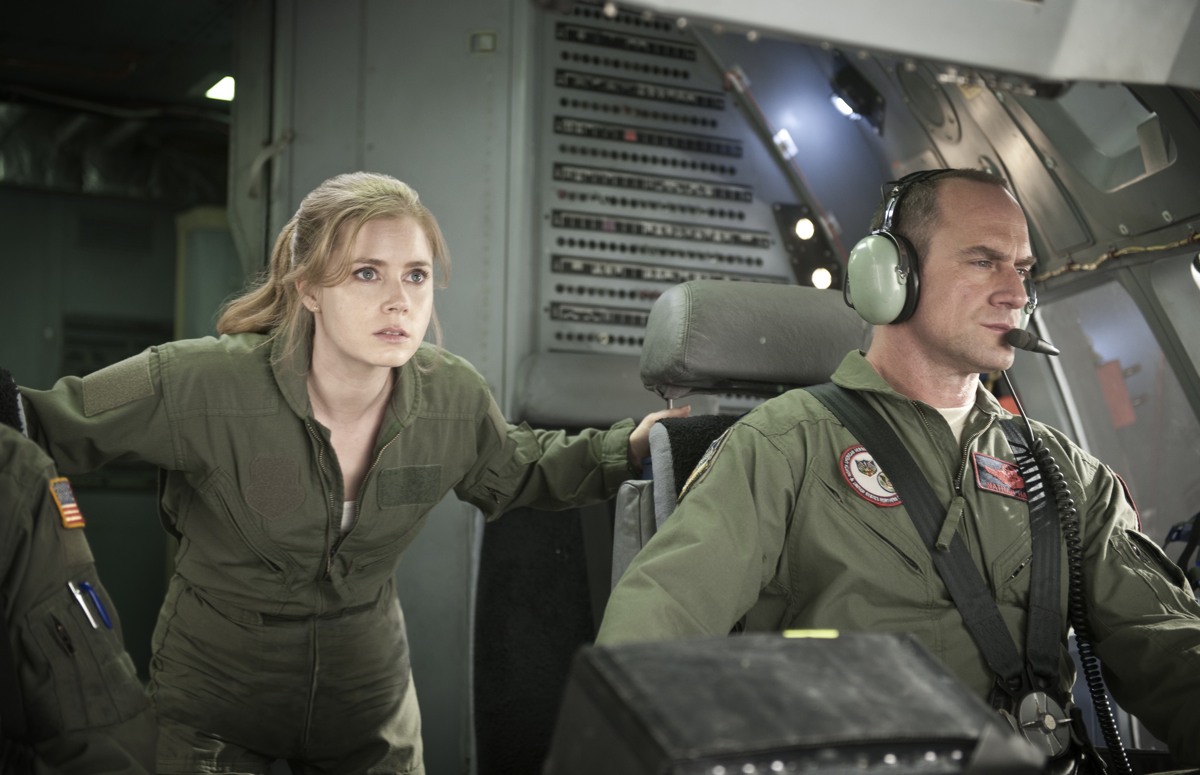
Susan Wloszczyna wonders if women at the helm might be just the thing to revitalize the foundering, repetitive comic-book movie genre.
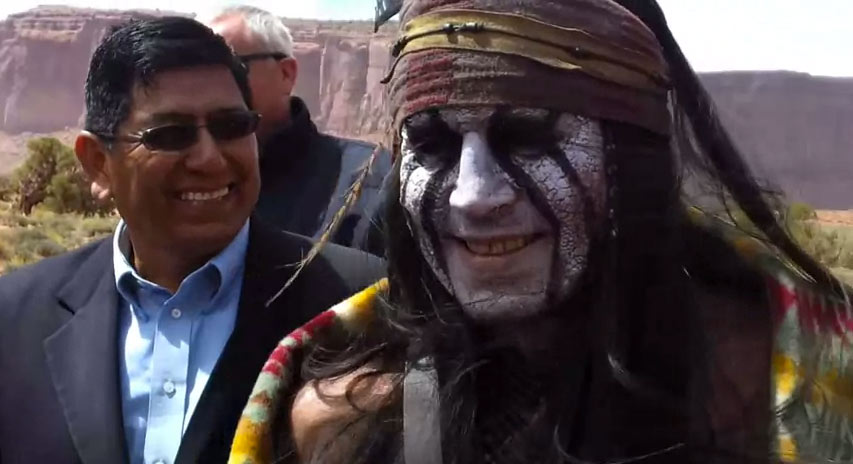
Why copyright law is a “total train wreck” on the Internet right now; 10 Westerns that are NOT racist toward Native Americans; the day the Lone Ranger lost his mask; Pixar’s not losing it, people.
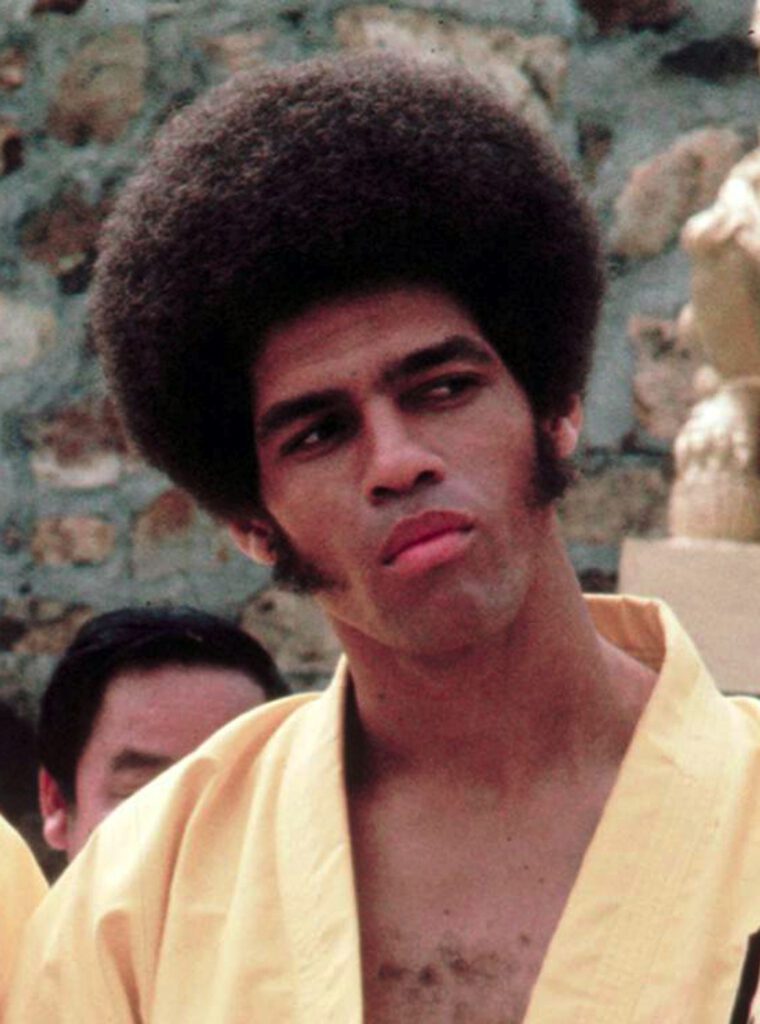
With his perfectly styled Afro, cool bop walk and smart-aleck mouth, martial artist and actor Jim Kelly, who died from cancer on Saturday at the age of 67, was a seventies screen sensation who became an icon. Michael A. Gonzales appreciates cinema’s first African-American martial arts star.
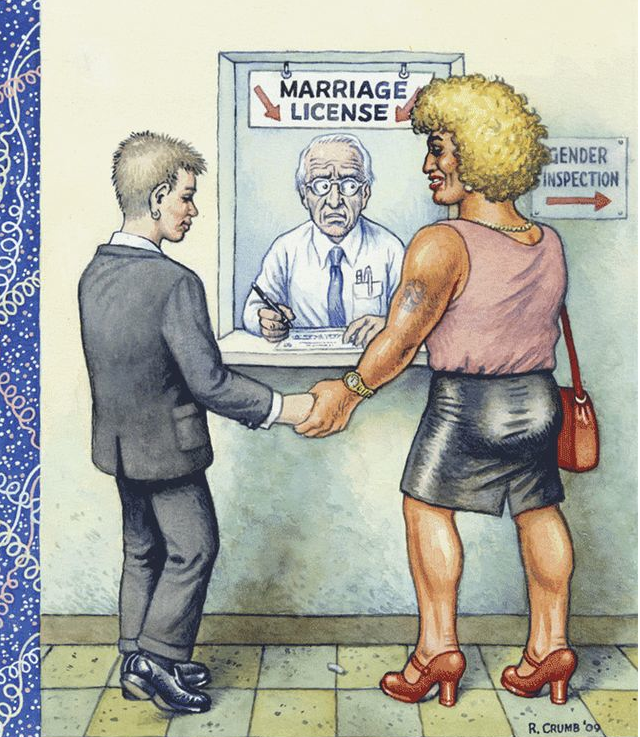
My mom, the criminal; two new books that want to be the next Lolita; heart disease cut in half, but we’re not cheering; how to take care of your smartphone battery; remembering the actress Elizabeth Hartman; R. Crumb’s rejected gay marriage New Yorker cover; the most popular movies outside the United States

This piece is about director Neil Jordan’s seven most overtly supernatural, fairy tale-like films—The Company of Wolves, High Spirits, Interview with the Vampire, The Butcher Boy, In Dreams, Ondine, and his latest, the mother-daughter vampire shocker Byzantium. An infographic analysis of each—please refer to the key for each symbol’s meaning—reveals this pattern and confirms Byzantium is the culmination of 30+ years of Jordan exorcising his personal demons on-screen.

If movies were reviewed like video games; the new prostitutes; The Umbrellas of Cherbourg, appreciated; a different, highly visual approach to web-based art criticism; five best burger recipes; falconer academy for beginners; The Great Gatsby without special effects.
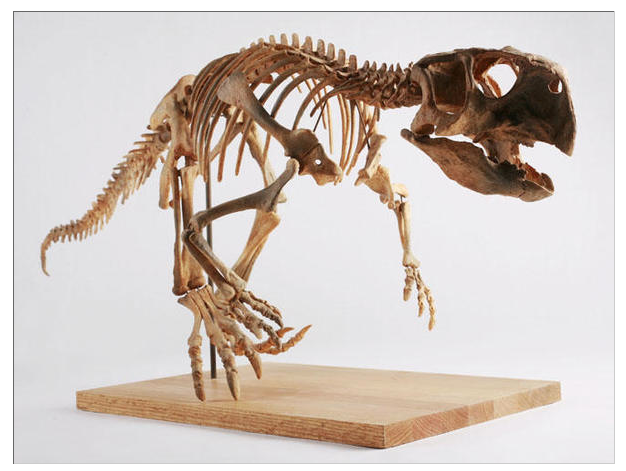
A dinosaur that started on four legs and then graduated to two, just like humans; a Chinese poet writes about his experience of torture in prison; why all journalism is “advocacy journalism”; why it matters that 50 Shades of Grey will have a female director; a brief history of the president as action hero; the 50 essential lesbian, gay, bisexual and transgender movies; artist creates portraits of people she’s never met via DNA samples from cigarette butts.
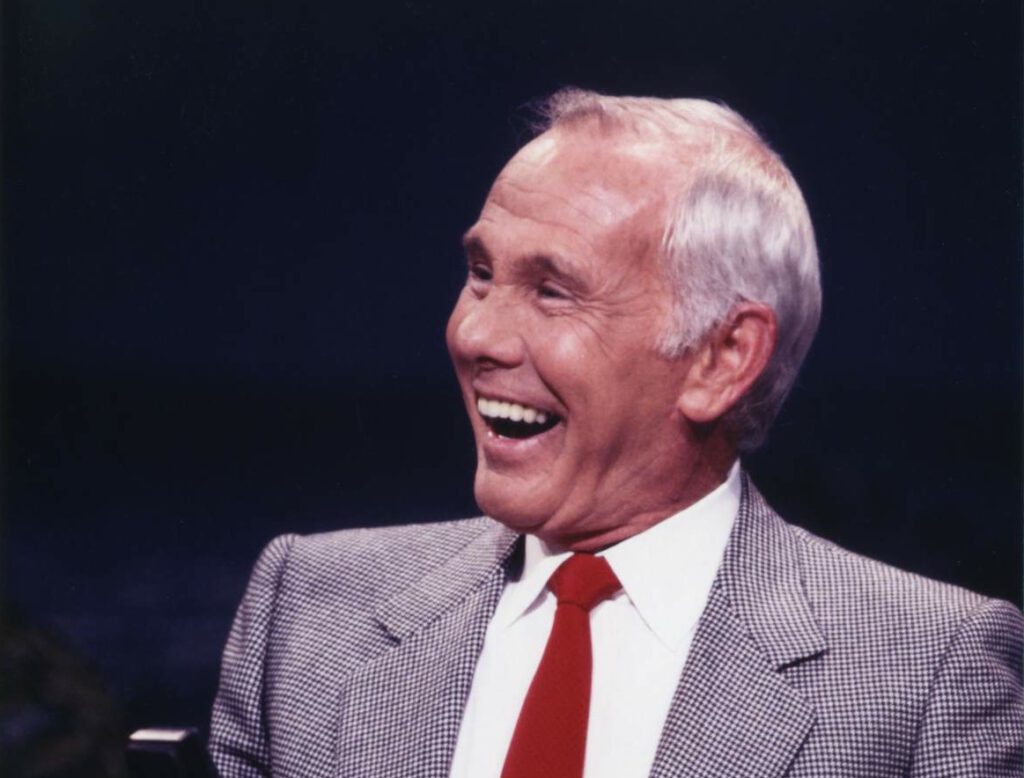
Tom Shales looks at “Carson on TCM,” a weekly series of shows culling great Carson interviews.
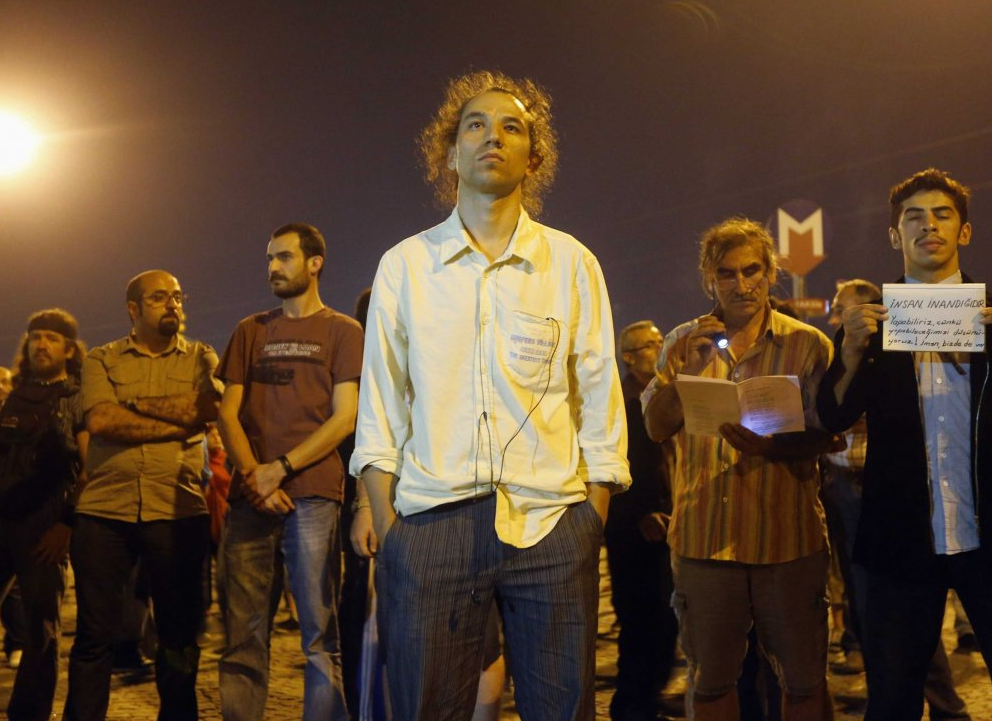
A Civil Rights-era test to see if you’re smart enough to vote; what you need to know about the situation in Turkey; the director of 20 Feet from Stardom, interviewed; new classical music suggestions for Hollywood villains; something about Like Clockwork; guess which critic wrote this un-bylined New York Times review?
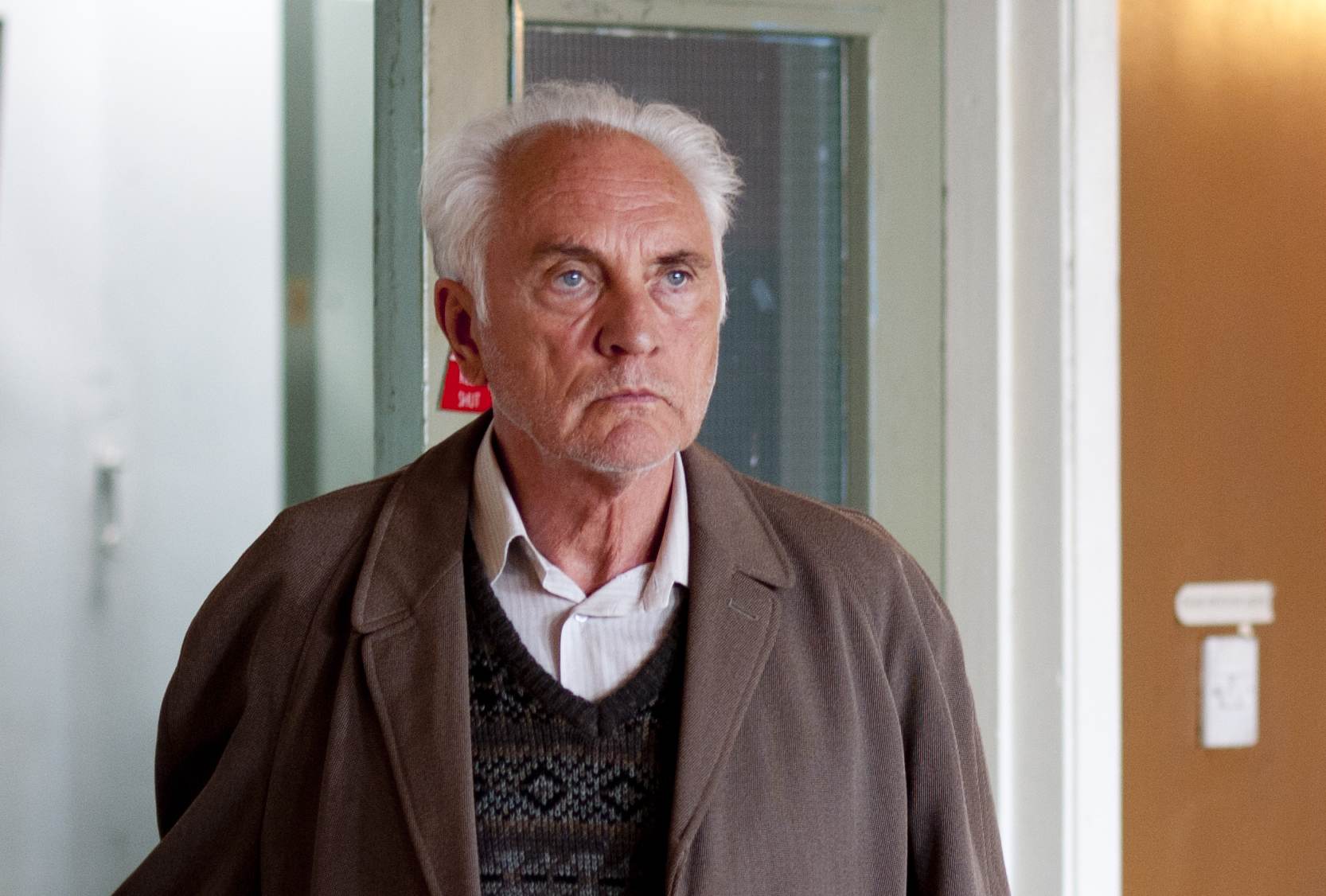
Terence Stamp opens up about singing in “Unfinished Song,” the long acting dry spell he had in the 1970s, and working with Steven Soderbergh.
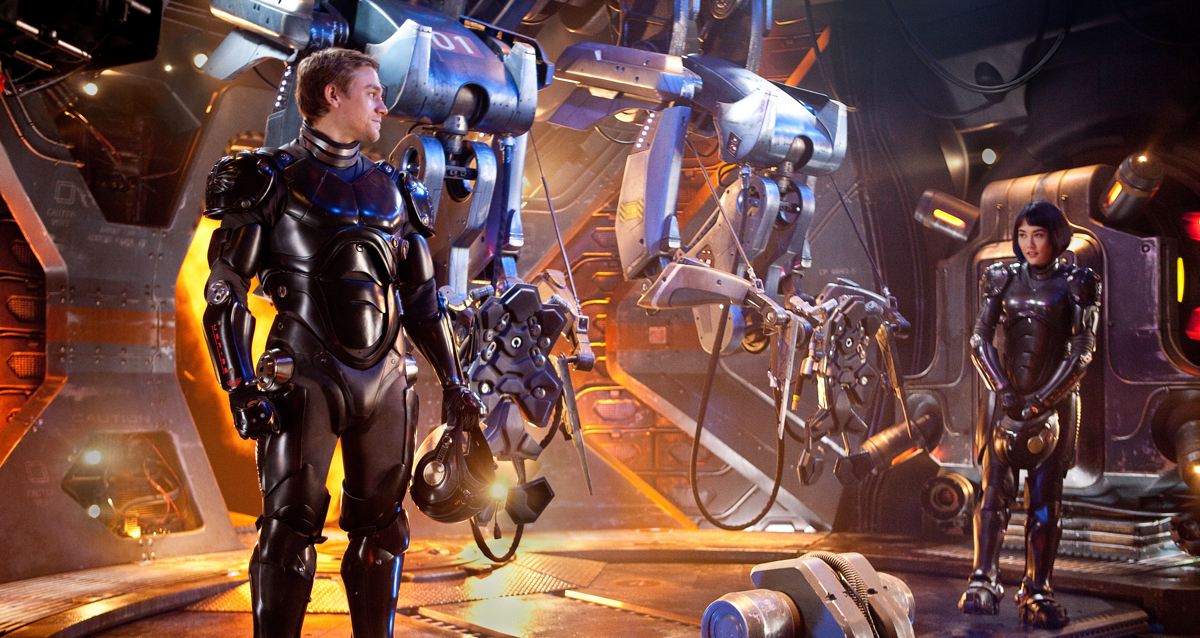
The use of drones and other machines for war or for surveillance has turned up as a subject in a surprisingly large number of summer blockbusters, including “Iron Man 3,” “Star Trek Into Darkness,” “Man Of Steel,” and now “Pacific Rim.”
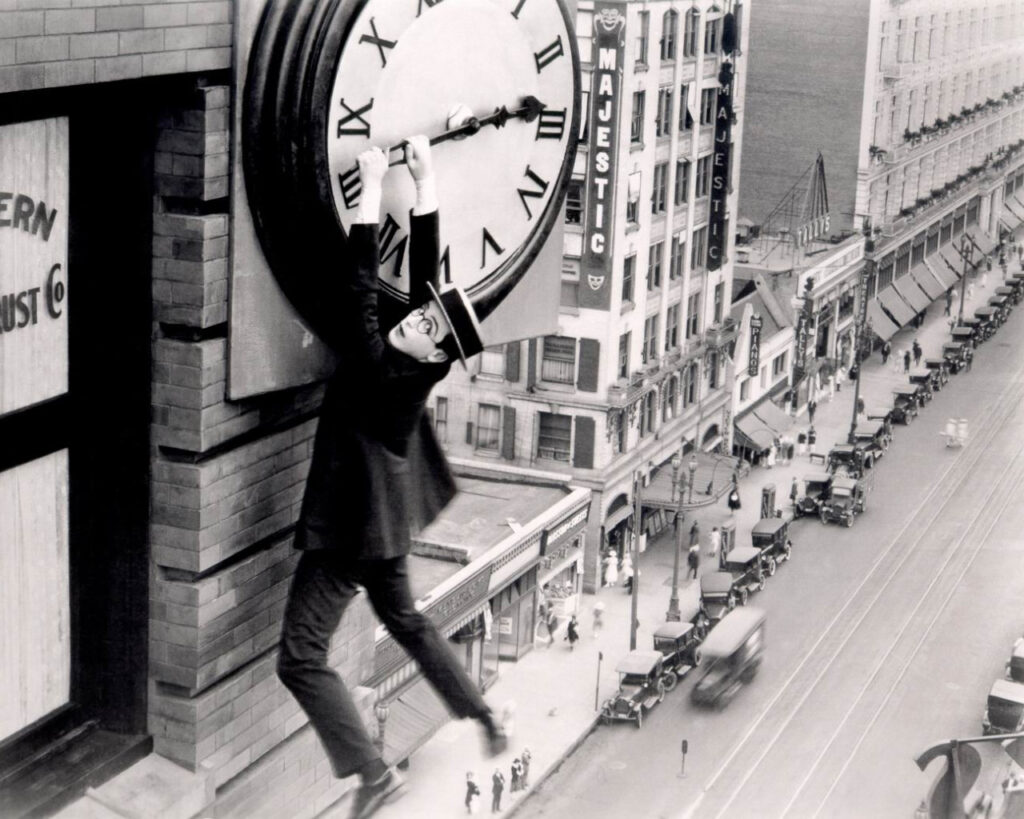
What’s happened to physical comedy? Have we’ve lost the desire to stimulate the part of the brain pratfalls talk to? Max Winter wants answers to these questions, and wonders if the great silent comedian Harold Lloyd can provide them.
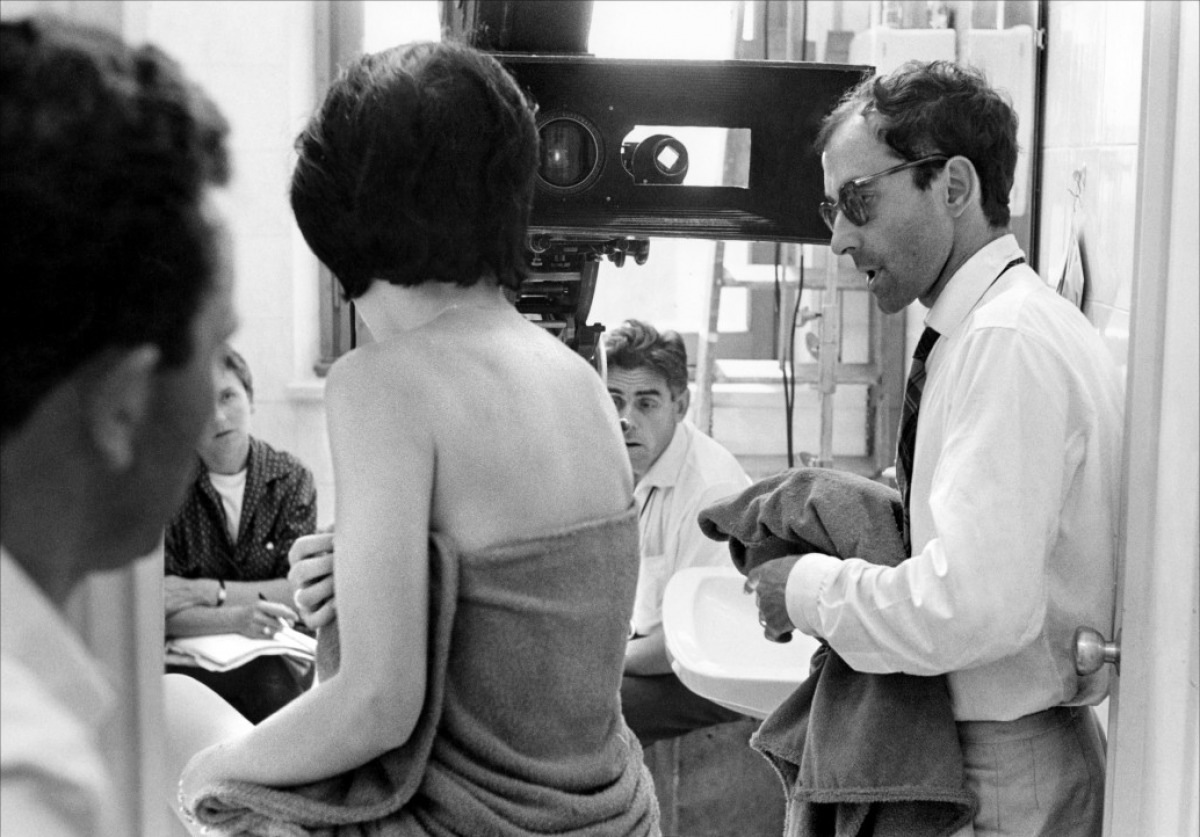
Distribution company Olive Films
has released two obscurities by Jean-Luc Godard, 1976’s “Comment Ca Va” and 1987’s “Soigne ta Droite”
(known in the U.S. as “Keep Your Right Up”) and while these films may
not have the immediate impact of his better-known works, they both
reveal a filmmaker who has spent his career challenging himself, his viewers
and the very medium of cinema itself in ways that are oftentimes
fascinating and frustrating in equal measure.
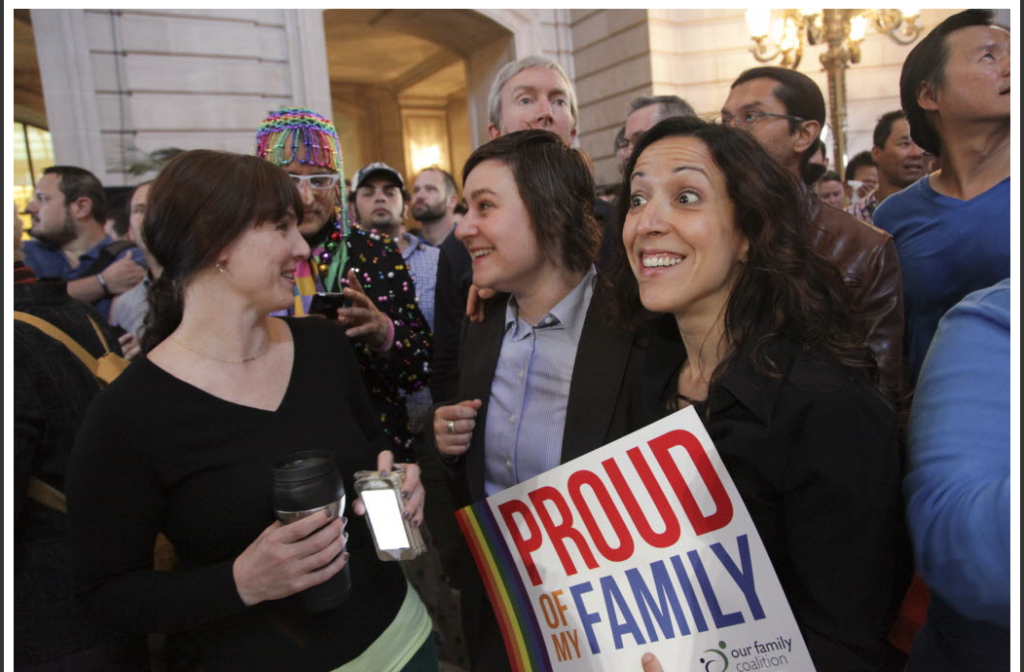
Defense of Marriage Act struck down; anti-abortion bill in Texas defeated; the Civil War rages on in film; how Under the Dome proves that TV shows don’t have to pay for themselves with ads; why The Simpsons is TV’s most God-friendly series; appreciating Steve Wonder; two Mad Men video essays, on the show’s depiction of Vietnam and the gradual evolution of Peggy Olson.
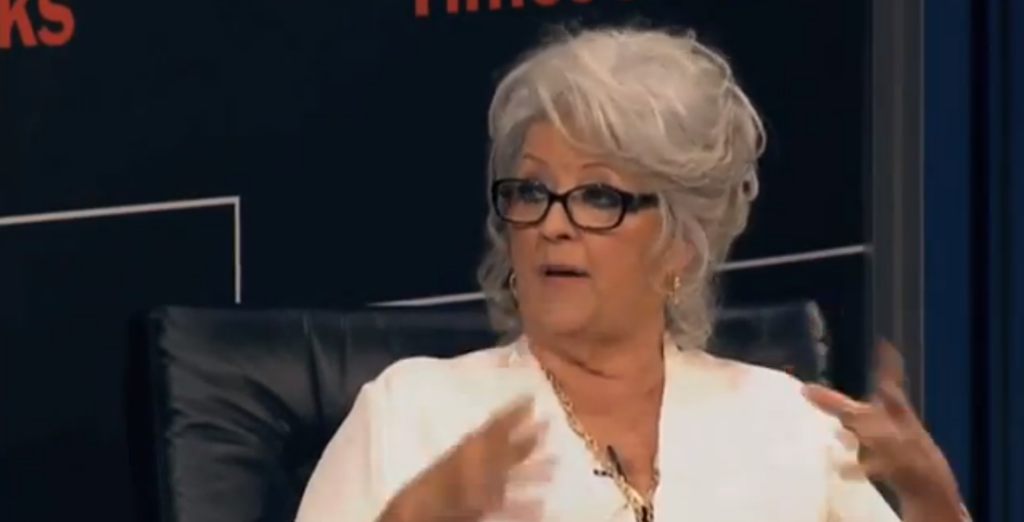
The “accidental racism” of Paula Deen; Curtis Mayfield as musical journalist; Stephen Fry’s ongoing struggle with depression; Rex Reed still thinks Melissa McCarthy is, oh, don’t make us repeat it, just read it; why NBC newsman David Gregory is what’s wrong with Washington; Richard Matheson at 20,000 feet; what the heck is an aspect ratio, anyway?
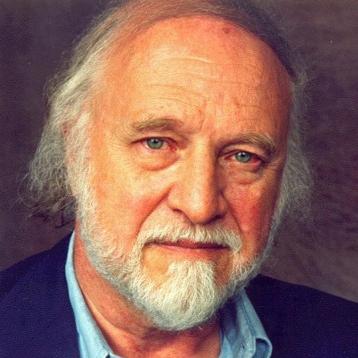
Peter Sobczynski eulogizes the late, great, astoundingly prolific writer Richard Matheson, “whose work in a career that would encompass seven decades influenced anyone who encountered, it regardless of the medium he was working in.” Includes appreciations of “Duel,” “Nightmare at 20,000 Feet,” “I Am Legend,” “Somewhere in Time” and many other works, original and adapted.
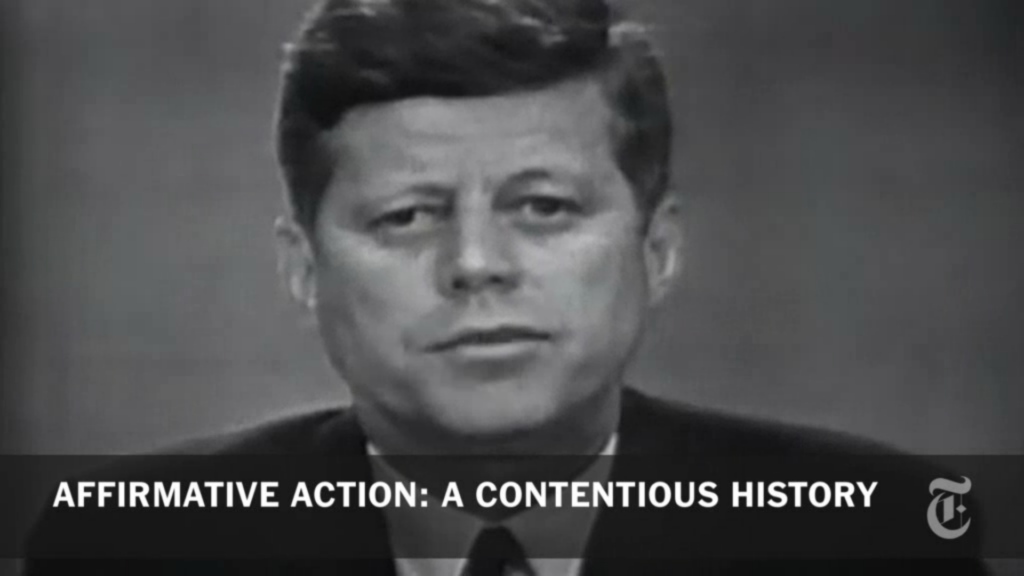
The future of affirmative action; what it means to be “Pro-Putin”; Jaws the Revenge, re-shredded; James Gandolfini, cautionary tale; Isadora Duncan’s forgotten art; getting to the bottom of that mysterious Mad Men poster; Roger and Gene rave about Star Wars on Nightline.