Everything’s Coming up “Rose”

Jerry Lewis returns to Cannes in a starring role in Daniel Noah’s “Max Rose,” which proves once again — as “The King of Comedy” did — that Lewis can deliver a nuanced serious performance.


Jerry Lewis returns to Cannes in a starring role in Daniel Noah’s “Max Rose,” which proves once again — as “The King of Comedy” did — that Lewis can deliver a nuanced serious performance.
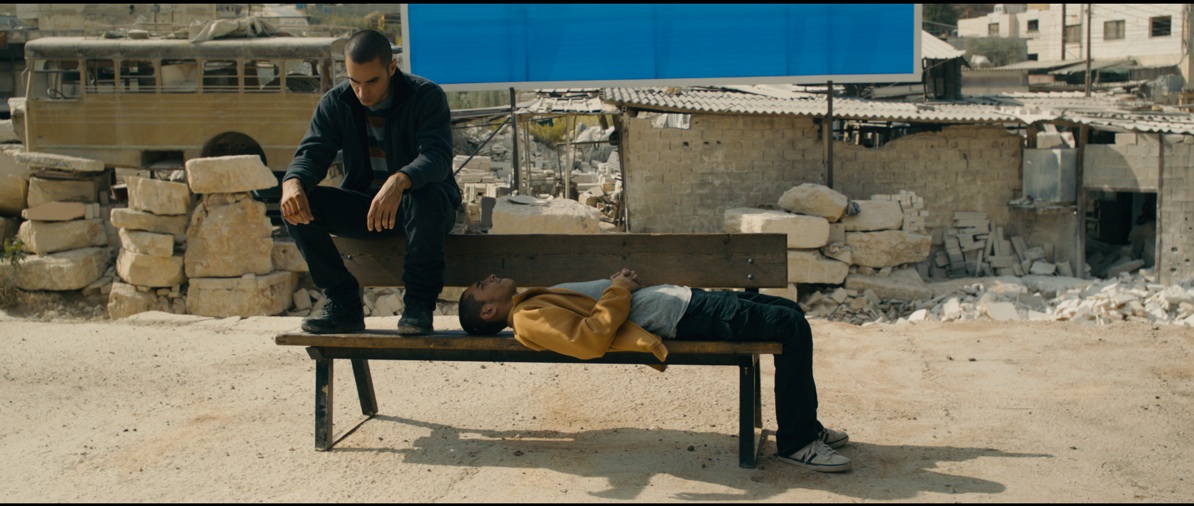
Alexander Payne’s “Nebraska” brings black and white, to the competition, while “Omar” delivers moral shades of gray to the Palestinian/Israeli conflict and “Michael Koolhaas” looks good in the long shots, but needs more emotional subtlety.
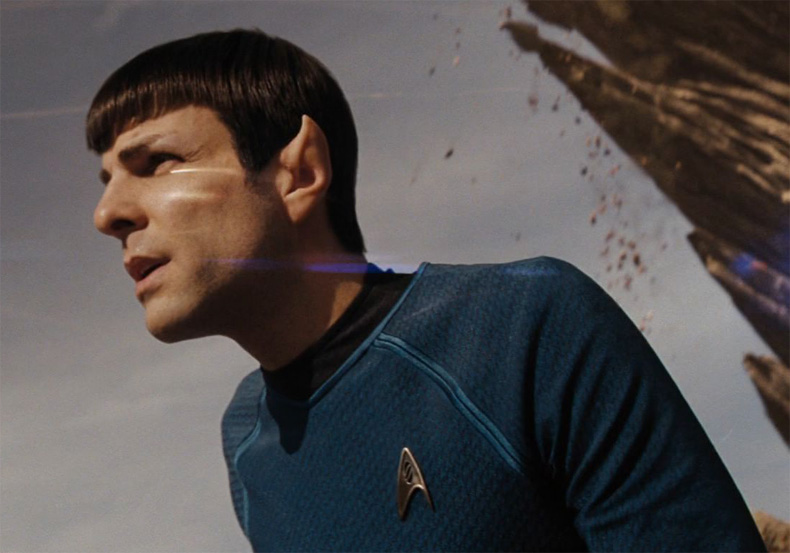
The destruction of Vulcan, one of the most crucial planets in the “Star Trek” universe, should be at the core of J.J. Abrams’ “Trek” movies. It is the single development that most distinguishes the original series from Abrams’ reboot, an event so boldly imagined that it marks the filmmakers’ new, blank canvas with a hideous dark stain.
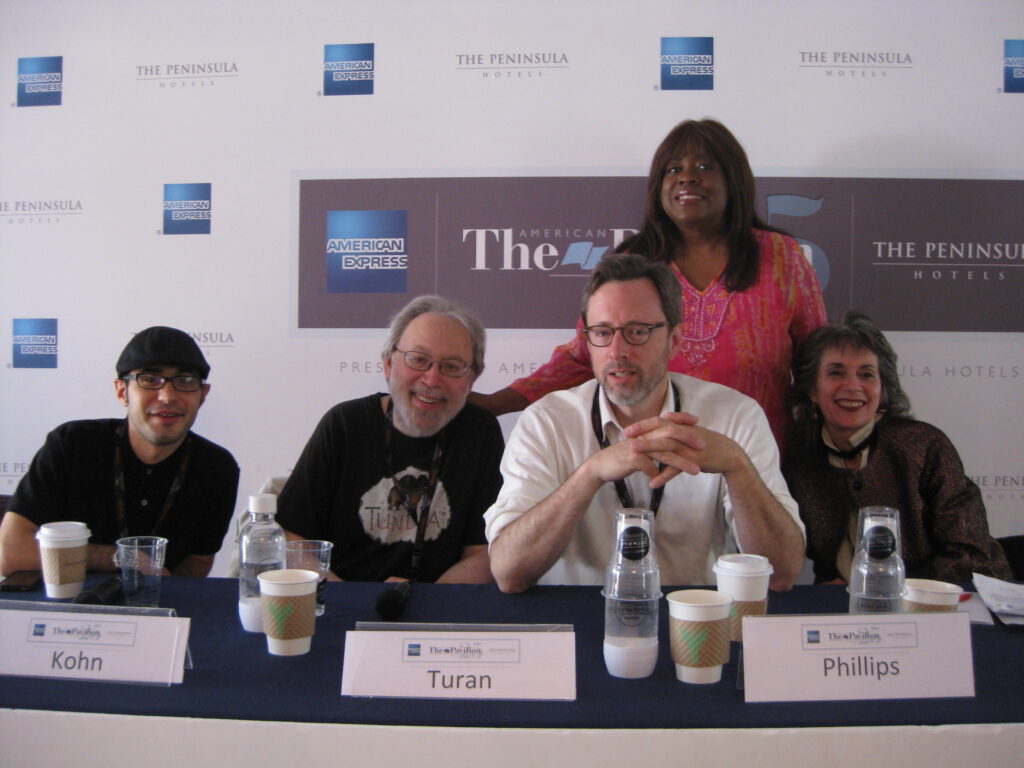
Today the American Pavilion remembered Roger Ebert with a panel and beachfront thumbs-up salute.
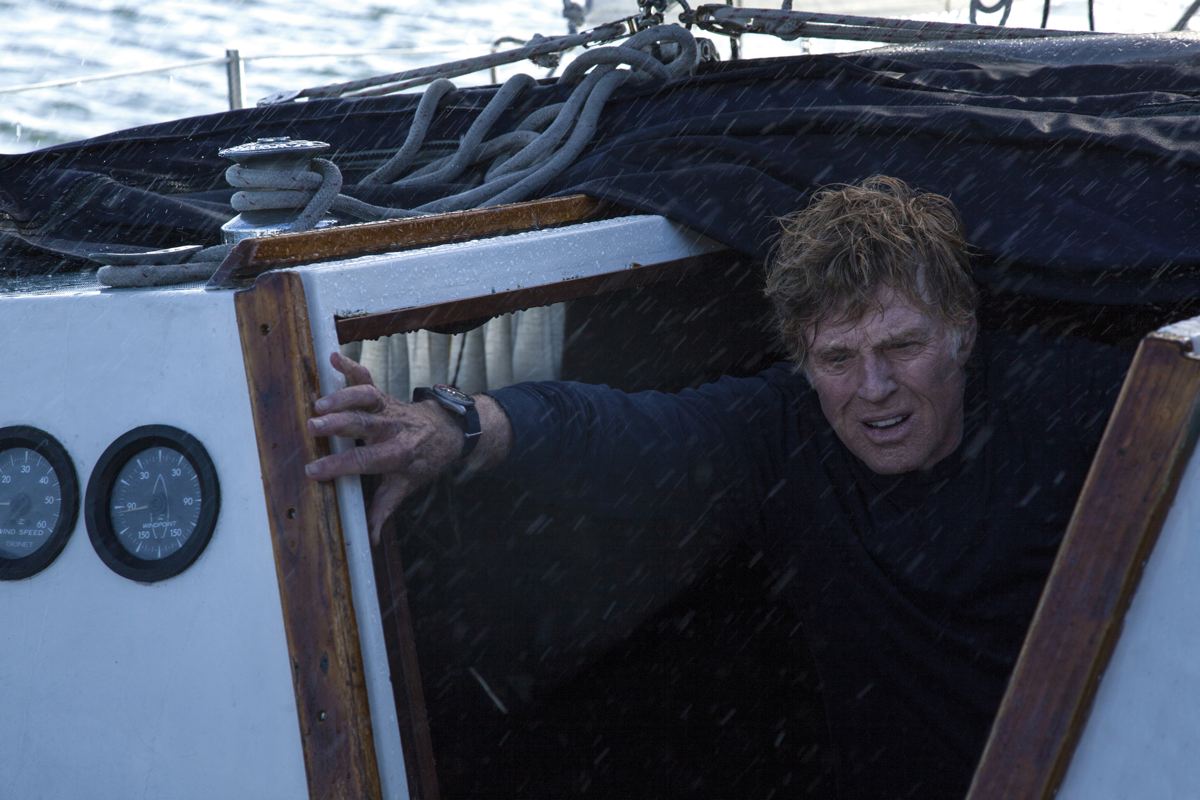
Robert Redford braves the high seas alone in the shipwreck drama “All Is Lost.”
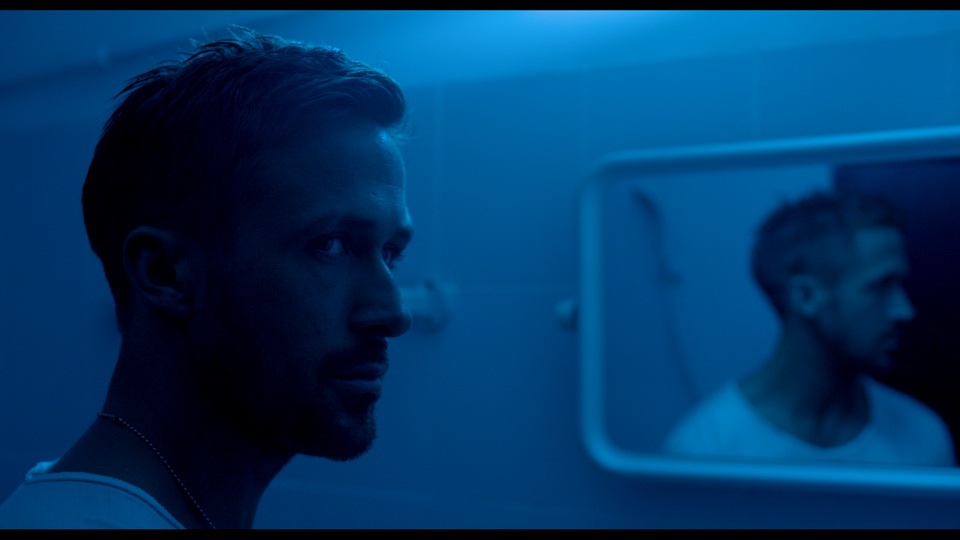
“Only God Forgives” commits the unforgivable sin of being boring, “Muhammad Ali’s Greatest Fight” is about old white men arguing about race, and “Blue is the Warmest Color” takes its time to follow the transition from uncertain teenager to knowing adult.
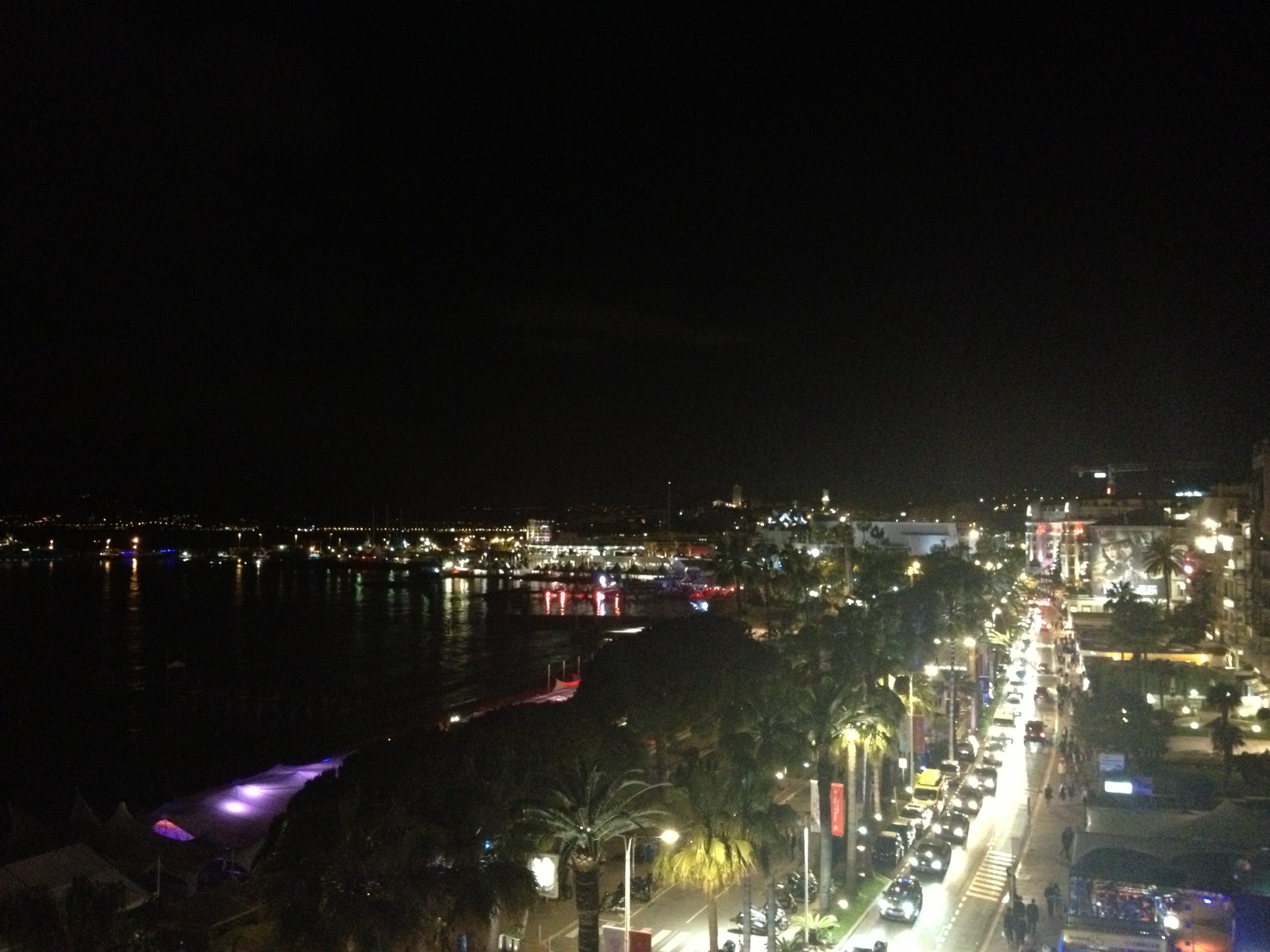
If you go to a yacht party, don’t expect to be living out your own version of “The Talented Mr. Ripley.”
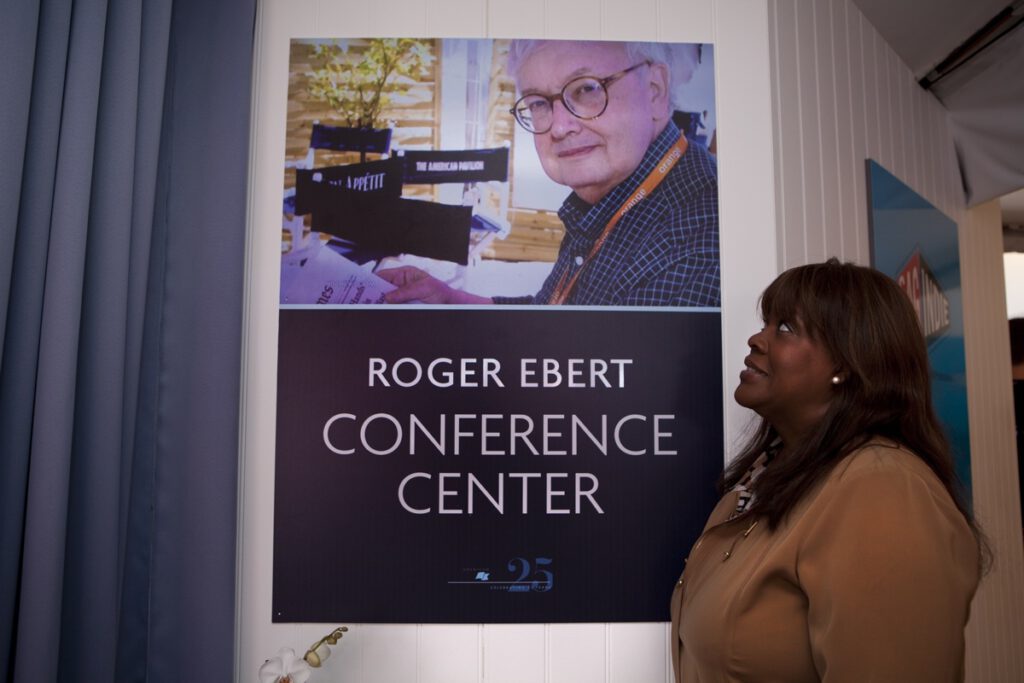
When Chaz has gone to Cannes without Roger in the past, she has written about the festival in the form of letters and postcards to Roger. These are the postcards she sends to him this year.
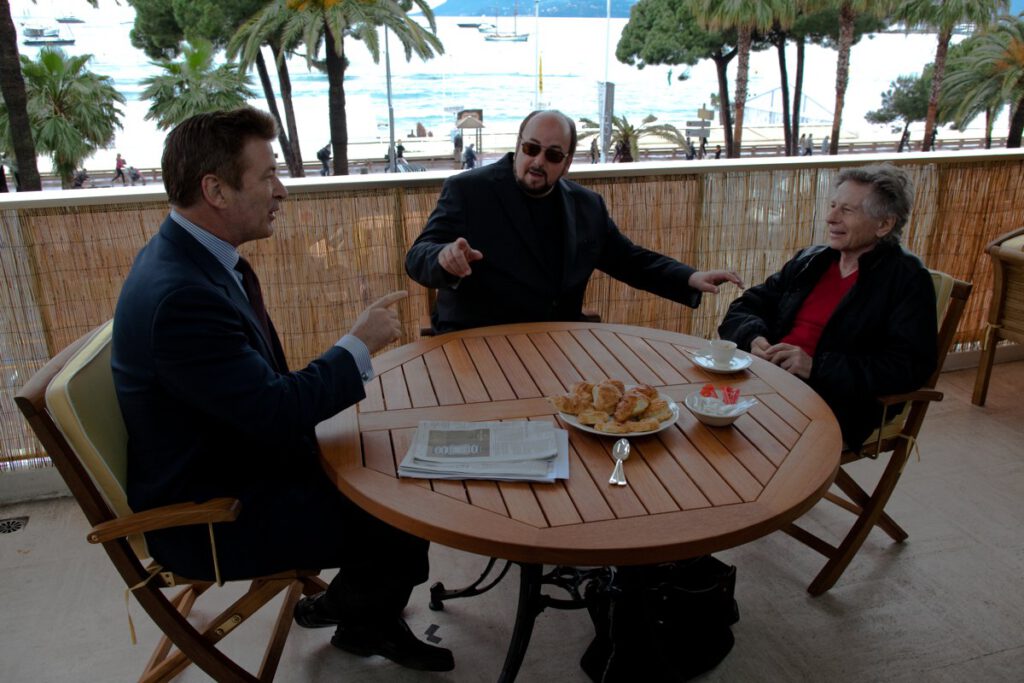
James Toback discusses his new documentary, “Seduced and Abandoned,” which traces the life of a failed movie project. He also discusses the ultimate fate of humanity. Seriously.
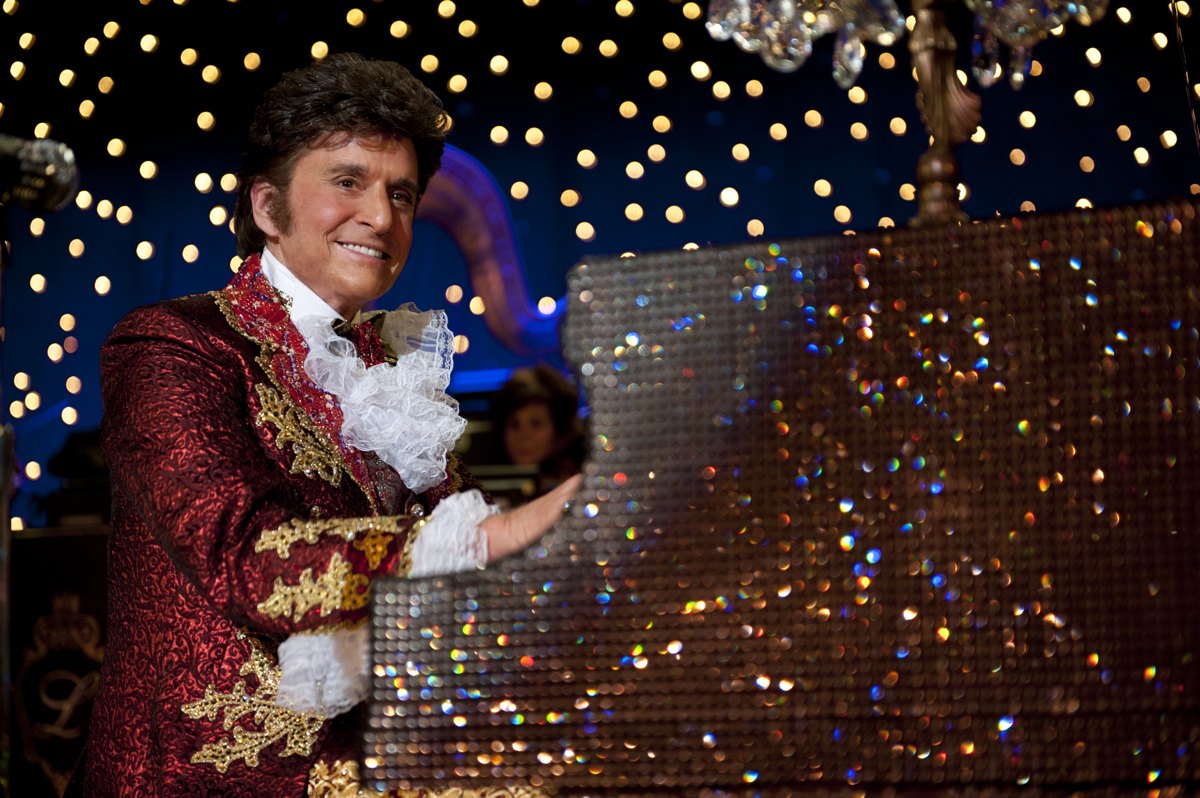
Steven Soderbergh’s “Behind the Candelabra” disappoints, Claire Denis’s “Bastards” baffles, and Mahamat-Saleh Haroun’s “Grisgris” is a mixed bag. So it goes sometimes at Cannes.
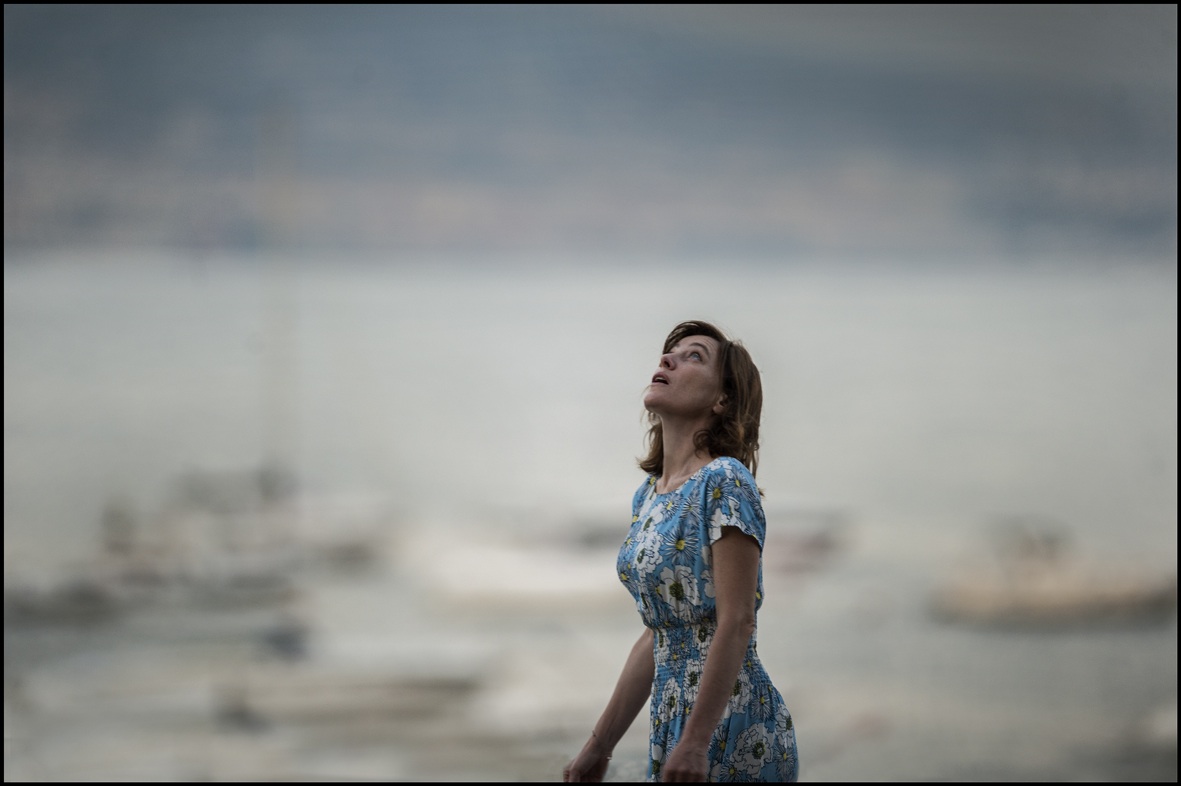
The competition film “A Castle in Italy,” a lightweight comedy, seems strangely out of place.
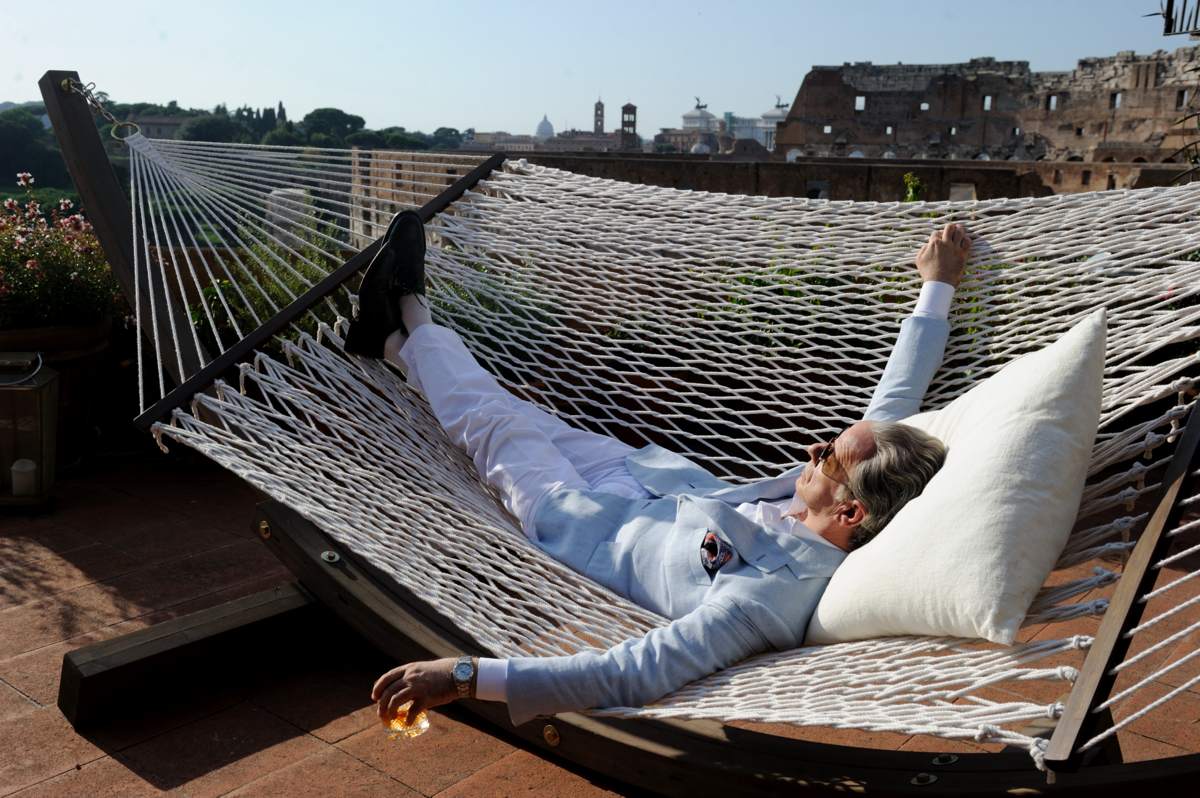
Boos for Takashi Miike’s “Shield of Straw,” a muddled “Blind Detective” from Johnnie To and Paolo Sorrentino’s “The Great Beauty” lives up to its name.
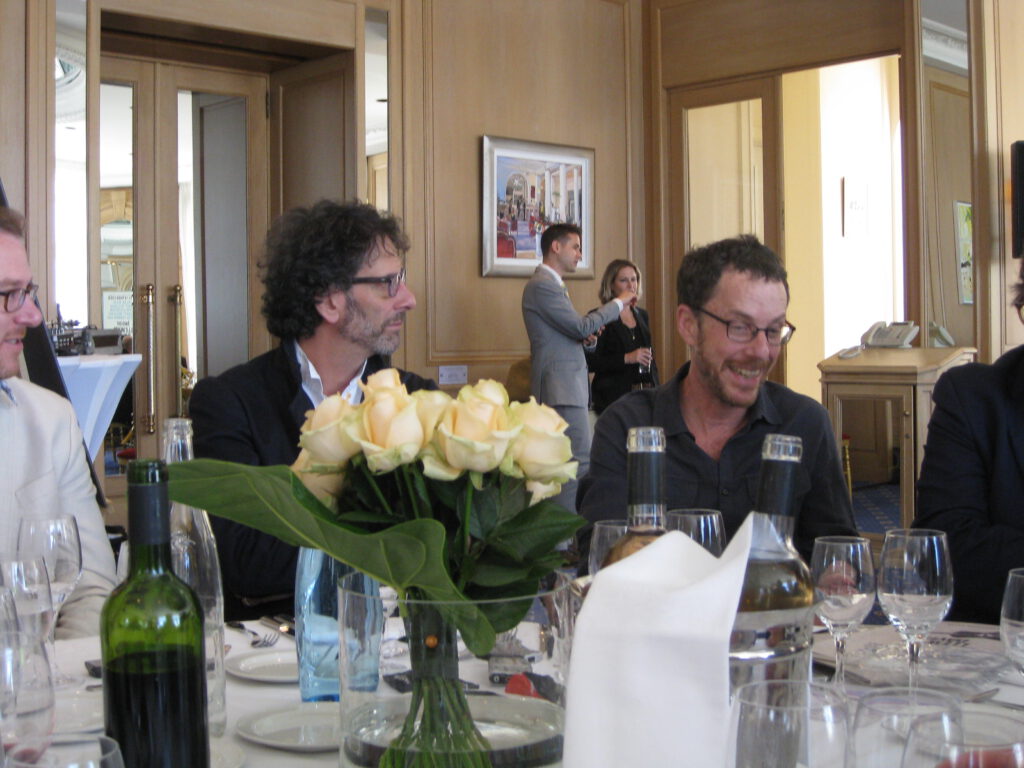
At Cannes, the Coen brothers discuss their inspirations for “Inside Llewyn Davis.”
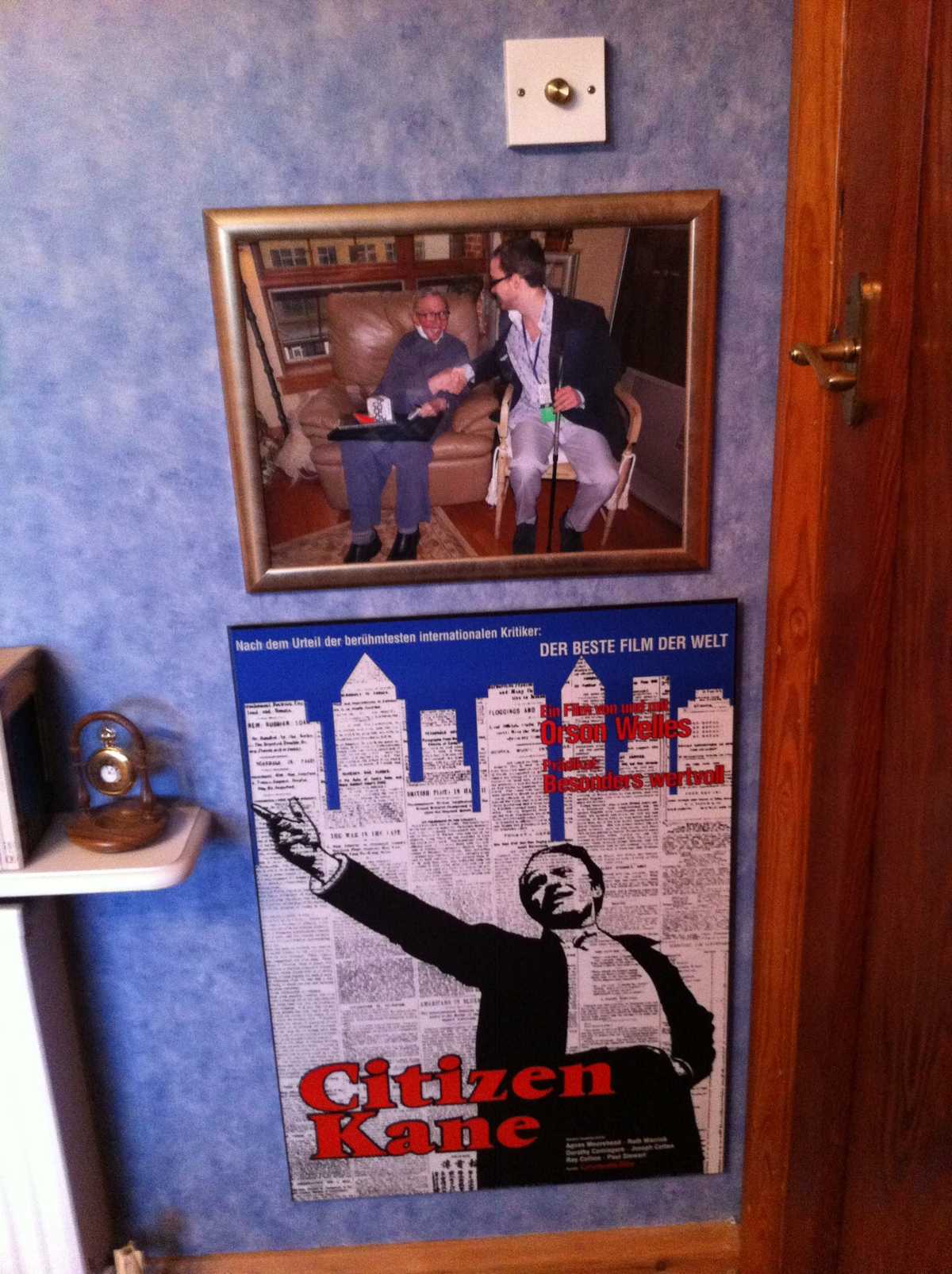
Roger was a titan in the film community, but he was also a beacon for the seriously disabled.
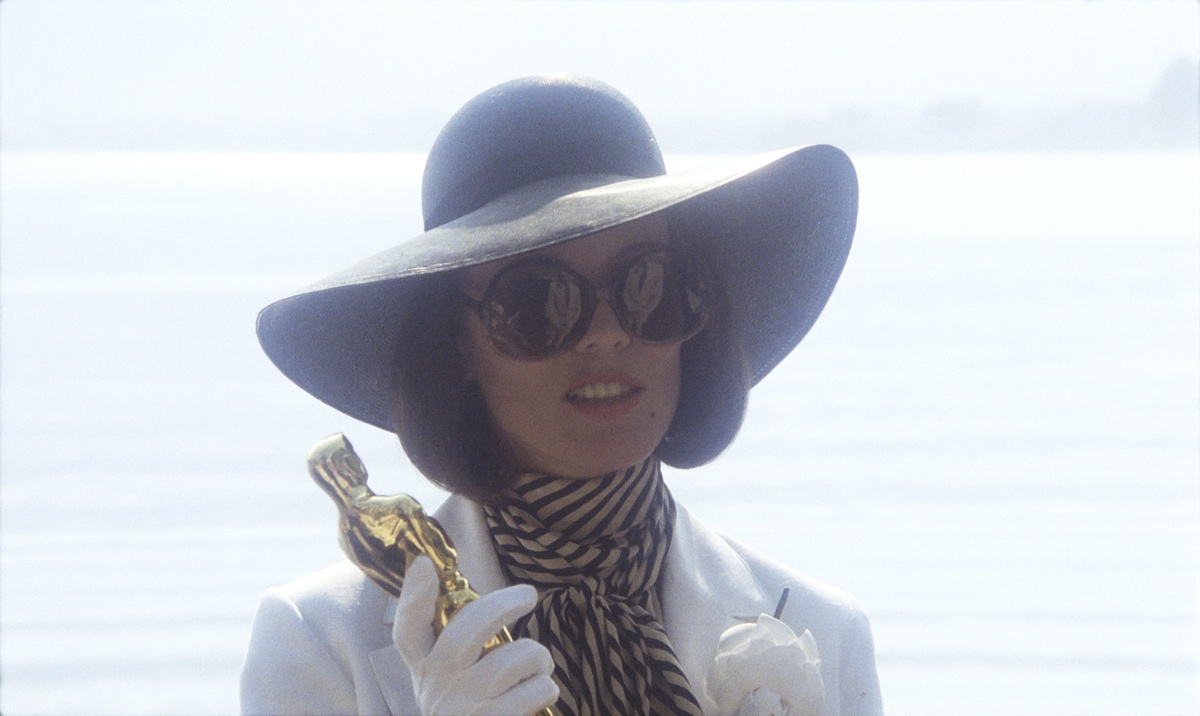
Billy Wilder’s under-appreciated 1978 “Fedora” returns to Cannes to remind us that some things, like the fear of aging among celebrities, never change.
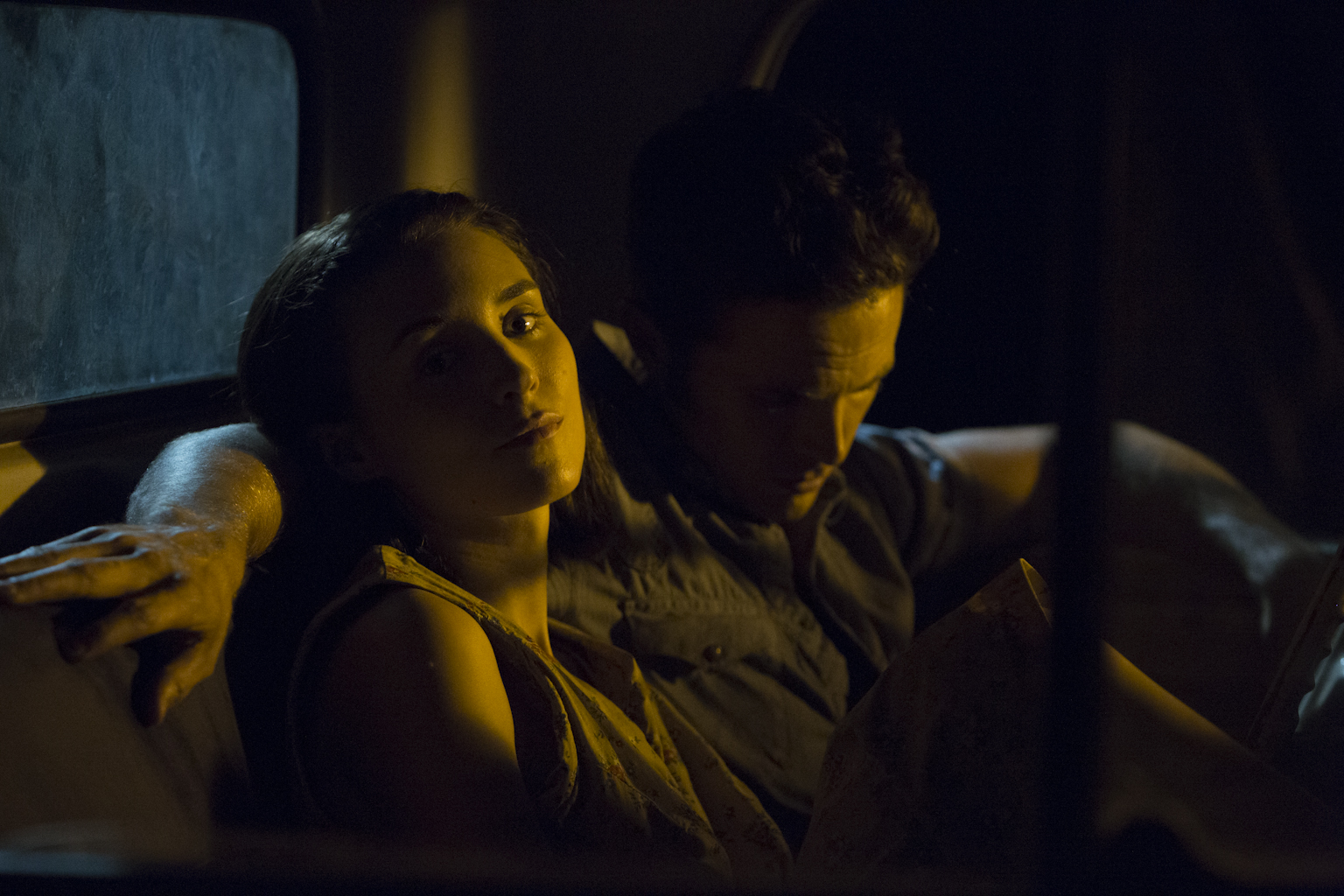
While Cannes’s red-carpet crowd toasts the Coen brothers’ tuneful “Inside Llewyn Davis,” the parallel programs have also turned a spotlight on America.
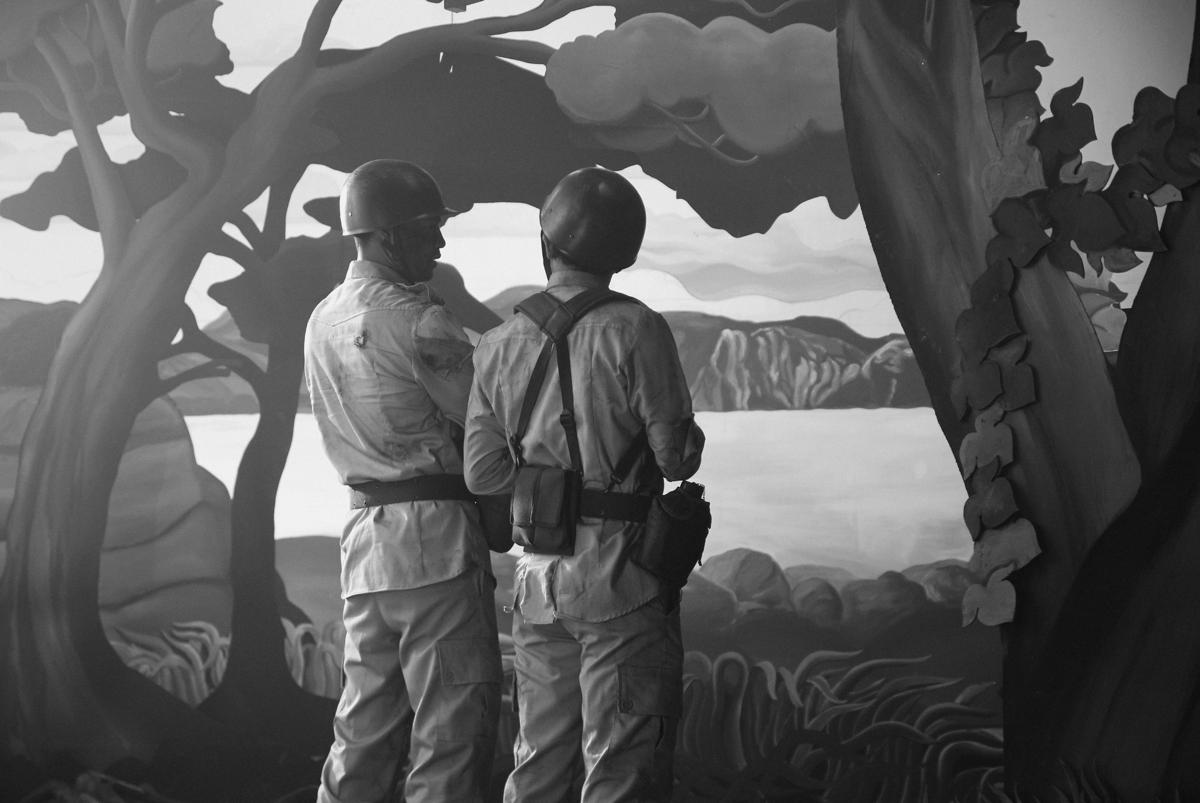
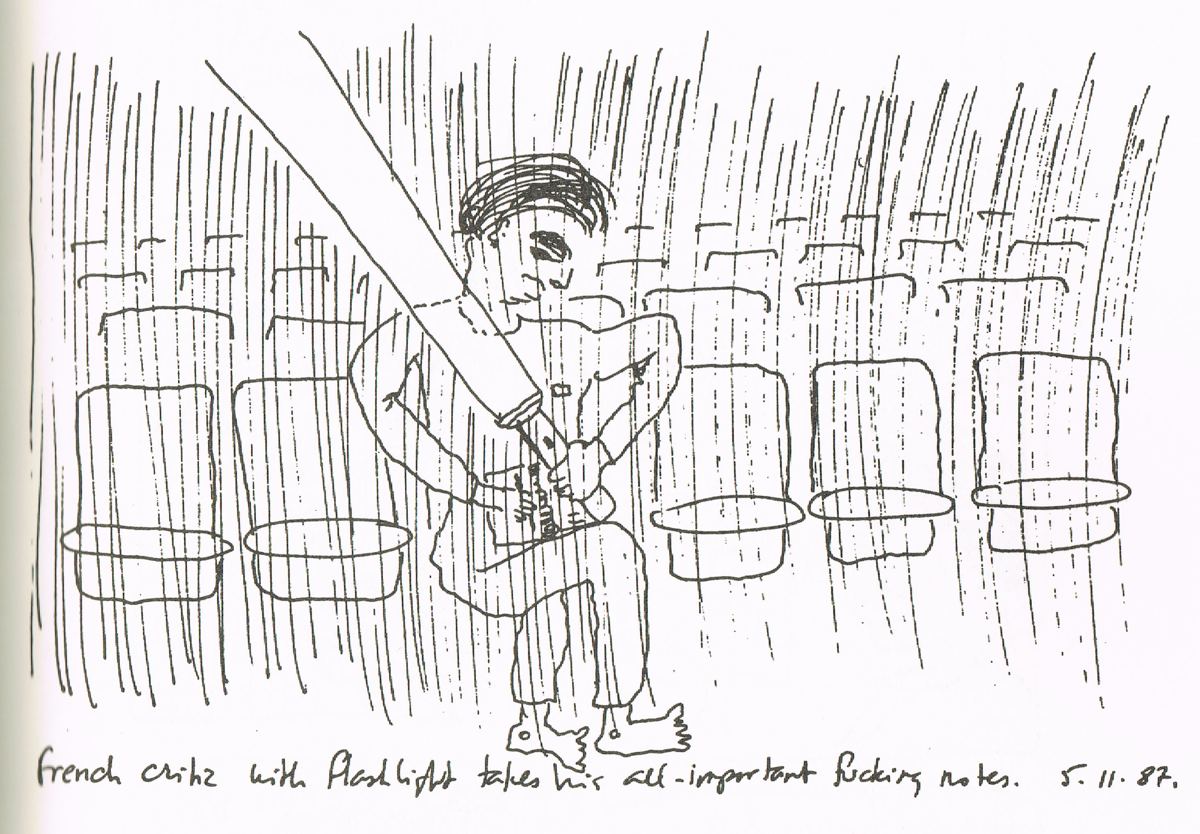
A day of grim films in which “Borgman” attempts Haneke-like surreal grimness and falls short, “The Missing Picture” and “Death March” turn artifice to their advantage to explore the horrors of war and loss, and Claude Lanzmann returns with a film about controversial figure Benjamin Murmelstein, the last president of the Jewish Council of Elders in the Theresienstadt ghetto.
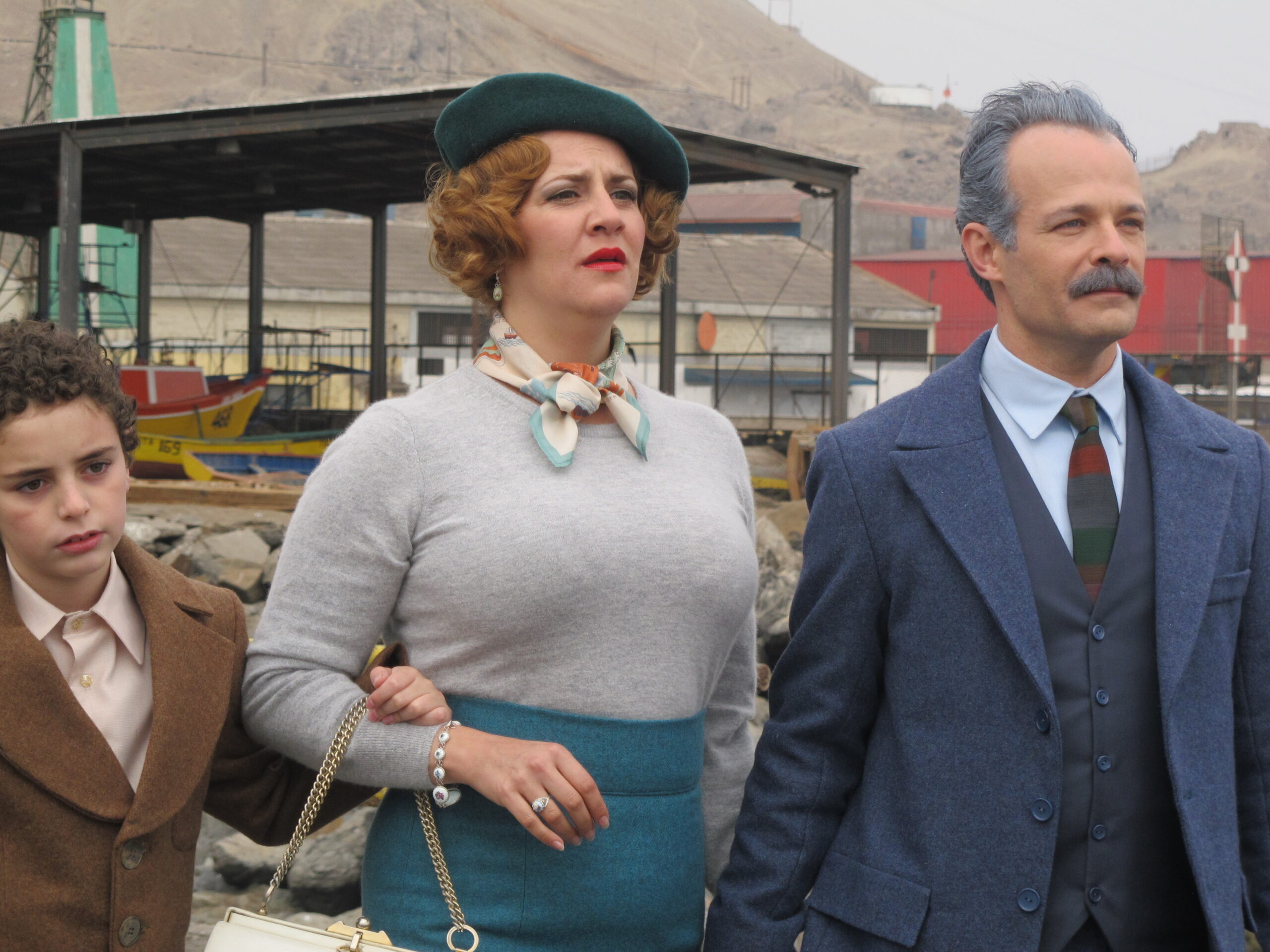
At Directors’ Fortnight, Alejandro Jodorowsky has one new feature and appears as the subject of another.