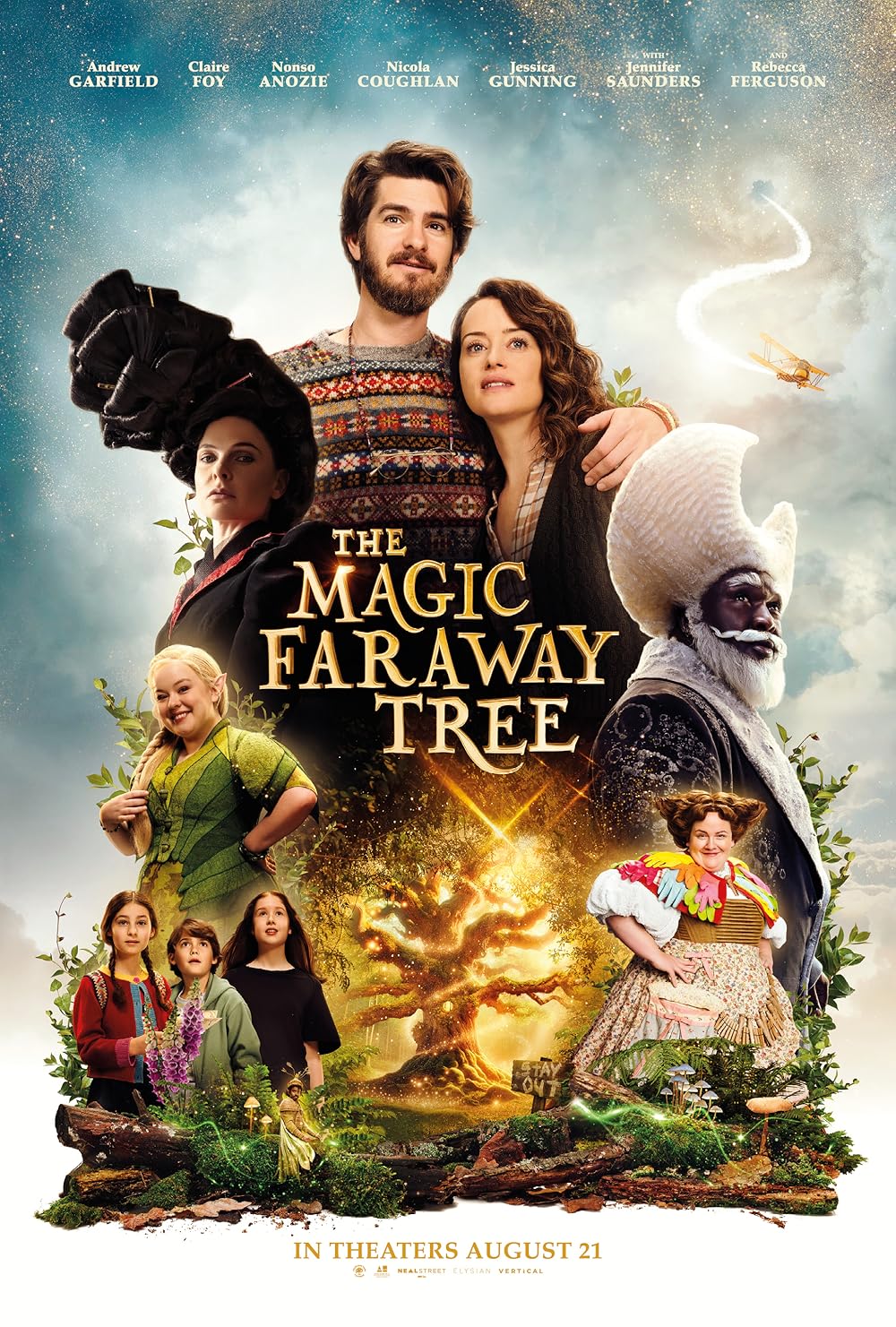
The Magic Faraway Tree, like Narnia, Neverland, and Wonka’s chocolate factory, has been a beloved imaginary destination for British children since the first book in Enid Blyton’s series was published in 1939. Now the screenwriter of “Paddington 2” and “Wonka,” Simon Farnaby, has adapted it into a modern-day story of fairy-tale characters, the magic of wishes and the magic of family, genuinely enchanting. More unusual, gently told.
The near-century-long affection for the books is reflected in the participation of an all-star cast of British luminaries, clearly having a lot of fun inhabiting a story they loved as children and then, as parents, shared with their own. They never wink at or condescend to the audience; they make their slightly-to-wildly exaggerated characters vivid but real. And Alexandra Walker’s production design is delightful and enchantingly retro, capturing both the real world of the barn-turned-home and Polly’s inventions and the fantasy worlds the children visit.
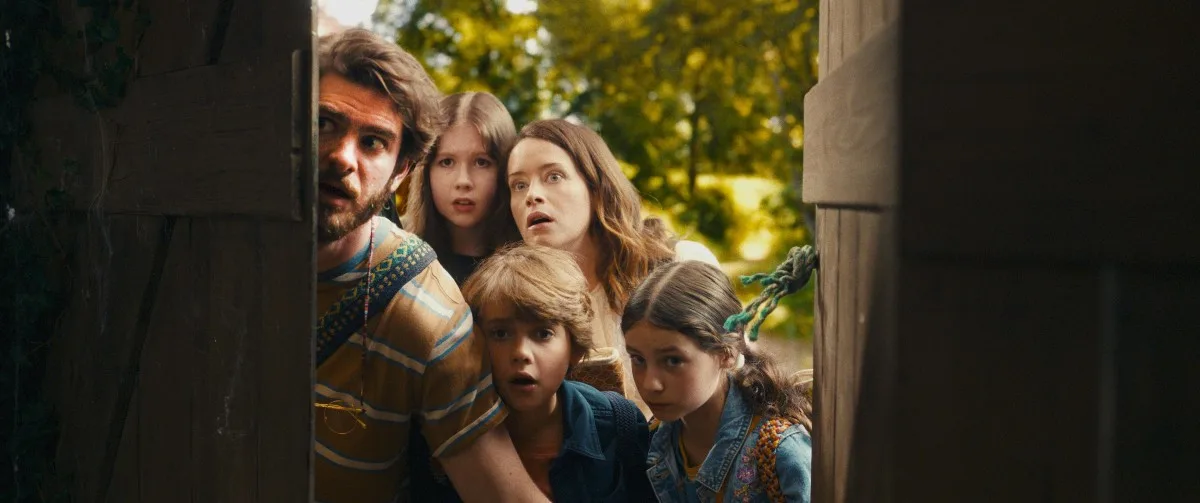
Full-time dad Tim (Andrew Garfield) and brilliant engineer Polly (Claire Foy) are parents exhausted by the intrusion of the plugged-in, screen-dominating world. It isn’t just that oldest daughter Beth (Delilah Bennett-Cardy) is always on her phone, son Joe (Phoenix Laroche) is always playing his favorite online game, and youngest child Fran (Billie Gadsdon) is so overwhelmed she’s stopped talking.
Polly comes home from her job designing a refrigerator that spies on everyone in the house to “helpfully” remind them (with the voice of Dame Judi Dench) that someone is usually drinking wine at this time of day. She tells Tim she quit because she couldn’t be part of such an unethical product. That means they will have to leave their company apartment and company car. So they bring out the “dream binder” they put together as college students and decide to make one of those dreams come true. They will move to the country, near where Tim grew up. They rent a farmer’s barn to stay in and plan to make enough money by the end of the summer selling Tim’s pasta sauce to pay for it.
The farmer warns them not to go into the forest. But Fran receives an invitation from a sweet-natured fairy named Silky (Nicola Coughlan), who tells her to ignore all the warning signs and bring a gift. She discovers a fabulous tree inhabited by colorful characters including Silky, the portly, egotistical Moonface (Nonso Anozie), the hard-of-hearing Saucepan Man (Dustin Demri-Burns), and the energetic laundress Dame Washalot (“Baby Reindeer’”s Jessica Gunning). A long, long ladder up to the sky leads to a different world every day, revealed by spinning a “Wheel of Fortune”- style circle with pie-wedge-shaped sections.
Part of the considerable charm of Blyton’s stories is the way she locks into a child’s idea of what a magical creature would be like. Indeed, the magical and human characters are all more childlike than the children, including the parents and Polly’s officious and disdainful mother, played with great brio by Jennifer Saunders.
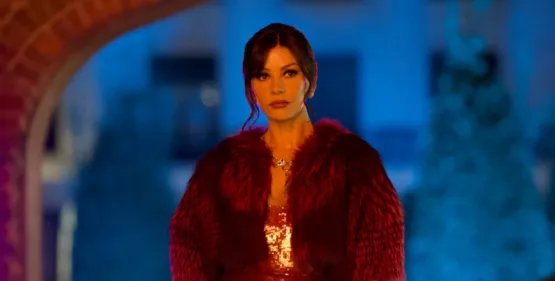
But Beth, Joe, and Fran become less childish, growing out of their device- and self-centered perspectives as they must solve problems and correct mistakes. In The Land of Birthdays, everyone gets a birthday cake with a candle to make a wish that will come true. In classic fairy tale fashion, these wishes go very wrong. Undoing them takes the children on some perilous adventures, including a visit to a five-headed Know All monster (one of those heads is “Monty Python’s” Michael Palin) and a visit to a school/prison run by a screechy Dame Snap (Rebecca Ferguson). Watch for a reference to the character’s original name in the Blyton book before it was deemed inappropriate: Dame Slap. Nothing ever gets too scary; the escape is less snap than slap, as in slapstick, with silly potty humor.
In a key moment, the temptations of enchanted adventures, even including a literal candy land, begin to diminish compared to laughing, singing, dancing, and even working with family. Like the “Toy Story” films, the bittersweet losses necessary for growing up are lightly but tenderly portrayed, with a brief touching glimpse of Tim’s own enchanted childhood. The opening quote tells us that “the magic of childhood is always forgotten,” but films like this don’t just remind us; they allow us to experience it again.