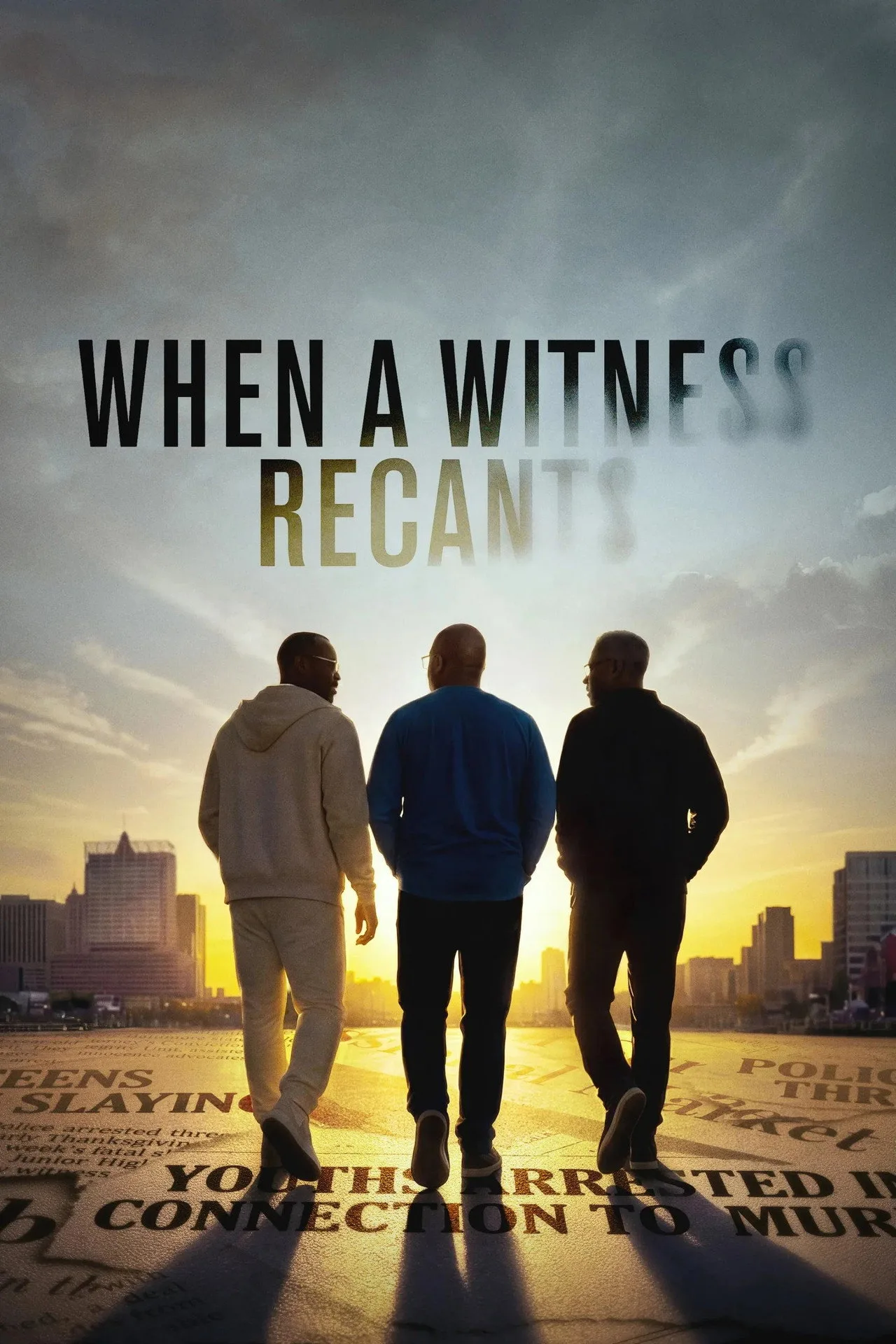
The through-line of the excellent new HBO documentary “When a Witness Recants” is the deeply flawed manner in which most police detectives and prosecutors are evaluated. They progress in their careers based on whether they convict a lot of people, not whether they convict the right people. This mandate merges with the increasingly combative mentality of law enforcement, which treats anyone not in the tribe as an obstacle or enemy, treats suspects as non-player characters in a personal drama, and ill-serves the families of crime victims, who don’t just want somebody to pay for a crime, but the right somebody.
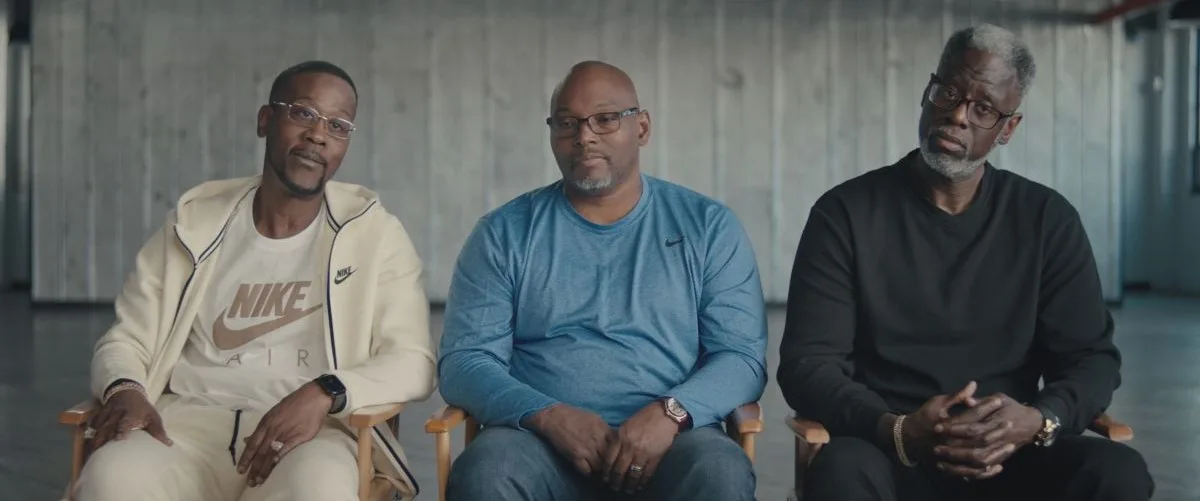
Directed by Dawn Porter, the movie is guided by the voice of writer and cultural commentator Ta-Nehisi Coates, who was a young man growing up in Baltimore in 1983 when the so-called Harlem Park Three—teenagers Andrew Stewart, Ransom Watkins, and Alfred Chestnut—were tried and convicted for murdering a juvenile, 14-year-old DeWitt Duckett, to steal his satin jacket while all four were inside their unlocked high school after-hours.
Coates’ presence helps focus the story and create a bridge between the movie and an audience that might otherwise have trouble seeing the crime and its punishment as just another hard-luck story about a broken system, like the Central Park Five story but smaller in scope and less-known. But Porter and Coates know better than to make this story about the storyteller’s feelings. It’s a fairly straightforward true crime story that pays more attention to issues of race, class, and police abuse than you’d ordinarily get on one of the many cable series that have told a similar tale. “When a Witness Recants” is a straightforward title that tells you how the three wrongly convicted men ended up free again, albeit only after losing decades of their lives for no good reason.
The primary investigator on the case is depicted as a sort of cop who was all about clearance rates, ran a disorganized, slipshod investigation, and signed off on coerced confession from two of the suspects (who were also 14 at the time). This, despite the fact that there was no convincing evidence that they did the deed: in fact, there was only one gunman who killed DeWitt and not three; the young men were escorted out of the school without incident by a guard who was on duty at the time; and many eyewitness accounts contradicted the state’s insistence that they had the right guys in custody. The prosecutor and judge made things worse by suppressing exonerative evidence and downplaying serious problems with the case against Stewart, Watkins, and Chestnut.
The three were released in 2019 and sued the Baltimore Police Department three years later, walking away with a $48 million settlement minus attorney expenses, which is a much better deal that a lot of wrongly convicted people get. But the documentary is clear-eyed about how money constitutes an official apology but can’t go back in time and undo an injustice or give people back the years they lost to other people’s incompetence and deceit.
The filmmaking is solid, by-the-book stuff, mixing still photos, news footage, insert shots of details from important documents, and present-tense interviews with the Harlem Park Three. The past is often represented by animated sequences. This is something that more documentaries should do, especially in the age of hyperrealistic GenAI imagery that is a lie in itself, by its very nature. It gets across the idea that there is an objective reality that can be verified, but every individual person’s perception of that reality is subjective. The main point of interest creatively is the cross cutting, which compares past and present statements by different key players in the manner of a prosecutor or defense attorney.
It’s a minor tragedy of another sort to say that the movie has less impact than it rightly should because the justice system is so inadequate and corrupt that there are multiple stories along these lines in every major city in the United States, and probably a lot of smaller communities, too. The systemic nature of this kind of injustice comes through thanks mainly to Coates, who has a gift for teaching history and putting specific stories in a larger context.
Footage from the 2022 civil trial includes testimony by the primary investigator, Donald Kincaid, who dodges accountability by answering questions about details of his unacceptable conduct with variations of “I don’t remember.” This, of course, is the official reply of a person who knows they’re guilty of something and wants to lie under oath without anyone else being able to definitively prove they lied. This seems like a giant loophole in the law. Absent a medical diagnosis of amnesia, how is it possible that an experienced detective can’t recall details of a case he worked on relentlessly for years, under intense media scrutiny?
Maybe that non-response could be the subject of an HBO documentary.