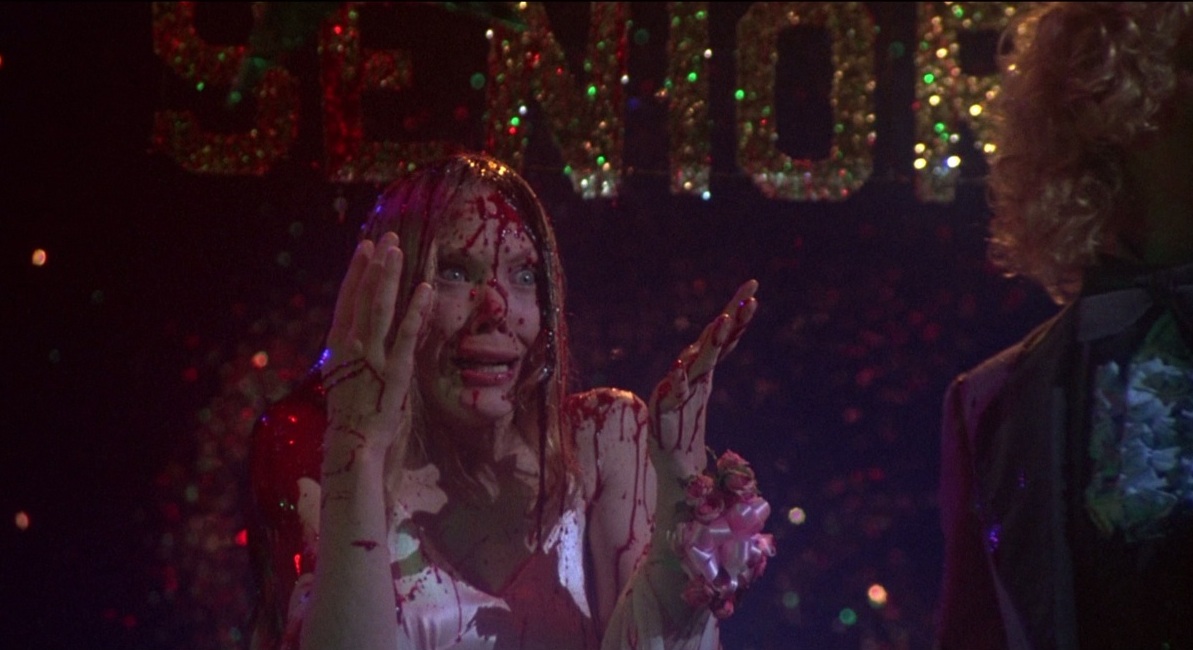
The Trouble with “Carrie”: Strong Female Characters and Onscreen Violence
“Carrie” is unusual because Carrie’s turn to violence is not in service of others, unlike many “strong female characters” in recent films.


“Carrie” is unusual because Carrie’s turn to violence is not in service of others, unlike many “strong female characters” in recent films.
Benedict Cumberbatch talks about “The Fifth Estate.”

Writer Susan Wloszczyna responds to our Movie Love Questionnaire.
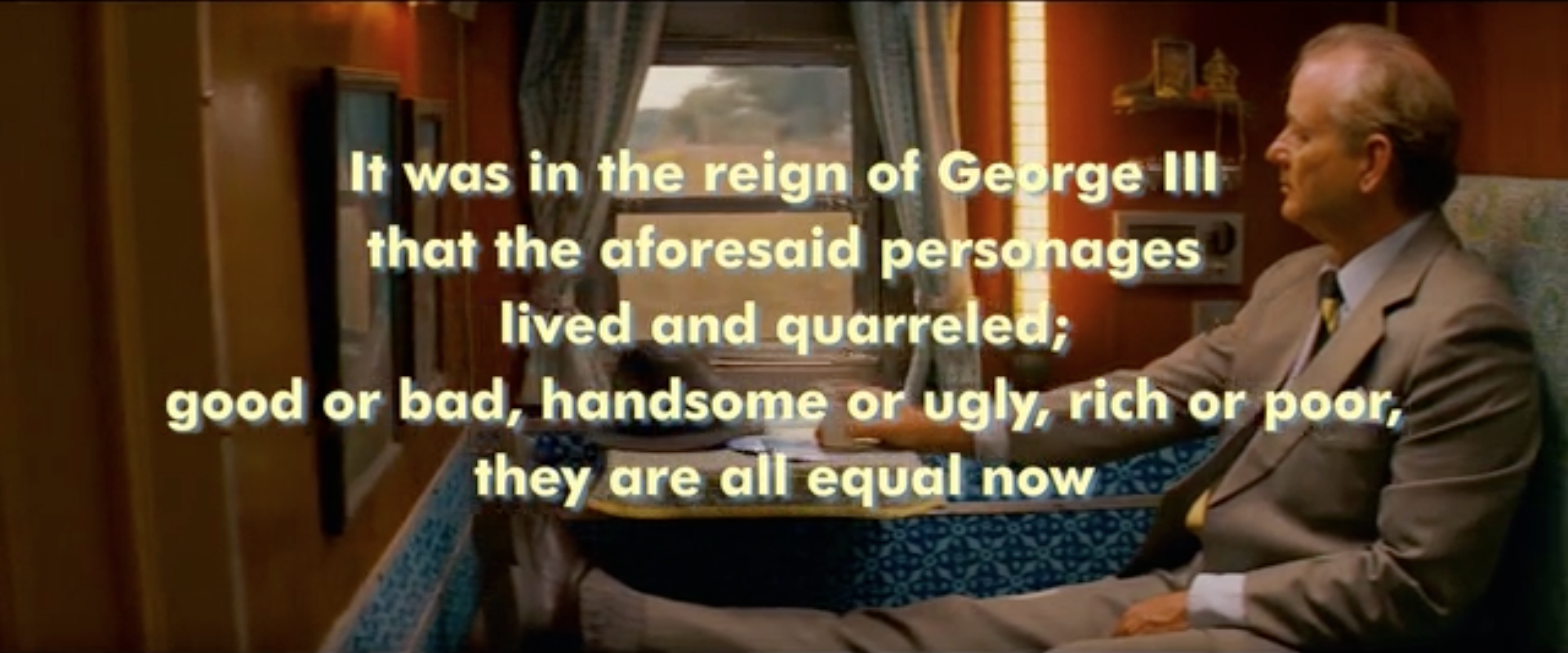
“The Wes Anderson Collection” video essay series continues with “The Darjeeling Limited,” the director’s comedy about brotherhood, death, and the limits of control.

RogerEbert.com editor Matt Zoller Seitz and contributor Steven Boone discuss “Untold History,” a documentary series by Oliver Stone and Peter Kuznick that presents an alternative history of the United States and its role in recent world history.

Victory Gardens honors Roger by putting on a play he wrote as part of their annual Chicago Stories Gala.

American education is uneven rather than simply mediocre; what NYC sounded like in the 1920s; X bassist John Doe speaks; director Jeff Tremaine on pranking people; lousy films with great soundtracks.
Female Pleasure Is the Real TV Taboo; Blue Is the Warmest Controversy; Condescending to Vincent Price; Why Journalists Should Learn to Code; an MFA writing workshop for the Bible.
The legend of Harvey Scissorhands; the controversial twist of “Homeland”; a “Lucking Out” review; the sad misogyny of “Xanth”; the NSA galls the spy-crazy French.
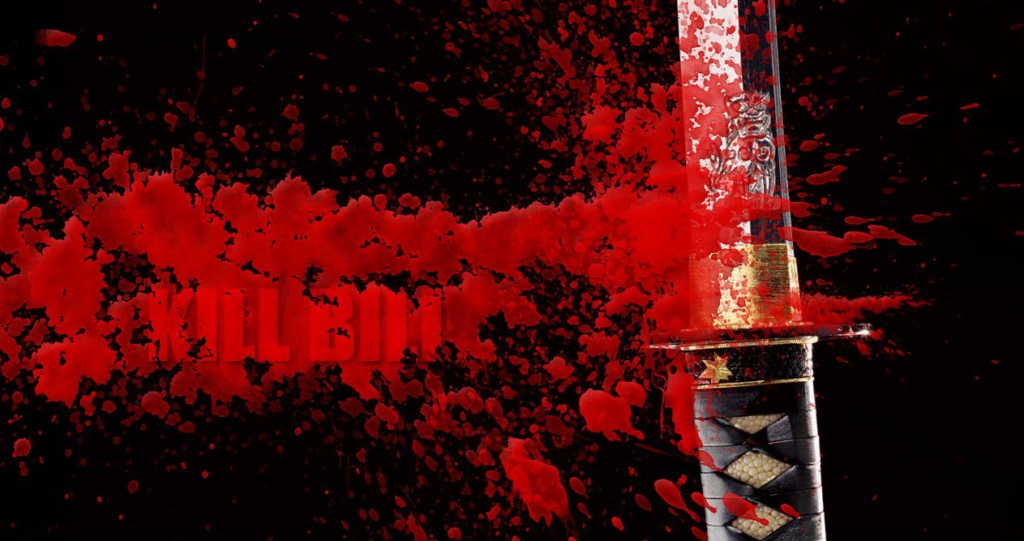
A brief history of movie blood; a brief history of American independent cinema; new scholarship for women filmmakers from African and the Middle East; Fox News sock puppetry; “American Psycho” typo; cinema in 270 degrees.
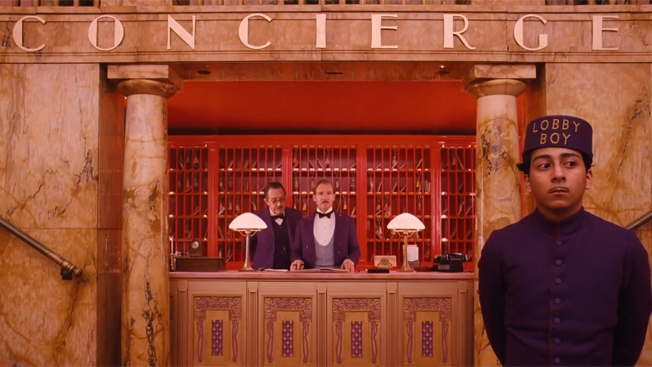
The aesthetic politics of filming black skin; saving Memphis; a Richard Linklater retrospective; “Fisher King” commentary; bankrupting emergency care.
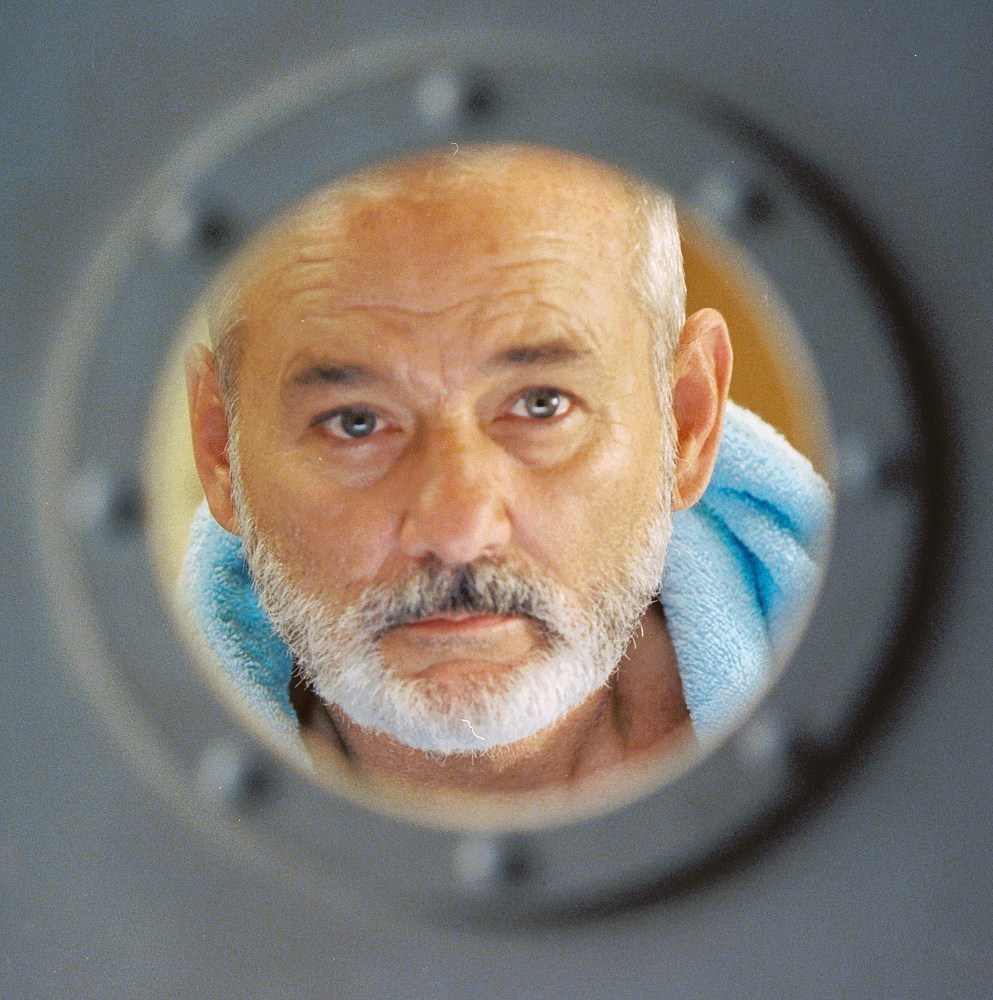
“The Wes Anderson Collection” continues with a video essay on “The Life Aquatic with Steve Zissou,” probably Anderson’s most widely disliked feature, and MZS’s personal favorite.
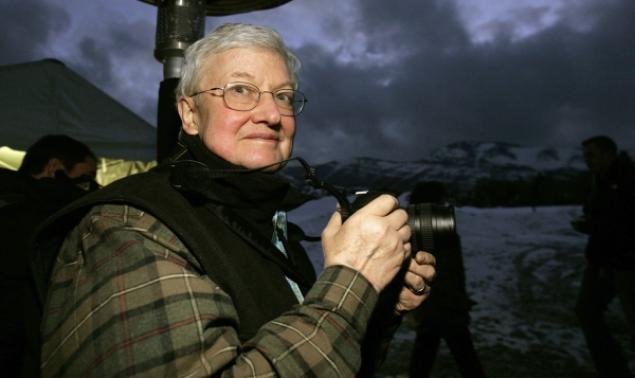
More details on the Sundance Institute’s Roger Ebert Scholarship for Film Criticism and our plans for more awards to new writers.
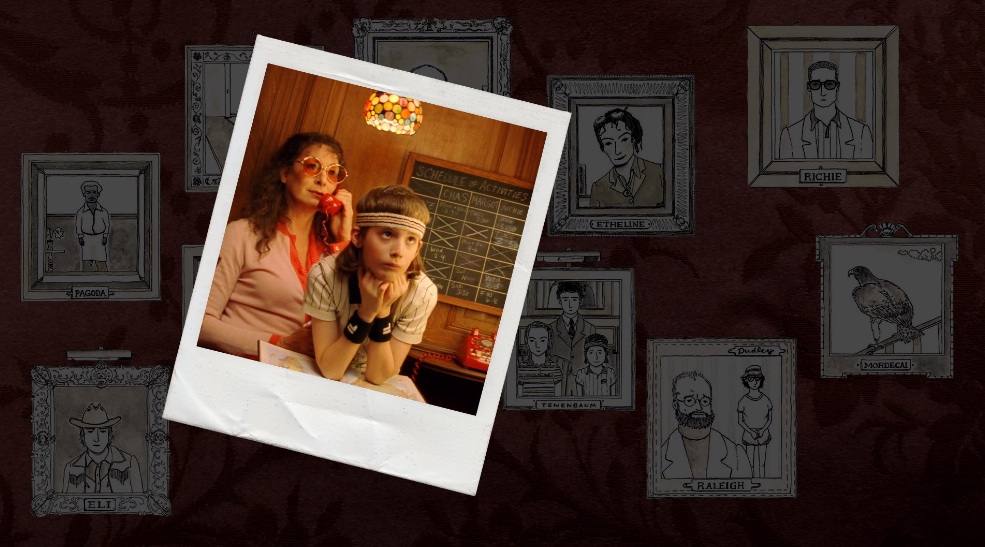
A close look at “The Royal Tenenbaums,” the third in a series of videos based on Matt Zoller Seitz’s book “The Wes Anderson Collection.”
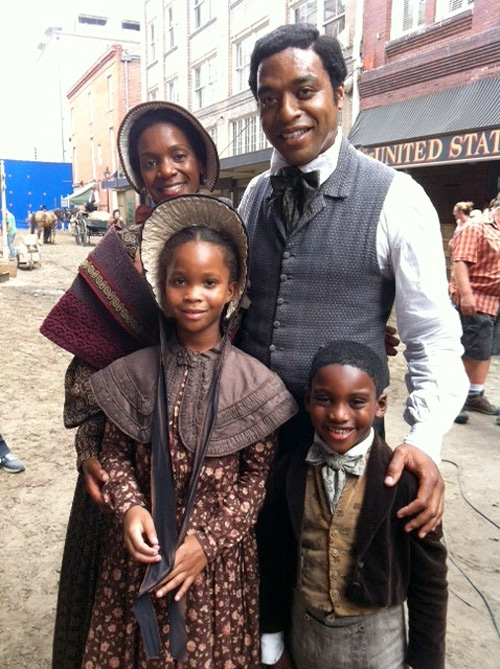
“12 Years a Slave” and “The Butler” are part of a valuable subgenre of American film that dramatizes the fallacy of “Black respectability”—the notion that if African-Americans will only speak, dress and behave in a certain way, discrimination won’t affect them, and they’ll reap the American dream.
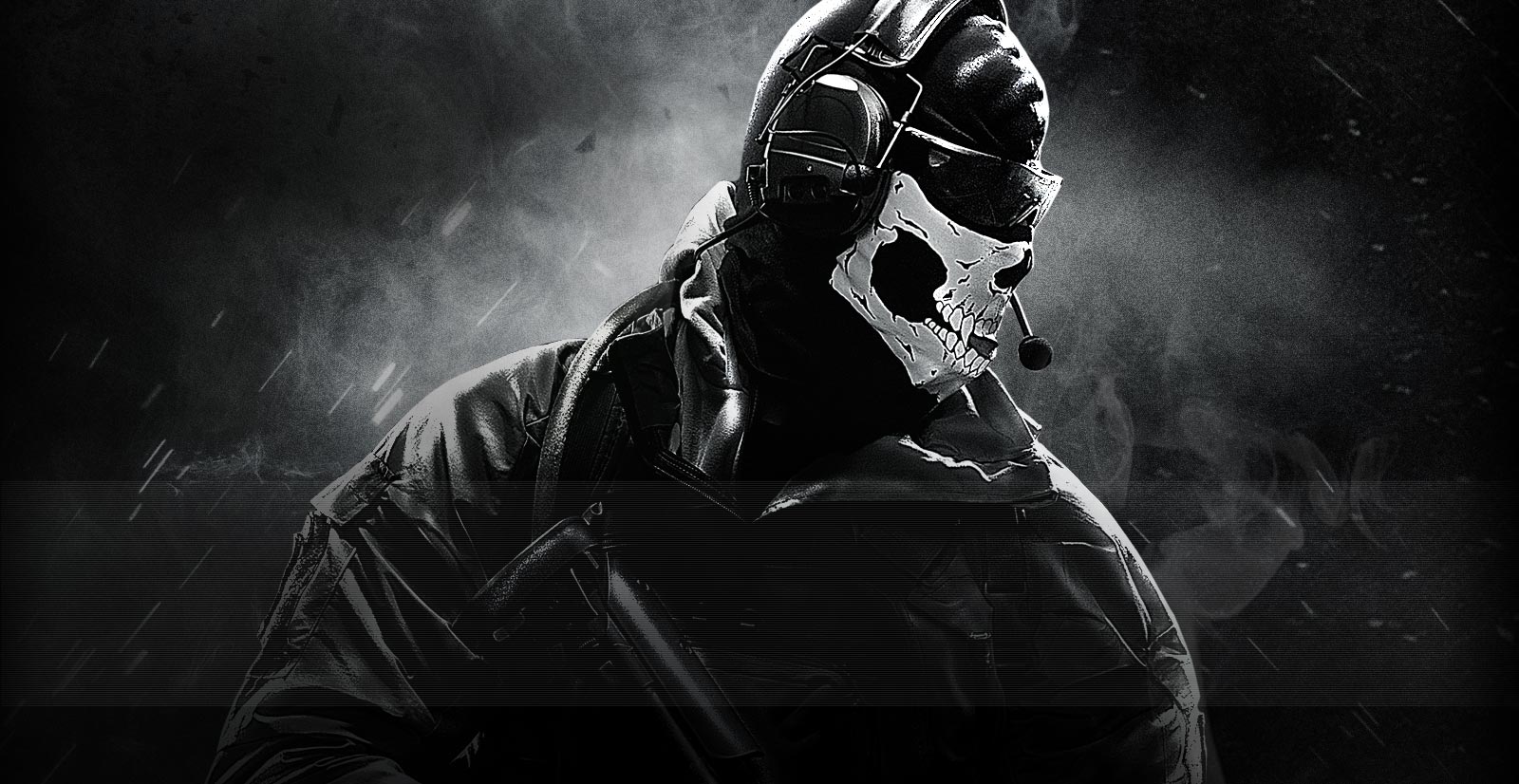
Is videogame culture sexist? Sure. But only because the culture itself is sexist. Rowan Kaiser explains.
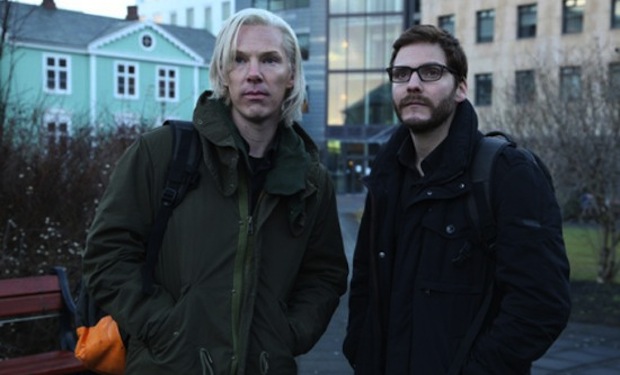
Director Bill Condon talks about telling true stories, and why we are all fascinated with them.
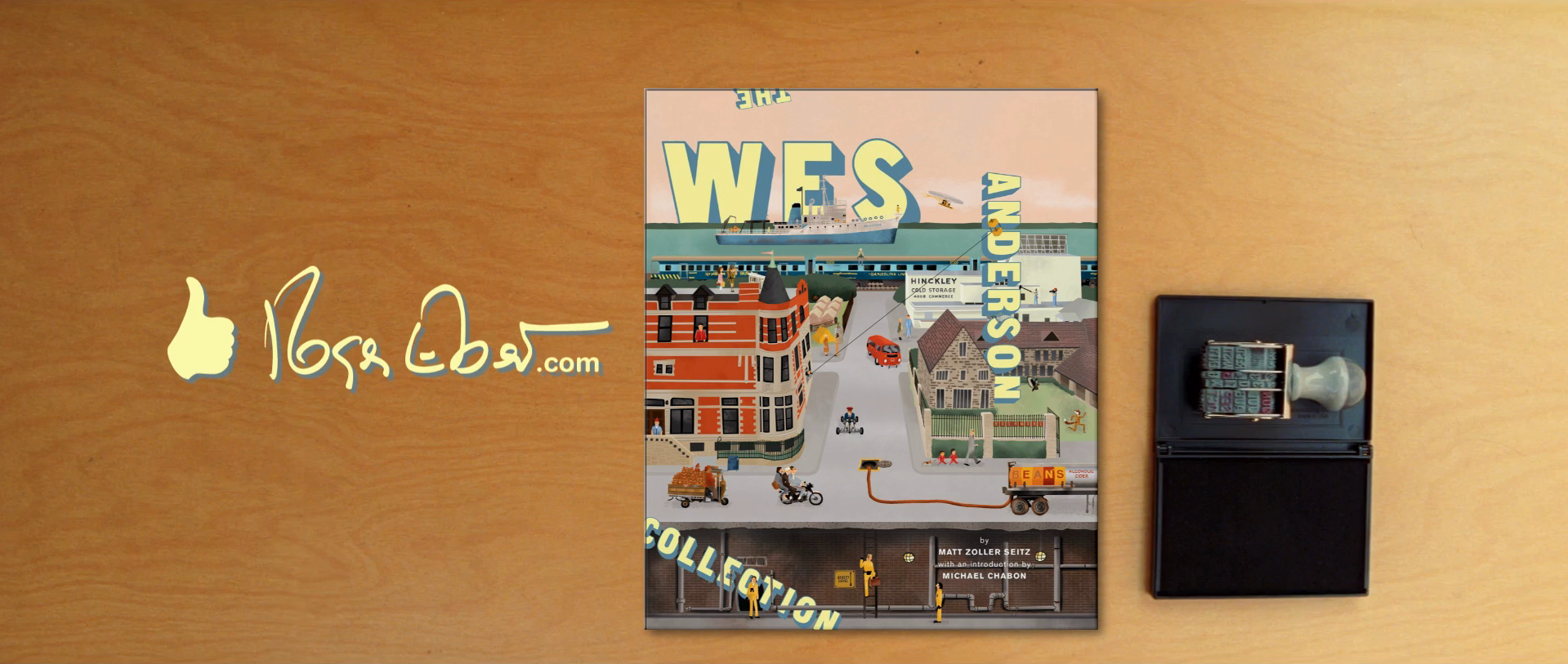
Video essays on Wes Anderson, including all seven chapters of “The Wes Anderson Collection” and all five chapters of “Wes Anderson: The Substance of Style.”