
George Leigh Mallory, when asked after two failed attempts why he wanted to climb Mount Everest, said simply, “Because it’s there.” Today’s extreme climbers might answer, “To look cool on Instagram.”
Mallory never reached the summit of the world’s tallest mountain. He and his team died trying. But times, technology, and tourism have changed, and now, though some still die in the attempt, 13,000 people have reached the highest spot in the world. The documentary “Everest,” based on the best-seller Into Thin Air by John Krakauer, shows how commercialism and crowding posed even more danger than the icy peak.
That is also a problem for the second-highest mountain in the world, officially Mount Godwin-Austen but better known as K2, and by its nickname “The Savage Mountain.” The 1992 movie “K2” is the story of a fictional climb, and there are a number of documentaries, including “K2: Touching the Sky” and two with titles that indicate where the “savage” description comes from: “Ghosts of K2, and “K2: The Killer Summit.”
K2 is only about 260 yards shorter than Everest, but a tougher climb, with an estimated one death for every four who succeeded. An Italian team first summited it in 1952. Like all of the groups that have reached the top since, they climbed in warm weather.
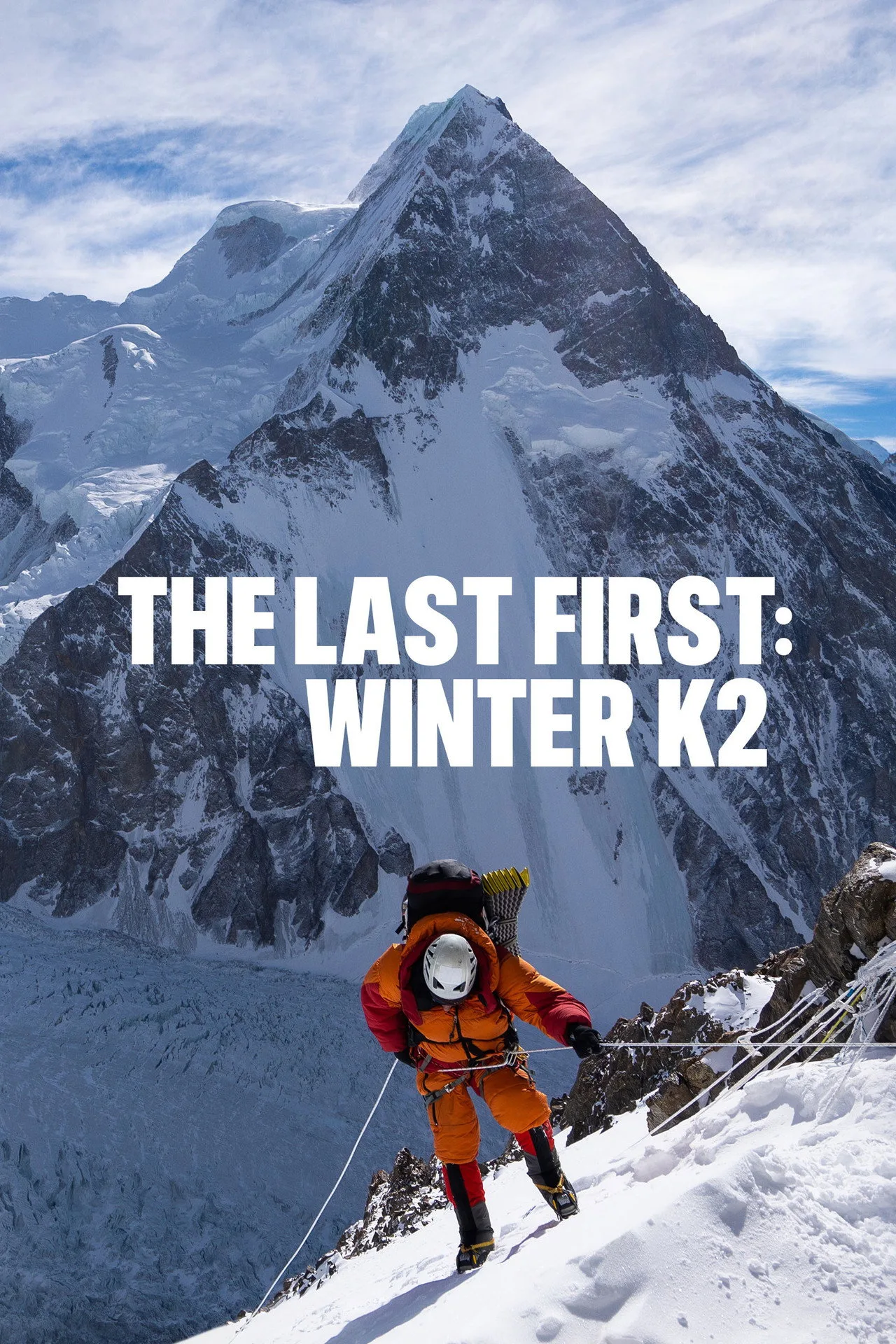
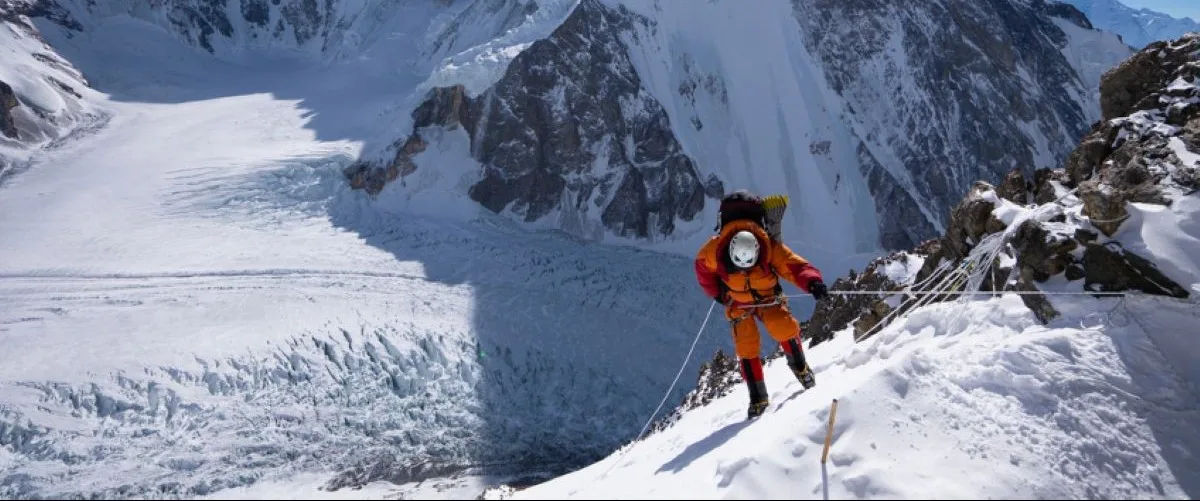
“The Last First: Winter K2” is about the 2021 group attempting what was considered the last “first” record of extreme mountaineering: reaching the top of K2 in the winter, a season described as “completely deadly.” Getting there in winter is “the holy grail for high-altitude mountain climbers.” At base camp, the temperature was 50 degrees below zero. A team member says, “It goes from cold to ridiculously cold.” One of the climbers laughs that when he went outside to pee, the urine froze before it hit the ground. That altitude and temperature impair a climber’s mind as well as body.
In the days of bragging on social media, the “because it’s there” imperative applies to finding new records to break. So, climbers bring professional photographers with them. It is heart-wrenching to see footage shot with such optimism, meant to show triumph, instead become a close look at conflict and tragic mistakes. This documentary about groups, some with very little experience, trying for that last achievement, benefits from extensive footage of the attempt as it was unfolding, as well as interviews with those who survived.
We witness the optimism at the beginning, the camaraderie edged with competition, the horror after the first death without a qualm about continuing, a budding romance, and, worthy of an entire movie on its own, the determination of the Nepali team to be the first to summit as a matter of national and racial pride. For decades, the natives have supported the white, mostly European, climbers, who got all the credit and headlines. (The upcoming feature film, “Tenzing,” begins to correct that injustice by telling the story of the native guide who summited with Everest’s first, Sir Edmund Hillary.)
The all-Nepali group is led by the legendary Nirmal “Nims” Purja, the star of a documentary about his astonishing record-setting 8-month journey to summit all 14 eight-thousand-meter mountains, the tallest in the world. They achieved the “first last,” and another whole movie could have been devoted to the other climbers’ decision-making about whether the risks of the winter climb were worth it to be second (or third).
The primary commercial operator for the climb was Seven Summit Treks. Possibly, the pressure from the drop in business during the pandemic led them to take on inexperienced climbers for an expedition everyone knew was extremely dangerous, and at least some of the groups consider them primarily responsible for the fatalities.
We do see some effort from them to suggest caution. It is not clear whether anyone would have listened if they had tried to shut the expedition down. Errors in judgment occurred at several stages, particularly just before some made the final attempt at the summit, when poor planning led to a freezing, sleepless night that kept climbers from getting the rest they needed for the extreme demands of treacherous ice covering near-perpendicular terrain.
It is sobering to watch one of the guides climb K2 after the last first expedition, not to set a record but to find his father’s body and bury it there. He tells the camera that his father “is in the mountains now and will forever stay there.”
In July of 2026, Nims, who became the last first and was the holder of many mountain records, was killed with his entire team in an avalanche on Broad Peak. He was 43 years old.