The passing of Stacy Keach on November 10th marked the end of a 62-year career that started with an appearance on the TV series “Channing,” but millennials like me came to Keach’s work when he was older, playing father figures like the surly Ken Titus in the FOX sitcom “Titus” and the mentor to Ed Norton’s neo-Nazi in “American History X.” He was classically trained, and versatile enough to move between Shakespeare, hard-boiled thrillers, westerns, and character-driven Hollywood dramas.
Keach’s intimidating bearing hearkened back to Old Hollywood stars, and, on first glance, he seemed every bit the Old Hollywood leading man. But if you looked closer you might have seen that Keach had a cleft lip and partial cleft palate. This was something that I noticed right away because Keach often presented himself without the signature mustache that covered the scars by the time I started watching him. Keach may not have been a wheelchair user like me, but he was different-looking, and that was enough for me to gravitate towards his performances. Too often, Hollywood beauty standards focus on the elimination of any perception of disability or disfigurement, even minor scarring. To not be flawlessly beautiful is to not be a star.
As a child, Keach underwent numerous surgeries as a means to correct his lip and cleft palate. He often wore a mustache from young adulthood until well into his forties. He’d eventually become honorary chairman of the Cleft Palate Foundation and present himself as an advocate for insurance companies to cover corrective surgery.
When Keach broke through in the late 1960s and early ‘70s, in such films as “Fat City,” “The New Centurions” and “The Killer Inside Me,” he often already had the mustache on-screen. If you didn’t know about his cleft palate, you might think the mustache was meant to advertise him as an actor who could play the sorts of characters he fantasized about in his youth. Facial hair denotes you are a man, not a boy, and signals virility and toughness. Keach’s mustache sold him as a hardened man who’d lived a life. And it connected him to such earlier movie stars as Clark Gable and William Powell, as well as contemporaries like Burt Reynolds and Tom Selleck who pursued a similarly nostalgic stardom.
The other, more important reason Keach wore a mustache was shame at his scars. Disability in Hollywood remains an under-discussed topic, and people today would struggle to name disabled performers during Keach’s time. Keach, alongside the likes of Peter Falk (who wore an artificial eye due to childhood cancer), set up some of the earliest concepts of disability on-screen for people who had zero interaction with it.
Keach had acting in his blood. His father, Stacy Keach Sr., was theater director, acting teacher, and performer in his own right with credits dating back to 1942. Keach’s mother, Mary, was also an actress. Keach’s older brother, James, became a performer as well. As the young Keach grew up, acting became paramount in his life. He’d eventually study dramatic art and English at UC Berkeley, and later attend the Yale School of Drama.
A Fulbright scholarship would take him to London’s Academy of Music and Dramatic Art, where he’d meet Sir Laurence Olivier. This moment is important in looking at Keach’s career. The collapse of the studio system in the 1960s often left actors adrift. Gone were the days of making small programmers to see whether one even had leading man qualities or perhaps being signed to a studio contract and given lessons on acting, singing, dancing stage fighting, and other essential skills. So actors turned to the stage, to learn what they needed to know, and prove they could be both artists and entertainers.
Many discovering Keach’s work today begin with his features from the 1970s. The decade marked a turning point for Hollywood, not just in terms of the films made but the actors who became stars. Filmmakers of the studio system, like John Huston, were joining new up-and-comers like Martin Scorsese and Francis Ford Coppola who had gained unprecedented freedom to make gritty, adult-oriented cinema.
And yet, for as nuanced and new the movies were, Keach often found himself in movies that would have fit comfortably in the 1940s. His three big features in the 1970s: “Doc” (1971), “Fat City” (1972) and “The Life and Times of Judge Roy Bean” (1972) put Keach in heavy roles in a boxing drama and two Westerns.
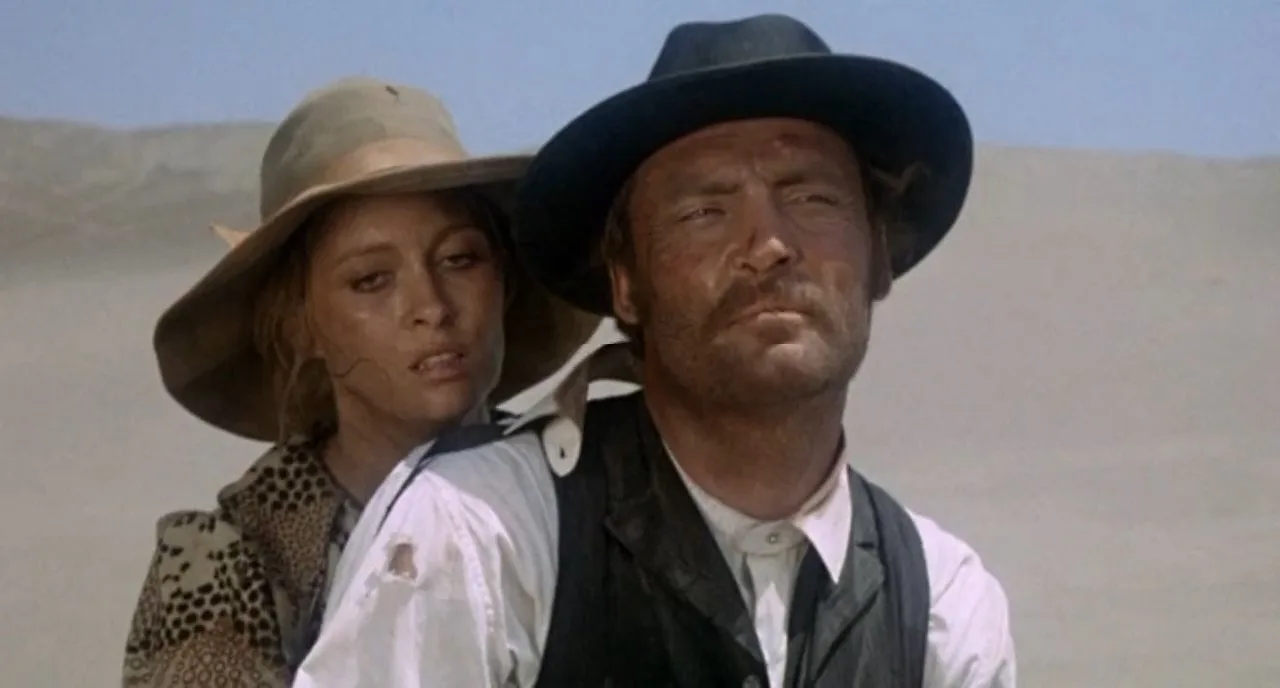
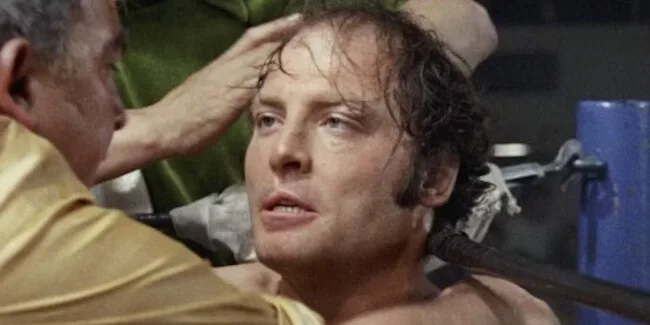
As Doc Holliday in “Doc,” Keach brings a melancholy, cynical quality that comes partly from his own experience. Keach was aware that the real Doc also had a cleft palate and a partial cleft lip. That personal connection informed the performance. The movie became, as The Guardian lays out, an attempt to debunk a western myth. John Huston’s “Fat City” showcased one of his most indelible performances as washed-up alcoholic fighter Billy Tully. Huston initially wanted Marlon Brando, but after Brando took too long to respond Huston moved to Keach, who was still a relative unknown.
“Huston was a wonderful director,” Keach said in a 2015 interview with The Film Stage. “Being an actor himself, he understood the process actors go through. He had very simple directions. He would say inevitably, ‘A little less,’ or, ‘A little more.'” But Keach was a stickler for perfection, and working with a filmmaker as revered as Huston put pressure on him. In that same interview, he said, “I always felt very uneasy because I would see myself in one take that I liked and then when I saw the final cut that take was not used, and it would make me sad. Now I just do the work and forget about everything else.”
How much of Keach’s unsparing view of himself and his performance stems from childhood bullying he experienced as a result of having a cleft lip? ”Only when I was maligned and teased by kids did it bother me,” he said in an interview with Fox News, “[but] I became an overachiever as a result of that. I had to excel in sports to make up for that. It was a motor. It gave me an incentive to do better.”
This is something a lot of disabled kids deal with, myself included: the desire to be perfect everywhere. so that others can’t find fault with anything but what you can’t change about yourself. Though Keach’s experiences aren’t on par with those of a wheelchair user, they do show the interconnectedness of disability with facial disfigurement and other types of physical differences.
As Keach said later in life, he eventually became comfortable showing off his scars, particularly in roles where the character had to showcase a baseline of vulnerability. Without Keach, it’s hard to imagine the lengthy and varied filmography of a star like Joaquin Phoenix, who has let his cleft lip scar be visible from the earliest years of his career.
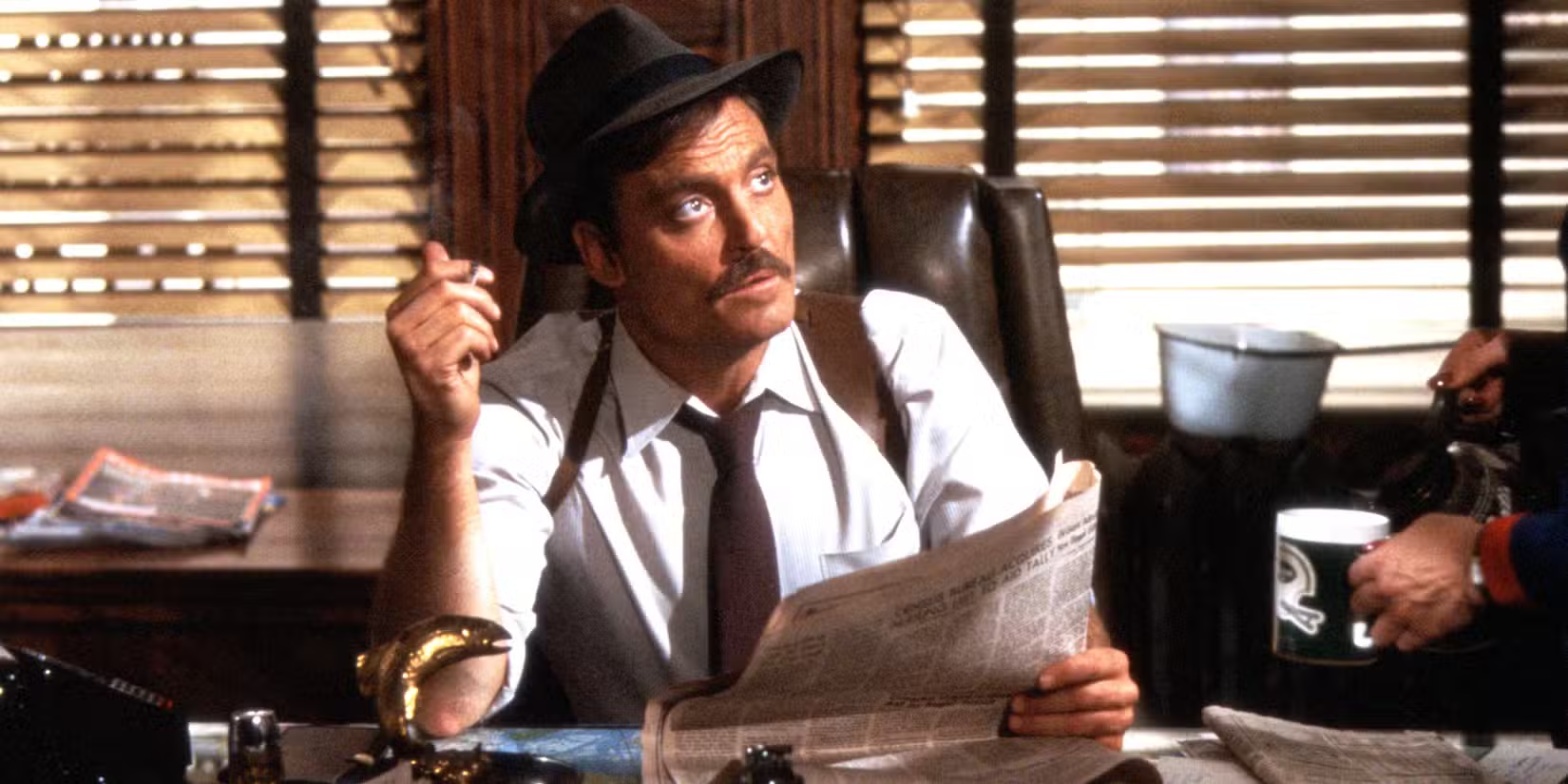
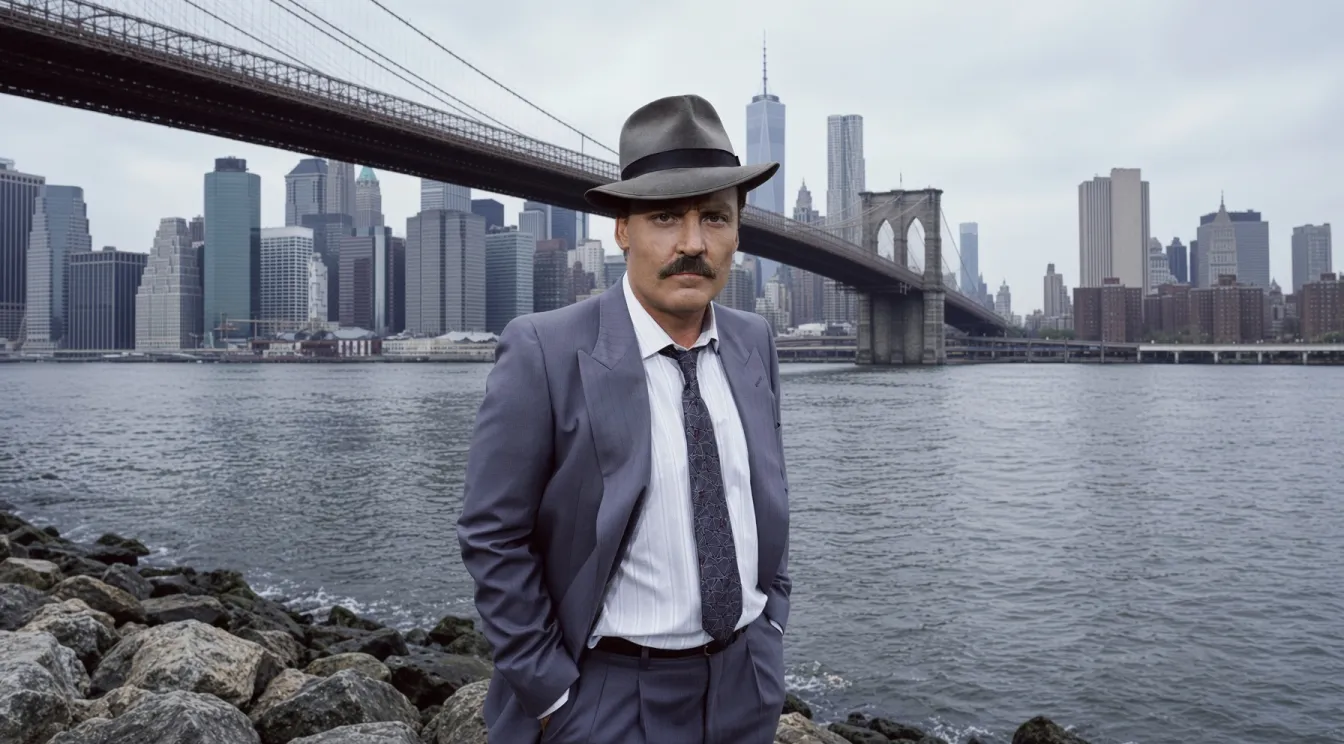
Keach’s biggest success as an actor was on “Mickey Spillane’s Mike Hammer,” a vehicle that combined all his talents and skills. It’s a tough private eye performance in the vein of Humphrey Bogart, who became a star despite childhood nerve damage from a botched surgery that gave him a lisp, reduced his expressiveness, and left him with a visible scar in the right corner of his mouth. In all of these success stories, Keach’s included, an actor turned a difference into a distinction.
Keach never stopped working. He always continued to experiment and play interesting characters. His was not necessarily the conventional trajectory of a Hollywood star. He endured personal setbacks, including a cocaine addiction that got him arrested and jailed in London in 1984 and shut down the production of “Mickey Spillane’s Mike Hammer” for more than a year. He frequently moved between illustrious projects and decidedly less prestigious fare.
But it will always be impossible for me not to think of Keach in the context of what he tried so hard to hide. It’s wonderful that he came to accept his facial differences. Many disabled performers saw that cleft lip and palate as a validation, however small, of their desire to act.