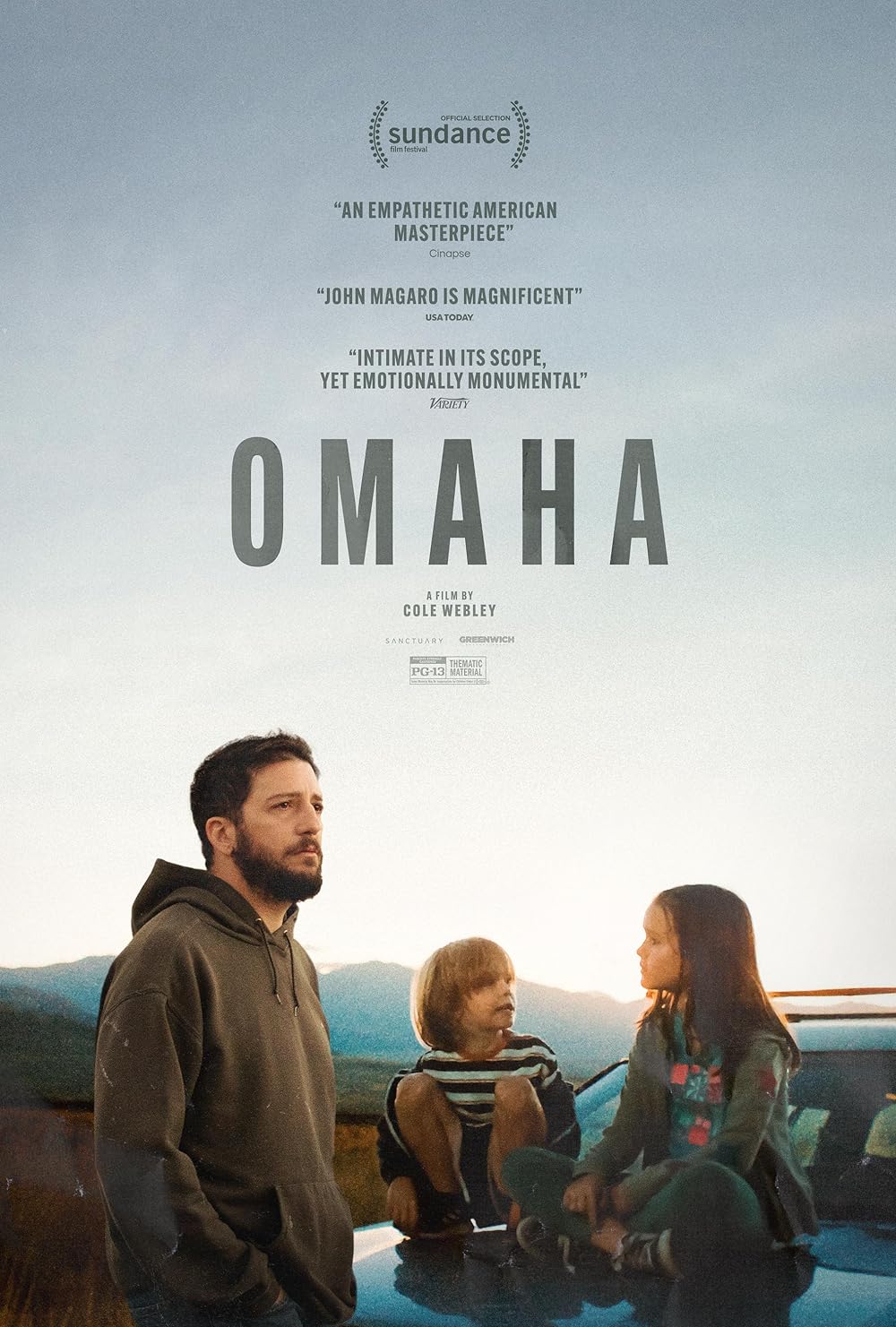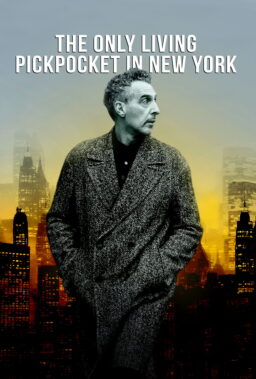


It takes a special screen actor to play a character who appears in almost every scene of a movie; is anxious, sad, or irritable in most of them; never talks about his feelings, and makes choices so upsetting that certain viewers might want to quit watching, but somehow leaves you thinking he’s not that bad of a guy. John Magaro is such an actor. He can currently be seen as the star of “Omaha,” a film about a single father in Utah who suddenly packs his two young children and a golden retriever into his rattletrap car and takes off for the Midwest, leaving the house and all but a handful of his family’s possessions behind, never revealing what he’s doing until he’s already done it.
Magaro appeared in a lot of movies and TV series since he debuted as an extra in Steven Spielberg’s 2005 terrorism drama “Munich“—subject matter he revisited in “September 5,” a film that put his name on the poster—but “Omaha” might be his peak to date. He carries the movie with confidence. There’s another movie, probably much bleaker, happening behind his eyes. You only glimpse it when the character, referred to only as Dad, is enjoying a rare quiet moment of solitude. Al Pacino, Gene Hackman, and Dustin Hoffman starred in a few films like this one that barely saw the insides of theaters but are now regarded as overlooked gems (watch “I Never Sang for My Father,” “Scarecrow,” and “Straight Time,” if you haven’t already).
“Omaha” is probably headed for that sort of journey. It’s intimate and quiet, sometimes to a fault. There’s nothing reassuring, much less commercial, about it. Judging from the period cars and clothes and the use of pay phones rather than cell phones, it seems to be happening a couple of decades ago, possibly after the 2008 financial collapse, which made even stubborn, resourceful individuals want to give up. Mom is not in the picture. “Omaha” takes its time revealing why—perhaps too much time: the audience’s racing mind leaps to the worst-case scenario when no other explanation is offered.
The cast is exceptional. Besides Magaro, the spotlight stays focused on the unaffected, believable work by the actors who play Dad’s offspring—Wyatt Solis as the boy Charlie, who looks to be about five or six, and Molly Bell-Wright as the older sister Ella, possibly nine or ten, who takes on certain maternal responsibilities—as well as brief appearances by actors who can give you an impression of a complete person even though they only get a handful of scenes to play. Talia Balsam glides in at the end, playing a stranger who witnesses Dad changing his life by destroying it. The film includes lots of little character-building details you may not notice on your first viewing, like the wispy tufts around the chin and jawline of Dad’s unkempt beard, the byproduct of nervous tugging.
Is the payoff of “Omaha” worth the trip the movie takes to get there? Everyone will have their own answer to this question, informed by their knowledge of film history and their own personal experiences. If there are any doubts that the screenplay is less researched and imagined than felt, it’ll be put to rest in a grocery store scene where Dad, who’s paying partly with food stamps, realizes he doesn’t have enough cash to cover the order, and trims the bill at checkout by removing items he wanted so the kids won’t have to give up theirs. A lot of parents (and former children) will feel seen by this.
Of course, that anecdote makes Dad sound generous to a fault, and he isn’t. He’s not as awful as you might have imagined near the beginning of the film, when you didn’t have access to the family’s whole story. But he’s confused and impulsive and doesn’t like having to justify himself his children, even though they’re often right. Belated access granted near the end of the movie retroactively softens the ugliness of earlier scenes in which Dad traumatizes the kids by doing shocking things he believes are in their best interests without warning, and without offering a persuasive argument for why they were necessary.
Dad’s decisions might have been more satisfying prompts for post-viewing discussions and arguments if the filmmakers had given us all the pertinent details of what, when, and where at the beginning, so the rest of the story could concentrate on the why. It’s got the perfect lead actor for that kind of exploration. That’s the movie I’d rather have seen. But this one is quite good: intelligent, serious, and focused on matters that children wouldn’t understand. The ending isn’t happy, but it feels right.