Roger Ebert gave Claude Lanzmann’s monumental, nine-hour Holocaust documentary “Shoah” a four-star review in The Chicago Sun-Times. But on the TV show he did with Gene Siskel, he decided not to put it on his list of the year’s ten best films because his gut told him that comparing it with all the other titles on his list would be disrespectful. The Polish documentary “Closure,” about a man’s search for his vanished teenage son, isn’t in the same weight class; few movies are. But after seeing it, you’ll understand where Roger was coming from.
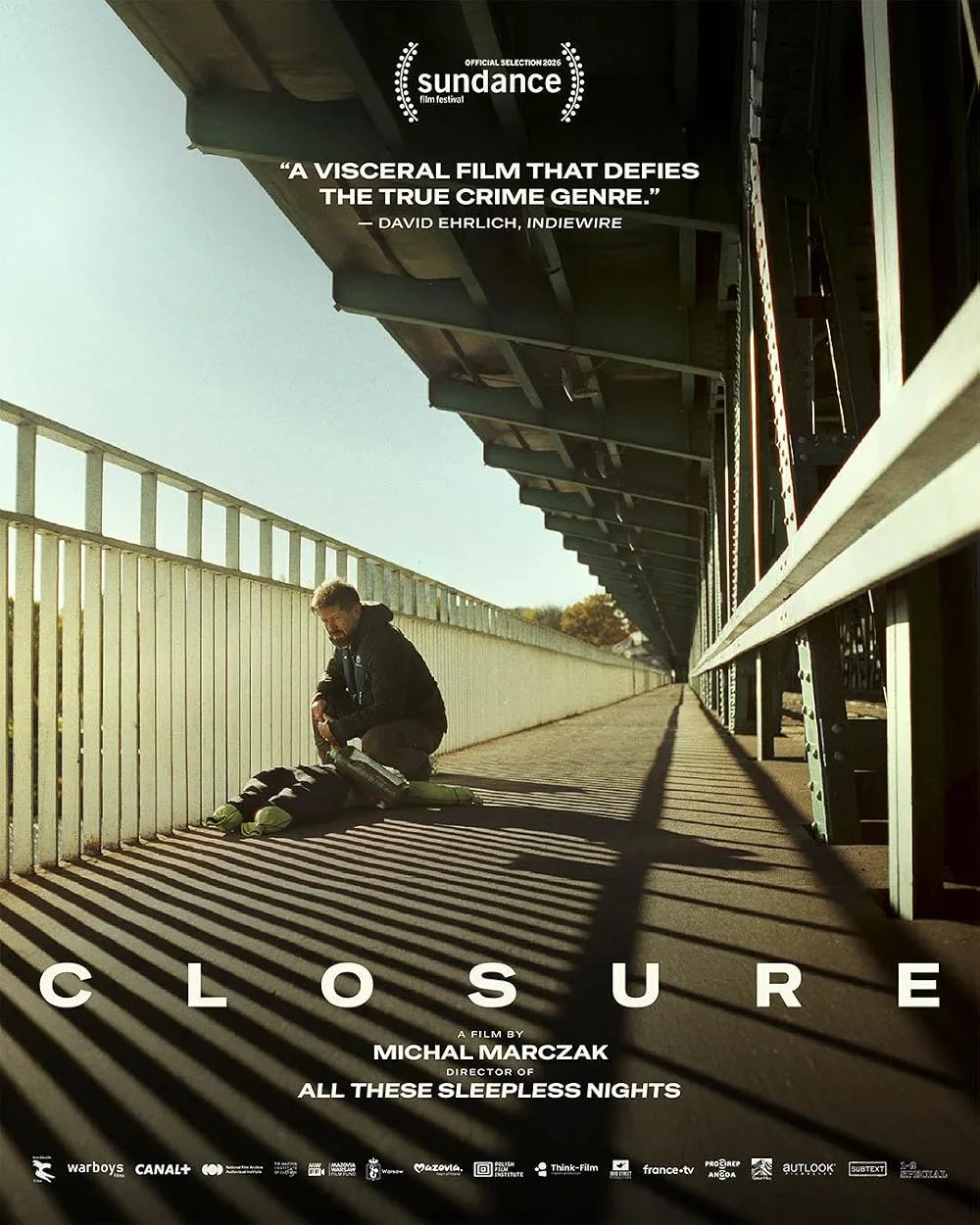
The project began in May 2023 when filmmaker Michał Marczak was scouting locations on the Vistula River for a dramatic feature and came across a search party that was trying to locate 16-year-old Krzysztof Dymiński, who had vanished after last being glimpsed by a surveillance camera on a bridge. Yes, vanished. The camera briefly changed angle, and when it returned, Krzysztof was gone.
Subsequent investigations showed that it was possible to get from Krzysztof’s last known location to a spot just off the bridge and beyond camera range in less time than it took the camera to change angles and return to its first position. But the young man didn’t seem to have done that. If he had, somebody surely would have seen him, and he would have called or texted someone for whatever reason. True crime speculators thought maybe it was a suicide or a murder. But the only solid answer anyone could give based on the available evidence was, “we don’t know what happened.”
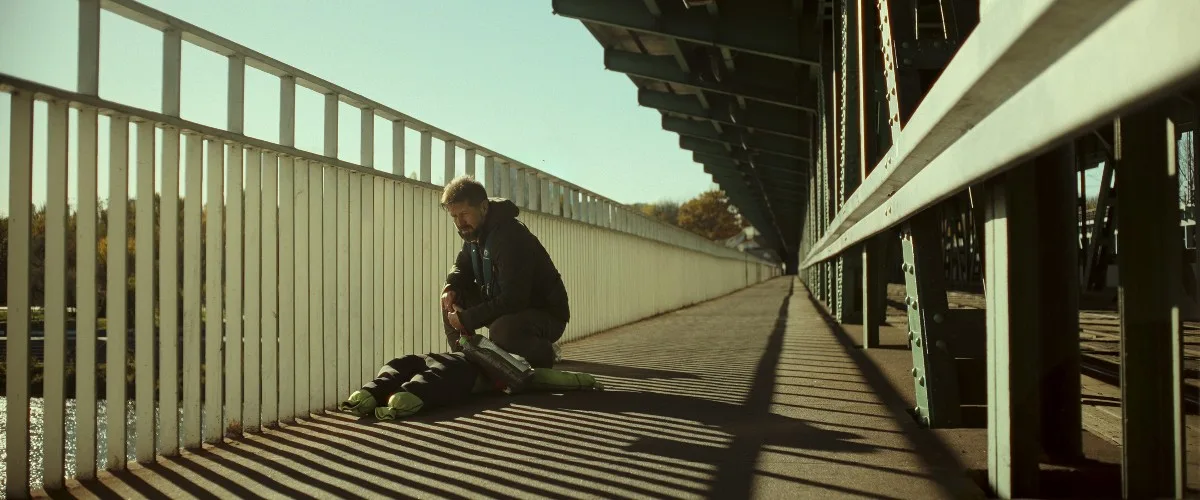
After police and other government authorities gave up and quit searching, Dymiński’s father Daniel turned into a broken-hearted Ahab-like figure, scouring the Vistula River by boat at all hours of the day and night, in hopes of locating either a body or some piece of evidence that would tell him what became of his son.
Daniel and his wife Agnieszka leveraged their authority as the missing person’s parents to keep the story alive in the media and online. But they eventually run into one of the hardest truths of this life: when you lose someone very close, you never entirely get over it, but almost everyone else does. That’s human nature.
Marczak turned his alliance with the family into raw material for a stripped-down consideration of what a trauma like this does to people. The cinematography is drained of color. The dominant texture is somewhere between a paper grocery bag and shadows cast by an oil lamp. The compositions are wide and narrow (epic format), but the situations are intimate and both physically and emotionally static. Even when we’re on the river, the movie feels constricted. It’s not right to say “nothing happens,” but this movie is absolutely about stasis.
“Someone told me I should ask the river to give back what it took from us,” Agneskia says. “Deep down,” Daniel muses on the river, “I feel I’ll find him any moment now. But this is just a feeling, you know. A cry for help, for consolation, imagining it’s finally going to happen.”
The boldest stroke is the filmmaker’s decision to leave out photos and videos of Krzysztof, with only a few exceptions. The movie also doesn’t lean on the CCTV footage from the last time he was seen alive. Snippets of TV news stories appear as audio only, laid beneath images of the parents going about their daily lives, or the father prowling the waters. You may feel a great weight pressing down on you once you’ve gotten to the halfway mark.
Is it commendable or regrettable that the movie took this intensely sorrowful story and made it into a razor-edged, mournful art project with ironclad rules for how things should be depicted? The filmmaking choices don’t so much evoke the suffocation of grief and living inside a question mark as they do suffocate the audience.
It’s original, for sure. I’ve seen a lot of TV news-style missing-person stories told more traditionally, but never one told like “Closure.” But how much of a compliment is that? I honestly don’t know. This movie tore me up. It also made me wonder if the entire thing isn’t fundamentally misguided. I also wondered what the family felt about it, beyond gratitude for helping get the story out there and keep it going. When the director isn’t around, do they sometimes complain that although he’s a great guy who made a great movie, he still should’ve shown their son, because it might’ve helped move the case forward?
I have misgivings about the form, but not the authenticity of the emotions captured onscreen, which are true and overwhelming. You may be reminded of stories, past and present, foreign and domestic, of victims who were abducted and “disappeared” by authoritarian governments. Those who have been through such an experience and have also lost loved ones to murders, war, and executions say that a disappearance can be (perhaps counterintuitively) more disturbing. At least when there’s a body, you know what happened, more or less.
Not so with disappearances. The seasons come and go. Everyone gets older, except the vanished person, frozen in pictures as they were last seen. The family wonders whether their beloved is alive and, if so, whether they’re suffering. The not-knowing is its own form of torture.
Even if the authorities or the family had located Krzysztof, or his body, the story wouldn’t have ended. The title is ironic. There’s no such thing, except in fiction.