After looking for a good whistleblower movie to watch with my almost-lawyer daughter, we settled on Michael Mann’s “The Insider” (1999). I have a soft spot for whistleblower movies, including “Serpico,” “Dark Waters,” “Official Secrets,” “Spotlight,” and “Snowden.” Their protagonists tend to be the closest thing we have to otherwise ordinary real-life superheroes fighting unstoppable forces. Despite being a quarter-century old, Mann’s film has remarkable timeliness as current forces seek to unravel well-established constitutional protections in our nation. We see it everywhere, including in the conflict at the core of CBS News today.
As is the case with most of Mann’s movies, it begins with the stars at work: Vincent (Tom Cruise in “Collateral”) tracks a person across the city while cab driver Max (Jamie Foxx) starts his shift. Neil (Robert De Niro in “Heat”), dressed as a paramedic, leads a heist.
In “The Insider,” blindfolded journalist Lowell Bergman (Al Pacino) meets Ayatollah Husayn Fadlallah to open the film. Despite his skepticism over “pro-Zionist American media” and his demands for questions in advance, Bergman convinces him to agree to an interview about Hizbullah. With the current events of Israel, Iran, and Lebanon, this is as relevant now as it was then.
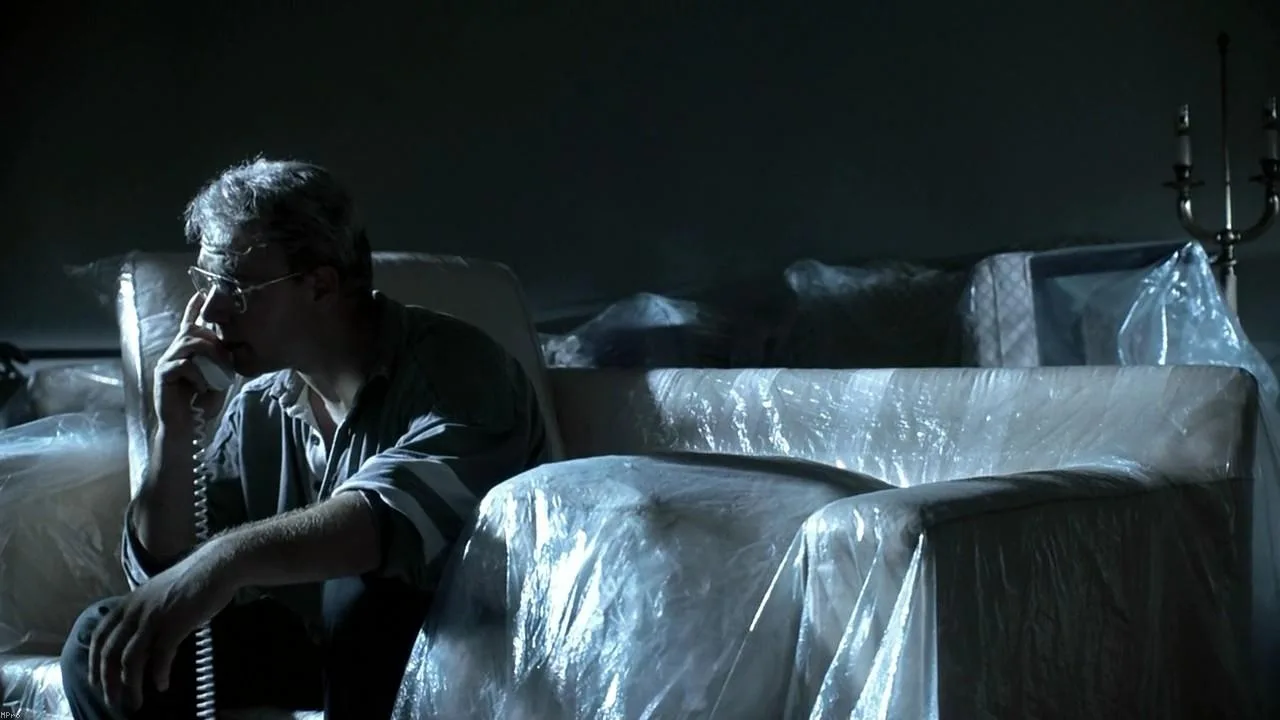
The story that follows centers on two men: Dr. Jeffrey Wigand (Russell Crowe), a quiet man of science who loses his Louisville job at tobacco leader Brown & Williamson because of his hot temper and abrasive personality, and Bergman, an old-school journalist who is producing segments for our most respected news show, “60 Minutes,” investigating multiple stories at the same time.
As Wigand loses his job, Bergman reaches out to him on a different story. Persistent despite cold dismissals, Bergman figures out that Wigand hides something much more serious: the tobacco companies have been lying about the health detriments of their products. The companies knew not only that nicotine is poisonous and addictive, but they made cigarettes even more dangerous by adding ammonia to increase their potency.
Wigand sees himself as a serious Boy Scout. He asserts, “I honor agreements.” When his former employer, however, challenges his integrity by demanding he sign multiple nondisclosure agreements (NDAs), he transforms into a jilted lover, wanting revenge despite those agreements he claimed to honor. Bergman, however, honors one type of agreement, perhaps the most important for a journalist: loyalty to truthtellers, to whistleblowers, and to those vulnerable against inhuman institutions.
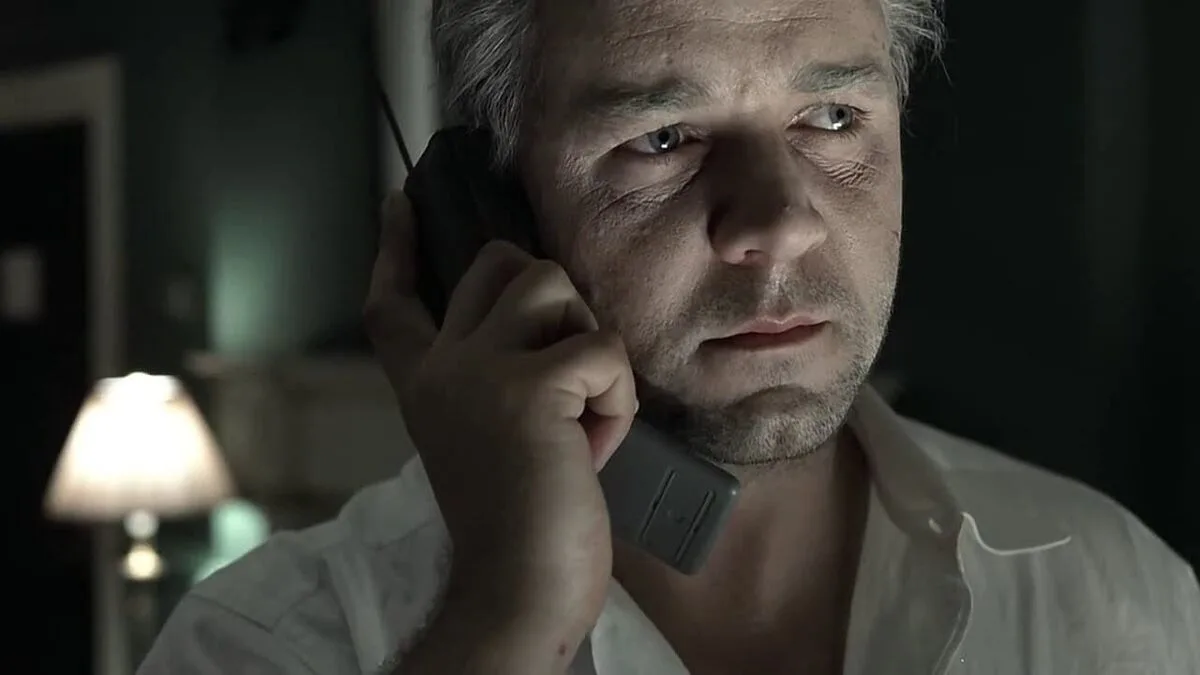
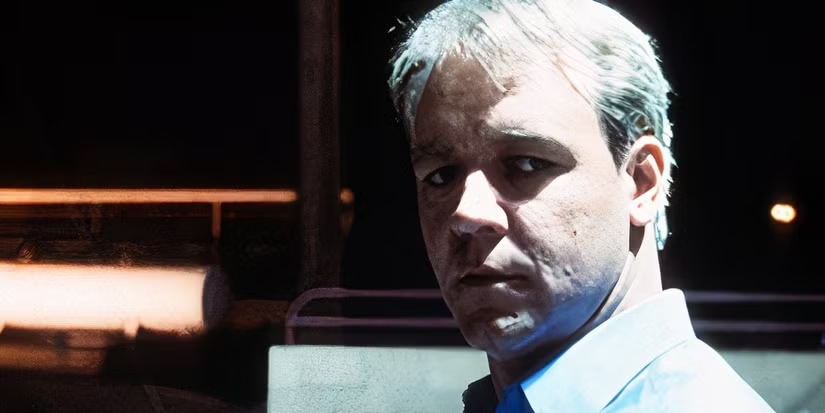
Dante Spinotti’s camera captures the two characters very differently. Wigand often feels like a character in a horror movie; Spinotti stays ultra-close on his face, distorting dimensions as he falls into deeper paranoia. On the other hand, Bergman exists in a different aesthetic, one in which he is one with nature. He confronts Wigand in a rainstorm, soon calming him, and even the precipitation. Such interactions—a terrified Wigand calling on a calm Bergman to stabilize both him and the film’s visual language—become the norm for their relationship. But it can’t stop what’s coming.
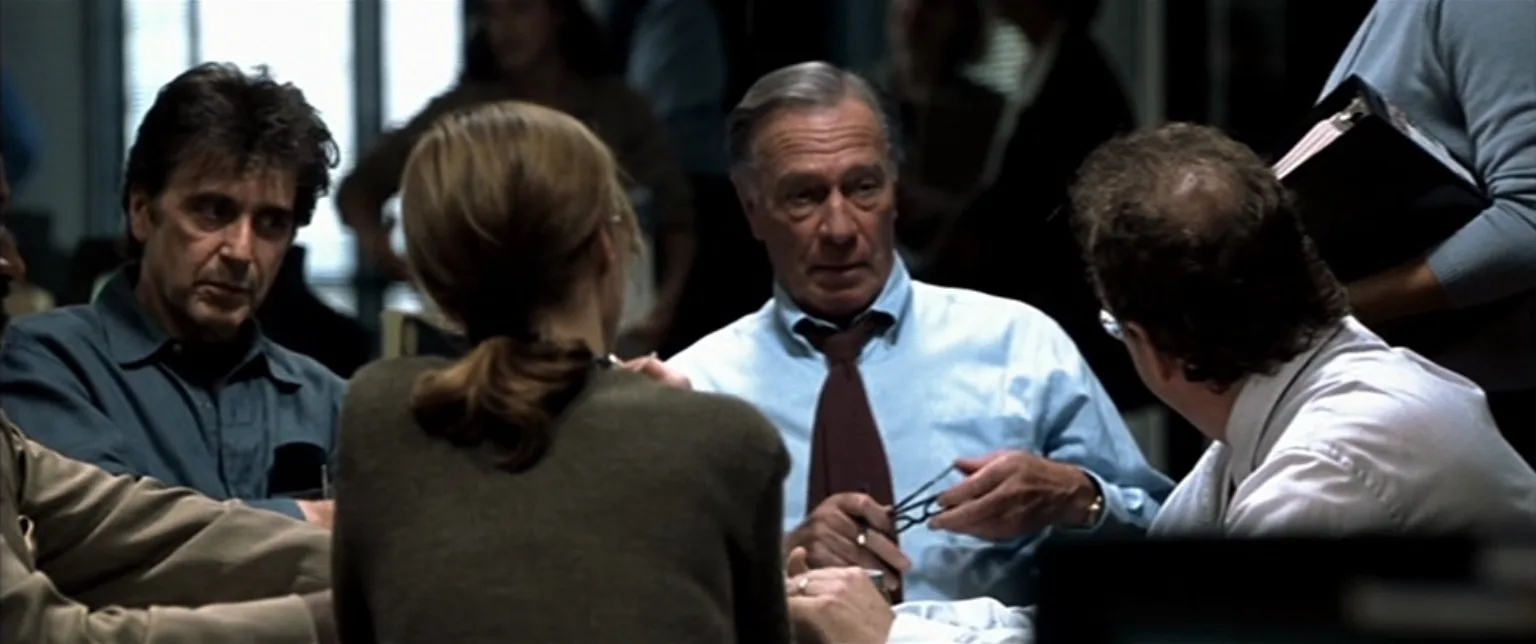
As Wigand loses his family, Bergman strategizes with his long-time team, comprise of a veterans and experts that includes fabled broadcaster Mike Wallace (Christopher Plummer), one of the last in a line of great journalists who were not afraid to confront risk-taking reporting. Some journalists today bypass this type of reporting in favor of the instant joy of reels, tweets, and influence. Who is today’s Cronkite, Murrow, Walters, or Wallace?
And consider “60 Minutes.” Was there a show in American television history as respected? While Wigand’s war is against the tobacco industry, whose leaders he calls “the Seven Dwarfs,” Bergman faces a war against his employers at CBS. The tobacco companies are so wealthy, and thus so powerful, that they could sue CBS so aggressively that they could soon own it. It didn’t help that CBS was facing a sale to Westinghouse.
Now, consider the contemporary plight of CBS News and “60 Minutes” in the 2020s. It is a textbook process of authoritarianism when an aspiring pharaoh seizes control of the important institutions of their society, including universities, banks, and the press. Our current aspiring world leader has seemingly done the same with excessive overtures toward the self-proclaimed “Magnificent Seven” tech leaders—Alphabet (Google), Amazon, Apple, Meta (Facebook), Microsoft, Nvidia, and Tesla—who drive the digital world.
He or his trusts made stock trades, purchasing numerous shares of such companies. A few of these CEOs accompanied Trump during his visit to China. While he applied tariffs to some products, he exempted others. It follows that Trump facilitated a purchase of TikTok’s US operations by American investors, including Larry Ellison, the head of Oracle. Ellison also purchased Paramount, which owns CBS News, placing Bari Weiss, who had no experience in broadcast journalism, in charge.
In the last year, the leadership of CBS News pulled a “60 Minutes” segment about the administration’s immigration policies, including a report about deportees being sent to the notorious CECOT prison in El Salvador. In my role as a Chaplain, I have spent more time than most people with victims of this policy and can confirm the obvious: the administration continues to deceive. Less than a year later, one of the program’s most prominent voices, a potential modern Bergman in Scott Pelley, was fired when he refused to kiss the ring.
Even in 1999, CBS modified the “60 Minutes” segment about Big Tobacco profiled in “The Insider.” At first, they removed Wigand’s interview. And, of all people, Wallace supported the decision.
The consequence is that they abandoned their star witness, as well as his trial. And even though Wallace changed his opinion, and even though they later aired the original segment, these events broke Bergman, just like the months under the new regime broke Pelley. While Wigand did attain the vindication he sought, Bergman decided that Wallace and “60 Minutes” crossed a line that could not be recovered: in essence, they made Bergman break his word.
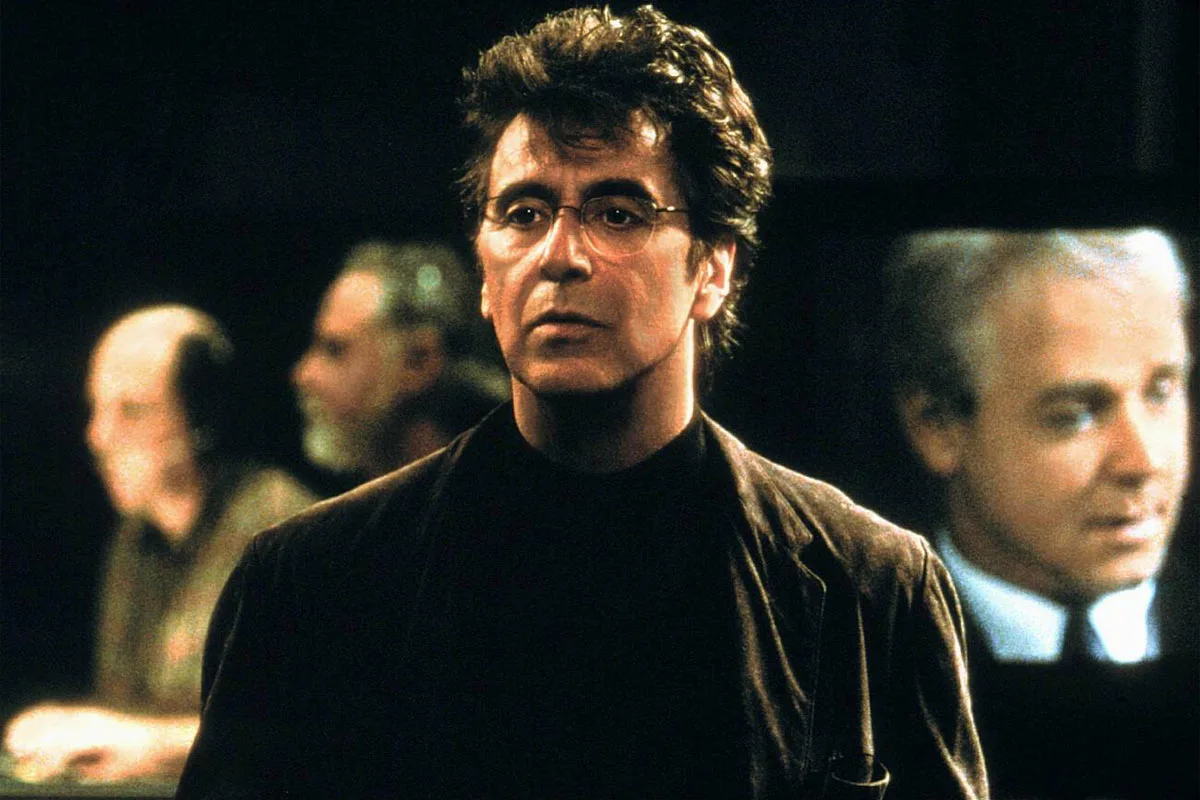
I identify with Michael Mann’s universe. His films are often about two men: two monks dressed in the clothing of regular people. Here, we have men who are foils for each other, who are defined by their jobs, whose lives make them isolated, ascetic figures. They follow strict, idealistic codes of life. Likewise, part of the joy of his films is in the meticulous procedure, whether robbers study a bank, a hitman finds a target, a boxer trains for his toughest opponent, or journalists research a lead.
Maybe I am fond of whistleblower movies because, in my decades of community work, I have been exposed to mismanagement and misconduct that never cease to break me. I am no saint, I am no hero, and much of my work is in the profession of religion, so I die inside each time I come across the misconduct of a preacher or a leader. Each time, I feel it is vital to protect the victims. I don’t know that I watch these movies because I regard myself as a whistleblower, or that I need to share in the trauma of facing such a situation.