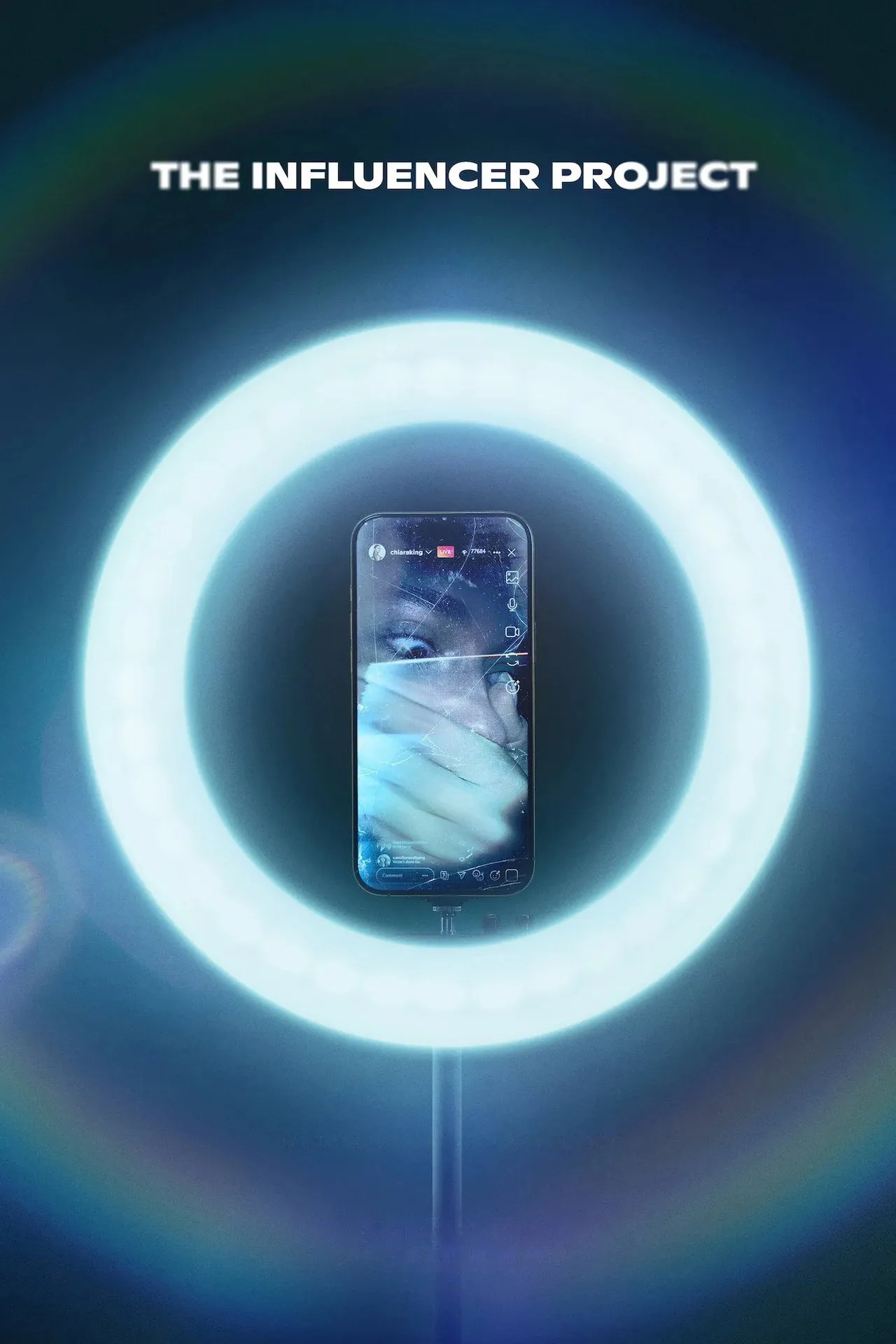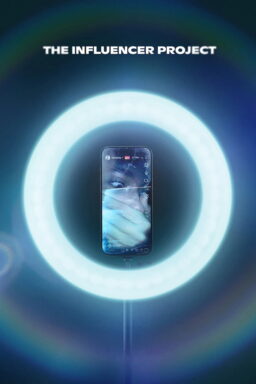
Alma (Ronja Hauge Schierup), a teenage girl, ties a noose around her neck and hangs herself on a live-streamed camera feed at the start of “The Influencer Project,” a mostly by-the-numbers social media chiller. But Alma isn’t the star of the movie, a found-footage cautionary tale about a young social media personality and her quest to amass ten million followers.
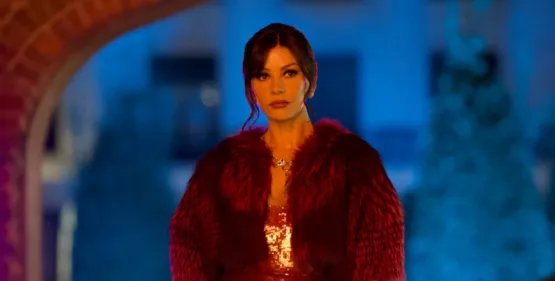
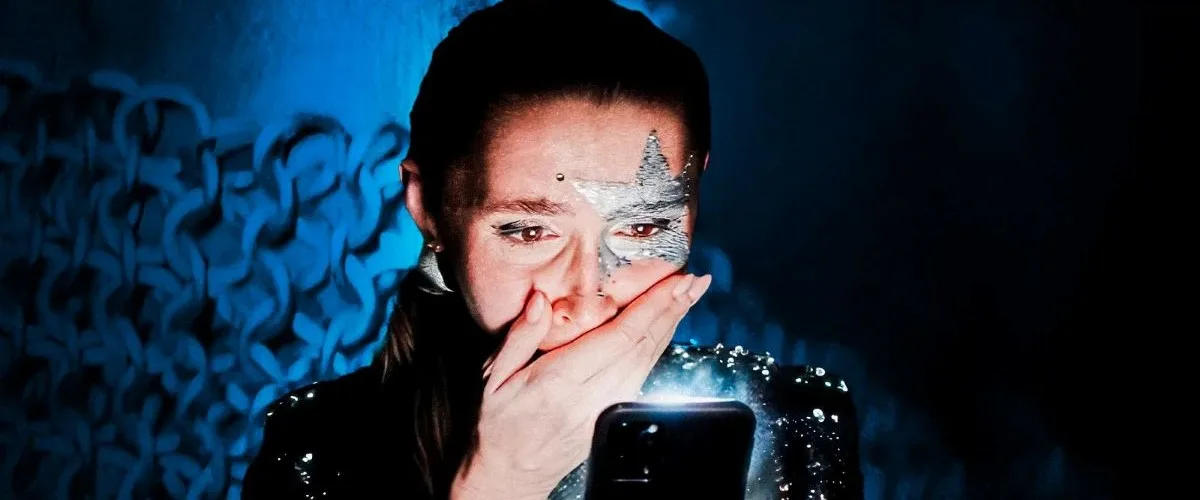
Still, as you might imagine, the plot of “The Influence Project” forces in-demand Instagram celebrity Chiara (played by real-life influencer Chiara King) to consider the ties that bind her with little people like Alma. Unfortunately, the plot’s just another hoary, pseudo-moral potboiler that pits Chiara against a masked stalker.
The main novelty about “The Influencer Project” is that it’s presented through social media posts and videos, as well as multi-media press events that occasionally go awry. In this overstimulating context, the one thing that’s clear about the filmmakers’ perspective is what will probably seem obvious to anyone who hasn’t been living under a rock quarry for the past 30 or so years: the superficial nature of online social interactions can sometimes give users an equally dim view of reality.
So while Chiara and her collaborators scramble to find and stop a stranger named King_slayer_xx99, who threatens to rape and murder King’s stand-in, Chiara’s fans go through the motions of following her exploits, from generic “We Stand with Chiara” hashtags and video posts to rubbernecking snark once things go awry, like the one excited commenter who declares that the movie’s violent climax is the “Best livestream ever!” I can’t imagine horror fans need more excuses to either cheer or tsk-tsk Chiara for her inevitable misfortunes. Anyone else may feel cheated, since the makers of this dull potboiler spend more time approximating Chiara’s hyper-mediated world than ripping it apart.
“The Influencer Project” does admittedly have a couple of generically upsetting highlights, particularly a dizzying chase set at a busy convention. But even that brief sequence only works when Chiara and her collaborators frantically survey a crowded space while using a predator’s live-streamed social media feed to locate and trap him. That scene loses steam once it becomes a visually unappealing foot chase.
Chiara isn’t an especially interesting protagonist. Her creators never let us lose sight of what motivates her, so every so often we’ll see Chiara’s online follower count go up. They also make sure we know she isn’t exactly a babe in the woods, like in an establishing scene where she tells us that, to reach ten million followers, you have to do something “no one else has done before, which I’m willing to do.” Chiara’s glad-handing agent, Alice (Jazmine Summer), also provides pseudo-normalizing context, praising her and offering moral support throughout.
Unfortunately, Chiara’s ponderous rise to fame doesn’t explain why she’s so eager to be this online. Casting King might’ve been a conceptually intriguing gimmick, but her role’s never more compelling than when she’s reacting to King Slayer’s threats. Likewise, while King’s presence lends some authenticity to scenes where she prepares to sell herself to a vaguely defined audience, she only seems so genuine given how much time she spends acting like a passive victim.
The rest of the plot relies so much on hacky contrivances that it rarely connects Chiara’s plight with her chosen lifestyle. We see Chiara tour a handful of Danish stores and attractions, all led by eager, camera-ready ambassadors. Her film crew and support staff also provide fairly basic feedback, mostly to support Chiara. They eventually receive more ominous photos or videos from King Slayer, and then Chiara vows to “face this sick man, and stop him once and for all.” Then the filmmakers devote more time to Chiara’s underwhelming confrontation with King Slayer.
You might be wondering what somebody like Chiara owes to her audience. Or how an online community might safeguard children like Alma so that they don’t take away all the wrong lessons from Chiara and her flimsy parasocial relationship with her followers. Questions like that don’t find meaningful expression in “The Influencer Project”, though they do give the filmmakers a pretext for some needling twists along the way.
In that sense, “The Influencer Project” doesn’t even work as a provocative conversation starter since it’s just as uninterested in questions raised by the European Union’s proposed under-13 social media ban as it is in making Chiara seem like a psychologically complex character. And while you might not expect your core values to be challenged by the movie’s end, you might also be frustrated to see the filmmakers consistently choose the least involving ways to complicate this largely rote scenario. It looks bland, doesn’t make much sense, and takes its time getting you to places you’ve been several times before. I blame society.