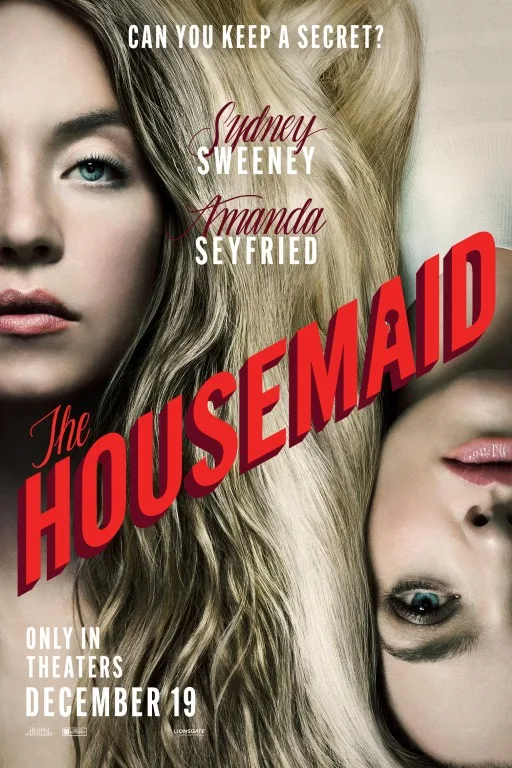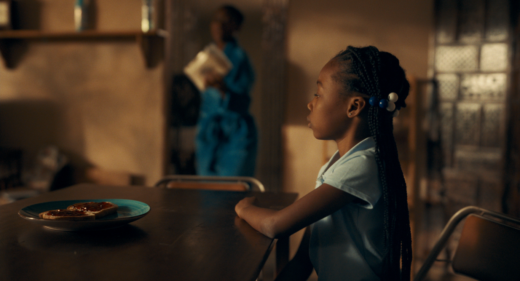

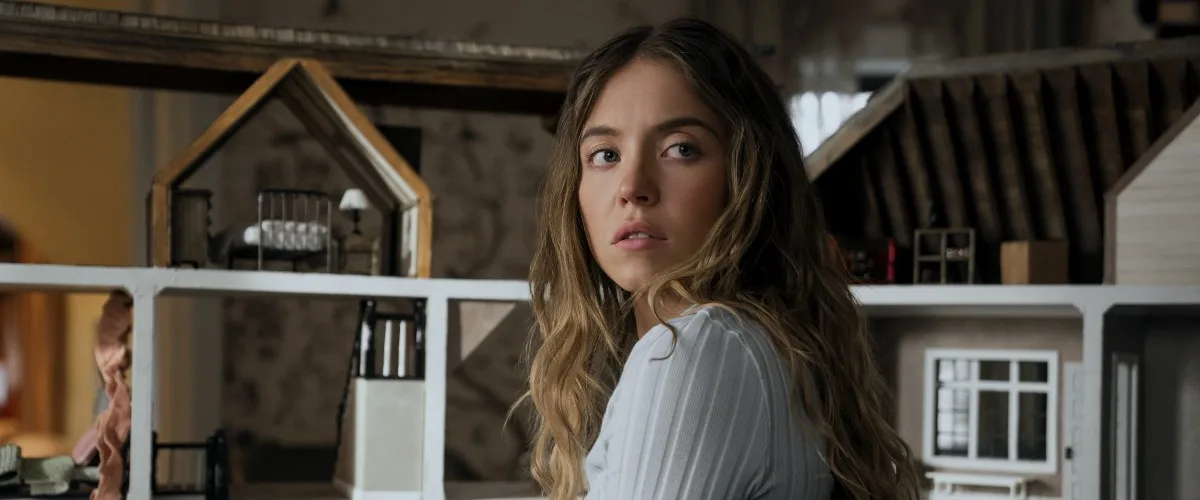
Based on Freida McFadden’s book, Paul Feig’s adaptation of “The Housemaid” is a pulpy thriller with a few unexpected twists and turns, but alas, isn’t as fun as it seems. It’s not an unenjoyable ride, but there’s a lingering sense that it could have been made a bit more fun and campy along the way. Since “The Housemaid” is from the director of movies like “Spy” and “Bridesmaids,” I had hoped for some fun.
In “The Housemaid,” Millie (Sydney Sweeney) is down on her luck, on probation, and desperately seeking steady employment as a condition of her release. One day, she lands a lucky job interview with Nina Winchester (Amanda Seyfried), a smiling housewife in a big house on Long Island, who needs help looking after her daughter and keeping her nearly all-Pantone-white house in order.
Nina eagerly offers her the live-in position, and the gig seems like the answer to Millie’s prayers—until the next morning. Nina suffers a meltdown so significant over handwritten notes for a PTA meeting that only her husband, Andrew (Brandon Sklenar), can calm her down. Tensions escalate as Nina plays mind games with Millie, and Andrew takes more than a passing interest in the new woman in the house. When Millie and Nina’s rivalry comes to a head, Millie soon learns the real story behind this fairy tale couple.
Feig, who previously ventured into the suburban mom thriller genre with “A Simple Favor” and its sequel “Another Simple Favor,” relishes the story’s twists and turns, hitting them at full speed for maximum audience reaction. Some of these gasp-worthy moments land better than others; a few others were met by groans from an audience who caught the telegraphed surprises too easily. Rebecca Sonnenshine’s screenplay doesn’t lose sight of the main characters’ class dichotomy and how it weighs heavily on their decision to cozy up to wealth.
But the first half of the movie feels more like a straightforward drama, with only Seyfried leaning into the narrative’s camp potential. By the end, the tone shifts, and it’s no longer “It Ends With Us” but closer to the fun of “A Simple Favor,” which is both a welcome change and a tease of what might have been had the movie aimed for a campier spirit closer to something like “May December.”
Seyfried is the star of the movie by a large margin, playing Nina’s unhinged behavior to almost horror movie absurdity. She puts on every half-cocked mean girl smile, every form of teary-eyed sobs, and unblinking rage with vicious ease, utterly washing out her too subtle to register costars. Sweeney seems to be sleepwalking through most of the film, completely changing into another character for its climactic finish and finally showing up to have some fun in the role.
Oddly enough, it’s a baffling shift in character in a way that Seyfried’s erratic performance isn’t. It would have been much more enjoyable to watch someone match Seyfried’s intensity, even if it meant for her to stay calm yet bewildered in the face of so much chaotic energy. As the movie’s hunk, Sklenar keeps his character relatively bland and unexciting. He’s just nice until he’s not, and his obvious moves towards Millie fall short of a Mr. Rochester-style connection, although there is a bit of “Jane Eyre” in the DNA of “The Housemaid.”
“The Housemaid” doesn’t quite get as silly and tawdry as it needs to, but it immensely improves in the film’s last third when Sweeney comes out to play. By then, at least the movie steps aside from so much foreshadowing, like highlighting the McMansion’s winding staircase, to let these actresses have a go at behaving badly in tailored dresses and stilettos. At times, the editing looks a bit choppy, stitching all the pieces together, and the dialogue earned some unintended laughs from the audience. Still, ultimately, it wasn’t enough to detract from the fun of well-dressed white women in the suburbs finally standing against the real villain in the story.