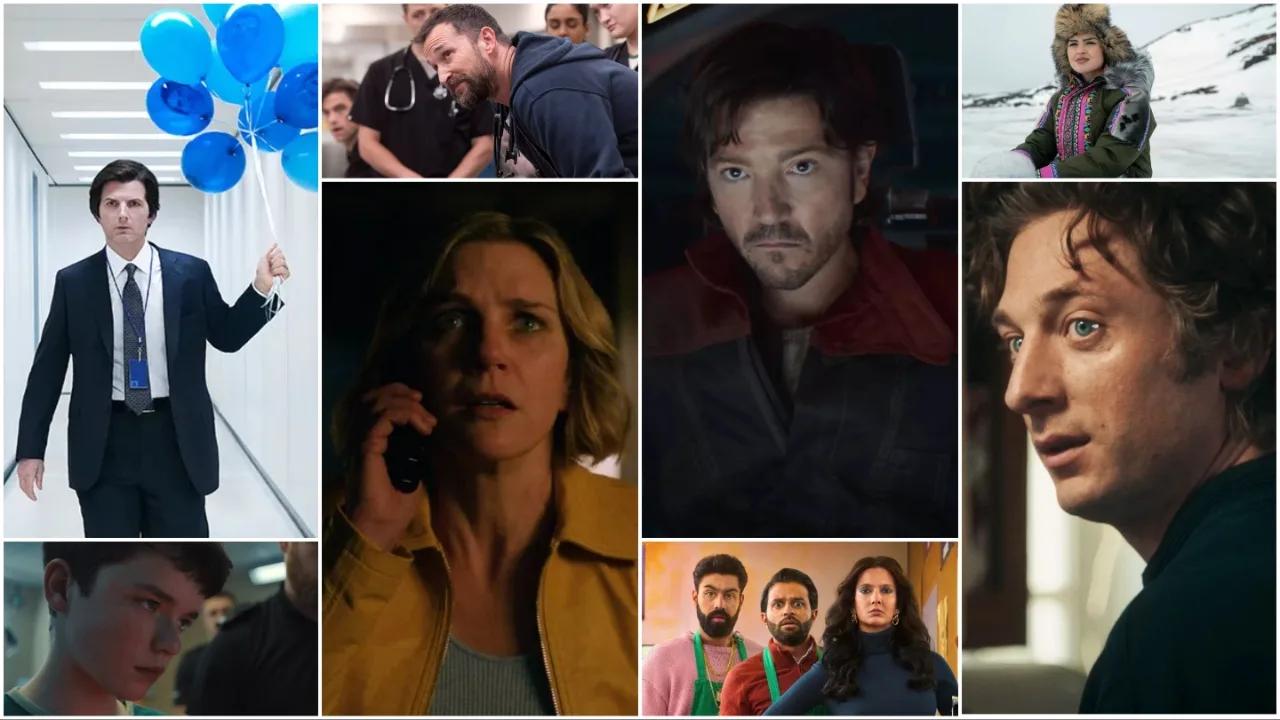
It’s that time of year when critics look back and try to capture the quality of an entire art form in one feature. Was it a good year for TV? Sure. Great? Maybe? It feels like the top of this list contains programs that will undeniably be remembered when we’re discussing the best of the decade or even of their entire era, but it’s not extreme to suggest that there was more “good” this year than “great.” Although that’s not the end of the world. The truth is that almost every streaming service had something to justify its cost with Netflix, Hulu, Prime Video, Apple, and more making this list of the best of the best. As the market gets more diffused every year, it can be hard to find what’s truly worth watching. We’re here to help with our staff picks for the best 25 shows of 2025, and where to watch them.
25. “Clean Slate” (Prime Video)
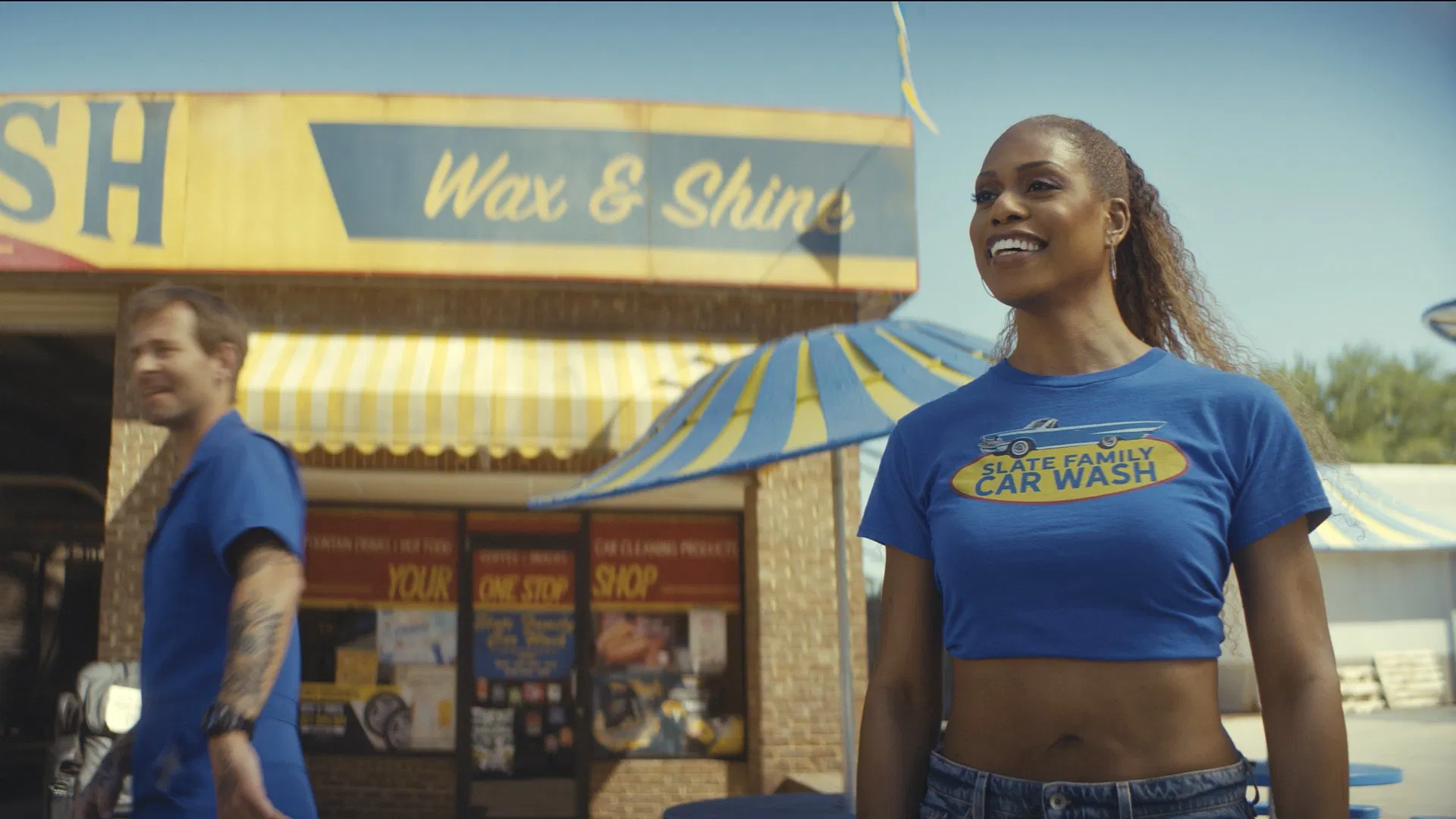
“Clean Slate” is the definition of feel-good television for a progressive crowd. In the series, Desiree (Laverne Cox) returns to her southern Alabama hometown for the first time in 17 years and reunites with her old-school, outspoken father, Harry (George Wallace), who learns that she is now a trans woman. Despite her father’s initial shock and a few instances of insensitivity and transphobia, the pilot concludes with Harry accepting Desiree as his daughter.
The last show that the late Norman Lear made is a progressive family sitcom about the new school vs. old school coexistence. The show is grounded in a decent, sitcom-fueled social commentary on Southern Black culture (such as voter suppression and transphobia in Black churches), despite its lighthearted nature. It also has a good set of supporting characters, such as Desiree’s best friend from childhood, Louis (D.K. Uzoukwu), who is a closeted gay man who serves as a choir director at their church, and Mack (Jay Wilkison), a charming employee of Harry’s at the car wash who takes a romantic liking to Desiree.
But “Clean Slate’s” true heart and soul stems from Wallace and Cox’s familial chemistry. His quintessential Southern bluntness clashing with her dry-witted line delivery lends to some classic, sweet-natured comedy. -Rendy Jones
24. “Running Point“ (Netflix)
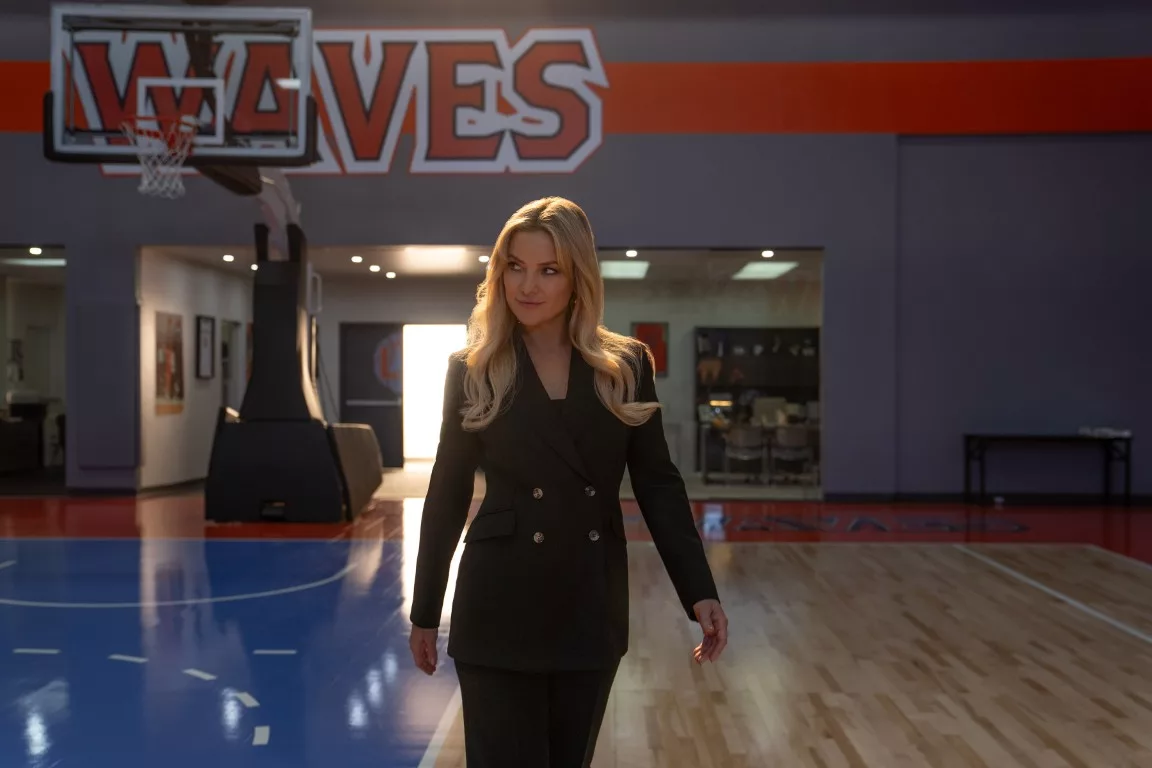
This Netflix sports comedy plays like a light blend of “Ted Lasso” and “Succession,” with Kate Hudson lending her signature charm and natural on-screen ease to the Jeannie Buss-inspired role of Isla Gordon, the newly appointed president of the fictional Los Angeles Waves pro basketball franchise. “Running Point” wisely keeps the basketball scenes to a minimum in favor of a traditional workplace sitcom, featuring a packed (and perhaps overcrowded) group of supporting players who bounce sharp-liners back and forth, with Isla, well, running point on much of the humor. Standouts include Brenda Song in a sparkling and hilarious turn as Isla’s best friend and chief of staff, Ali; Fabrizio Guido as Jackie Moreno, a popcorn vendor who suddenly becomes a member of the Waves family; and Toby Sandeman as the LeBron-like veteran superstar Marcus Winfield. Kudos as well to Chet Hanks, who pokes fun at his own image with the role of Travis Bugg, a point guard and wannabe rap artist with a monumental ego.
“Running Point” is mostly breezy, but over the course of the season, we come to know these characters on a level that allows us to buy into the more serious developments. We have good reason to believe the sophomore season (coming in spring 2026) will build on a promising rookie campaign. –Richard Roeper
23. “The Righteous Gemstones“ (HBO Max)
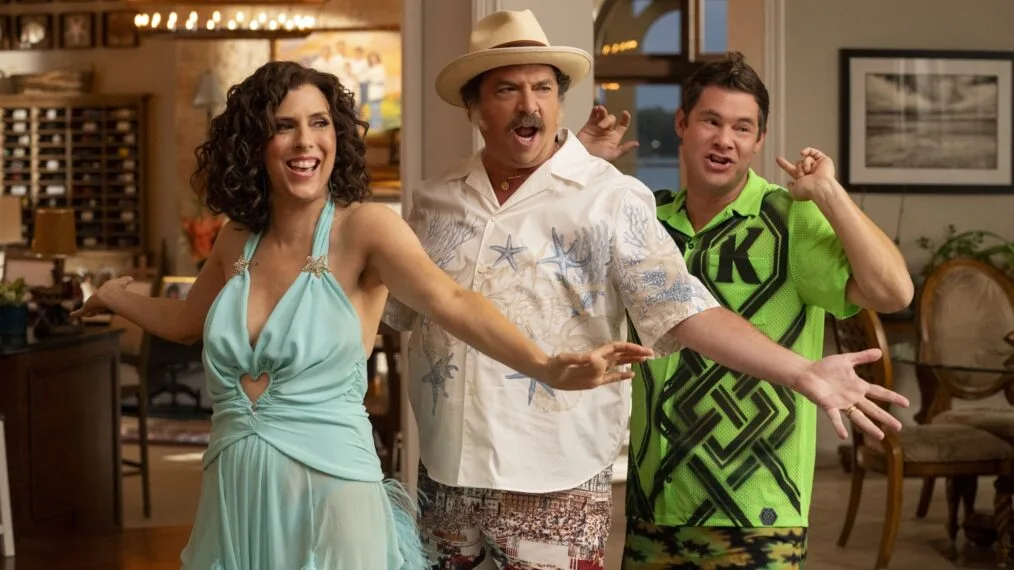
Danny McBride enjoys risk. But on “The Righteous Gemstones,” the series he created and co-executive produced, which ended after four seasons on HBO this year, he asked a simple question: What if a family of scheming, foul-mouthed, petty, sadistic, avaricious evangelicals were just profoundly damaged people? What if their worst impulses were just masks for performativity, concealing the pain and loss within? What if one family’s path to God’s love included cocaine, blackmail, a succession crisis, and a YA film about Christ called “Teenjus”?
Over four seasons, the Gemstone family, including MVP Baby Billy Freeman (Walton Goggins, praise be), doled out belly laugh after laugh, hit song after song, while asking the audience to consider what lies beneath the outward idiocy. Given McBride’s past experiences with organized religion, “Gemstones” is built on a solid foundation of biblical knowledge but tempered by a heady skepticism about the godliness of evangelical Christians. And despite the barbed commentary, McBride is kind to his characters, arguably to a fault, but that’s understandable: after four years, these knuckleheaded Gemstones feel like family, both to the audience, but more importantly, to each other. -Nandini Balial

22. “I Love L.A.“ (HBO Max)
“Entourage” for the “Girls” crowd, “I Love L.A.” is a hilarious and biting satire, featuring quirky, self-absorbed Gen-Z characters navigating the digital influencer industry and codependent friendships within Los Angeles. Maia (Rachel Sennott), a talent agency employee, reunites with her college best friend, Tulluah (Odessa A’zion), who has since become an influencer, and becomes her manager. They and their network of friends, which includes easygoing nepo baby Alani (a show-stealing True Whitaker), stylist Charlie (Jordan Firstman), and Maia’s level-headed teacher boyfriend Dylan (Josh Hutcherson), engage in various misadventures along the coast that capture the faux yet bizarre culture of the city. The fourth episode, “Upstairses,” is particularly noteworthy, as it depicts Alani and Maia meeting a fictionalized (and painfully funny) Elijah Wood as a germophobe who is fixated on watching “The Simpsons” and “Shrek.”
Even if its purposefully intolerable characters do get genuinely irritating, the cast retains an adorable charm, primarily thanks to Sennott and A’zion’s flawless sisterly chemistry. “I Love L.A.” cleverly deconstructs the stressful, tragicomic hustle-grind culture of staying relevant in this late-stage digital market. –Rendy Jones
21. “The Beast in Me“ (Netflix)
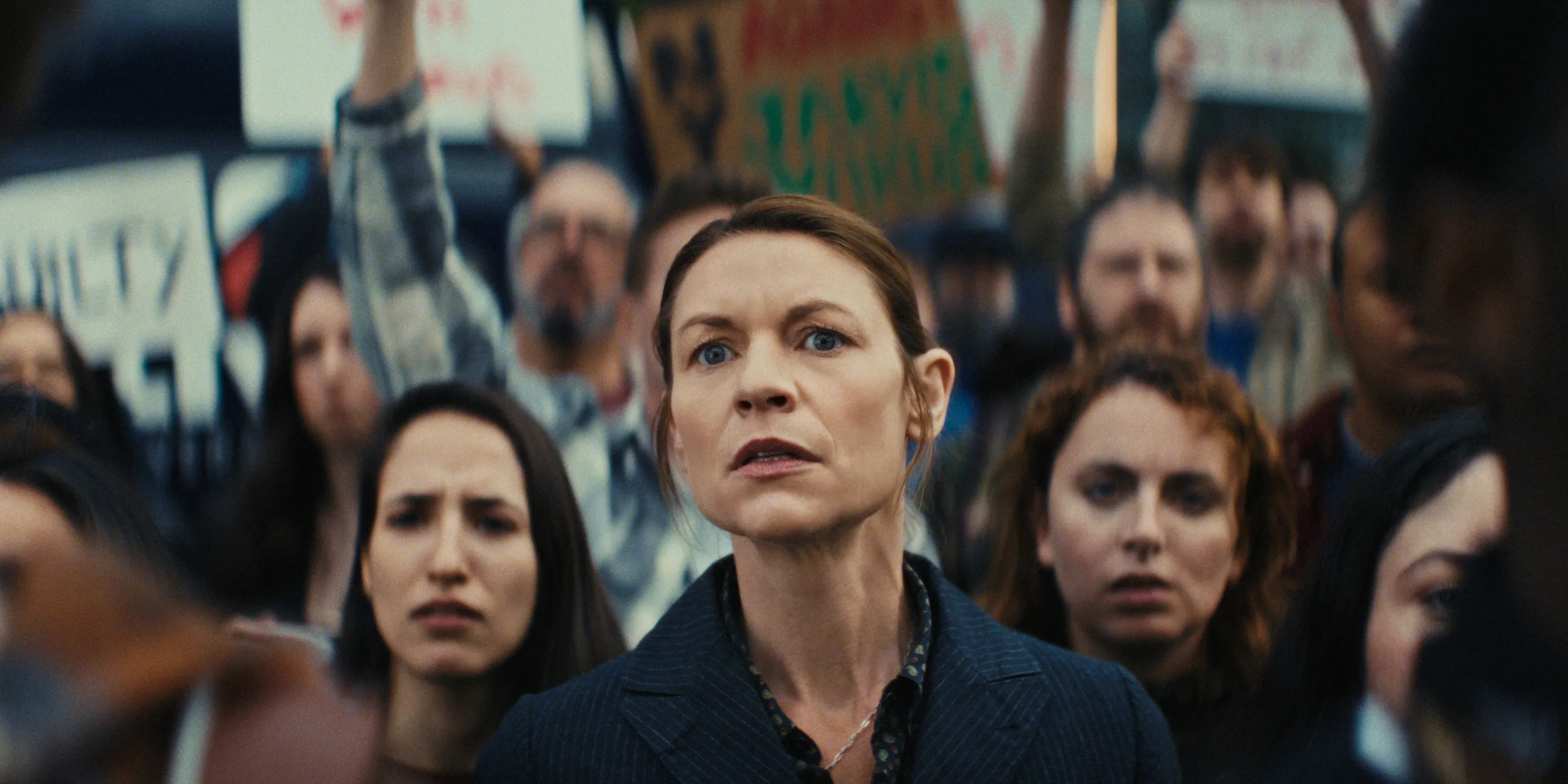
Claire Danes. Matthew Rhys. Natalie Morales. Brittany Snow. It’s a millennial fantasy cast that delivers a best-in-class elite-folk murder mystery for Netflix. “The Beast in Me” follows Danes’ Pulitzer Prize-winning author, Aggie Wiggs. Still grieving the death of her eight-year-old son, she’s living alone, trying to write a second book that doesn’t interest her. Then Rhys’ real estate scion and potential wife-murderer, Nile Jarvis, moves in next door.
What follows is a heart-pounding exploration of the dark side of human nature that showcases its stars’ talents while leaning into its pulpy, violent premise. Danes’ chin quivers about once an episode as she reveals Wiggs’ keen intelligence, vulnerability, and grit. Rhys brings a seductive, dangerous energy to Nile, making scenes like his dance number that much more fun and compelling.
So many of these shows fail to stick their landings, able to build tension but not resolve it. In contrast, “The Beast in Me” only gets better as it goes, delving into the contractions inherent in evil–how we each have some of it inside us, how the worst of us still have tender moments of humanity–all to create a satisfying and earned ending that makes the most out of the show’s various, prestige parts. –Cristina Escobar
20. “Deli Boys” (Hulu)
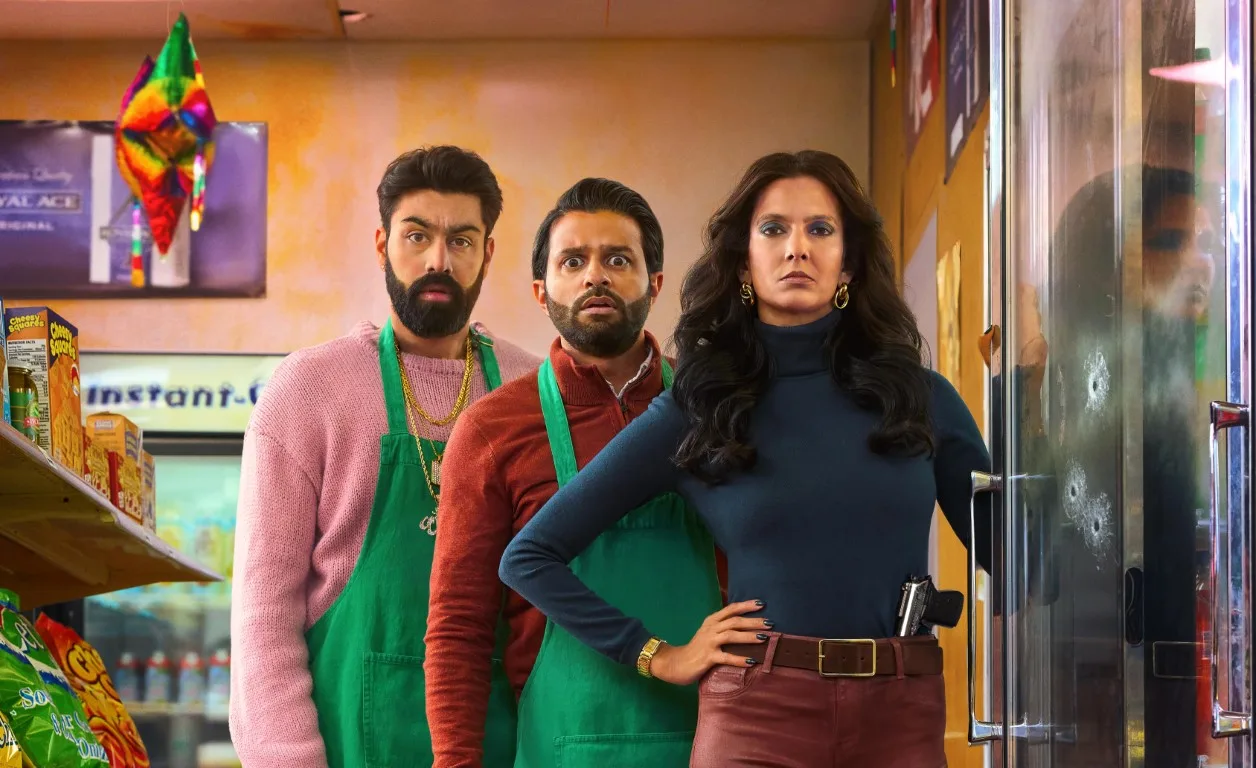
One of the first comedy series to air in 2025 remains one of the year’s most underrated. The series centers on pampered nepo baby Pakistani-American brothers Mir (Asif Ali) and Raj (Saagar Shaikh), who inherit their dad’s crime business following his comical yet bloody passing—via being hit with a golf ball to the head. The only thing is, neither of them knew that their dad ran a drug empire called Dark DarCo through his ABC Deli. Throughout the season, the brothers fail upward in their attempts to manage the business, escape foes trying to claim their throne (including Tan France as a South London gang leader), and avoid inept FBI agents (Alexandra Ruddy and Tim Baltz). All with the help of their aggressive, cunning, and badass auntie Lucky (show-stopping Poorna Jagannathan in a best-of-year comedic performance).
Creator Abdullah Saeed’s skillful tonal tightrope balances gory action and absurdist dark humor. The show is hilarious, elevated by the chemistry among its main cast members and their generally charismatic performances. In particular, Ali and Shaikh’s buddy dynamic made for some of the funniest TV all year. –Rendy Jones
19. “Long Story Short“ (Netflix)
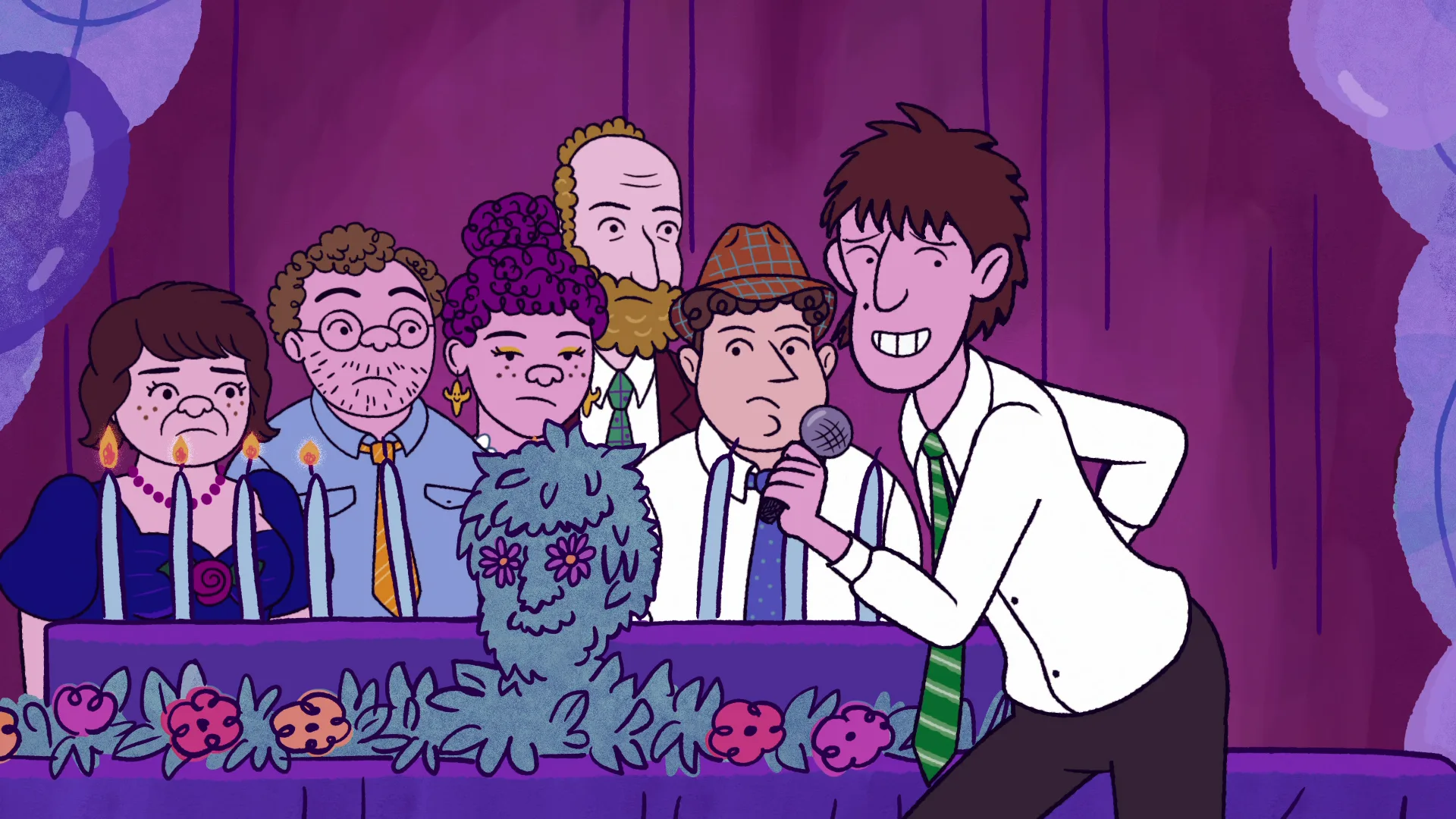
By “BoJack Horseman” creator Raphael Bob-Waksberg, “Long Story Short” follows the Schwoopers, a Jewish family, growing up and trying to thrive. The central unit consists of mother Naomi (Lisa Edelstein), father Elliot (Paul Reiser), and their three children, Avi (Ben Feldman), Shira (Abbi Jacobson), and Yoshi (Max Greenfield). The animation format allows the show to jump from the siblings’ childhood to their adult lives and their own family formations, drawing clear lines between past and present.
Each short episode reveals a Schwooper family dynamic, whether it’s the youngest brother Yoshi’s struggles to prove himself or the reason behind matriarch Naomi’s catastrophizing. The vignettes give us just the pivotal moments, without simplifying the mess of growing up.
Truly funny, “Long Story Short” also manages to explore issues of Jewish faith and identity in ways that similarly situated “Nobody Wants This” can only dream of—it helps that the Jewish women here are given more to do than stymie or support their menfolk. For example, Naomi may be sure her experience of the faith is the only right one. Still, Bob-Waksberg cleverly contrasts her certainty with her children’s varying experiences, showing her relationship to faith as just one path among many.
With this powerful combination, “Long Story Short” makes its drawings feel more like real, lived-in, scruffy people than the vast majority of 2025 productions. –Cristina Escobar
18. “Dexter: Resurrection“ (Paramount+)
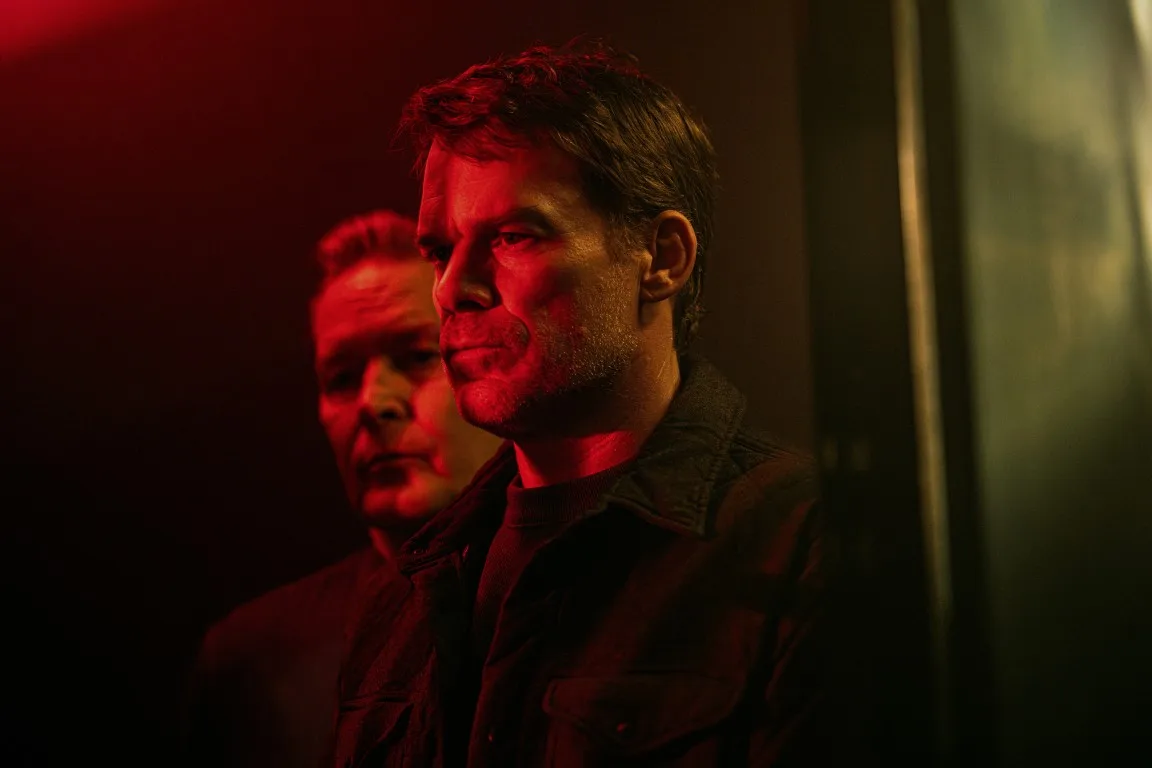
With more than 100 episodes under his scalpel, Dexter Morgan has logged more screen time than any infamous sociopath in television history–more than Tony Soprano, more than Walter White, more than Joe Goldberg from “You,” more than any of ‘em. We just can’t get enough of this oddly charismatic and chillingly weird vigilante. Yes, he’s a maniac, but they had it coming. Michael C. Hall’s titular character is actually a RELIABLE narrator, as we can always count on Dexter to share his morbid demons with us, sometimes in wickedly funny fashion.
“Dexter: Resurrection” recovers from the stumble of “Dexter: New Blood” as it quickly pivots from upstate New York to Manhattan and other city boroughs, with Dexter resigned to acknowledging he can never shed his “Dark Passenger”–and horrified to witness his deeply traumatized son Harrison (Jack Alcott) continuing his metamorphosis into the worst kind of Nepo Baby. The production design and cinematography are cinematic throughout, and the rich and layered scripts deliver showcase roles for a brilliant roster of guest stars, including Uma Thurman, Peter Dinklage, Krysten Ritter, and Neil Patrick Harris. (Episode 4 is insane—and great.) This season is a reckoning, forcing Dexter (and the viewer) to acknowledge that for all the moral rationalization spattered throughout this man’s blood-soaked path, he is a sick and twisted soul, for whom life is a waking hell. –Richard Roeper
17. “Death by Lightning“ (Netflix)
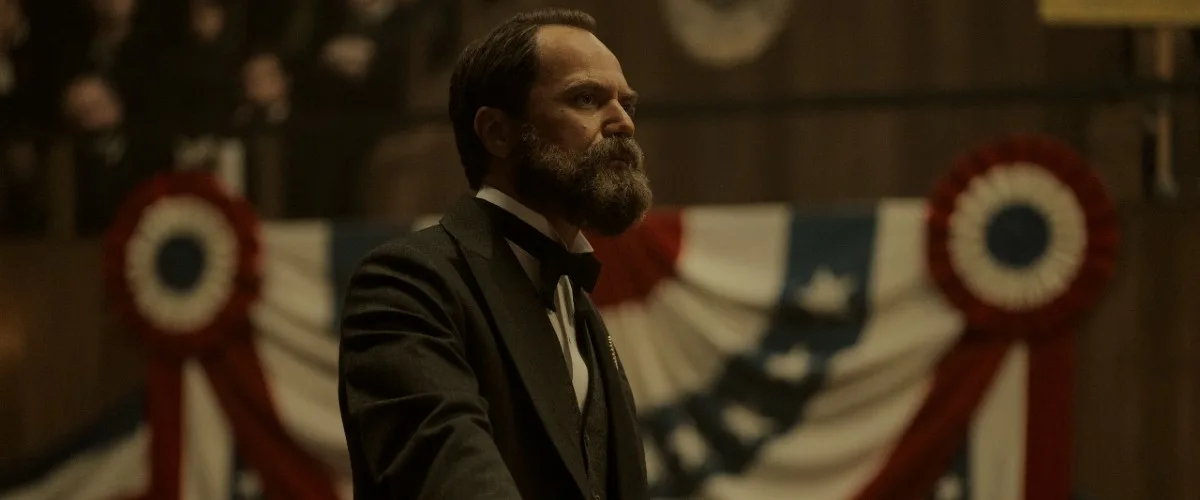
In an era where it’s ever clearer that moral righteousness and integrity are no prerequisites to power, along comes “Death by Lightning” to remind us that, especially in American history, that was always the case. Over a brisk four episodes, “Bad Education” screenwriter Mike Makowsky retells the story of the 1881 assassination of President James Garfield (Michael Shannon) by power-hungry wastrel Charles Guiteau (Matthew Macfadyen), a move designed by the latter to enshrine himself in history but which instead relegated them both to relative obscurity.
And yet, Makowsky’s script positions them as polar opposites, battling it out in a poisonous political arena full of entrenched interests, entitled partisans, and opportunistic charlatans, all more willing to grab power than to live by their values, if they have any. (Said competitors, played by Shea Whigham, Nick Offerman, Bradley Whitford, and others, are a beautiful array of pointed words and even pointier beards.) What strikes most is the endearingly modern tenor of the presentation, placing modern barbs in the mouths of buffoons in ways that make the whole thing feel like “Veep” gone “Drunk History.” And through all the grim laughs, a more powerful message emerges: America is so allergic to the notion of a kind, ethical leader that it will literally cut him out like a tumor at the first opportunity. –Clint Worthington
16. “Severance“ (Apple TV)
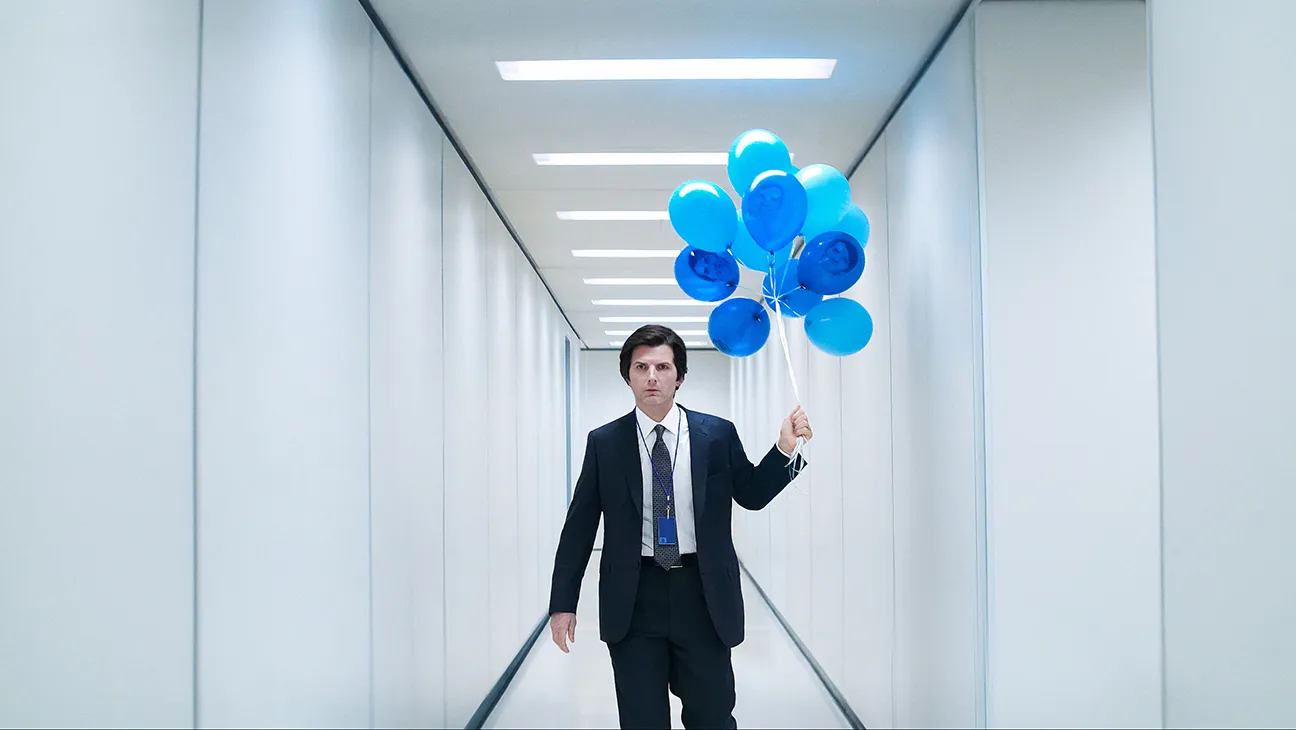
A Redditor once opined, “Maybe I’m too dumb for “Severance,”” saying all they really glean from Apple’s smash hit is “Damn, work sure does suck.” But that is the show’s central thesis. Deeply damaged people—Mark (Adam Scott) mourning his late wife, Irv (John Turturro) battling homophobia and loss, Dylan (Zach Cherry) fighting nauseating waves of inadequacy, Helly (Britt Lower) taking on the family that created this nightmare—wake daily in a cruel world. Driven to madness, they eliminate the sensation of their authentic selves as they sit under blinding fluorescent lights, doing “work that is mysterious and important,” and depending on your chosen theory, likely setting in motion some sort of AI-slave worker paradigm. (TV these days, such a reprieve from the news!)
What pushed Season Two to transcendence was its investment in its characters, for deepening the autonomy and rage of the main quartet’s split selves, for depicting, in ways both naturalistic and surreal, the dehumanization of the modern worker, the price we pay with our souls so that we can afford bread and shelter. Ms. Casey (Dichen Lachman) revealed a tortured past and present, directed with striking vision by Jessica Lee Gagné; Seth Milchik (Trammell Tillman, extraordinary) asserted himself, Harmony Cobel’s (Patricia Arquette) brittle, remote arc was enriched via the context of a haunted past. Though dozens of unanswered questions remain, “Severance” deserves its acclaim because it chooses to put in the work; its combination of top-notch technical work (cinematography, mid-century modern production design, arresting costumes, and Theodore Shapiro’s excellent score) with outstanding performances creates one of, if not the most, philosophically and visually arresting series on TV. But please, make sure to enjoy each episode equally. –Nandini Balial
15. “Paradise“ (Hulu)
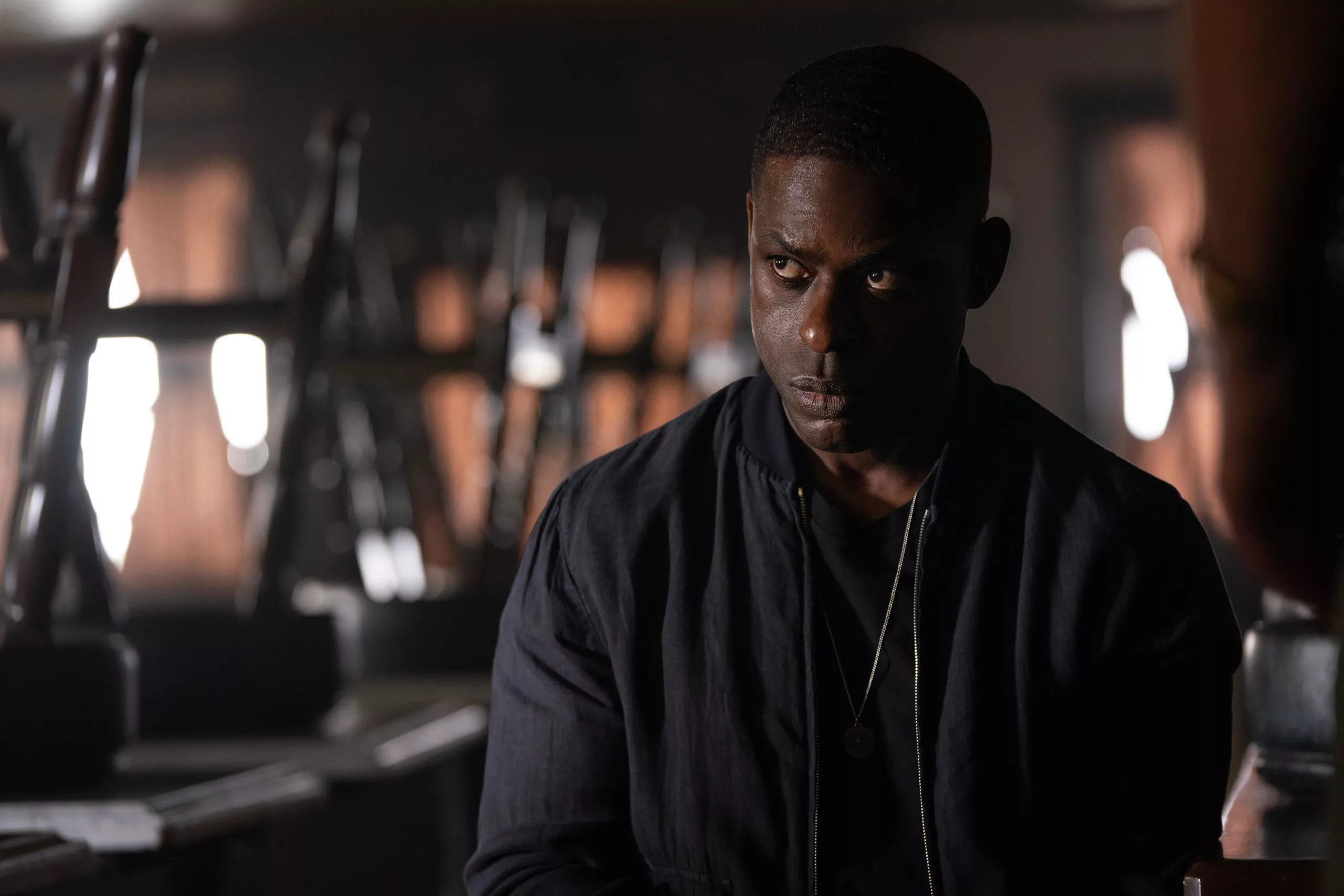
Hulu’s “Paradise” is and isn’t a murder mystery. It’s an apocalyptic science fiction time bomb that asks as many questions about people under pressure as it does about who killed the president. Dan Fogelman, famed for fractured timelines and tangled family trees, turns cataclysmic events into a character study, dropping us into Paradise, a city that’s both our last safe haven and a lit fuse. The first episode sets the tone: Yes, the president is dead, but all we care about is the dark and twisty population of Paradise, and the fragile social order is teetering on the brink.
Sterling K. Brown’s Xavier Collins is our guide through the turmoil: a Secret Service agent and presumably a widower, who’s trying to raise his kids. At the same time, the world outside crumbles and suspicions draw a target on his back. The ensemble—Julianne Nicholson, Krys Marshall, James Marsden, and Sarah Shahi—brings heat and mystery in equal measure. While the creative team’s genre-bending approach keeps the show nimble, shifting from political thriller to family drama to sci-fi survival story with syncopated rhythm. At the center of its bunker, “Paradise” is about reversals and fractures—what we protect, and what protecting it costs. –Sherin Nicole
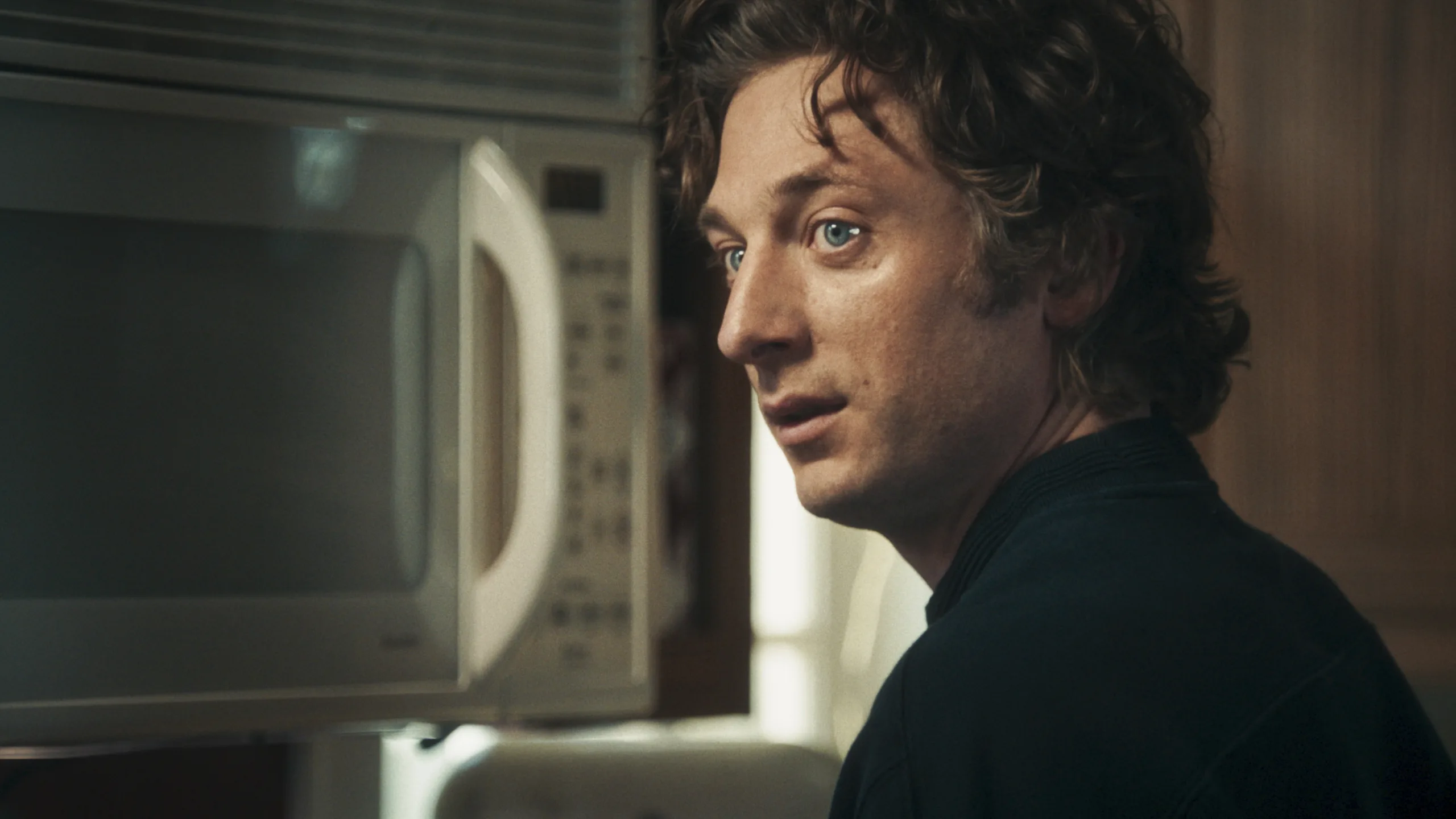
14. “The Bear“ (FX on Hulu)
As a TV show, Christopher Storer’s hit FX culinary dramedy “The Bear” has had a similarly shaky trajectory as the titular restaurant at its center. Its first two seasons were about building bona fides, transforming its scrappy Italian beef place into a prestigious Michelin-quality restaurant; season three was about seeing whether they could maintain the momentum they sorely needed to survive. Season four continues in that rich vein, with Carmy (Jeremy Allen White) and crew figuring out how to fix themselves and their lives just as much as their restaurant. In so doing, it sometimes collapses into the kind of over-the-top embellishment that can often kill a dish; it’s tempting to write off so much of the season’s feel-good atmosphere as a way to undercut the existential tension these characters must experience. After all, we’ve grown to like this ensemble cast so much, we might as well cut them a break, right?
But really, “The Bear” remains a sentimental, if imperfect, ode to its Chicago setting and food scene, as well as to its increasingly high-profile cast (whether due to the show’s boosting of their profiles or its ever-bursting roster of A-list cameos it continues to trot out). Even amid these quibbles, Storer’s open-heartedness and the weepy commitment of its cast make it incredible television, leveraging the goodwill they’ve spent seasons cultivating and stretching its cooking-as-catharsis mood to its limit. It’s long past being the kind of comedy show we can snipe over when it comes to Golden Globes wins, but who cares? The food tastes good. I’ll eat it. –Clint Worthington
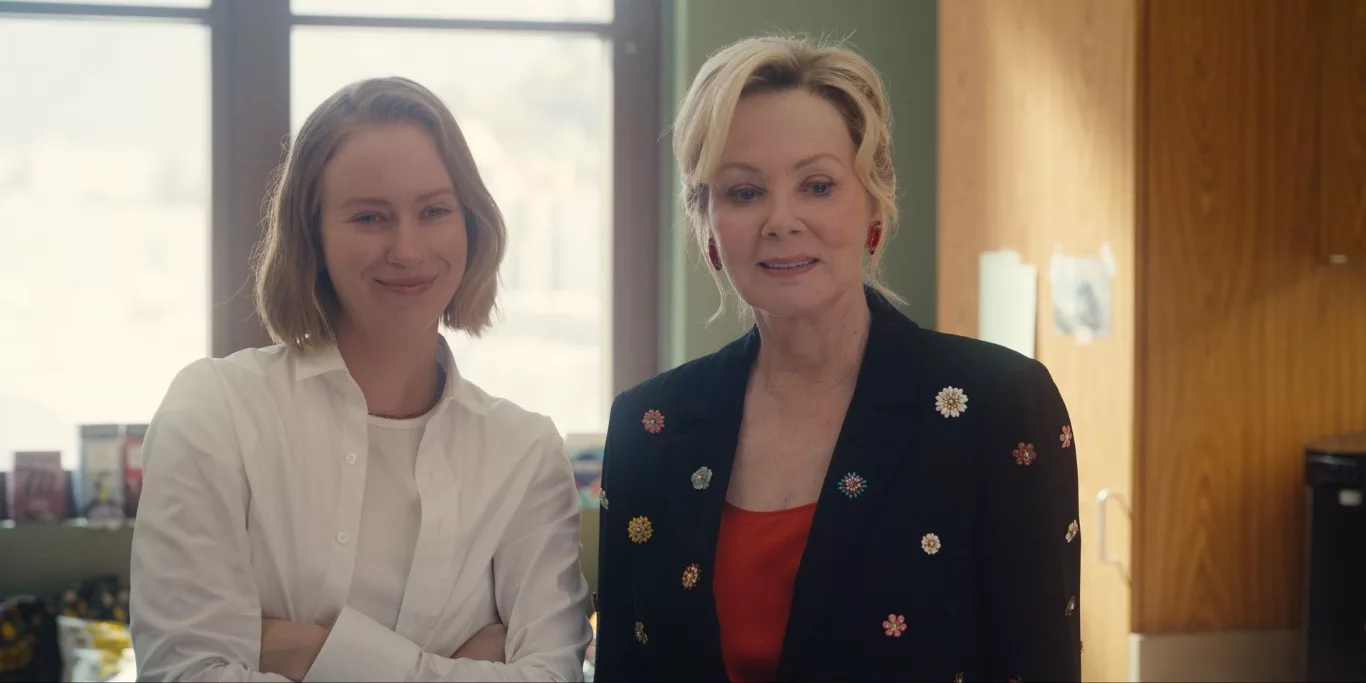
13. “Hacks“ (HBO Max)
As HBO’s Emmy juggernaut breaks out its final routine in the upcoming last season, it’s starting to feel like we’re taking it for granted. Sure, it wins all the awards, especially deserved for Jean Smart’s acerbically brilliant comic timing. Still, the oversaturation of the streaming market means a program that’s this consistently great sometimes struggles to rise above the noise of the new. There’s a tinge of irony in a show about an aging comedienne looking for one last mountain to climb in her career, being less buzzed about than the new whippersnappers on the comedy scene.
The fourth season of “Hacks” pitted Deborah (Smart) and Ava (Hannah Einbinder) in a war of egos while trying to make TV history. What do you do when you’re forced to work with someone you hate? What if part of you knows that you can’t succeed without somehow finding a way to reconnect with someone you desperately want out of your life? While these questions formed the foundation for the start of the fourth season, they eventually bloomed into a story of teamwork and overcoming impossible odds. Sometimes you need a frenemy to make history. –Brian Tallerico
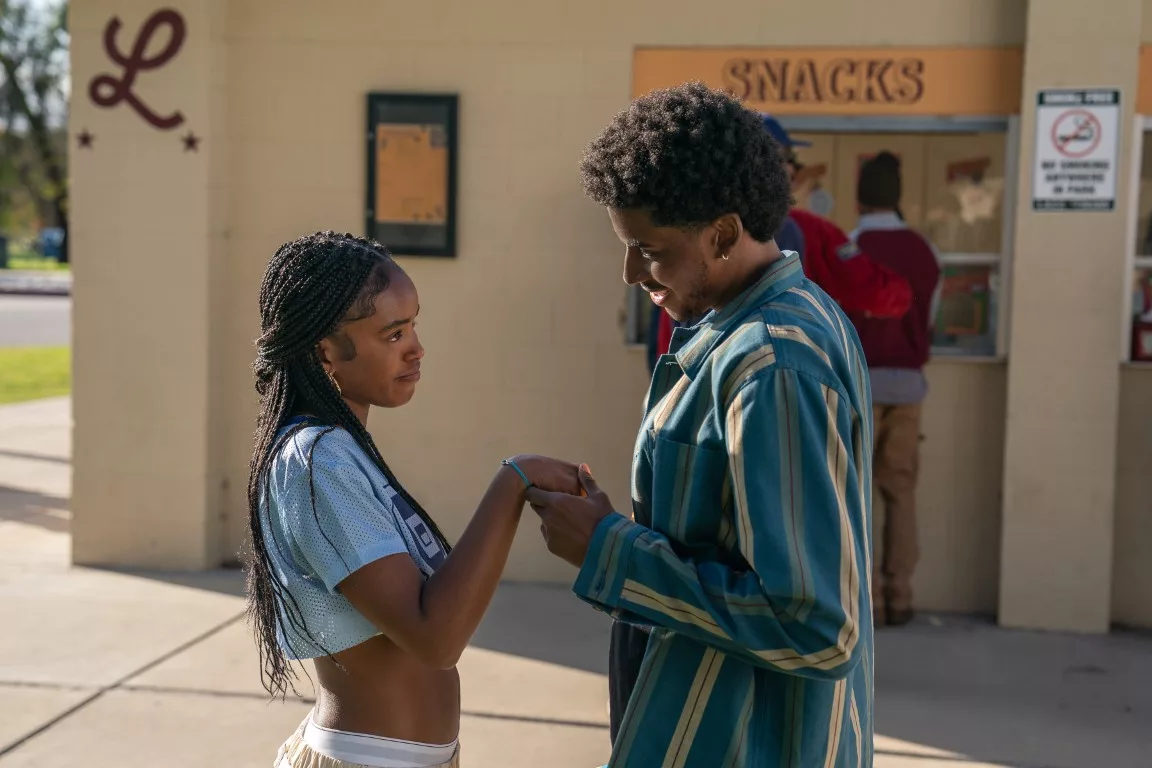
12. “Forever“ (Netflix)
Netflix’s “Forever” is Mara Brock Akil’s refreshing remix of a Judy Blume classic. Turning an old-school YA novel into a coming-of-age anthem amid Black excellence in Los Angeles. Set in 2018, the series follows Keisha (Lovie Simone) and Justin (Michael Cooper Jr.) as they stumble their way through first love—missed signals, messy confessions, and all. Brock Akil does her thing: centring tangible moments, giving the teens space to be vulnerable, impulsive, and authentic. While their families add the foundation and frustrations that many of us know or remember.
In “Forever,” love isn’t a subplot—it’s layered throughout the entire story. Justin’s parents (Karen Pittman and Wood Harris) model a partnership that’s aspirational but never perfect. Keisha’s world, meanwhile, is supported by her hard-working mom (Xosha Roquemore) and her steady granddad (Barry Shabaka Henley), but is interrupted by a father (William Catlett) whose late arrival makes old wounds ragged. Familial love isn’t just background noise; it’s the fuel and the friction in every choice these teens make.
“Forever” gets what it feels like the first time you fall—first heartbreak, first big risk, first time you see yourself through another’s eyes—while letting its characters be as soft or as bold as they need. Brock Akil’s take is honest, funny, and deeply felt—a reminder that the journey to who we become always starts with the people (and the love) that raised us. –Sherin Nicole

11. “North of North“ (Netflix)
In the life of any inveterate TV enthusiast, there are series that comfort, inspire, and haunt. But there is another, underrated category: TV that takes you by surprise. “North of North” is a sitcom that draws on familiar workplace and community tropes. The heroine, Siaja (Anna Lambe), is balancing motherhood, identity, and marriage; Ice Cove, Nunavut, is her home, and she wants to improve the lives of its residents. But in between the physical hijinks, including a memorable game of baseball involving a walrus dick (the excellent editing regularly induces laughter, let alone the comedic set-pieces themselves), the Inuit in-jokes, the light in the eyes of the elders when they see their young thrive, there is a startling darkness. Though they love each other, Siaja’s relationship with her mother is colored by generational trauma. Siaja isn’t just annoyed by her husband’s laziness; she’s starting to understand his golden boy persona is a front for emotional abuse.
Hanging over the entire community are horrific memories of colonialism, of residential schools that were used as brainwashing centers for kidnapped Indigenous children. “North of North” combines the best ideas of both “Reservation Dogs” and “Parks and Recreation” while introducing us to a culture rarely seen on TV. Yes, things were bad; things continue to be bad. But that reality does not preclude us from fighting, from trying to make the darkness brighter, from working every day to create a secure, joyous existence, even—and especially—if it means confronting the worst aspects of our past and present. –Nandini Balial
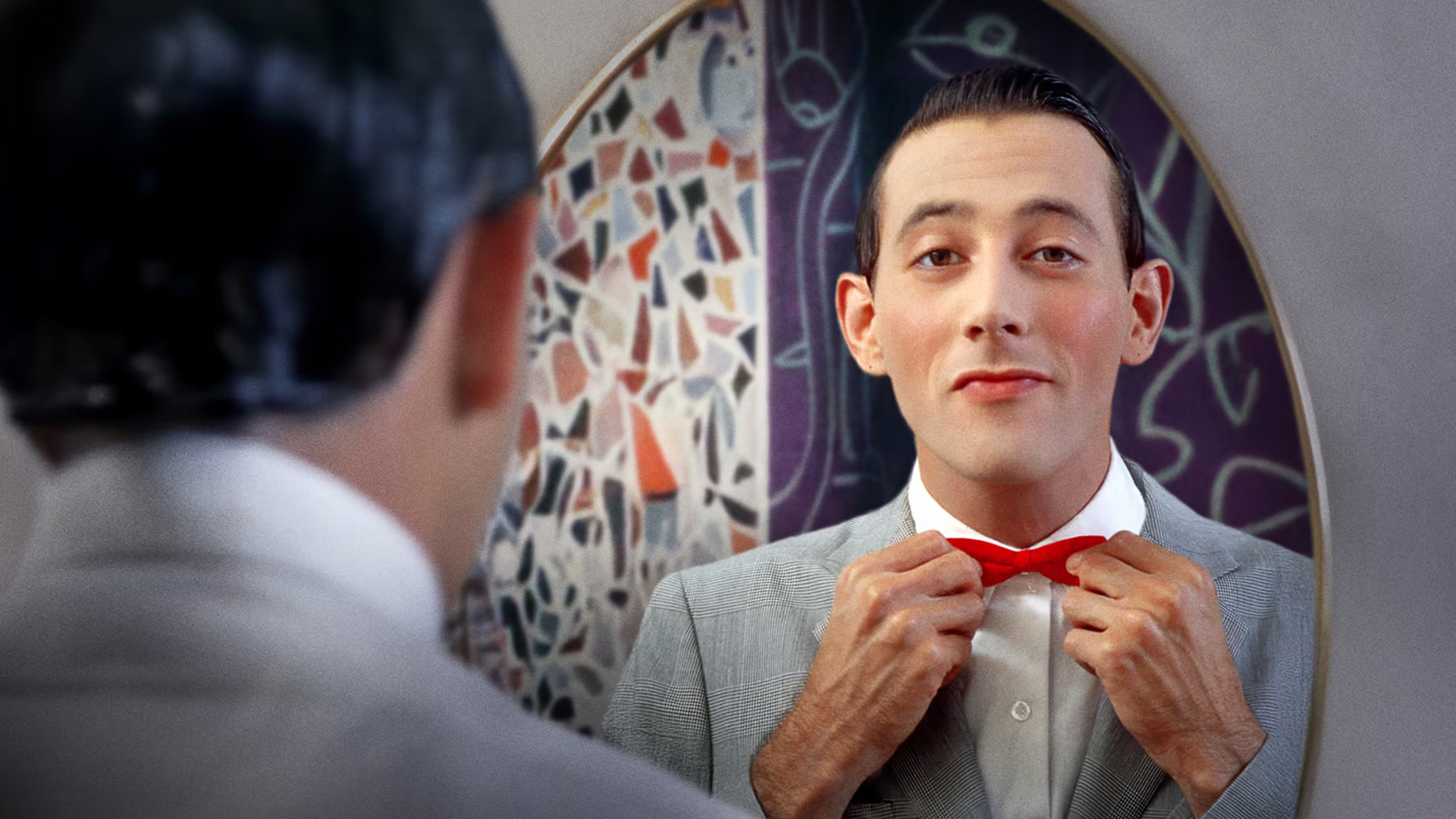
10. “Pee-wee as Himself“ (HBO Max)
When “Pee-wee as Himself” premiered, more than one publication ran with the headline that Paul Reubens had come out of the closet. But that’s a gross simplification (if not obscuration) of what’s going on in Matt Wolf’s docuseries and interviews with Reubens, who cooperated until he didn’t. Airing on HBO, the two-part series isn’t a tabloid reveal or a celebrity-brand experience like so many of its peers.
Instead, it’s a rich conversation with its prickly, hilarious, and wronged subject. Reubens does talk about his time as an out undergraduate and an early, meaningful relationship with a man. But when asked point-blank if he’s gay, he demurs. This is a man who was both exacting and self-effacing. He was someone who didn’t want to be known, even as his creations became household names, even until the end. He was dying of cancer during filming but didn’t tell anyone on the production–making the resulting project that much more poignant.
Wolf combines this portrait of the ever-maneuvering Reubens with a clear interrogation of the homophobic society that tore him down. Accused of one sex crime and then another, Reubens lost his ability to make wacky performance art for children–and we all lost something in his career cut short. Thankfully, we have this docuseries to look back and appreciate both Pee-wee and the guy who made him. –Cristina Escobar
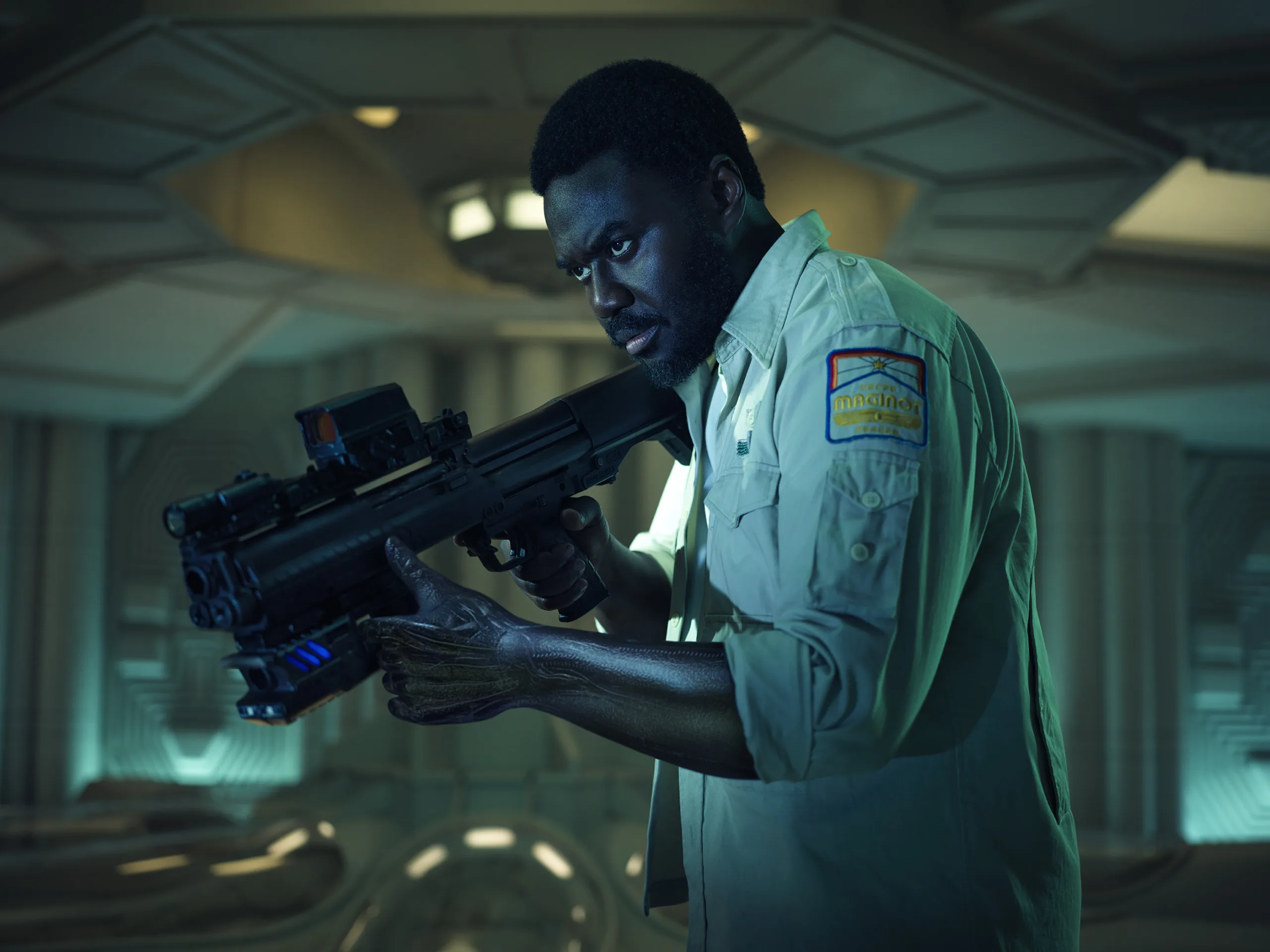
9. “Alien: Earth“ (FX on Hulu)
Television adaptations of stories originally seen on the big screen are a dime a dozen. But with its first episode, it was clear “Alien: Earth” was trying to do something different. Noah Hawley’s series weaves together two stories: one focusing on a group of children whose minds are placed in the bodies of adults who possess godlike strength, and the crash landing of a spaceship that a Xenomorph infiltrated before it fell from the sky. Both of these stories become connected in a never-ending jigsaw puzzle, one that is violent, thrilling, and slowly shapes up to be one of the most fascinating examinations of humanity and free will in the history of the “Alien” franchise.
Hawley allows the tension to be pulled so tight in the series it is always on the verge of snapping, with philosophical monologues quickly giving way to haunting scares and vice versa. Each episode ends with a needle drop that emulates a crescendo, from the likes of The Smashing Pumpkins to Jane’s Addiction, giving the series a punk-rock edge that its more recent film ventures have lacked. “Alien: Earth” stands out amongst a wasteland of television adaptations that don’t understand their source material, making this a story that surprisingly thrives on the small screen, where its characters are allowed to shift and transform before our very eyes, becoming startlingly deformed by season one’s bare-knuckle final moments. –Kaiya Shunyata
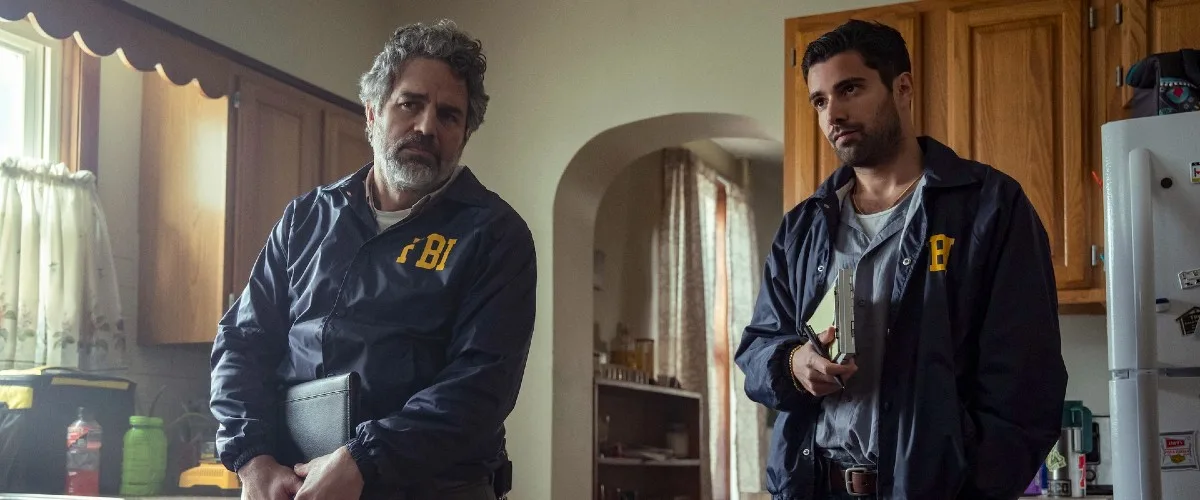
8. “Task“ (HBO Max)
Brad Ingelsby’s intense and viscerally impactful crime procedural is set in the same working-class, greater-Philadelphia universe as the equally brilliant “Mare of Easttown.” The two series share a similar blueprint of themes exploring grief, regret, broken lives, and the inescapable fate that comes from making bad choices, and the belief that one didn’t do enough to prevent tragedy.
Mark Ruffalo has specialized in playing brooding yet doggedly determined crusaders for justice (“Zodiac,” “Spotlight,” “The Normal Heart,” “Dark Waters”). He does some of the finest work of his career as former man of God turned bureaucratic FBI task team leader Tom Brandis, who has been so battered by life that he walks through the day as if he’s just been socked in the gut. As Brandis leads his ragtag, seemingly overmatched squad through an investigation of a string of violent robberies targeting drug stash houses, a parallel storyline follows Tom Pelphrey’s Robbie Prendergrast, whose past and present are so bleak that Brandis’s life seems almost sunny by comparison. Pelphrey’s work is so heartbreakingly profound, so memorably searing, that it earns comparisons to the likes of Brando, De Niro, and Sean Penn. It was the equal of any work I saw this year, on screens big or small. –Richard Roeper
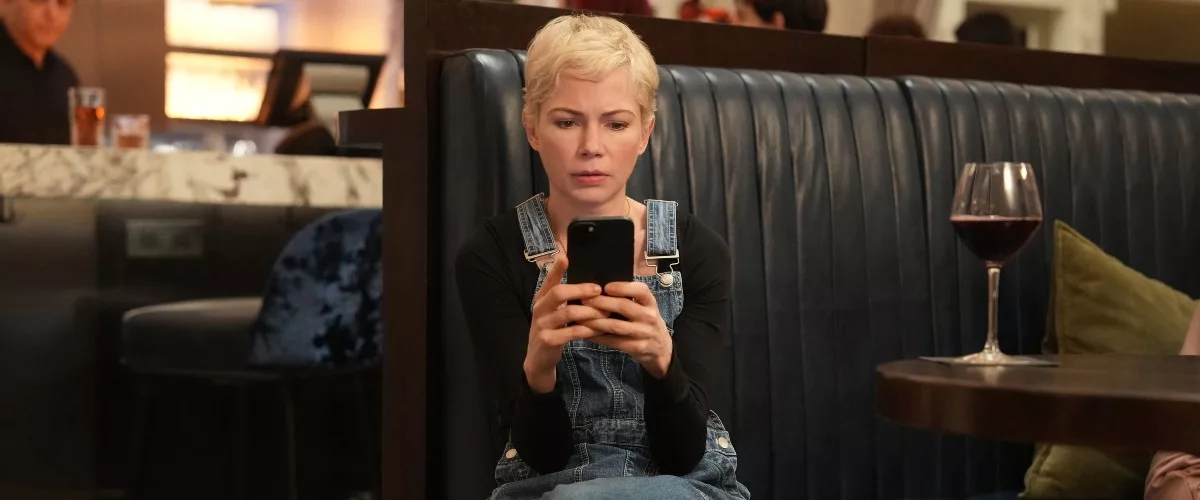
7. “Dying for Sex“ (FX on Hulu)
Adapted from the podcast of the same name, Hulu’s “Dying For Sex” focuses on Molly’s (Michelle Williams) journey as she reckons with a cancer diagnosis, the series follows her as she leaves her husband, and takes off on an odyssey of reclamation. Yes, the series is provocative and features a bunch of sex scenes. Still, the show dismantles any previous notions its title brings up, instead shaping into a story that not only explores Molly’s psyche as she processes her impending death, but also as she reexamines her life. At the center of this is a secret she’s been keeping buried deep within her soul, one so shattering it recontextualizes the way in which she engages not only with sex, but the foundational relationships in her life.
Instead of focusing on the people she sleeps with on this sex-fuelled journey, the show’s central relationship is between Molly and her best friend Nikki (Jenny Slate), who abandons her job and romantic relationship to become Molly’s primary caregiver. Williams and Slate are a match made in heaven, and their platonic bond anchors the series, which slowly unfolds into a heart-wrenching examination of the tenacity of female friendships. “Dying For Sex” remains achingly tender throughout, never shying away from the reality of death while also allowing its protagonist to bask in the sex positivity she craved, and that we as a growing puritanical culture desperately needed to see. –Kaiya Shunyata
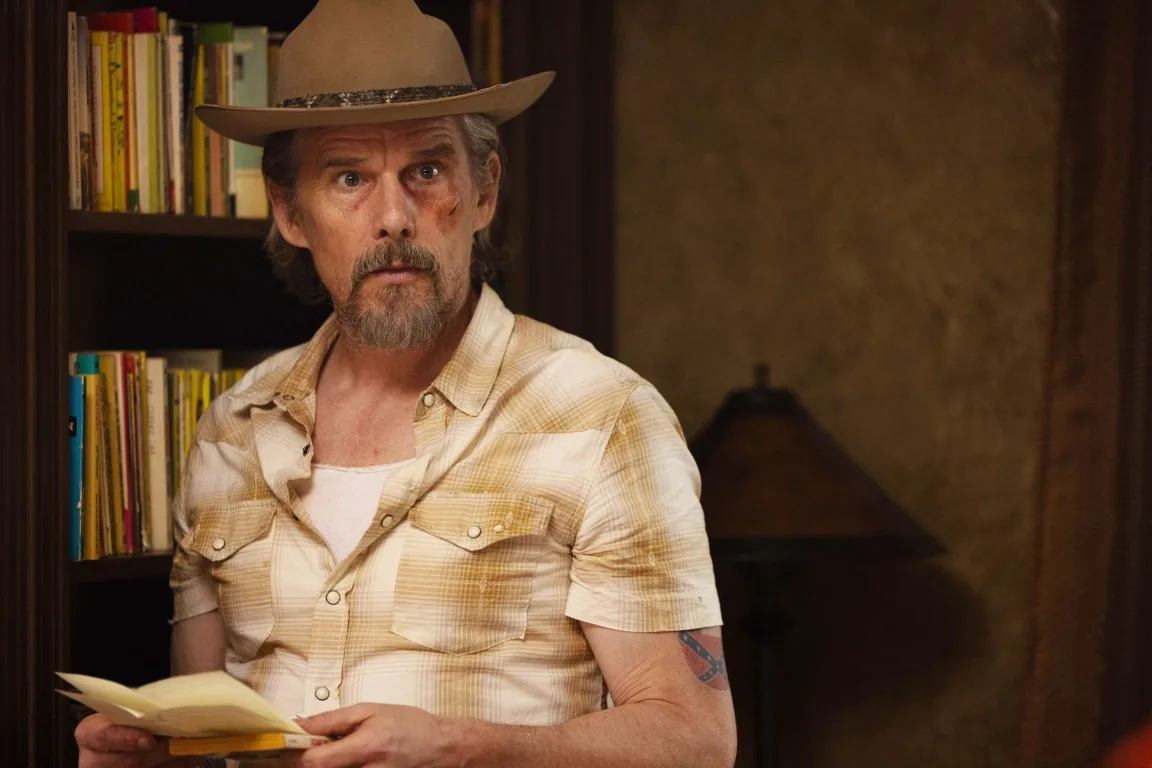
6. “The Lowdown“ (FX on Hulu)
“The Lowdown” is a writer’s show. And not just because Ethan Hawke’s Lee Raybon is a book-store-owning “truthstorian,” aka pulpy journalist with an eye for trouble. It’s also how “Reservation Dogs” creator Sterlin Harjo uses literature and lyrics in his detective series, positioning his show within a specific Western cultural canon. To drop a few names of my own, the show boasts a Raymond Chandler/Walter Mosley vibe, following a derelict detective uncovering the machinations of the corrupt ruling class.
And, of course, there’s the writing itself, with so many strong lines and idiosyncratic ways of speaking that the language itself builds the world of this show as much as its cowboy hats, turquoise necklaces, and Indigenous beading.
Harjo’s unique sense of place helps, giving us a multiracial, grimy version of a state that Hollywood is largely content to fly over. Yes, the principals here are primarily white, with Kyle MacLachlan, Tim Blake Nelson, and Native Jeanne Tripplehorn joining Hawke in the leading ensemble. But there are also many characters of color, and the show gives them depth and nuance, making Keith David’s rival investigator Marty, for example, as important as anyone except Lee.
With its writerly foundation, “The Lowdown” is about one flawed man, the long and short tale of racial injustice, and what doing right in the face of that even looks like. You can’t get much more meaningful than that. –Cristina Escobar
5. “Adolescence“ (Netflix)
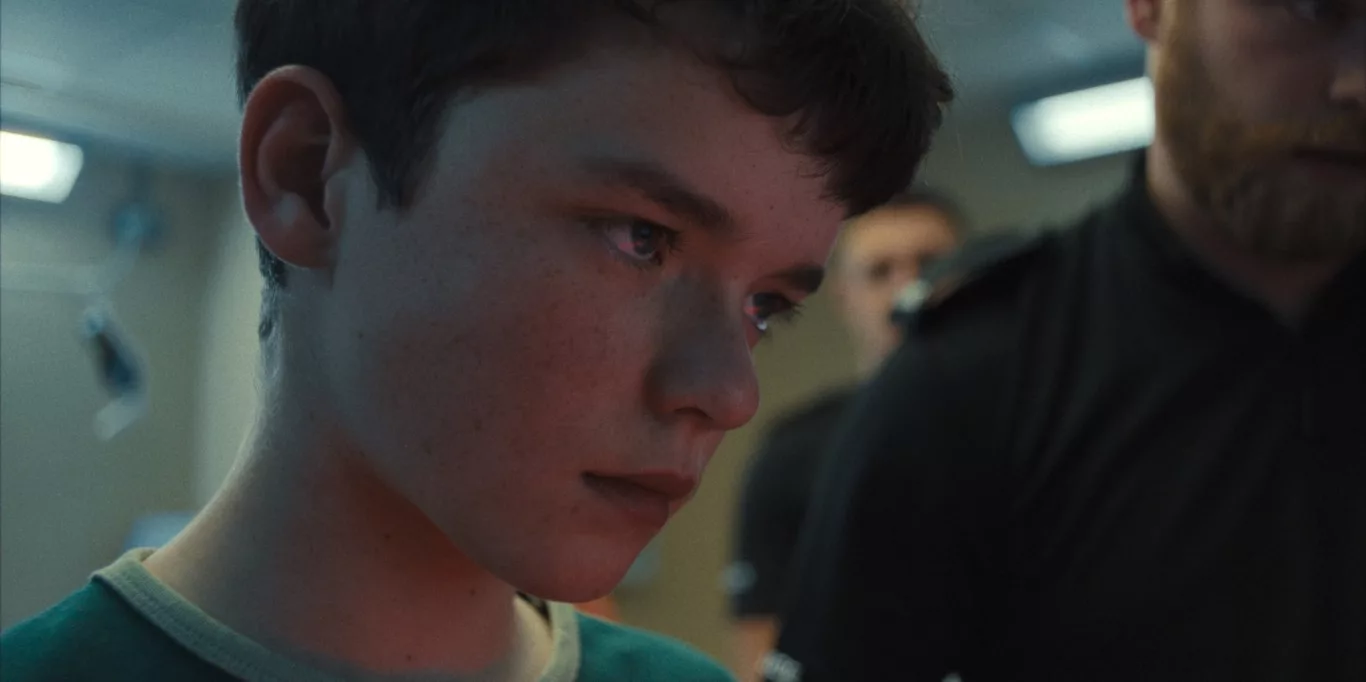
There was no program this year that came more out of nowhere to dominate the pop culture conversation than Netflix’s 4-part mini-series, a winner for just about every Emmy it was eligible to win. Long before collecting those trophies, “Adolescence” became the program that everyone was talking about, including many who learned about incel culture through this heartbreaking drama. The story of a 13-year-old (Owen Cooper, giving one of the best teen performances of all time) accused of murder avoided tropes by being so incredibly raw that it was impossible to turn away.
Written by Jack Thorne and star Stephen Graham, “Adolescence” is a story of the ripple effect of violence and toxic masculinity, how the prevalence of the latter online destroys youth. The title feels almost poignant in that it’s what’s being lost as young people grow up too quickly, thanks to exposure to emotions and ideas online that they’re not capable of handling. If we don’t let young men go through adolescence at their own natural pace, tragedy will ensue.
Finally, the form of “Adolescence” strengthened its impact. Each episode’s one-shot structure eliminated the escape that comes from cuts. When a scene cuts away to another one in a typical drama, it’s often a chance for the viewer to catch their breath, but that’s not an option here. We’re forced to watch something like the stunning third episode in its real-time entirety, a witness to tragedy rather than merely a passive observer of television. –Brian Tallerico
4. “The Studio“ (Apple TV)
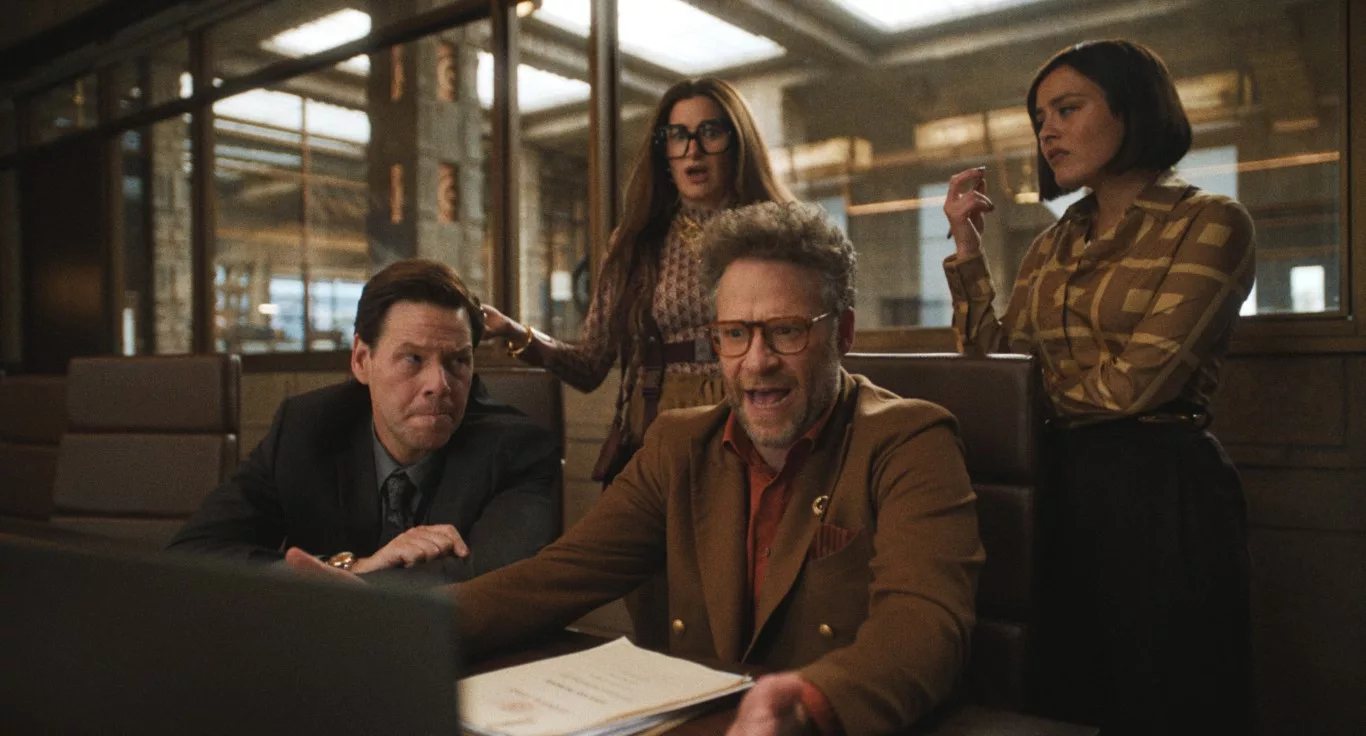
In an era where prestige TV often delivers prestige anxiety, AppleTV’s “The Studio” is industry-accurate escapism that’s as self-aware as it is sincere. It’s a show that lets us live vicariously as a studio exec—fumbling, failing, and almost getting smacked up by lovable former child stars—but no ulcers are involved. Despite The Studio’s realness, it’s all belly laughs. The Emmy-winning series gleefully burns Hollywood’s Ozian veil, showing us the pandemonium behind the curtain, while letting its flawed, frantic characters stumble toward unexpected moments of foolishness and connection.
The cameos wink without smirking, the storylines reference real-life absurdity, and the cast—led by Seth Rogen, Chase Sui Wonders, Catherine O’Hara, Ike Barinholtz, and Kathryn Hahn—turns the chaos into quests. “The Studio” hands us an all-access pass and invites us to giggle while the dream machine breaks down, but somehow keeps chugging out the entertainment we crave or happily cringe at. For those of us in search of a break from the deep, dark but admittedly brilliant gloom of prestige TV, “The Studio” is just as true but refreshingly ulcer-free. –Sherin Nicole
3. “The Pitt“ (HBO Max)
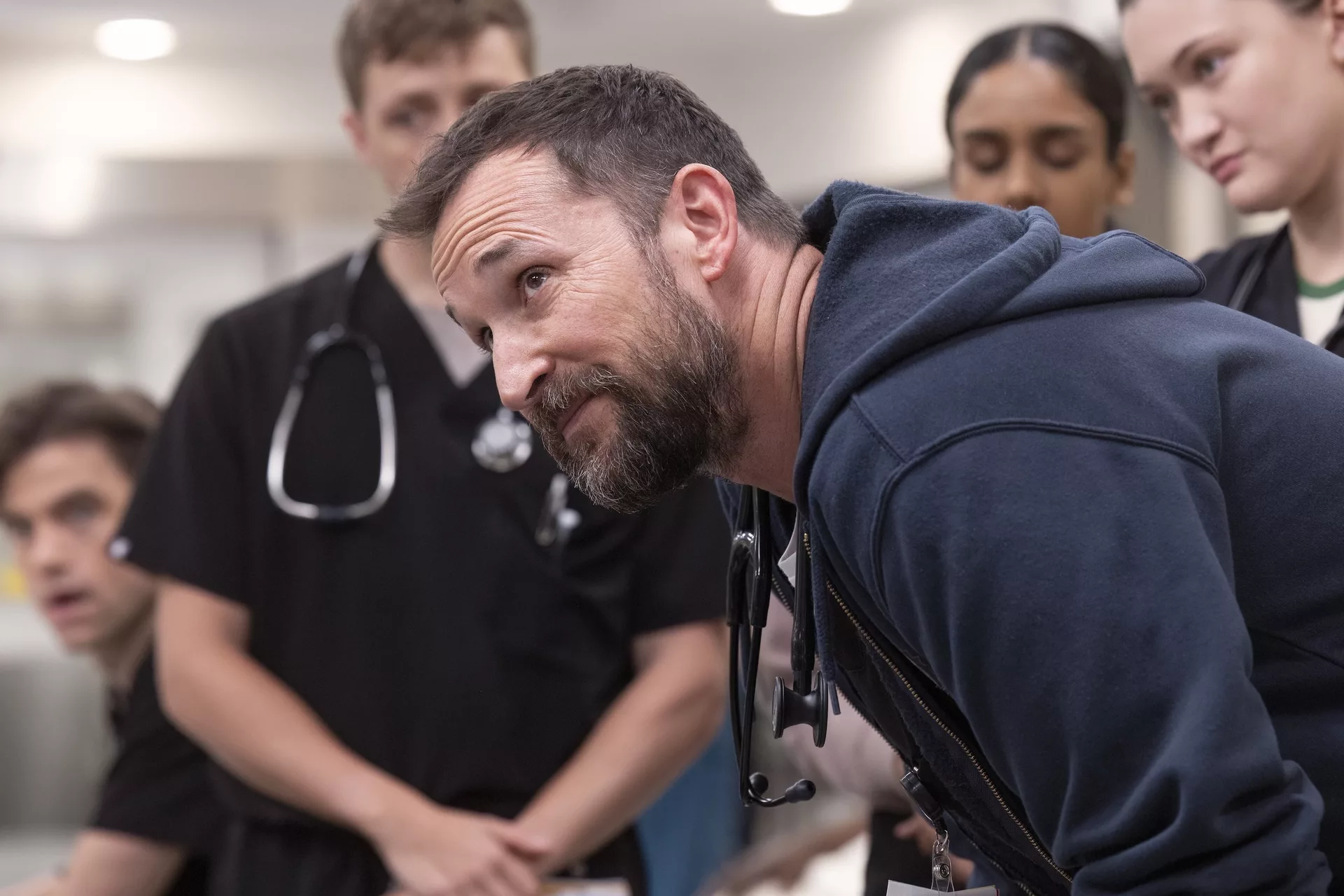
HBO’s “The Pitt” stands tall amongst the ashes of a dying era of television. Set over the course of one 15-hour shift, the series introduced us to Dr. Michael “Robby” Robinavitch (Noah Wyle), a Senior Emergency Attending Physician who attempts to navigate a shaky post-COVID healthcare system. The series immediately had an edge above other medical dramas, as each one-hour-long episode is set during one hour of Dr. Robby’s shift. Removing all the glamour that shows like “Grey’s Anatomy” have basked in, the series gives us a grueling look at the realities of what it means to be a healthcare worker in a world still scrambling to recover from a pandemic, one that left healthcare professionals in the dust, and one that shattered any unity our modern world had before it.
While Dr. Robby remains the show’s protagonist, “The Pitt” is undeniably an ensemble show that relishes familiar faces and brings new ones to the forefront. Actors like Katherine LaNasa finally get the spotlight they deserve, while newcomers like Supriya Ganesh and Patrick Ball come out guns blazing. Because of the show’s bold real-time structure, the series allows us to get to know these characters over the course of one of the most challenging days of their careers, which sees them go from treating patients dealing with addiction to saving victims of a mass shooting. “The Pitt” embraces the structure of old school television, already becoming a defining series in an era that seems so desperate to do away with what initially made TV such a fascinating medium. –Kaiya Shunyata
2. “Pluribus“ (Apple TV)
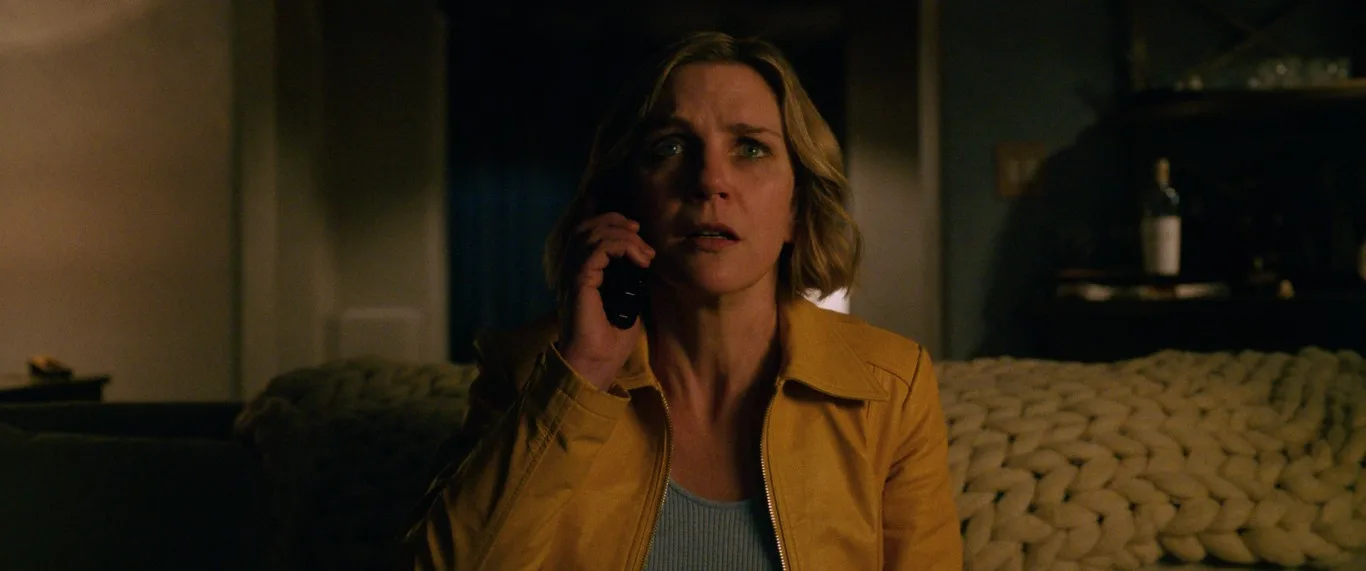
Doesn’t it feel lately like the world has gone a little mad? Have you looked at your friends and neighbors and wondered what exactly has gone wrong in their heads and hearts? Welcome to “Pluribus,” one of several examples of shows and films this year that feels like they’re trying to address the inexplicable divides in the world today without doing so directly. We’re all Carol Sturka.
Played by the wonderful Rhea Seehorn, Carol is basically the last sane person on Earth after an alien invasion either kills or turns everyone else into a part of a massive hive mind, one that seeks to cater to Carol’s every need, but she really just wants to be left alone. Creator Vince Gilligan incorporates the patient storytelling of “Better Call Saul” into a sci-fi concept that could have been investigated by Mulder & Scully (Gilligan was a legendary “X-Files” writer too) and presents the hybrid as something that’s like nothing else on television.
In fact, “Pluribus” is so unique that it’s spawned an online conversation about its comparatively slow pace. While no critic can really contend with a viewer who considers something boring, the truth is that there are dozens of shows designed to be watched more casually than this one, shows that value over-explanation. In fact, there’s a whole trend of writers being asked to over-narrate their shows to create “casual viewing.” No one should expect that from “Pluribus,” a blindingly brilliant show that feels almost like an answer to the dumbed-down writing of the streaming era. Carol truly is alone. –Brian Tallerico
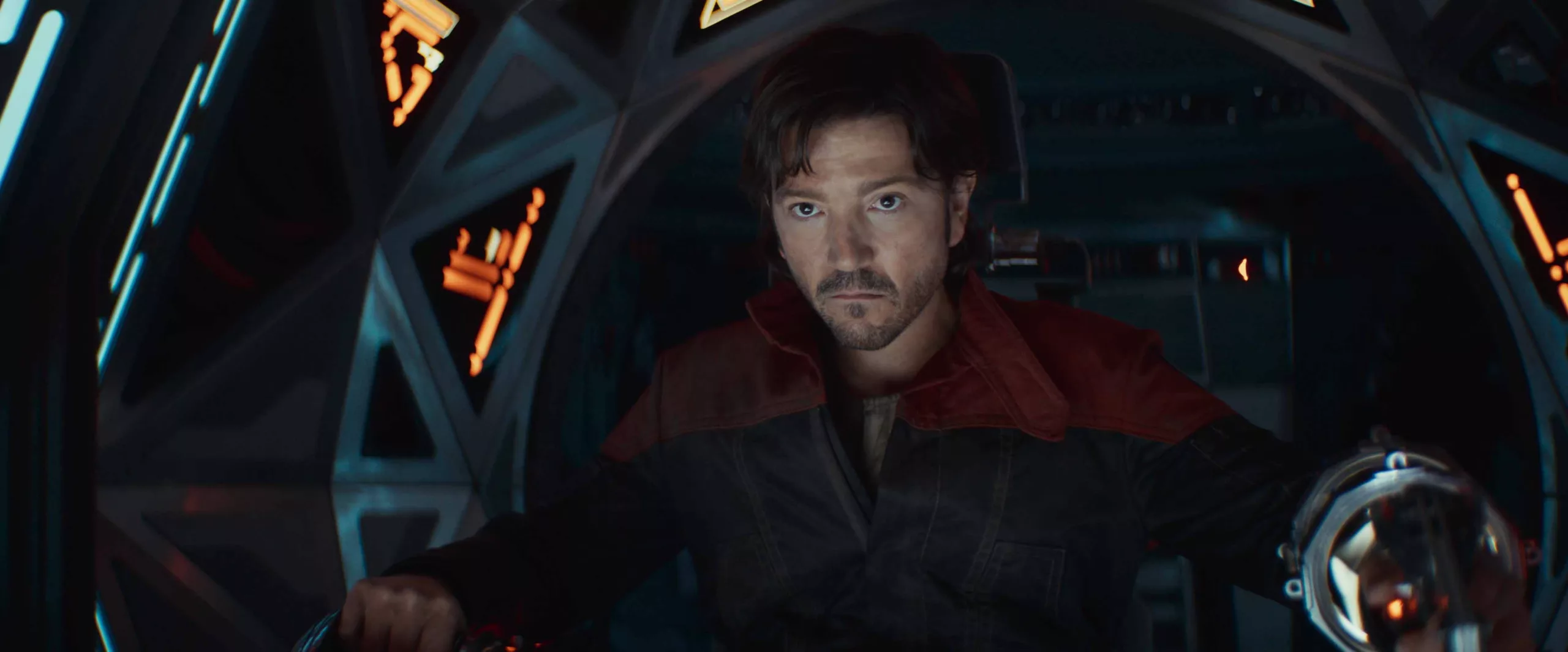
1. “Andor“ (Disney+)
“Star Wars” creator George Lucas has long lambasted the franchise’s often-critical fanbase, asserting that the films are “for 12-year-olds.” Granted, there’s plenty of truth to that; the galaxy far, far away we know and love was essentially built as high fantasy space adventure movies for adolescents, and it’s been rough watching Internet fan culture work themselves into a lather when the universe they grew up watching didn’t grow up with them. Enter “Andor,” Tony Gilroy’s answer to Lucas’ brief: That a world with talking robots and laser swords and mystical powers could still take itself seriously and answer burning questions about our own body politic, without losing any of its edge.
“Andor”‘s first season in 2022 was a revelation, and there was understandable concern that a second and final season wouldn’t hold up to the high standard set by the first. Lucky for us, then, that Gilroy and crew went above and beyond, fast-tracking the tragic life of Cassian Andor (a beautiful, brooding Diego Luna) and his compatriots’ attempts to build a viable rebellion against the ever-encroaching Empire into a series of chapters leading up to the events of “Rogue One.” Here, we watched the groundwork Andor, Luthen Rael (Stellan Skarsgard), and Mon Mothma (Genevieve O’Reilly) laid in Season 1 begin to escalate, then unravel: Rebel factions scrabble over power, prestige, and position, while the Empire manufactures consent to destroy a beloved commerce planet for the very mineral required to build the Death Star. Along the way, we see the macro and micro effects these political events have on the show’s characters, from the French Revolution-style underground on Ghorman to the personal trauma of loved ones like Adria Arjona’s shell-shocked Bix.
And all of this is delivered with the kind of patience, craft, and sophistication we rarely expect from Disney+ shows, other “Star Wars” entries included. As the smoke clears, it’s evident that “Andor” is more than just one of the best “Star Wars” stories ever created—it’s one of the great television shows of the century thus far. –Clint Worthington