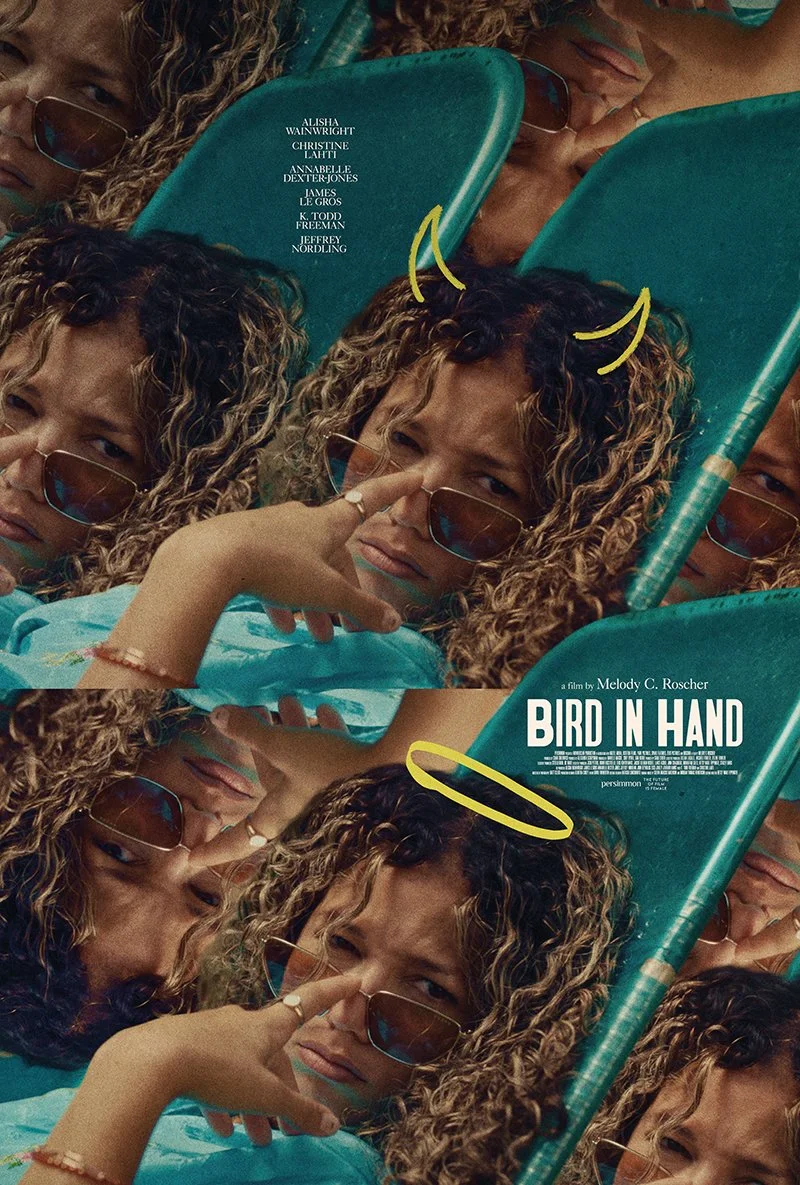

Melody C. Roscher’s “Bird in Hand” begins under tungsten streetlights, with a bride striding into a building. Then, the woman yacks in a sink and turns forward to reveal blood that drips from her eyes and soaks the front of her gown. The woman is Bird (Alisha Wainwright) in a Halloween costume. Her boyfriend, Frank (John Reynolds), is dressed as John Lennon in a low-effort ringer tee and jeans combo, but we learn they were at a child’s party, so while he looks lazy, Bird’s getup and level of intoxication are completely inappropriate.
In this bathroom, with deadbeat dads as the topic of conversation and a still-sour taste in Bird’s mouth, Frank proposes, popping the question with the kind of passive intimation one might use to suggest ordering in instead of cooking dinner. Bird responds with similarly indifferent acceptance, and already, Roscher’s portrait of relationships is painted in clashing colors.
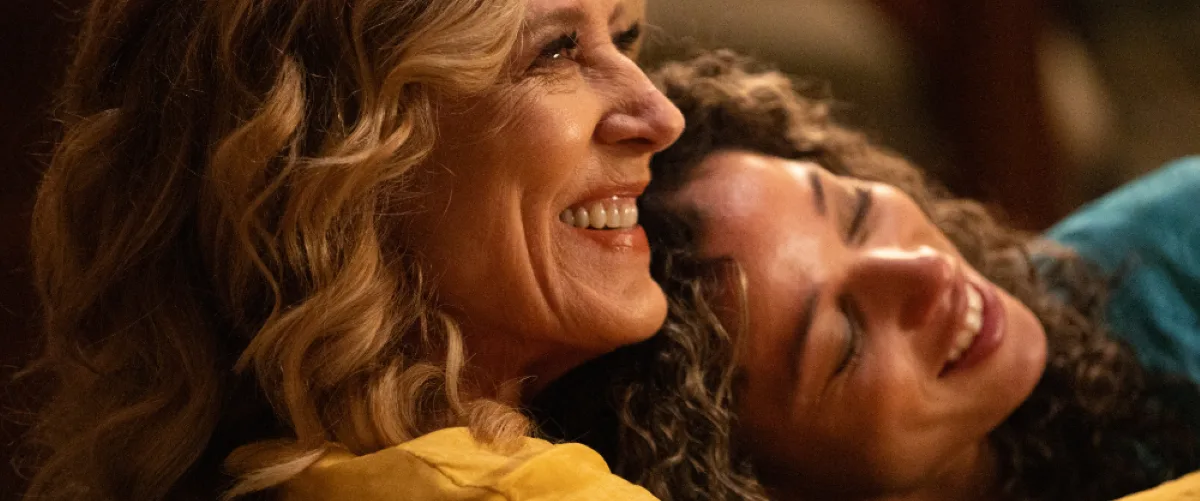
Bird then heads to her mother’s home under the guise of announcing and planning her wedding. In reality, she uses this news as a ruse to uncover answers about the father she has never known. Bird is biracial, raised by her white mother, Carlotta (Christine Lahti), who is flighty, narcissistic, and neurotic. Her stepfather, Dale (Jeffrey Nordling), is flippant and apathetic, at times supportive and at others, adversarial, but never truly sincere in either stance.
Their neighbors (two miles away in this beautiful yet hauntingly shot rural Virginian landscape) are a high-strung couple–selfish, insolent wife Leigh (Annabelle Dexter-Jones) and bubbly but suspiciously friendly Dennis (James Le Gros)–who live on a former plantation while they try to rehab the property (and its public image). Strung between unhappily married pessimists composed of cutting, displeased women and insouciant, unreliable men, Bird searches for clarity. She scavenges this weighted terrain for pieces of her identity. Yet, constantly subjected to acts of prejudice and racism both fleeting and gut-punching, Roscher’s screenplay begs tough questions about how one can possibly find their footing in their own history when they’ve been collared their whole life.
The answers are realistically untidy. “Bird in Hand” is funny and devastating. It paints a portrait of family that is binding, macabre, flimsy, and isolating. Resentment is at the forefront of this film, both as context and in action: Roscher’s characters are self-interested, manipulative, and deeply uncomfortable with their feelings, Bird included. They take everything out on each other and, in doing so, harm themselves most. And yet, in their mess, hysterics, and wit, the silver tongues of these characters are laughable, relatable, and, while not always lovable, empathetic (mostly).
The cast is phenomenal here. Wainwright is blisteringly tangible in rendering Bird’s steadfast desperation, and Lahti’s caustic flippancy is sandwiched between evocative moments of still-withdrawn, imperfect sincerity. Together they kick up a dust devil that propels the whole film forward. Le Gros and Nordling play opposite ends of the spectrum, emotionally frenzied and nonchalant respectively, both to effectively humorous ends. And Dexter-Jones’ spoiled, ill-mannered villainy is truly despicable.
Each of these figures is achingly real, and the film holds up a mirror to the wrenching qualities of selfhood, family, and personal history. Its tone–authentically volatile, absurd, yet enlightening–matches its display that broken families are not entirely damned. “Bird in Hand” is fraught and frisky, with Roscher’s finger on the pulse of an existence pursued sloppily yet relentlessly.