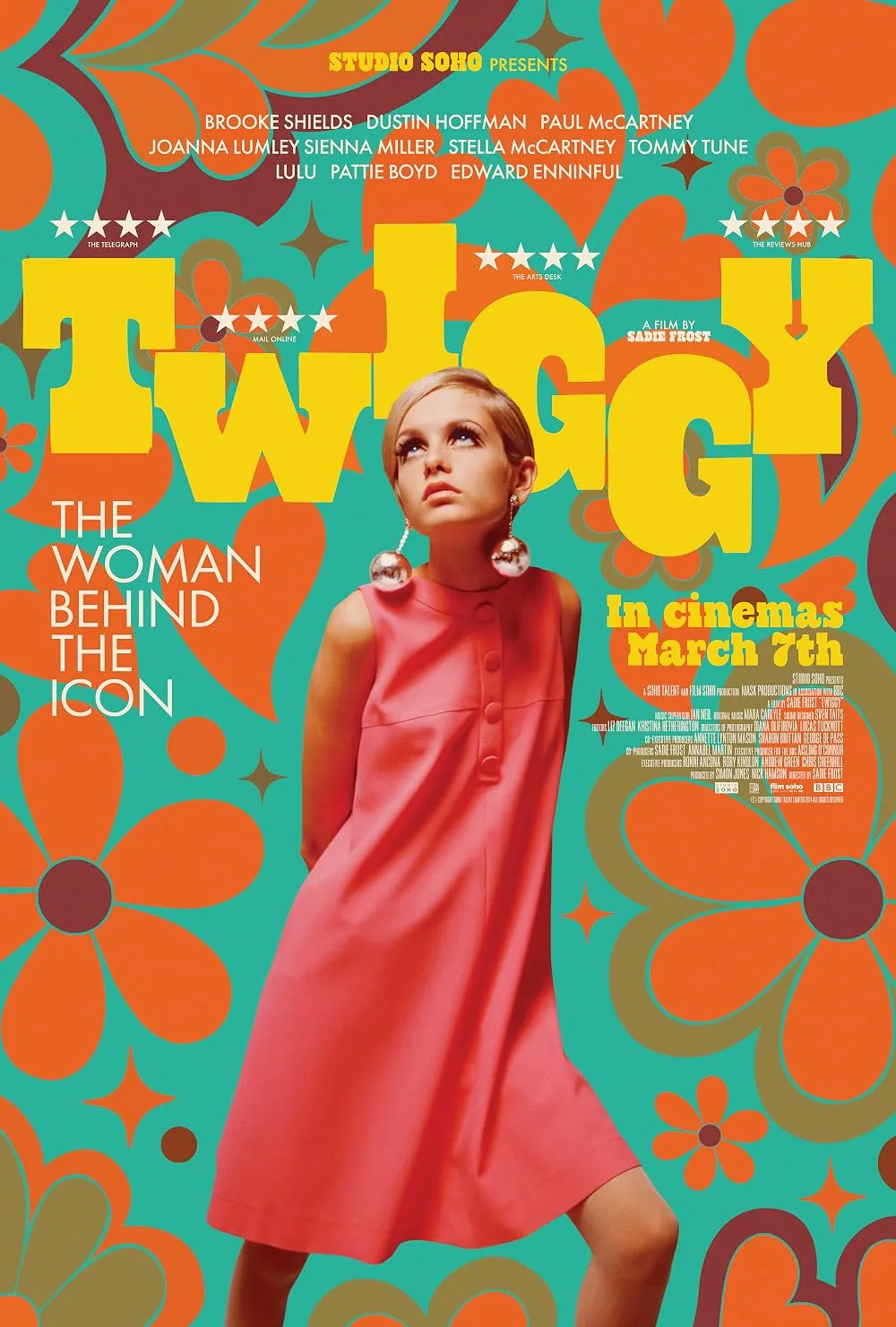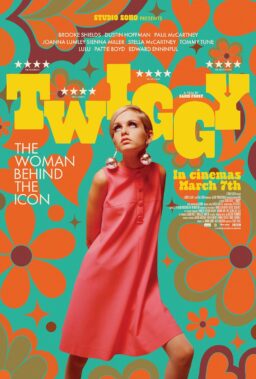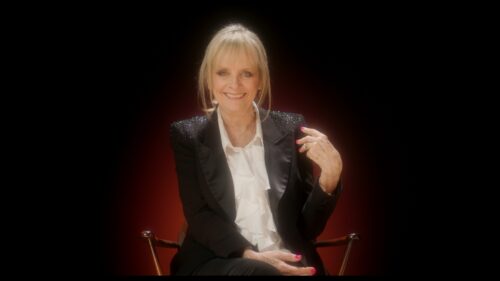
As this affectionate biographical documentary about 1960s iconic fashion model Twiggy opens, we’re told that a rocket ship was sent to space with a time capsule that included a photo of the then-teenager.
The film doesn’t reveal that it didn’t actually happen, but it is a popular legend because it feels true. What is true is that in less than a week in 1966, at age 16, Twiggy (nee Leslie Hornby) went from schoolgirl to international phenomenon after one photo was featured in a newspaper. Her nickname came from her 10-years-older boyfriend, also a hairdresser, who changed his name from Nigel Davies to Justin de Villeneuve. It referred to her skinny figure.
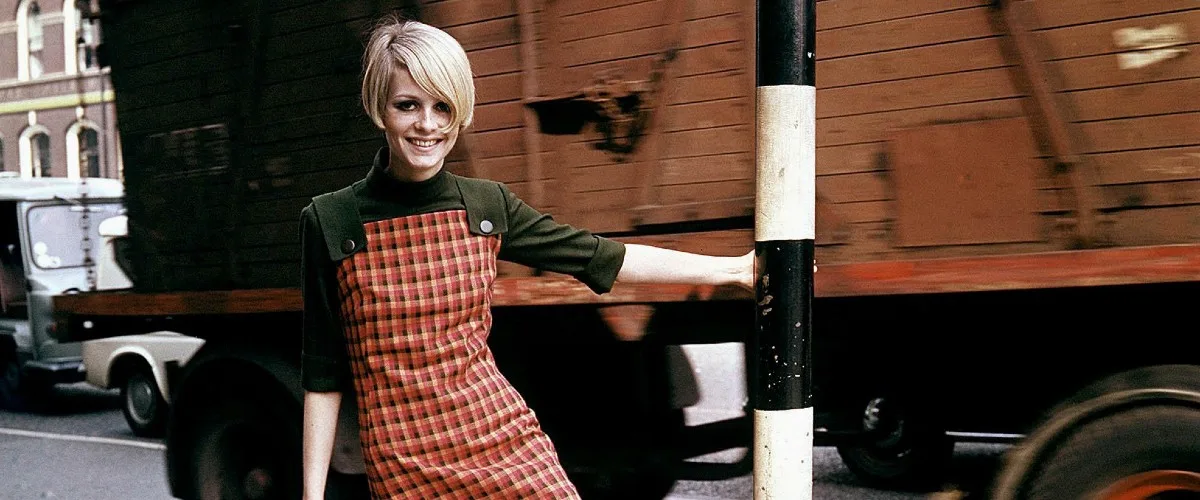
The models of that era were tall, elegant, and aristocratic. Twiggy was told she had no chance at a modeling career because she was too short and her figure was too androgynous. Then she got a new short haircut. The hairdresser took pictures of her to show off his new style, and the photographer placed one in a newspaper. Within days, modeling agencies called her.
Then she was on magazine covers around the world. Her look was new and emblematic of a cultural tectonic shift known as “Swinging London,” and it was called a “youthquake.” Twiggy was unabashedly lower middle class. Her teeth were not straight. Instead of the remote, slightly snooty look of the popular models, she smiled, a genuine, happy smile.
The WII and post-war “keep calm and carry on,” “finest hour” culture had given way to the “kitchen sink” realism era of rude disrespect for social class and cultural norms, with gritty plays and movies about angry working-class people. After that, the Beatles and the British Invasion pop and rock groups that followed captivated British and then American baby boomers, who were at the beginning of our own youthquake.
London became a cultural polar star for teenagers, with “Carnaby Street” a term to include the height of 60s miniskirt style popularized by Mary Quant (the subject of an earlier documentary by this film’s director, Sadie Frost). Twiggy was there at the right time, and she was the right person.
We see a series of interviews and backstage clips from that era. She showed endless patience and good spirits through many interviews with men asking intrusive and offensive questions about her body. Woody Allen makes the mistake of asking the then-teenager to name her favorite philosopher. When she cheekily turns the question back on him, he is so nonplussed he cannot answer.
Frost lets Twiggy do what the media around her in the 1960s did not—she gives her a chance to tell her own story. The details of how she came up with her signature eyelash look are adorable. Because she was an instant icon, one of the most photographed people of the 1960s, there is a wealth of archival material, both the familiar images and the glimpses behind the scenes, presented with art and intention.
Twiggy was photographed by the top camera artists of her day, including Cecil Beaton, Richard Avedon, Bert Stern, Annie Leibovitz, and Steven Meisel. Those images are still gorgeous and striking. We hear from her contemporaries, including the always-welcome Joanna Lumley, who modeled in the same era, and from Brooke Shields, who sympathizes with her about growing up in the public eye. Dustin Hoffman shows up to tell us that Twiggy laughs like a truck driver, and Paul and Stella McCartney share their affection for her.
Unlike Shields, Twiggy’s family stayed out of her career. Her mother had undiagnosed bipolar disorder and was frequently hospitalized, but her father’s calm, centered, consistent support for her and for her mother was something she appreciated and later drew on in her own life. De Villeneuve was not a good boyfriend, but he was very protective and insisted on accompanying her to every photo shoot to make sure there was no predatory behavior.
After Twiggy stopped modeling and broke up with him, she met her first husband when they co-starred in a now-forgotten movie called “W.” He became an alcoholic, and they were separated when he died at age 53. Their daughter, Carly, appears in the documentary, and they clearly adore one another. Twiggy, now Dame Lawson thanks to royal honors, has been very happily married since 1988 to actor Leigh Lawson.
Her career since the supermodel days includes her first film, Ken Russell’s trippy musical “The Boy Friend.” She had never sung or danced and appeared opposite ballet star Christopher Gable and Broadway star Tommy Tune. She won two Golden Globes for the role, and Tune was so impressed he asked her to join him on Broadway for “Me and My Gal,” which earned her a Tony nomination. Since then, she has acted on television and in movies, created a fashion line, and even done more modeling. Listen closely to the pop songs on the movie soundtrack; Twiggy sings them.
As she tells her story, she is always honest, gracious, and grateful, and she makes sure to include the names of the people she worked with. It was never about fame or money. She is just game to take on any challenge but does not let any part of it define her. Perhaps the key is when she says simply, “I love to work.”
Ultimately, this film is fun because it offers a glimpse of its era. But more importantly, it is an inspiring story of Twiggy’s extraordinary resilience through difficult times, personal and professional, without ever losing her sense of purpose or her sense of humor.