
There’s a deceptive simplicity to “The Fence,” which unravels its four-hander proceedings with such repetitive reservation that you’d be forgiven for thinking this story would have initially been better served as a short film. It traffics in similar themes such as colonialism, racial segregation, and the violence of isolation that have captivated the past works of Claire Denis, but the film presents them in a stripped-down manner, nestling its provocations in the sounds of chirping crickets, rusty wheels, and assault rifles. Settle into the groove of its wavelength, and you’ll find a project that champions the inevitability of truth, even as those who would benefit from its revelation would seek to bury it.
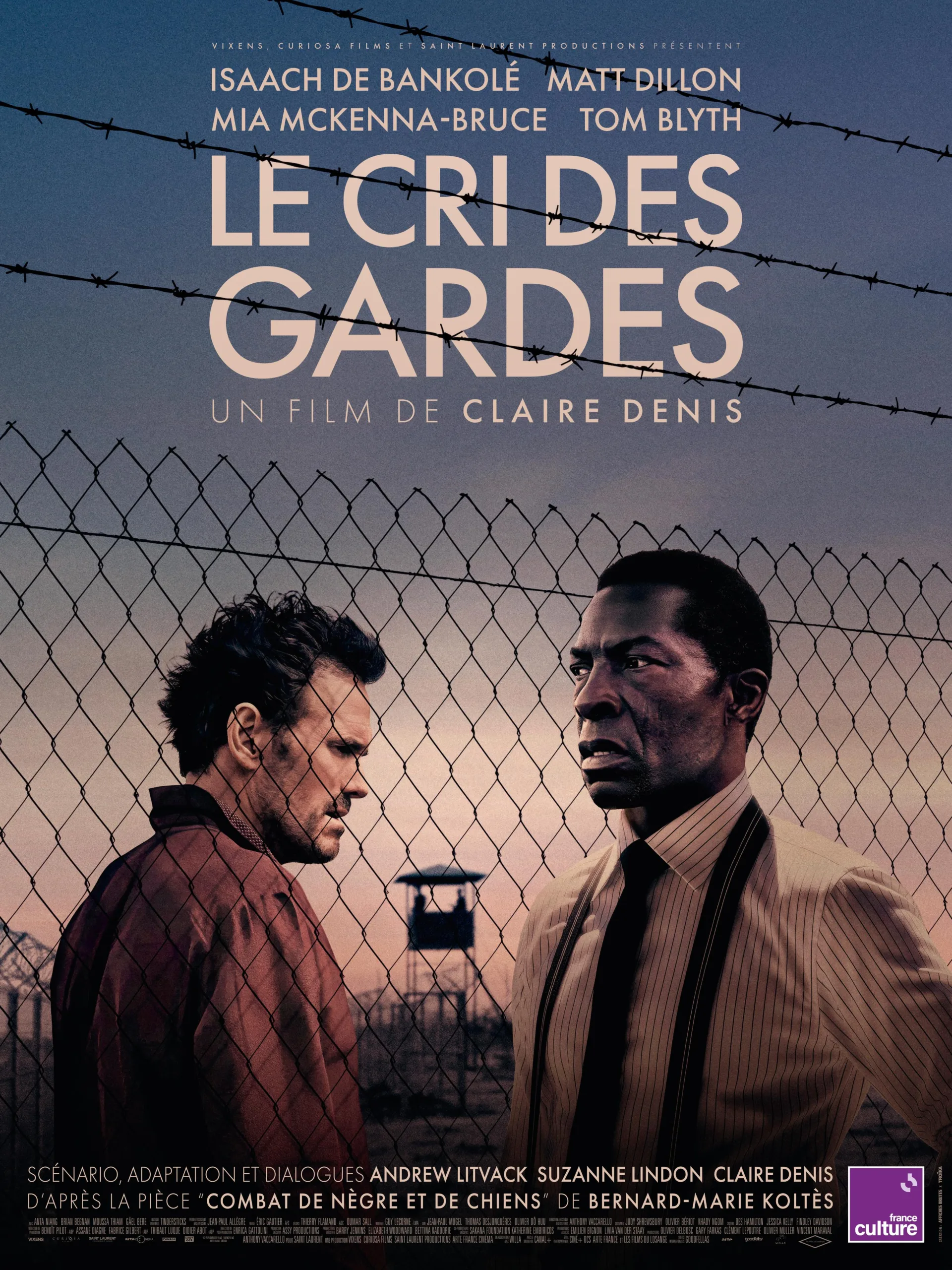
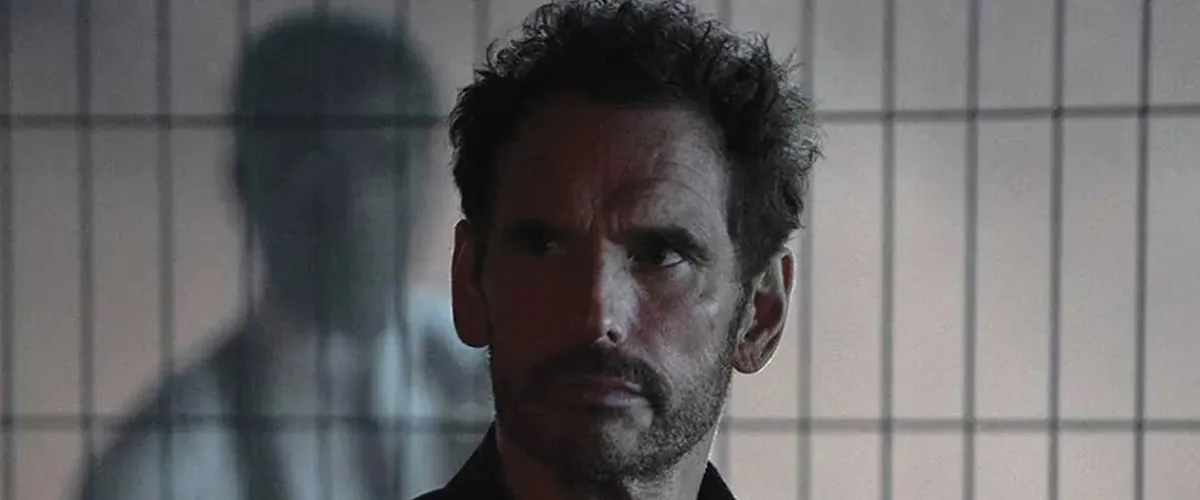
For as quiet and understated as the film is, there’s a sense of escalating dread in “The Fence,” which Denis adapts from Bernard-Marie Koltès’s play Black Battles with Dogs. Denis constricts expansive spaces, making moments of tranquility anxiety-inducing. She reunites with “Both Sides of the Blade” cinematographer Éric Gautier, and their work here is among their finest, as they transform a construction site in West Africa into a hotbox of buried secrets and repressed emotions. At the center of this operation is foreman Horn (Matt Dillon), who anxiously awaits the arrival of Leonie (Mia McKenna-Bruce), his much younger love, coming from London. A local man, Albouny (regular Denis collaborator Isaach de Bankolé), comes up to Horn’s construction site and home and demands the body of his deceased brother Nouofia, who was killed in a work accident. Horn has his own secrets to hide and, not wanting Leonie to see his mendacity so nakedly, tries to woo Albouny away with the promise of money and that he can simply come back in the morning for his brother’s body. Albouny is unrelenting, his voice rarely rising above a conversational tone, but his determination disarms Horn’s verbal gymnastics, who can’t understand why a seemingly poor, simple West African local would turn down the promise of life-changing money.
Most of the film takes place on both sides of the fence, with occasional cutaways to the inside quarters where Leonie and Cal (Tom Blyth), Horn’s right-hand man, feud once Leonie arrives. The film’s real-time structure allows Denis and Gautier to mirror the escalation of the conflict between Horn and Albouny through the interplay of light and shadow. As the film unfolds over a night, the camera plays with the framing of these two men in the dark, the lighting of the corporeal being distinct from one shot to the next, as if to embody the shifting power dynamics between them. Being white and the one with armed, mostly local West African guards, Horn is in firm control, but he loses his cool at his opponent’s resolution, a clever way to acknowledge the ceding of power.
Someone is far more dangerous when they can’t be bought, and Horn realizes he is out of his depth morally as he sees Albouny refusing to back away. Dillon deftly captures Horn’s earnest incompetence as a man who horrifically realizes that corporate platitudes are ineffective when dealing with flesh-and-blood human beings. By nature of the story, Bankolé has to remain stoic and resolute, but even he finds an entry point for the audience to his groundedness. Anyone who has ever tried to hold any corporation accountable only to give up out of frustration may find renewed strength in his character’s arc.
The most rewarding part is the way Denis gives viewers time to marinate in this admittedly slow pace. As the film flits between Horn trying to send Albouny away, the latter refusing, and the cycle repeating, it becomes a quiet celebration of the underdog’s bark and bite.
The film’s repetition highlights the absurdity of corporate excuses used to cover up wrongdoing. It’s comical to see Horn fail repeatedly at sending Albouny away, and to see the tables of power shift once Leonie catches wind of the foul play that resulted in Noufia’s death. Those in charge will offer the cleanest, most hand-waving excuses for their sins, and most of the world may think it’s enough, whether out of fatigue or genuine belief. It’s the people like Albouny, for whom such words evaporate upon impact. We should never be afraid to demand nothing less than the truth.