At the outset of the five-part PBS documentary series “Bucks County, USA,” the sounds of a school choir singing “What a Wonderful World” play gently in the background as we hear from residents of that region in the Commonwealth of Pennsylvania, telling us what they’ve been labeled:
“I’ve been called a pedophile.”
“I’ve been called a Nazi.”
“I’ve been called anti-American.”
“I have been called a COVID denier.”
“I’ve been called a dyke and a groomer.”
That’s some wonderful world.
Directors Barry Levinson (who has captured the American experience in brilliant fashion in films such as “Diner,” “Good Morning, Vietnam” and “Wag the Dog”) and Robert May (producer of “The Fog of War”) filmed over four years in Bucks County, PA, a politically purple county in a purple state that serves as a microcosm of our divisive and polarizing culture wars. It’s a valuable video time capsule of America in the early 2020s, but the filmmakers are so focused on giving equal time to all sides, even the most dangerous, unhinged, and bigoted viewpoints, that at times it flattens out and feels overly academic and dry.
We’re also talking about a five-part series with a total running time of 310 minutes. Given that each episode follows a pattern of talking head interviews, news footage, video of contentious school board meetings, and the occasional glimpse of school activities or town celebrations such as Christmas tree lightings and a re-enactment of Washington crossing the Delaware, that’s an awfully long and sometimes dry journey.
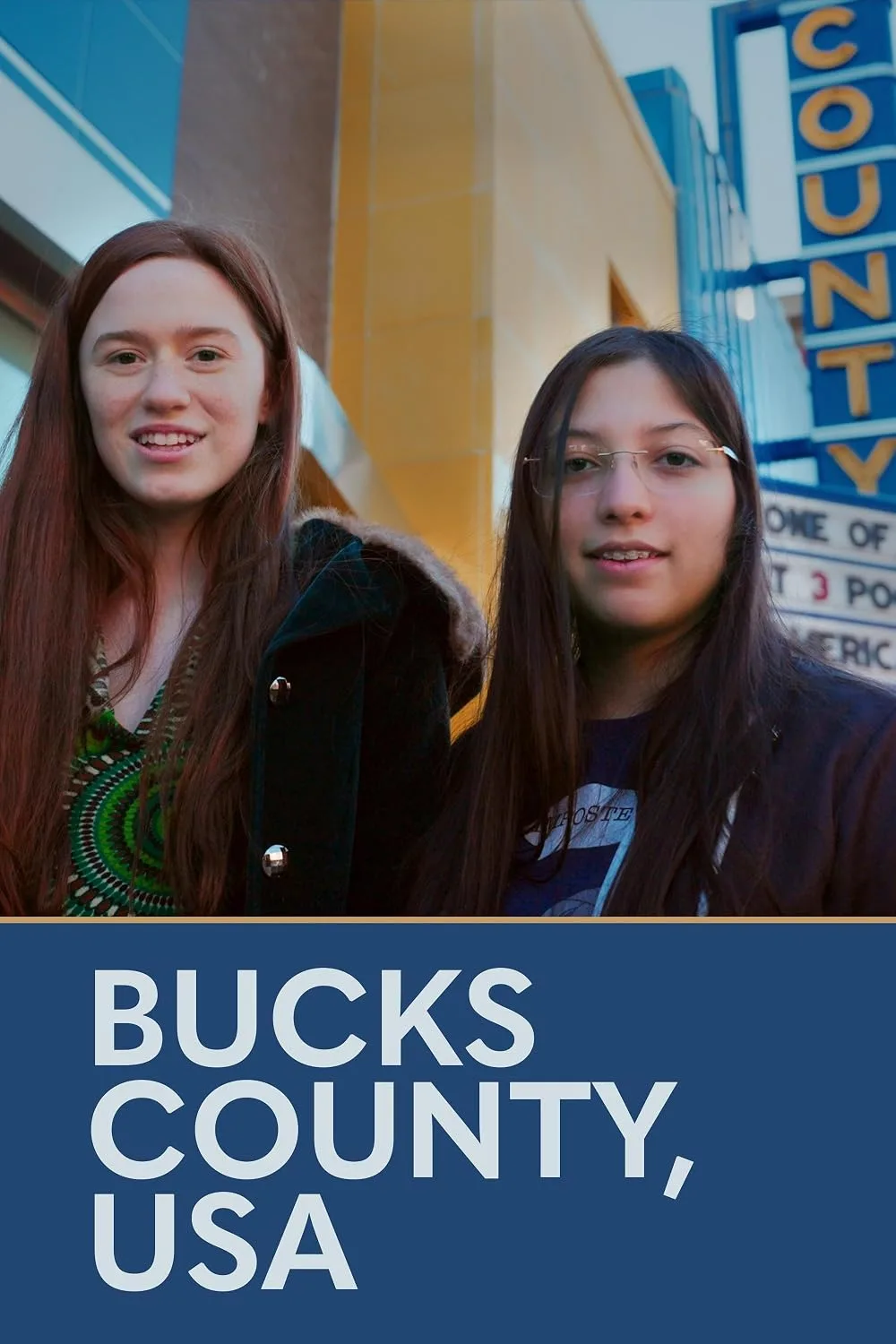
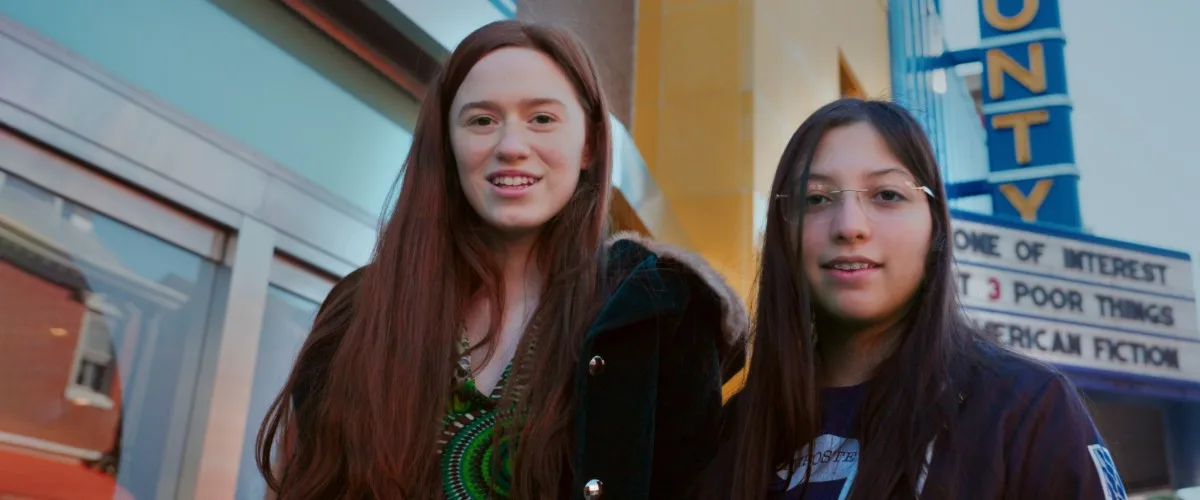
Our tour guides on the documentary are Vanessa and Evi, two 14-year-old best friends whose parents are diametrically opposed on every political issue imaginable. Evi is a bubbly free spirit who wears colorful, poofy dresses to school every day, loves “Hamilton” and American history, and advocates for her LGBTQ friends. Her mom is a liberal who encourages Evi to be true to her best self. Vanessa shares Evi’s love of history and is also smart and endearing, but she’s much more guarded. Living in a mansion probably five times the size of Evi’s house, Vanessa says she’s super close to her mom, but she doesn’t see her father much because he’s always traveling for work.
Enter the closest thing to an antagonist in the documentary. Vanessa’s father, Paul Martino, is a wealthy, right-wing venture capitalist who gets involved in politics during the pandemic and supports candidates who are willing to reopen schools. Martino boasts about installing 160 school board members statewide and spending hundreds of thousands of dollars on campaigns. He gets involved in nasty online name-calling wars with his opponents (who are just as vicious in their remarks), and says of his foes, “Instead of complaining, go win an election.”
Can’t argue with that—but there’s something disingenuous about Martino, who plays the aw-shucks everyman on camera even as he supports candidates who want to ban books and remove the Pride flag from schools and denigrate the “woke left.” Wearing masks became politicized. The mere mention of “DEI” was weaponized. We hear from parents and educators who say the problems in Bucks County stemmed from COVID and how everyone felt isolated and disconnected, but it’s clear things weren’t exactly idyllic in the classroom or in the community before the pandemic. People were just emboldened to be louder, less tolerant of the other side, more inclined to rant and rave at school board meetings.
“Bucks County, USA” introduces us to several adults who get involved in politics. The Kings are a Black family in an overwhelmingly white district who are subjected to racist bullying when Adrienne King runs for the Pennridge School Board. Kitty is a retired schoolteacher with progressive views who tries to reach across the aisle and have face-to-face meetings with the other side. (Spoiler alert: it doesn’t go well.) Vonna is a conservative third-grade teacher whose views seem to shift further to the right, especially when her school board flips and comes under Democratic control. Everyone believes they know what’s best for the schools and for their communities—and there’s almost no hope for civil discourse, let alone compromise. It’s reality, and it’s depressing.
We enter a kind of metaverse when the last episode of the series takes us to Sundance 2025, where the first two chapters are showcased. Most of the main participants, including Evi, Vanessa, and their parents, are onstage for a post-screening Q&A where the audience is borderline hostile in their comments about how poorly the adults have behaved through all of this. (“Why can’t you be like your kids!” exclaims one audience member.)
When the subjects of the documentary gather in Sundance for a post-screening conversation, it gets ugly. The lesson of “Bucks County, USA” is that we all need to do better. Okay, fair enough—but the documentary mirrors the dilemma it’s chronicling without drawing a strong enough distinction between opposing views and dangerous crusades.