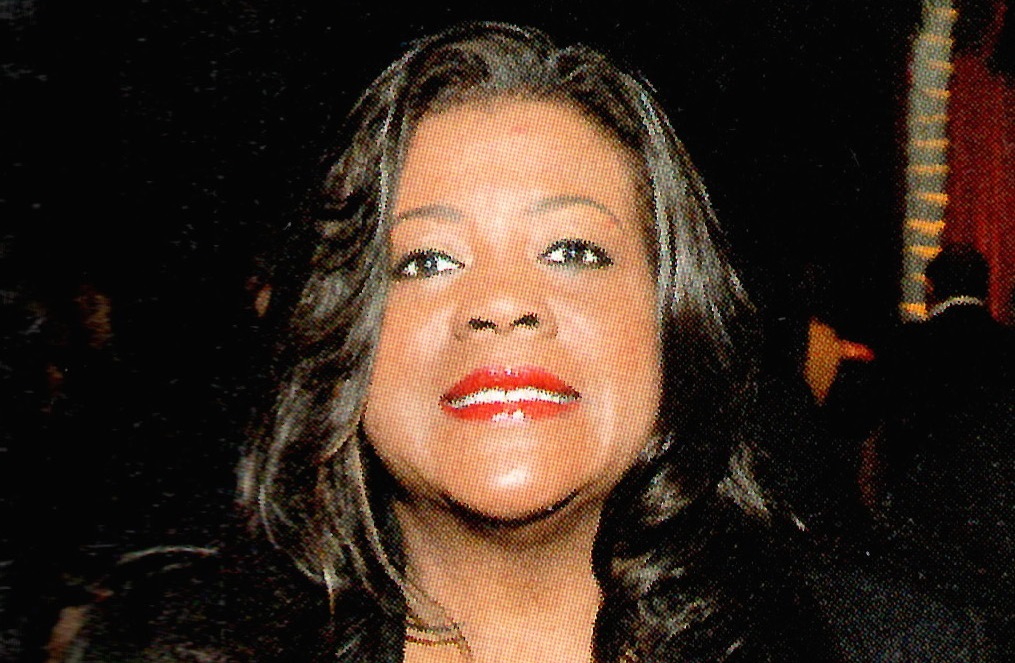
The term icon is being thrown around so casually these days that I consulted the textbook definition of it: “A person or thing widely admired or recognized for having great influence, significance, or style in a specific sphere.” If you replace the “or” with “and” this summation fully applies to the legendary labor leader Dolores Huerta (1930-2026), who truly did tick all the boxes. The iconic Ms. Huerta passed away of cancer on October 28 at the age of 96.
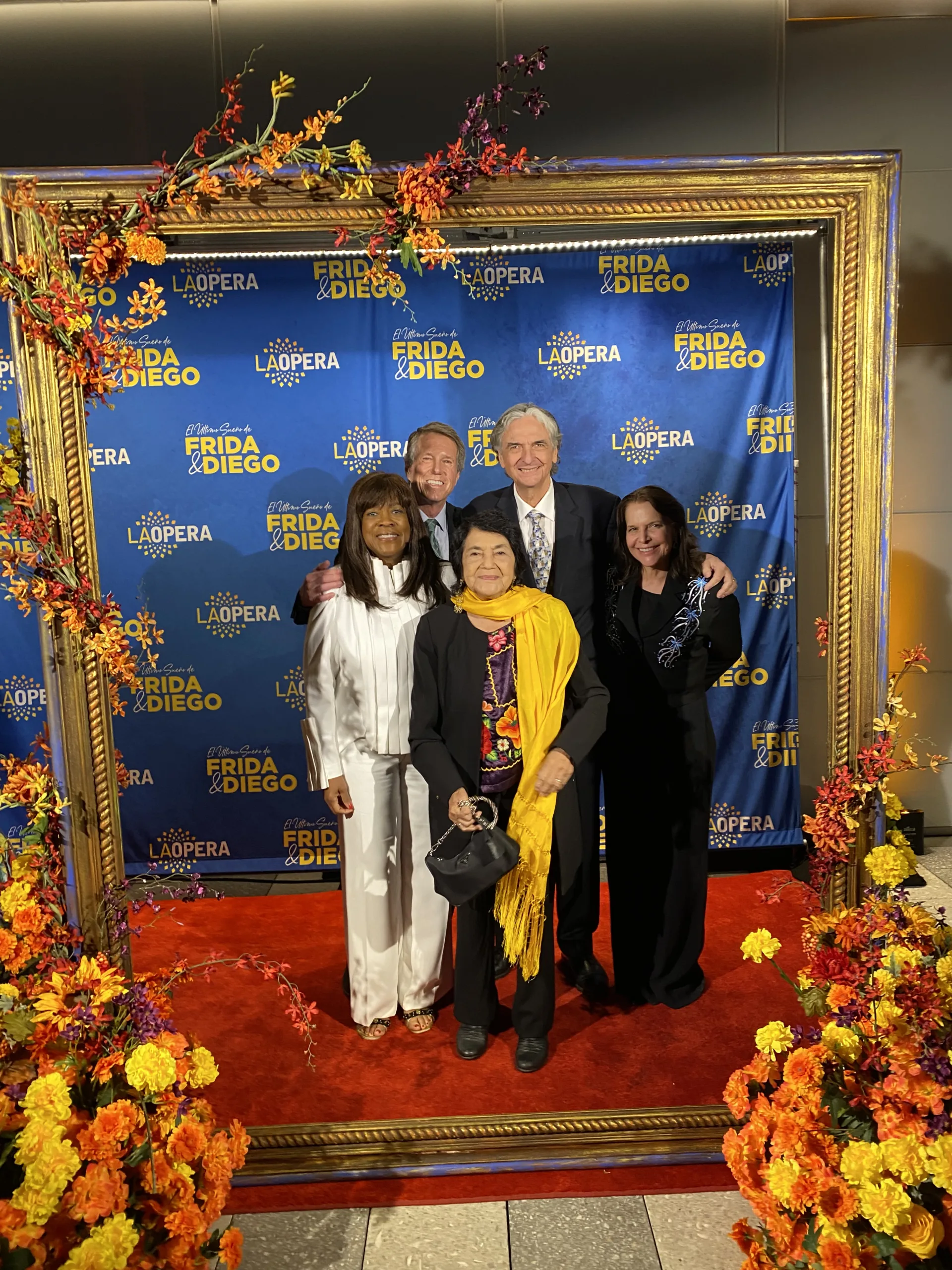
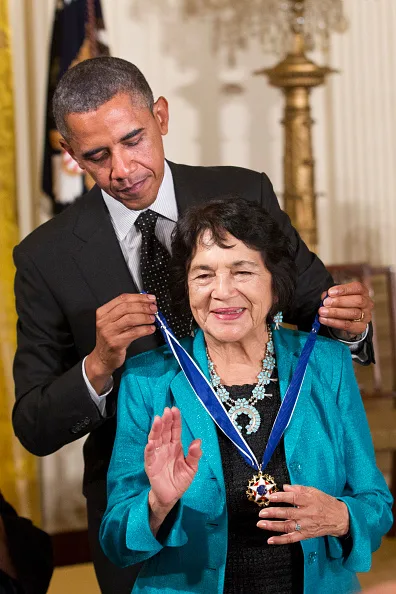
We have lost so many inspirational giants in 2026, many of whom we were blessed to have with us for the greater part of a century. Ms. Huerta spent no less than seven decades fighting for the rights of farm workers, immigrants and women, uplifting those whose voices sorely deserved to be heard. I had the privilege of sitting next to Ms. Huerta during the wedding dinner of celebrated Latino filmmakers Gregory Nava and Barbara Martinez Jitner. I could immediately sense both a kindness and a magnetic quality about her. Even though small in stature, she was the sort of person who lit up the room with her mere presence, illuminating for us what indeed was possible if we put forth the effort to achieve it. No wonder her slogan for the United Farm Workers (UFW), “Sí, Se Puede,” inspired that of Barack Obama’s presidential campaign, “Yes We Can.”
The crucial labor union United Farm Workers would not have formed in 1966 had Ms. Huerta not co-founded the National Farm Workers Association (NFWA) just four years prior with César Chávez and Gilbert Padilla. When the Agricultural Workers Organizing Committee went on strike against the exploitation of workers by grape growers in Delano, California, the NWFA quickly joined them in the fight, leading them to merge into the UFW. “If this road we chart leads to the rights and reforms we demand, if it leads to just wages, humane working conditions, protection from the misuse of pesticides, and to the fundamental right of collective bargaining, if it changes the social order that relegates us to the bottom reaches of society, then in our wake will follow thousands of American farm workers,” Ms. Huerta declared in her 1969 “Proclamation of the Delano Grape Workers.” By the following year, she had negotiated with all of the struck grape companies to commit to improving the health and safety of their workers.
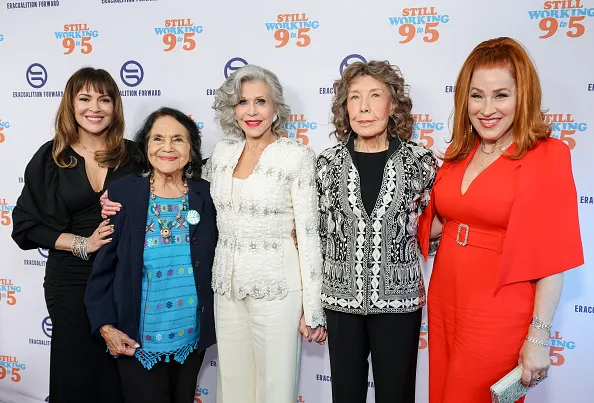
Though “feminist activist” was not a title that Ms Huerta initially sought out for herself, she came to the women’s movement on her own terms and became one of its leading voices. She campaigned for reproductive rights and aided Latina women in becoming a more active political force through her work with the Feminist Majority Foundation. Alarmed by the misogyny expressed by our current president upon entering his first term in office, she served as an honorary co-chair of the 2017 Women’s March in Washington, D.C., alongside Gloria Steinem, Angela Davis, Harry Belafonte and LaDonna Harris. Just this past March, she broke her silence about the sexual abuse she received from Chávez after learning of other survivors covered in the New York Times’ exposé. For the entirety of her life, Ms. Huerta worked to hold people, regardless of their sociopolitical persuasion, accountable for their actions.
It is clear that no single film could encompass the sheer enormity of Ms. Huerta’s life. Nearly a decade ago, director Peter Bratt released a documentary about her, “Dolores,” which provided viewers with the valuable opportunity of getting to hear about Ms. Huerta’s life in her own words. Four years prior to that, Rosario Dawson portrayed Ms. Huerta opposite Michael Pena in the title role of Diego Luna’s film, “César Chávez.” There’s even an opera about her, “Dolores” by Marella Martin Koch and Nicolás Lell Benavides, that I can’t wait to see.
And currently Gregory Nava and Barbara Martinez Jitner are working on an all-encompassing project about the life of Ms. Huerta. When Nava’s earlier film “El Norte” was shown in recent years at the Sundance Film Festival he said: “When you’re young, you’re full of dreams and you believe anything is possible… When I said I wanted to be a filmmaker, so many people told me, forget it. There’s no Latinos in the film business. But I remembered I was so inspired by Dolores Huerta and Cesar Chavez and everything that they accomplished. They really brought an identity to us. Her immortal phrase–‘Si, se puede,’ ‘Yes, you can’–was more than just helping farm workers… it was helping all of us to realize our dreams. I was so inspired by Dolores, and I went for it.”
Thank you, Ms. Huerta, for inspiring each of us to internalize the truth that, when faced with adversity, we have the ability to resist, to organize, to fight with everything we’ve got. And to remind ourselves that “Si, Se Puede.”