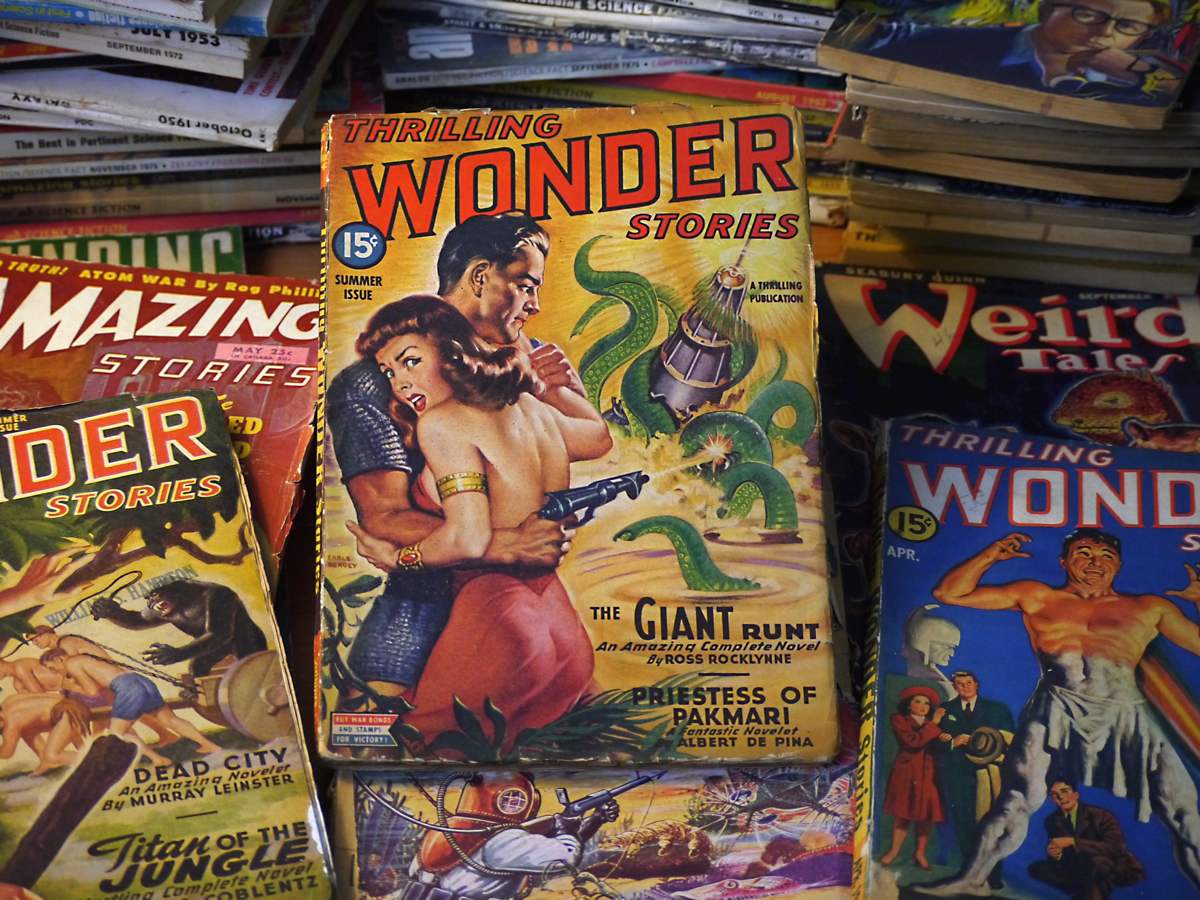
The Fan: Roger’s Passion for Pulp Lit
Andy Ihnatko recalls Roger’s passion for pulp literature.


Andy Ihnatko recalls Roger’s passion for pulp literature.
Here are some ways to celebrate Roger’s birthday (a birthday shared by Sir Paul McCartney).
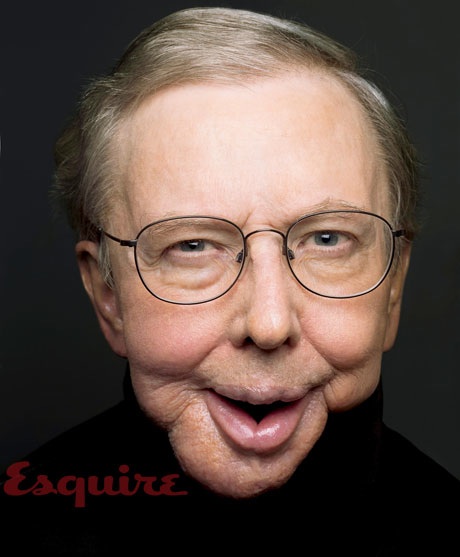
Here are links to a small sampling of the thousands of tributes written about Roger Ebert since his death in April, 2013.

Excerpts from interviews and profiles of Roger Ebert, from Esquire, The New York Times, The Boston Globe, Publishers Weekly, and Fresh Air.
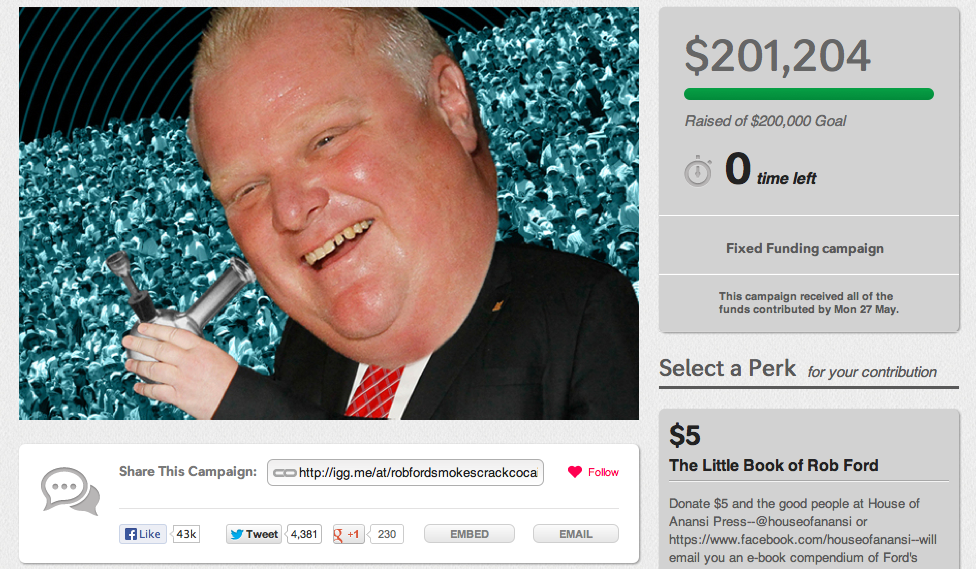
Asymmetrical journalism and the Rob Ford crack tape; Sofia Coppola’s The Bling Ring presents life as “an endless selfie”; James Lipton was once a pimp, apparently; Egypt solves the problem of how to censor “salacious” content by airing a sitcom with no women in it; Seattle’s Egyptian movie theater to close; dumbest beauty pageant contestant answer ever?
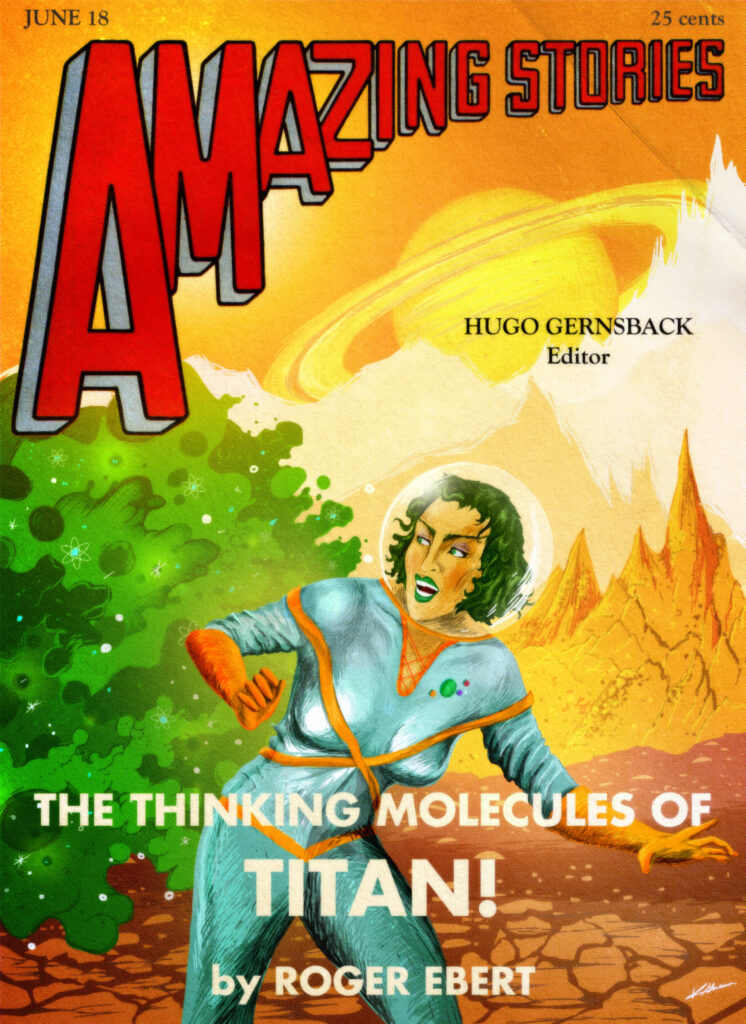
UPDATE, JUNE 27: Roger started this fun story
about the patterns of molecules on Titan and the entries you are
sending in to finish it are pretty cool and entertaining! We are leaving this contest
open for one month, from June 18 to July 18, and after that time we
will start sharing your entries and allowing you to vote on them. So
please keep those entries coming!
Before he died, Roger was working on science fiction story about space exploration set in part at his beloved University of Illinois. We’re
having a contest to finish Roger’s story. Write your own ending and send it to us. We’ll gather the submissions, solicit your votes on which is the best, and announce the winner on the
site. (Illustrations by Krishna Bala Shenoi.)
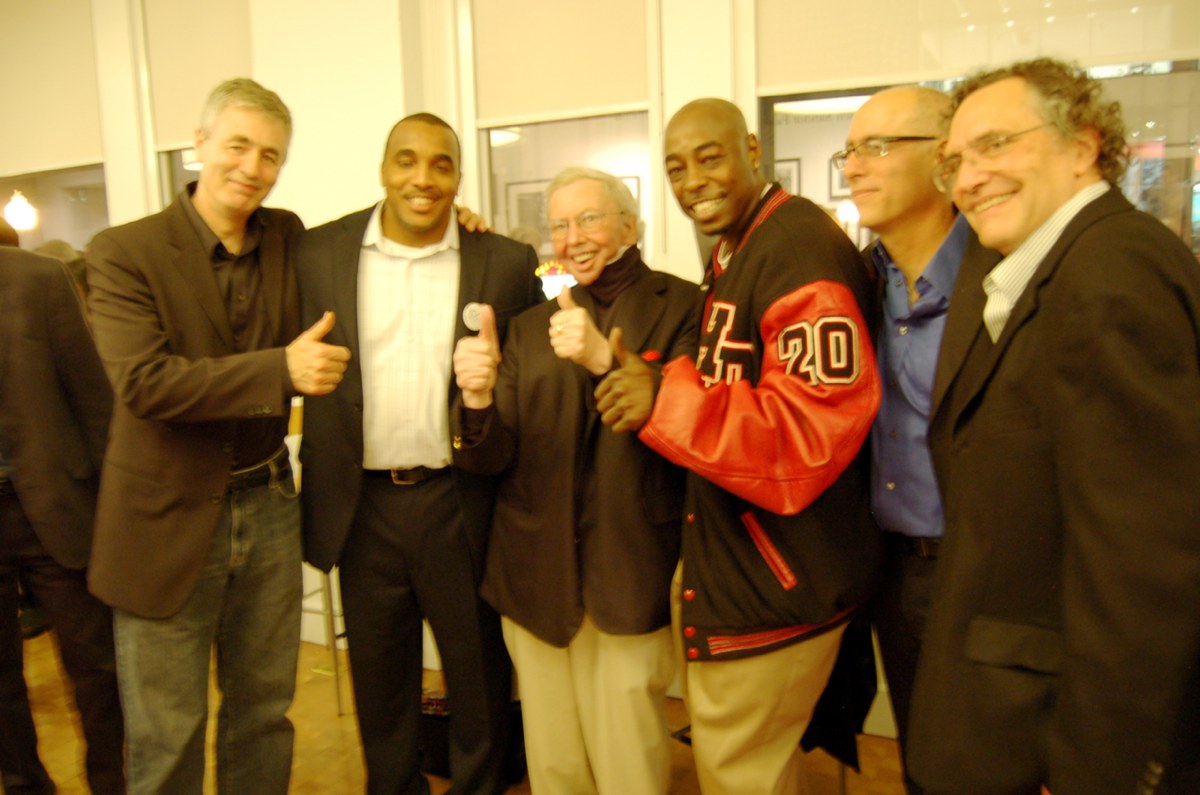
Roger was a tireless advocate for the films he loved. Sometimes that gave a film a little boost. Sometimes his praise saved the day for a
film that might have disappeared without him. Here are eight films whose
fate was shaped in part by Roger’s reviews.
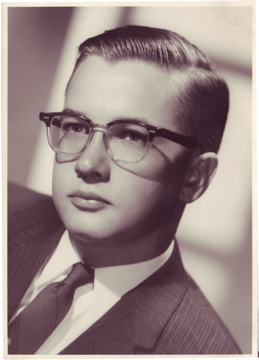
Roger Ebert didn’t just write about film. He wrote about the world around him with avid curiosity, from walking tours in London to Twitter, from Steak ‘n Shake restaurants to Downton Abbey. Here are some of our favorites.
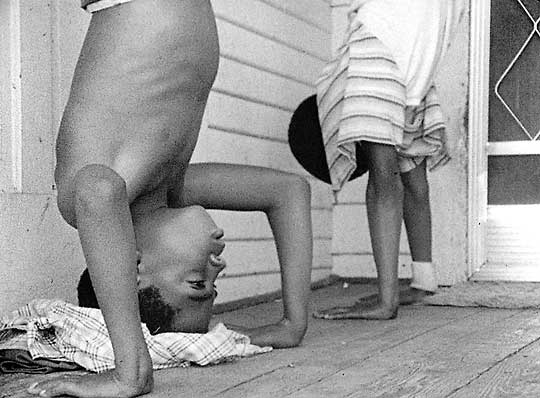
Why African-American poverty is not just another class issue; 5 myths about privacy; Samantha Power, journalist-diplomat; pot-grower to the stars; Lynda Obst on why Hollywood is “completely broken”; Google launches “Internet balloons” to ensure web access everywhere.
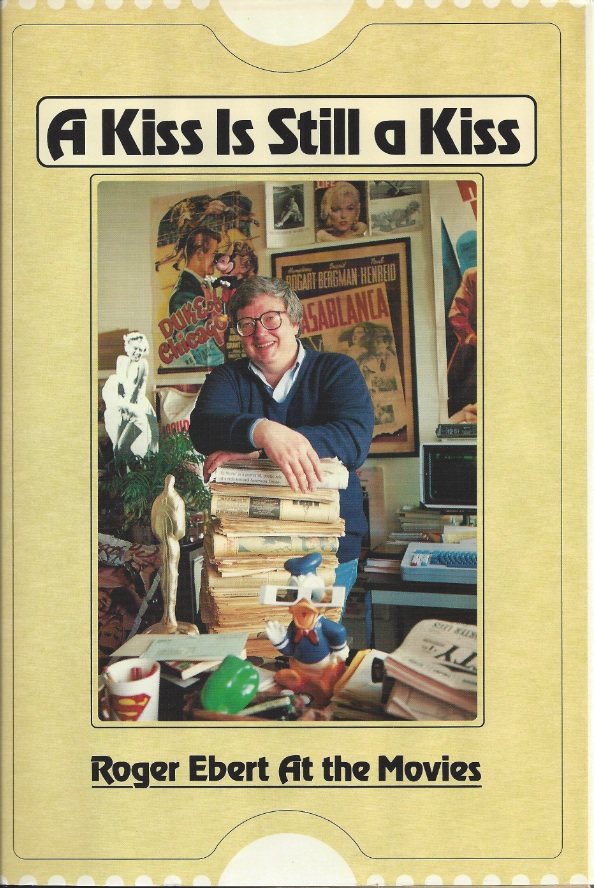
A remembrance by Roger Ebert’s book editor Donna Martin: “I had never even seen “Siskel & Ebert” on television when I knew I wanted to publish Roger’s first book. John McMeel, president of Universal Press Syndicate/Andrews McMeel Publishing in Kansas City, had met Roger Ebert in the Chicago Sun-Times newsroom back when John was selling syndicated features to newspapers.”

I cried yesterday at a retreat while listening to Michael Buble’s rendition of “Smile.” The tears came from out of nowhere. Music has a way of cutting through all of your defenses. It goes straight to the heart and just zings you. I have been on the go continuously for the last two months since Roger
passed. I have been smiling through it all, remaining stoic, having my
private moments but standing straight and steadfast. These tears came as a shock to me. But, oh, what a welcome relief.
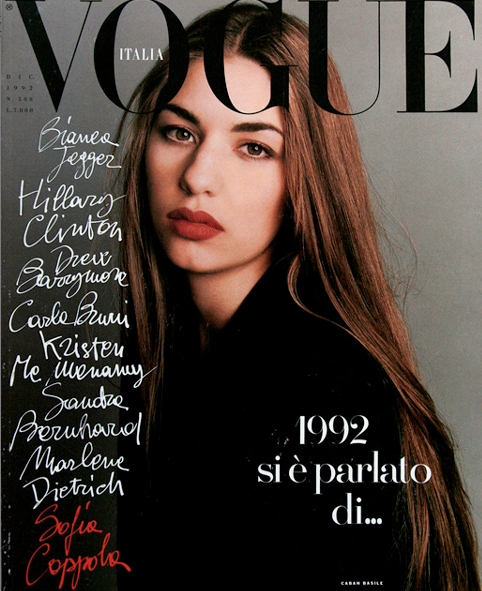
Sofia Coppola’s privilege problem; why “Happy Birthday to You” isn’t in the public domain; surveillance in America, and in the movies; five dictators who despise social media.
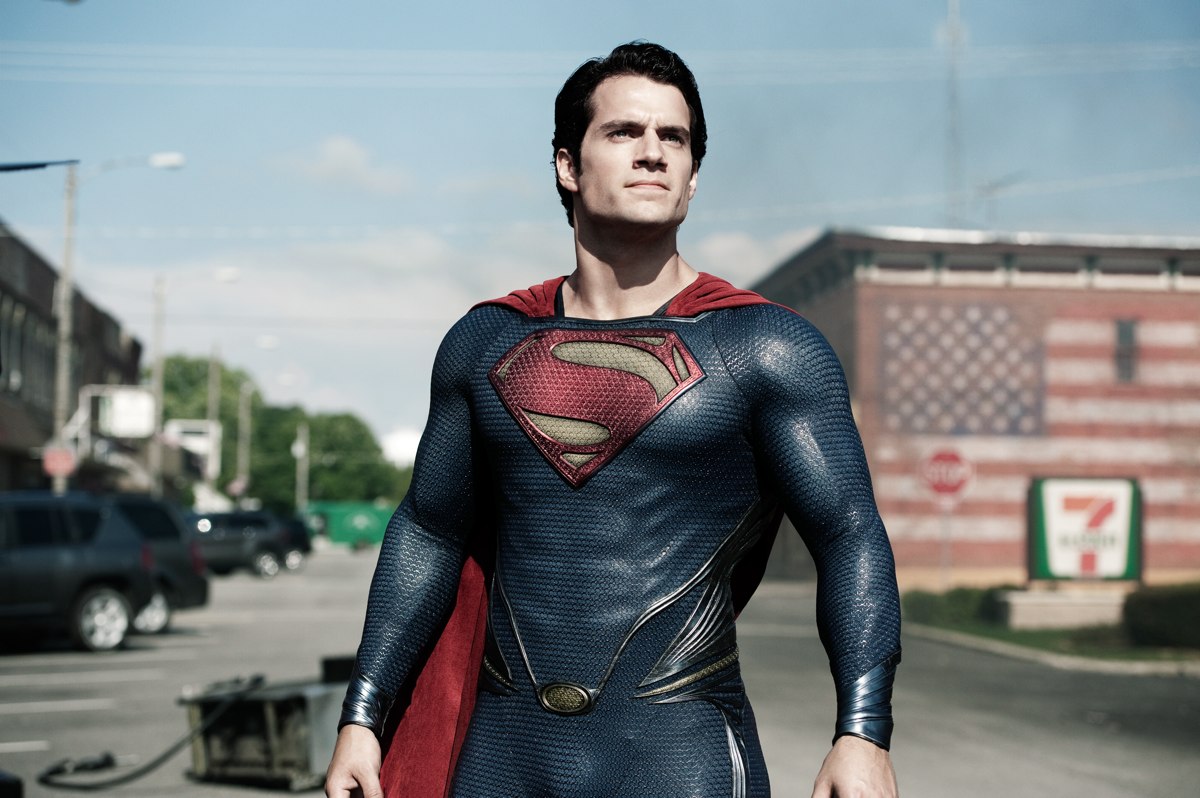
You’ve been told that Superman not a “relatable” character. After
all, he’s faster than a speeding bullet, more powerful than a
locomotive, and all that jazz. How is a disgruntled, debt-ridden, under-employed 21st century audience
supposed to identify with a character who’s basically a God? That’s the wrong question to ask, argues Sean Burns.
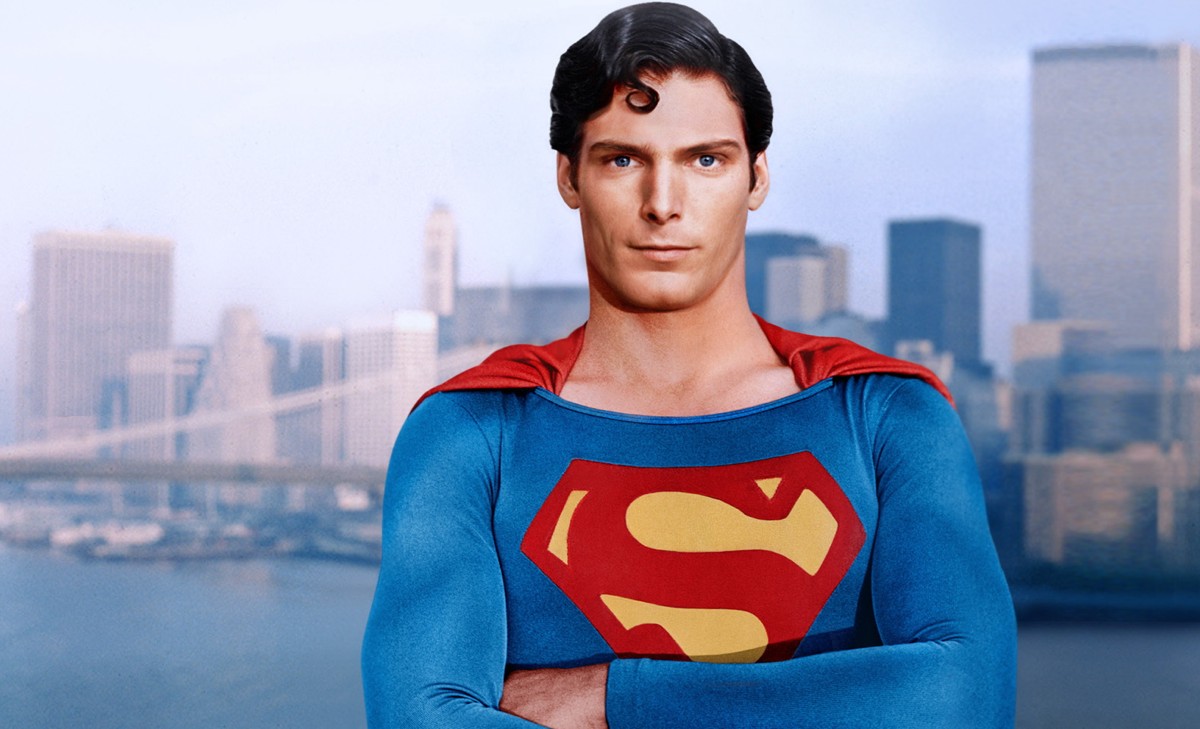
If we said there was a clear throughline from “Bonnie and Clyde” and Richard Donner’s “Superman: The Movie,” you’d say we were crazy, right? Get ready to eat your words as we prove once again that showbiz works in mysterious ways.
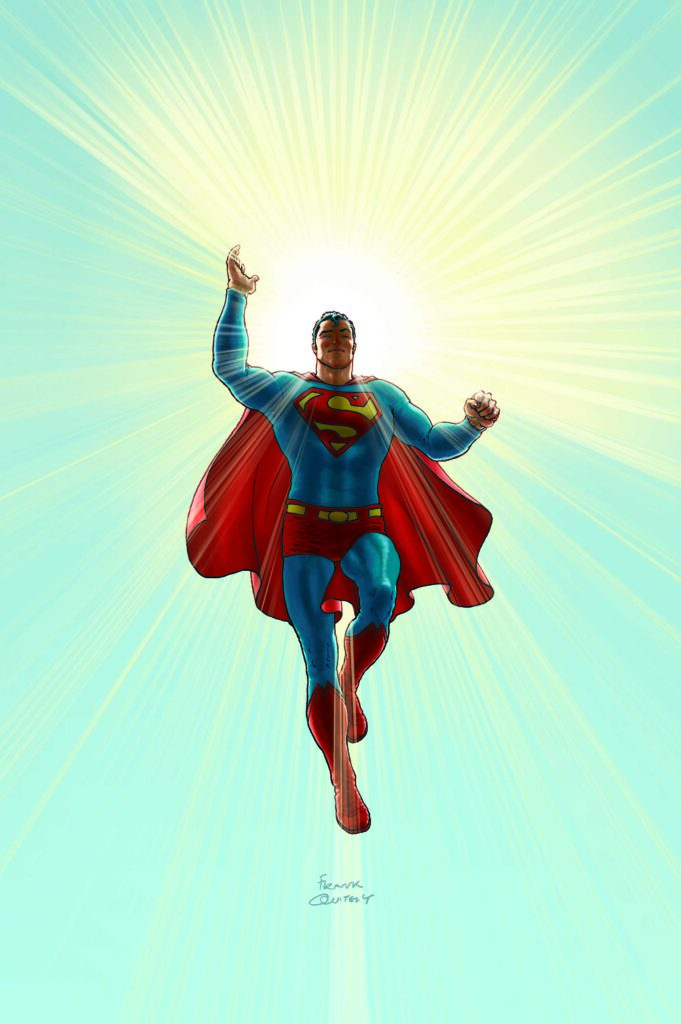
Superman always seems to need to be revamped, revived, and recycled. He is, to use comics critic Tom Crippen’s keen phrase, the mainstream comics’ industry’s “hood ornament.” In this extensively annotated list, Simon Abrams picks the 10 most influential and astonishing visions of the Man of Steel.
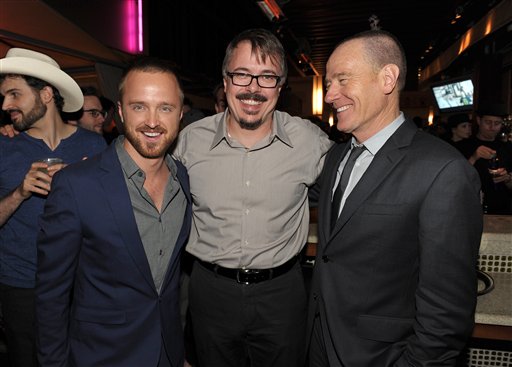
Why showrunners matter on TV much less than you think; BBC’s Sherlock by the numbers; Vulture’s Summer TV issue; in praise of Don’t Trust the B—– in Apartment 23; M. Night Shyamalan wrote what?; DNA can’t be patented; robots can fight.
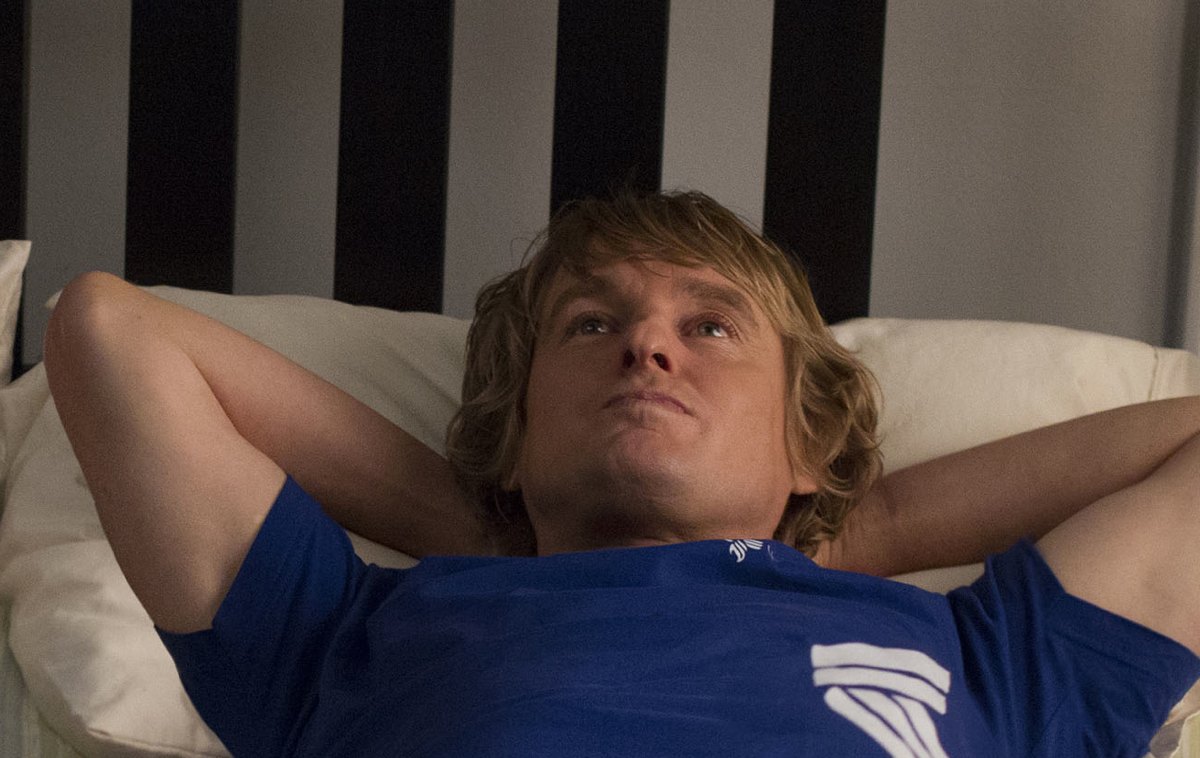
What are we to make of Owen Wilson, he with the tow-colored mop of hair, the crooked nose, and
the smile that seems to need so much in return? In certain contexts,
Owen Wilson’s smile is heartbreaking. Not just in more serious roles,
but in everything. One does not often think of grown men as being “wistful” or full of
“pathos”; only little plucky orphans in pig-tails and pinafores should
be “wistful.”

Troll the NSA; clashes continue in Turkey; the “familiar profile” of the Santa Monica killer; wash your hands!; actresses in Hollywood are having a worse/better time of it; Lego faces getting angrier; great tracking shots.

Lateral tracking shots can get to the heart of a film more quickly and succinctly than any other technique. What are your favorites?