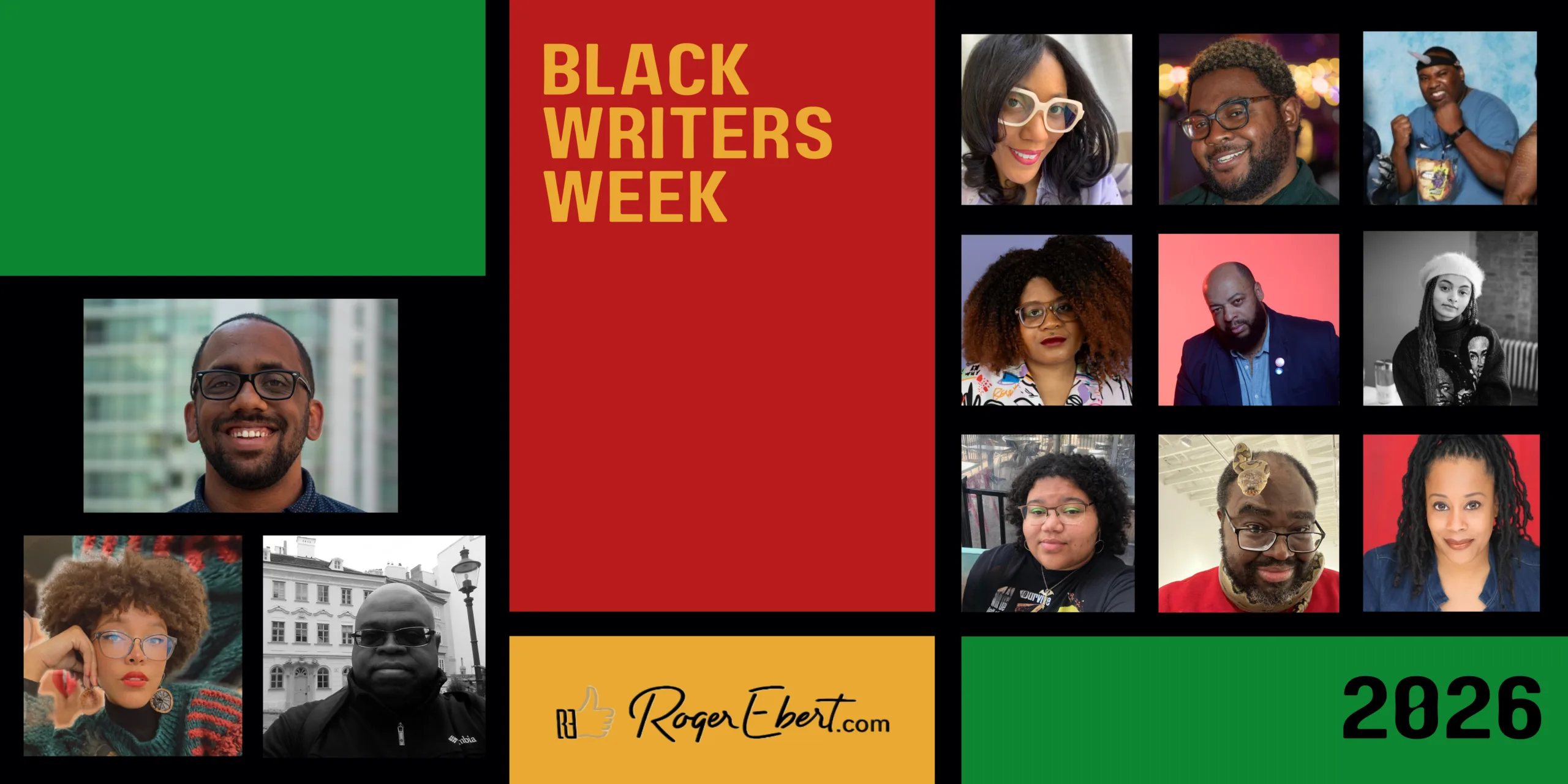
This is the third year I’ve helmed Black Writers Weeks in my role as Associate Editor at RogerEbert.com, a privilege granted with the immense support and trust of Chaz Ebert, and each year I am astounded by the breadth of the pieces we receive. They’re sometimes anniversaries commemorating pop culture items reframed for today’s readers; pressing critical arguments offered on contemporary film, television, and music; and personal pieces about traveling and mental health. Some articles are by talented regulars, and some are by brilliant new writers.
As I have combed through them, what has thrilled me most is how they’ve made me think and reshape my lens. That means that I’m not always in agreement with what a writer is arguing. Which is a great outcome. Not solely because reading differing viewpoints makes me a better writer, editor, and person—someone capable of seeing the world through another’s eyes, thereby altering my own perceptions—but also because Blackness is not monolithic. There is no single correct outlook or phrasing. There isn’t a static conception of what Blackness sounds or moves like, other than to say that Blackness is the state of being in communion with one another.
So, as we traverse this week, highlighting work by Black writers leading up to and through Juneteenth, be in communion with the thoughts, hopes, beliefs, and visions that are shared on RogerEbert.com.
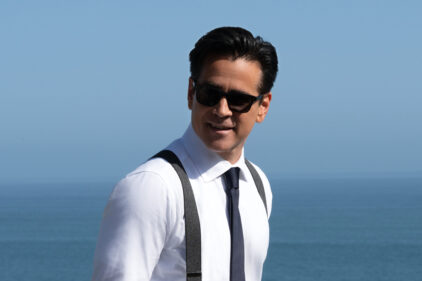
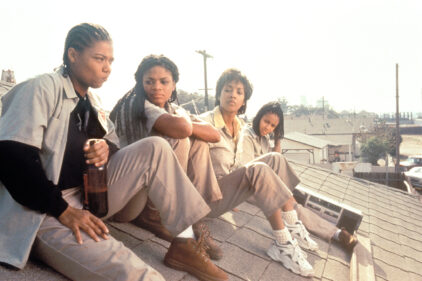
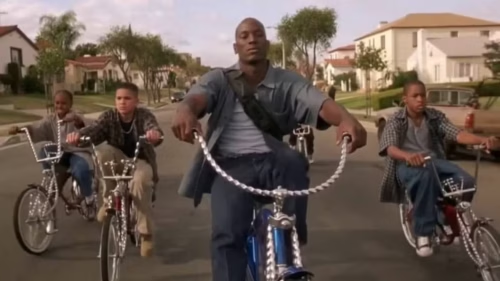
And to help you navigate the week, here’s a brief rundown of some of the pieces we’ll be publishing. Brandon Wilson pays tribute to “Logan’s Run,” Odie Henderson looks at the stage and film versions of “Dreamgirls” (he’s also in conversation with me about John Singleton’s “Baby Boy”). Jourdain Searles uses “Set it Off” and “Girl 6” to examine how Black women’s pursuit of money and pleasure was depicted in 1996. Mack Bates will pay tribute to Alfre Woodard’s performance in “Passion Fish.”
Some of the other long-form pieces you’ll find will be Cortlyn Kelly’s ingenious cinematic albums listicle, Lyvie Scott’s approximation of the Black woman anti-heroine as expressed in “Is God Is,” Brandon Lewis’ vision of film criticism in the Letterboxd era, David Moses’ interrogation of Black movie star, Danielle Momoh’s interview with Chicago avant-garde filmmaker Tatsu Aoki, Sonia Evans speaking with Entertainment Attorney and Syracuse Professor J. Christopher Hamilton, and Brandon Towns’ ode to the anti-capitalist cinema of Boots Riley.
I will also be in conversation with Maya Cade about the five-year anniversary of the Black Film Archive. Additional pieces include: Sue-Ellen Chitunya sharing how film saved her mental health, Carla Renata offering her thoughts about the passing of Clarence B Jones and the rolling back of Civil Rights laws, Ife Olatunji scrutinizing the federal cuts to documentary filmmaking, Sherin Nicole critiquing the Chosen One trope, André Hammel paralleling Jiu-Jitsu and fatherhood.
As evidenced by the wealth of writing arriving over the next seven days (Monday, June 15- Sunday, June 21) in the sixth year of its existence, Black Writers Week has only grown stronger. I hope you find as much richness, diversity, and delight in reading these voices as I have found in supporting them.
Here are our past Table of Contents for BWW 2021, BWW 2022, BWW 2023, BWW 2024, BWW 2025.