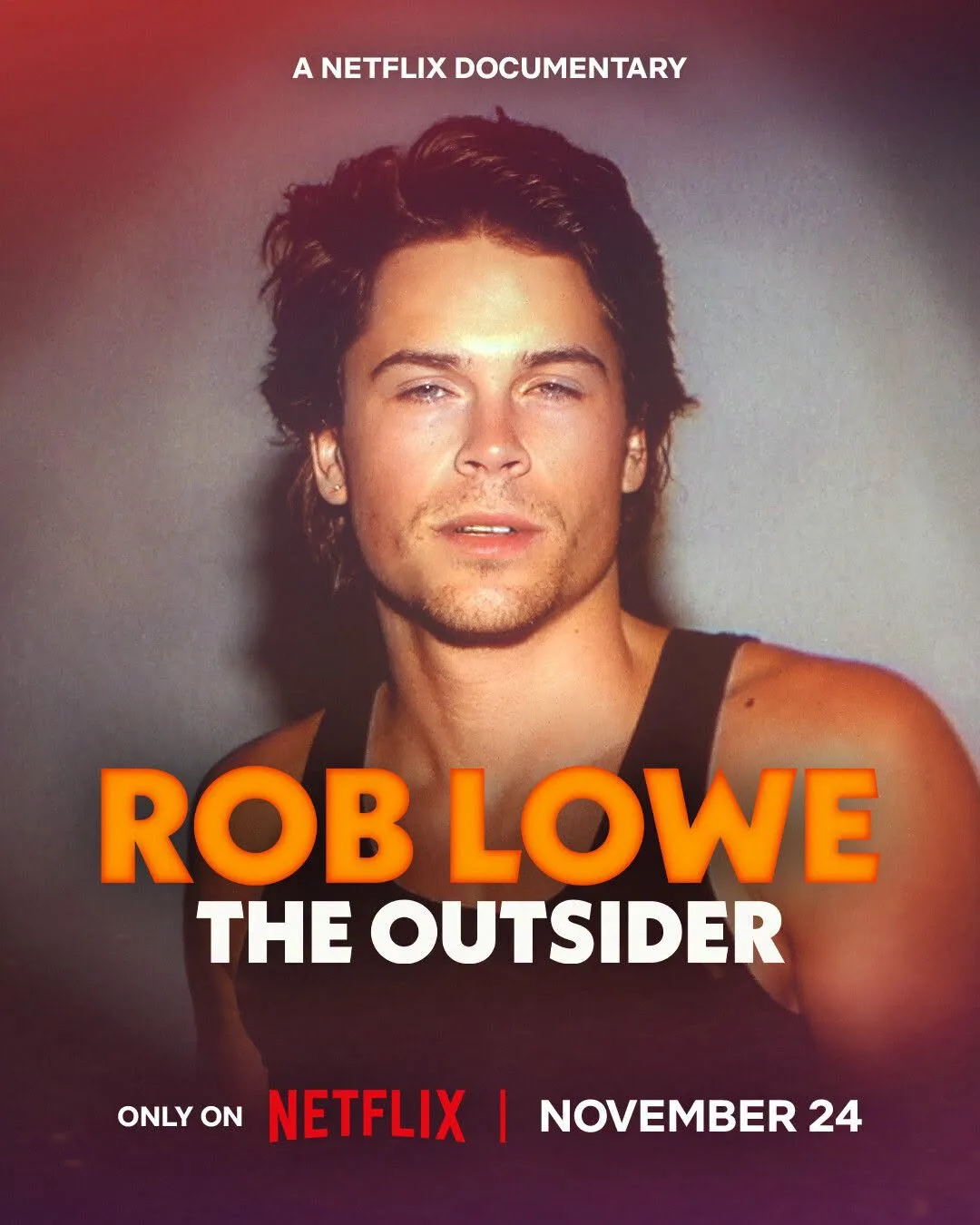
Given that Rob Lowe was a legendary sex symbol and party animal in the 1980s, and his impressive career includes films such as “The Outsiders,” “About Last Night…” and “Wayne’s World,” not to mention the TV series “The West Wing” and “Parks & Recreation”—and the director of the new Netflix documentary about Lowe is Chris Smith of “Tiger King” and “Fyre” fame, I guess I expected something electric. Something raw. Something revelatory.
“Rob Lowe: The Outsider” is none of those things. Not to say there isn’t a wealth of material in Lowe’s on-screen and off-screen arc, from his rocky upbringing in Ohio through his ascent to fame, the well-documented scandals, and his becoming a well-grounded family man. It’s just that if you’re familiar with Lowe’s story, there’s almost nothing new here. Heck, Lowe has already published two memoirs, with a third on the way, and you could even argue that the brutally funny 2016 Comedy Central Roast of Lowe was a comprehensive, albeit warped, “This is Your Life.”
We see the 62-year-old and still impossibly handsome Lowe puttering about his garden with his dog before he settles in for a series of interviews in which he is warm, funny, forthcoming, and self-deprecating. Younger brother Chad Lowe provides valuable commentary and insights into their Dayton childhood. Their parents divorced when Rob was 4, and Chad was still a baby, and their incredibly difficult mother, who called herself “a universal allergic,” moved the family to Malibu when Rob was 12 so she could marry her third husband, who had accepted a job there.
Lowe seems like such a creature of Hollywood, but the reality is that he didn’t know anybody in the business and rode the bus to hundreds of unsuccessful auditions until he was 15 and landed an ABC sitcom called “A New Kind of Family,” followed by the title role in the After-School Special “Schoolboy Father.” He boasted to a classmate named Jennifer about the latter, and she invited him to her home to watch it, noting, “My father’s in acting.” When Lowe showed up at the house, he learned Jennifer’s father was Cary Grant.
This is the main pleasure in watching the briskly paced doc: hearing great anecdotes that often mention Hollywood royalty. (Lowe’s recollection about going to Warren Beatty’s house with his then-girlfriend, and Beatty telling a story involving him, Natalie Wood and Frank Sinatra, is darkly funny and a little disturbing.) Lowe talks of filming “The Outsiders” with Tom Cruise, C. Thomas Howell (who also appears in present-day interviews), Matt Dillon, Emilio Estevez and Patrick Swayze, and how they basically became their characters off-screen while filming in Tulsa. Unfortunately, the bulk of Lowe’s role was cut from the film, something he only found out at the premiere. “I’ve never truly gotten over it.”
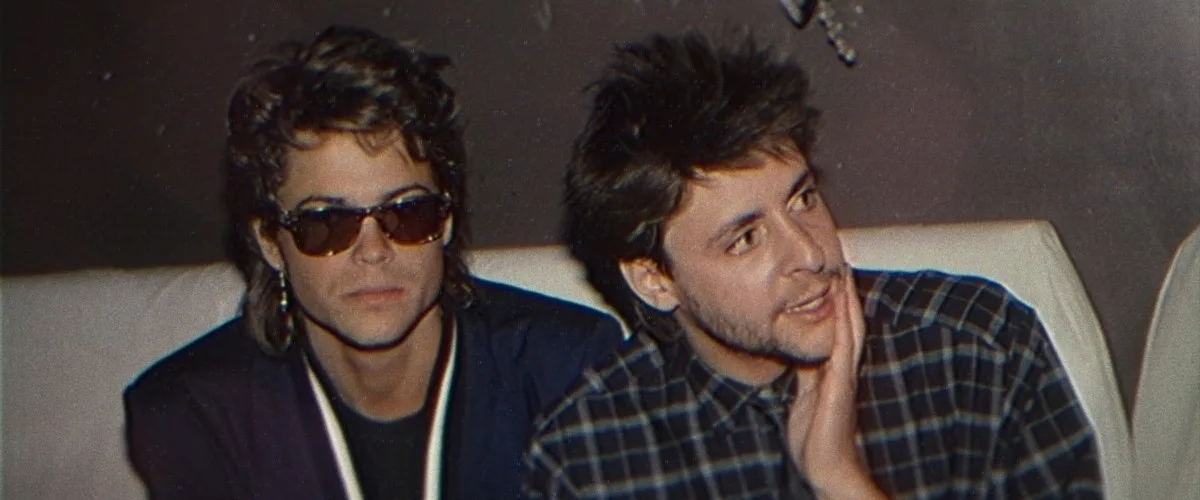
“Rob Lowe: The Outsider” doesn’t shy away from revisiting the actor’s party past, with Lowe talking about how he didn’t want to let go of the Billy Hicks character from “St. Elmo’s Fire,” doing coke at Lakers games, burning the candle at both ends. (In a current-day interview, Gwyneth Paltrow feels compelled to let us know she’s one of the few who didn’t sleep with Lowe.) There’s a lot of great home video footage because Lowe was fascinated with the early camera technology and brought his consumer analog camcorder everywhere—including the 1988 Democratic Convention. As for the scandal involving Lowe having sex with a 16-year-old girl, he says, “We were in an over-21 bar…I had no idea one of the girls was underage.” It might have been to say, “I made a huge mistake,” and leave it be. (The documentary doesn’t delve into Lowe’s politics, which began shifting to the right as early as 2003, when he supported Arnold Schwarzenegger’s gubernatorial campaign. Feels like a missed opportunity.)
After Lowe’s disastrous duet with Snow White at the 1989 Academy Awards and the revelation of the DNC scandal a few months later, the 25-year-old Lowe was in a dark place. By 1991, though, he was sober, was turning down offers from Keith Richards to go partying, and proposed marriage to makeup artist Sheryl Berkoff. Some 35 years later, Lowe remains sober, and he and Sheryl are still married, with two grown sons.
All of this is chronicled in steady, well-paced fashion by director Smith. There’s nothing faulty about this presentation; it just comes across as a PG presentation of life that was, at least for a time, rated R.
Near the end of the doc, Lowe goes through memorabilia that has been in storage for years. Framed magazine covers, wardrobe from “Tommy Boy,” a “Seaborn for Congress” sign from “The West Wing.” He talks about finally seeing “Shampoo” and says Warren Beatty’s womanizing but ultimately lonely character could have been him, but he didn’t want to be that guy. “I’ve more than surpassed what I ever thought I had any right to expect,” he notes. The guy in dad jeans planting rose bushes in the garden landed on his feet quite nicely.