Fast & Furious 6
Squarely state-of-the-art, "Fast 6" is not a great action movie. It has all the ingredients, including a cast that flaunts infectious group chemistry, but its…
The latest from Blue Sky Studio ("Ice Age," "Rio") is different from whatever Pixar/Disney or any other big animation outfit happens to be offering this…
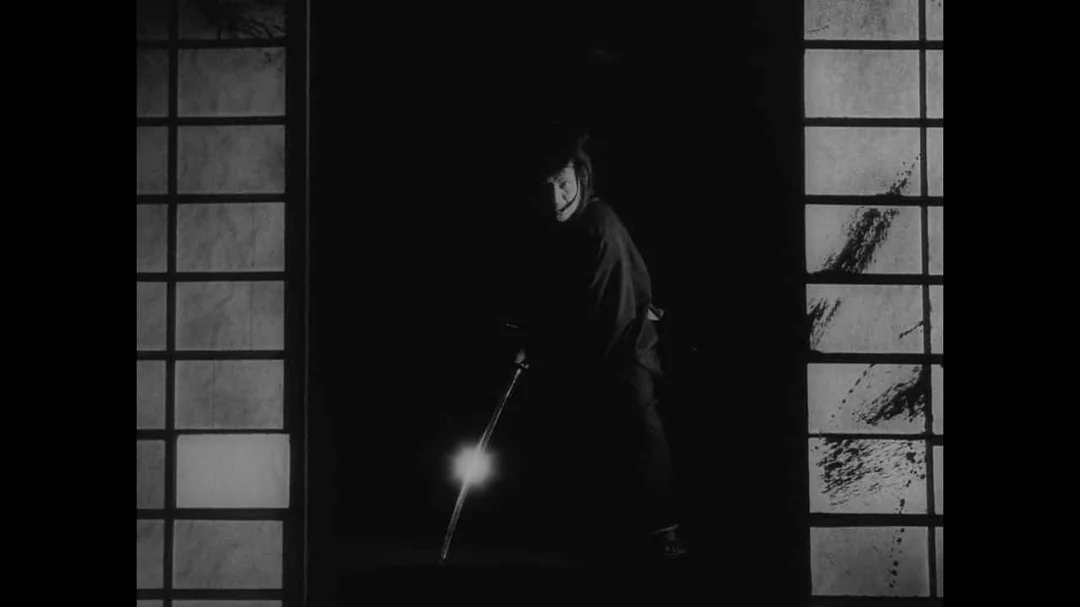
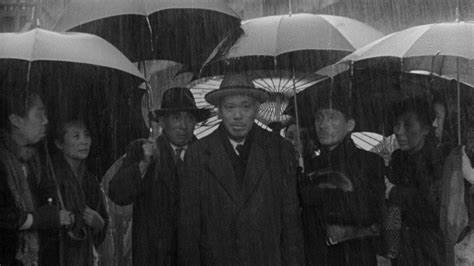
"The Ballad of Narayama" is a Japanese film of great beauty and elegant artifice, telling a story of startling cruelty. What a space it opens…
Patrice Leconte's "Monsieur Hire" is a tragedy about loneliness and erotomania, told about two solitary people who have nothing else in common. It involves a…
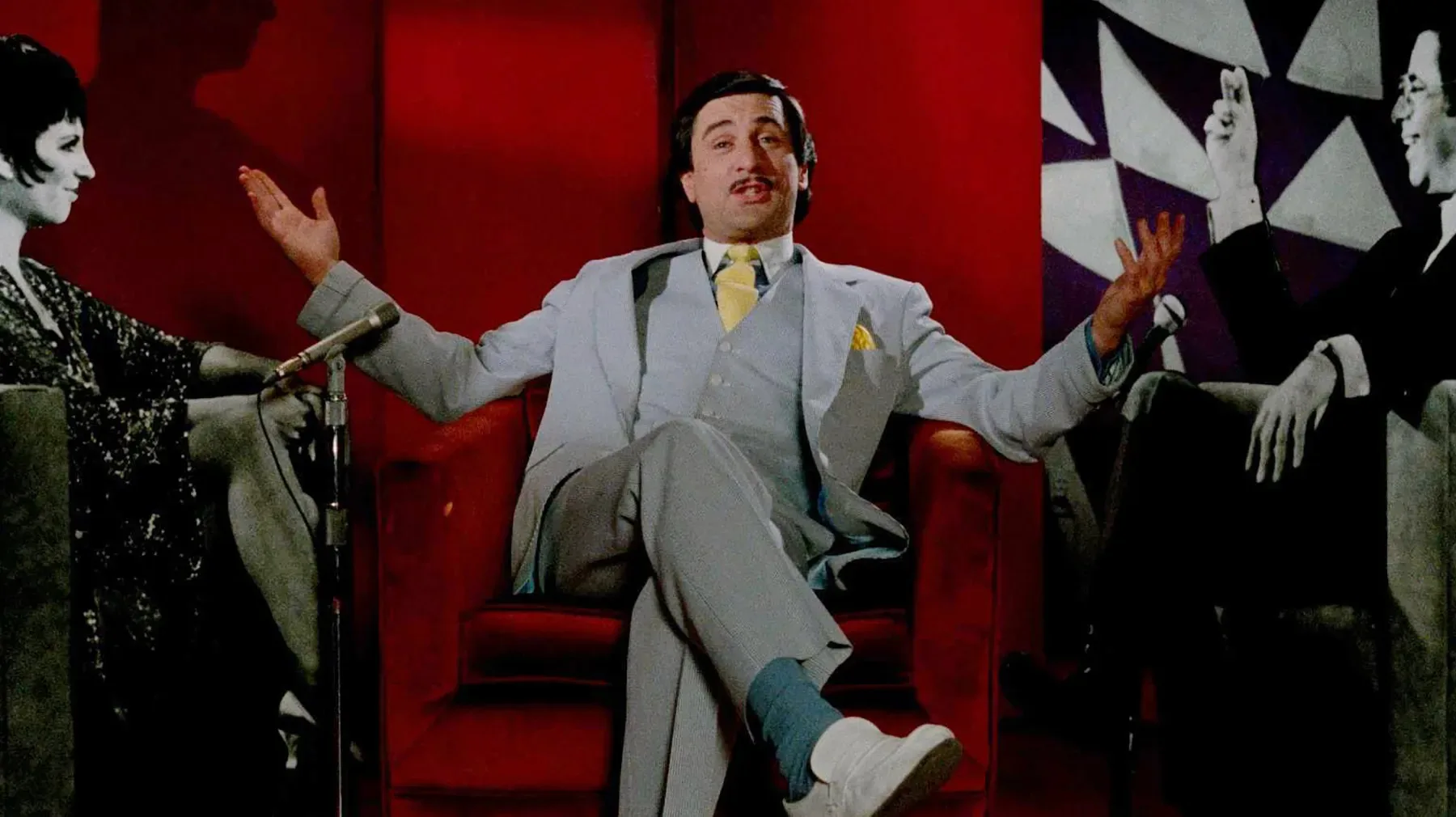
Jerry Lewis returns to Cannes in a starring role in Daniel Noah's "Max Rose," which proves once again — as "The King of Comedy" did…
Alexander Payne's "Nebraska" brings black and white, to the competition, while "Omar" delivers moral shades of gray to the Palestinian/Israeli conflict and "Michael Koolhaas" looks…
Roger was a titan in the film community, but he was also a beacon for the seriously disabled.
Mother’s Day I awakened to spirited calls from my children and grandchildren. As Roger wrote in his memoir, “Life Itself,” I came from a large family of nine, and I had four brothers and four…
Roger was a titan in the film community, but he was also a beacon for the seriously disabled.
Ray Harryhausen told us, time and again, the story of how he saw the original "King Kong" (1933) on the big screen when he was…
The destruction of Vulcan, one of the most crucial planets in the "Star Trek" universe, should be at the core of J.J. Abrams’ "Trek" movies.…
Dear Roger,You emailed me the questions to this interview on March 15, 2013. In your March 16th reply to my email, you said: The piece…
Our Far-Flung Correspondents are cinephiles from all over the world, hand-picked by Roger Ebert to write about movies from their unique international perspectives. They include contributors from (alphabetically) Brazil, Canada, Egypt, India, Great Britain, Mexico, the Philippines, South Korea, Turkey and the U.S. They converge every year at Ebertfest.
The destruction of Vulcan, one of the most crucial planets in the "Star Trek" universe, should be at the core of J.J. Abrams’ "Trek" movies. It is the single development that most distinguishes the original series from Abrams’ reboot, an event so boldly imagined that it marks the filmmakers’ new, blank canvas with a hideous dark stain.
Roger was a titan in the film community, but he was also a beacon for the seriously disabled.
Ray Harryhausen told us, time and again, the story of how he saw the original "King Kong" (1933) on the big screen when he was just a kid, of how he was inspired by Willis O'Brien's pioneering special effects, and of how that led him to his grand career in the field of stop-motion animation. In some sense, Harryhausen inspired me in the same way that O'Brien did him. I'm not exaggerating when I say that he changed my life.
Dedicated to memories of Roger Ebert, for the simple reason that talking about movies is so thrilling. He did not like lists, but I love his lists.
Longtime readers of the Chicago Sun-Times are familiar with Roger Ebert's "One-Minute Reviews." These are capsule reviews (roughly 75-150 words or so), condensing his responses to current movies. As any writer knows, the short versions can be harder to write than the full-length ones.
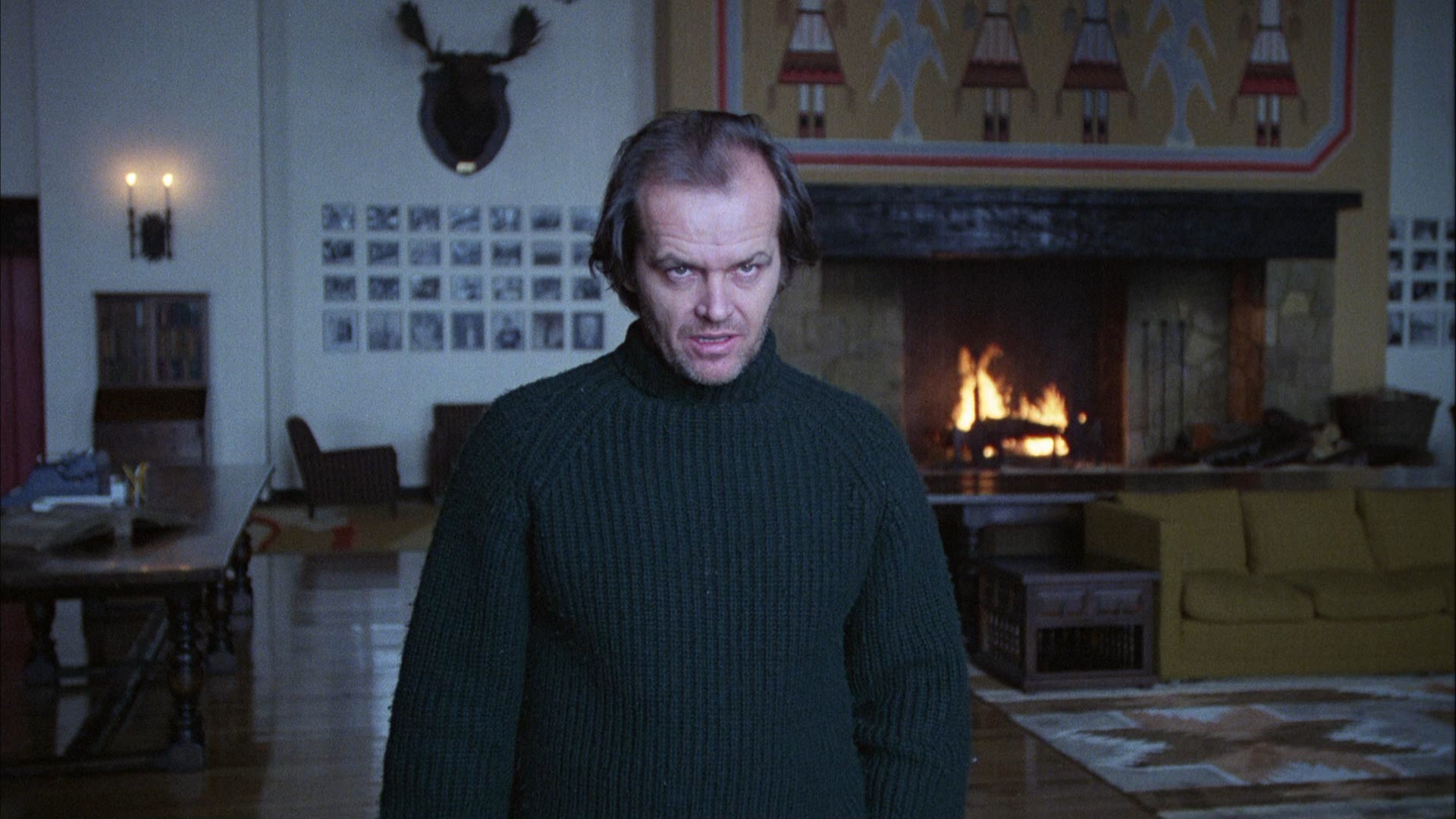
"Room 237" is a captivating and engrossing new documentary exploring the covert symbols and whacked-out theories that have obsessed ardent fans of Stanley Kubrick's 1980 horror film, "The Shining." From a personal secret statement about the Holocaust to a cryptic confession about his involvement in a supposed NASA cover of the Apollo 11 moon landing, "Room 237" offers the wildly diverse interpretations of five obsessed film fanatics regarding Kubrick's possible hidden intentions. Katherine Tulich interviewed the film's LA based director Rodney Ascher and producer Tim White for this video report.
Women's History month is just the right time to watch, "Miss Navajo," a documentary that premiered at Sundance in 2007 and was broadcast on PBS the same year. The title alone may turn people away if you are, like me, not a big fan of beauty pageants but Miss Navajo is the kind of pageant that perhaps even Gloria Steinem could get behind.
With the passing of Andy Williams, I keep imagining his golden tenor singing Henry Mancini's "Moon River." The song talks about crossing life in style. "Breakfast at Tiffany's" is all about fashionable cafe society and love; in an adult fairy tale, you can have both even if you are two drifters.
The director Gregory Nava once commented, "Whenever any question of style or taste in dress comes up, I simply ask myself, 'What would Fred Astaire have done?'" Audrey Hepburn is Astaire's female equivalent: sophistication mixed with fizzy fun.
More than anyone else, Jeannette Hereniko introduced me to the concept of the cinema of the Pacific Rim. I knew Donald Richie through his books, and in particular learned from him about Ozu. More than anyone else, he was responsible for the introduction of Japanese films to the West, Particularly when he brought a group of great titles to the Venice Film Festival, circa 1960. He also wrote fiction and on Japanese society, and a wonderful autobiographical travel book, The Inland Sea, about a young GI who returned to Japan after WWII and stayed, inspired a film. Here is Jeanette's appreciation of Donald, who died on Feb. 19. Roger
In my copy of his book "Scorsese," Roger Ebert wrote these words: "Every movie lover needs a hero."
I've found mine in Steven Spielberg.
Spielberg has been my hero ever since I, in my childhood, saw his more popular films (" Jaws," "Temple of Doom," "Hook," " E.T.," "Close Encounters," et al.), but recently, as I covered areas in his filmography I hadn't before, and doubled back to some that I didn't quite remember, I was struck by how much he really is my hero.