I agree with Associate Editor Robert Daniels that the NEXT section usually produces my favorite crop of films out of the festival. Formal experimentation and unconventional narratives are to be expected for films in this category, and the projects that yield the highest returns are the documentaries. Rarely will you find one that follows the boilerplate format; even if the stories themselves may not be interesting, you can at least expect them to be told interestingly.
Thankfully, the three films in this dispatch–which would have soared even if they were told more “traditionally” thrive thanks to their directors taking creative risks in their presentation. They show that the best way to make sense of our present predicaments and pain is to dive back into the past and unearth stories that may disturb us. At the end of the day, there’s nothing we can do but excavate.
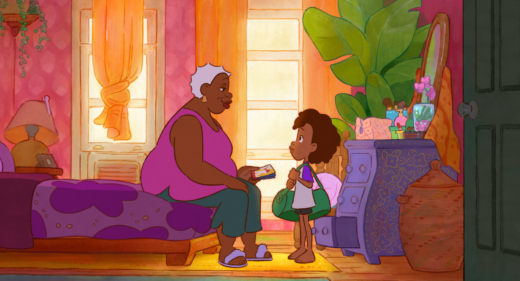
Directors Adam Khalil and Zack Khalil most explicitly touch upon this theme with “Aanikoobijigan [ancestor/great-grandparent/great-grandchild],” at once a decry of the disregard the world has put on Native-American bodies and a celebration of traditions that invite us to consider how we might commune with those who’ve long since passed. The Khalils document the work of MACPRA (Michigan Anishinaabek Cultural Preservation and Repatriation Alliance), a group of repatriation specialists from various tribes in Michigan who work to bring their ancestors’ remains back to their native land. Those bodies have been locked behind museums, libraries, and exhibitions, all in the name of “preservation,” as shown by the testimonies of MACPRA people.
This conservancy is a false charity. It only causes more torture for families whose loved ones can’t be properly buried. There’s a cruel hypocrisy that institutions would hide behind a thousand land acknowledgements rather than return these remains, which they view as property.
For Native communities, there’s a painful disturbance when ancestors aren’t returned to them. Unlike the short-sighted ways we can view death, Native beliefs are anchored in the idea that the dead are just as present as the living; it’s dehumanizing to place remains in exhibits where we also see the remains of dead animals. This conflation is what the Khalils critique, highlighting how even in death, Native bodies are actively being colonized and dehumanized.
At under ninety minutes, “Aanikoobijigan [ancestor/great-grandparent/great-grandchild]” packs a punch, and it’s largely because it isn’t afraid to skewer or question with conviction. In one sequence, the Khalils focus on the films that have perpetuated the false view of Native American beliefs around death: They reference everything from Stephen King’s Pet Sematary to several “Indiana Jones “ films, which all center around the idea that the land and place that houses Native bodies are rageful and vengeful.
These images have created a cultural attitude that may carry upstream to the legislative route, where those with the power to officially sign off on people receiving their ancestors’ remains may choose not to, due to preconceived notions. The institutions and those in power treat these requests as an afterthought. Could biases formed through our media have a reason for that?
The Khalils let the voices and work of the experts and activists they’ve assembled speak freely, but they also incorporate dazzling animation to put on screen the expansive nature of how Native Americans view death outside the enforced binary we often impose. Free-flowing, kaleidoscopic images grace our screen, commenting on how we ought not to view those who’ve passed as though we can no longer access them. They can commune, dance, and fellowship with us, but are unable to do so if they’re never allowed to come home. Having memories keeps people alive, and we can’t remember properly if we’re not given access to the whole story.
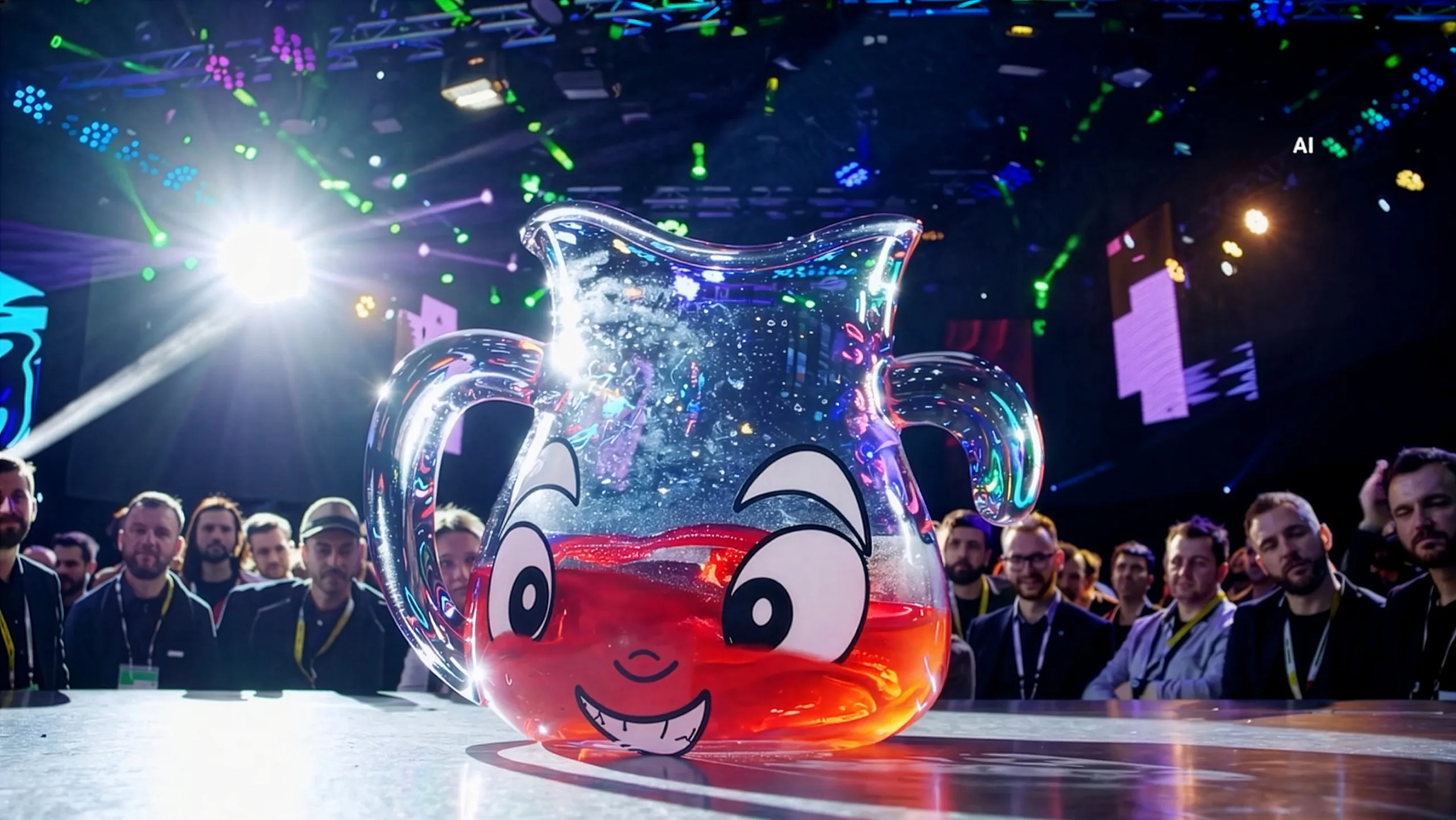
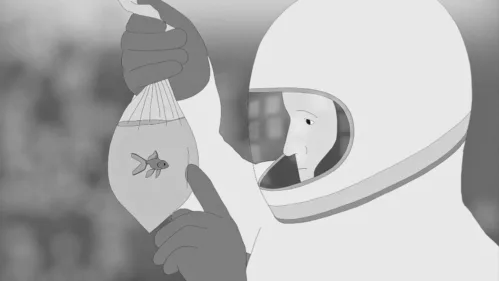
Watching director Valerie Veatch’s deeply distressing “Ghost in the Machine” made me think of the following phrase: The people hardest to wake up are those who pretend to be asleep. This film is designed to jolt people out of their false slumber about the dangers of artificial intelligence. If you aren’t convinced of the danger of AI’s proliferation due to the ways it has devastated the environment and harmed the arts, Veatch wagers that you might join the resistance if you see AI as being a form of modern-day eugenics.
It’s a bold premise, but it’s one that Veatch backs up through the experts she assembles. “Ghost in the Machine” has all the madness and urgency of a prophet calling for repentance amid the lost days, but it is also laced with facts and perspective that make it sound like a warning. It’s a very accessible text, one that serves to not just preach to the choir but bring in new converts.
The film illustrates that large language models (LLMs) must be trained on vast datasets. The people who provide the datasets have their own biases about how they view the world, and, whether implicitly or explicitly, this means the LLMs they’ve crafted are being trained to perpetuate certain ideas about people and the world. It’s not a good thing when such powerful technology can act as a direct extension of the dehumanizing biases of its creators.
An example in the film is that when an AI was asked to create a scenario involving a Hispanic woman, she was always shown as subservient, coming from a less well-off background, and often in need of a man to rescue her. The rest of the film documents this oscillation between the ways technology’s development has always been intertwined with people’s attempts to subjugate others, and, despite claims that AI is simply a “tool,” Veatch shows that it has become something much more sinister.
There’s a fine line between a tool and a weapon, and human avarice will only further corrupt any positive uses of this technology. As the documentary shows, there are sociological underpinnings to all of this, and if we’re not careful, it can amplify biases rather than eliminate them. It’s not far off to say that we live in a time of technofascism, where biases and harmful narratives can be concretized into reality due to this technology.
Importantly, though, this film also invites people to a new way of living. People often talk fatalistically about AI, that since it’s already here, we have no choice but to accept the AI summary at the top of our Google searches. As the people in this documentary show, while it’s prolific, we don’t have to give ourselves over to it so willingly. We ought to consider the ways we interface with machines, “take away agency,” and diminish the power of the creator.” The greatest lie of the easy access of this technology is the idea that just because something is difficult, it’s not worth doing, and that we’re not as creative or imaginative as technology is good at simple aggregation.
We’ve lost the battle when we view working against it as inevitable, and “Ghost in the Machine” is a reminder for humanity to put the machine in its rightful place, before it tries to put us in ours.
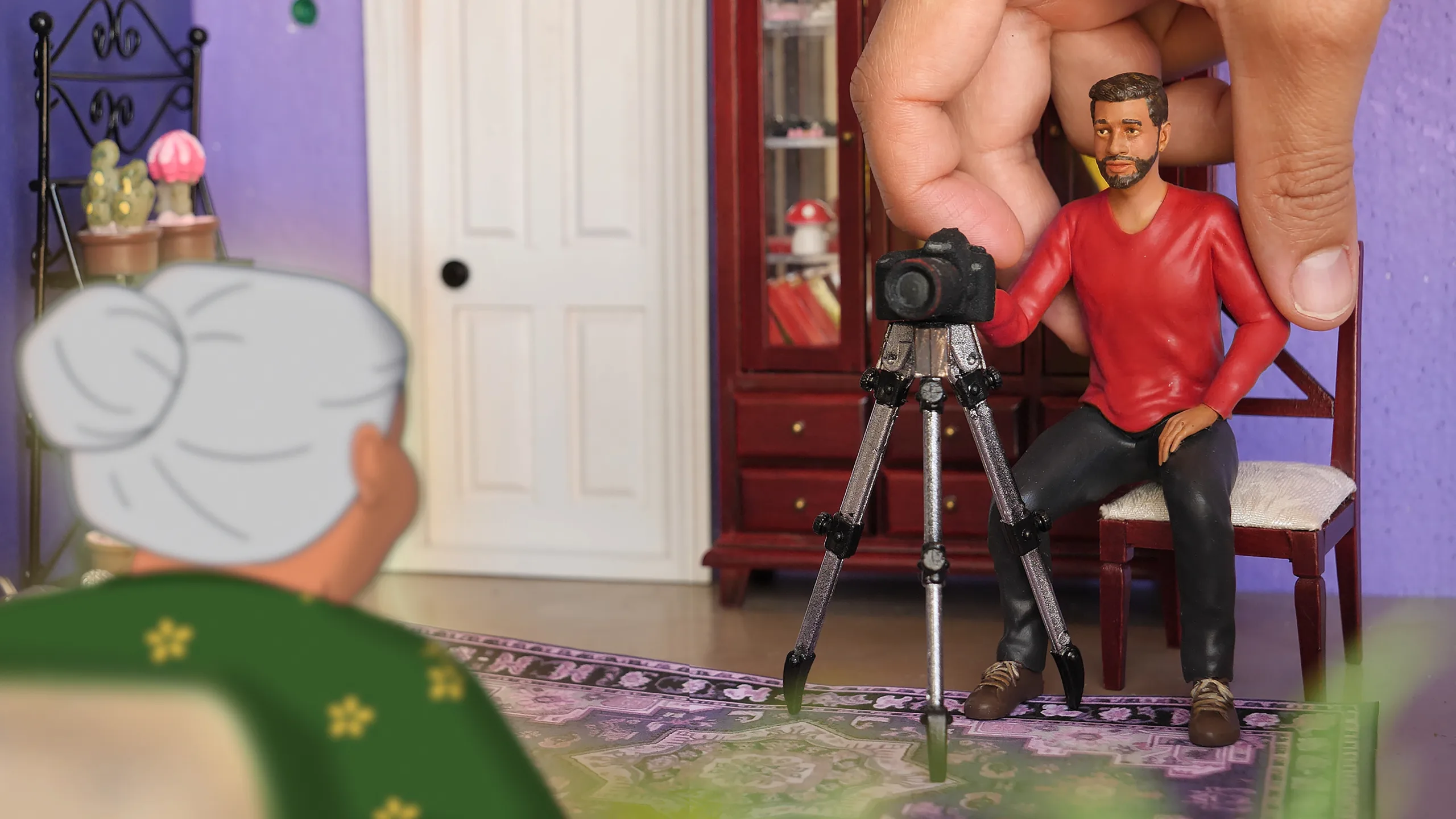
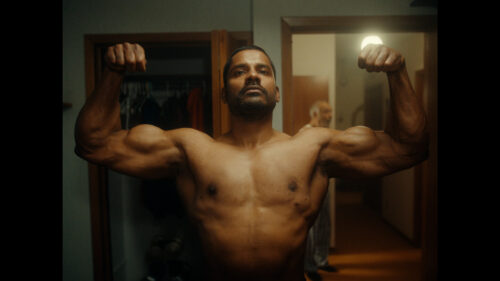
There was a moment where I thought that director William David Caballero’s “TheyDream” would become saccharine and off-putting, but it never goes there. It’s guided by a sincere and specific lens and reminds us that the power of cinema is that, in many ways, it acts as a medium of reclamation. Caballero delves into his family history, putting on screen painful conversations he’s had with family members as much as the moments of genuine connection. You’re only able to be who you are because of what you went through, and the film doesn’t try to look at the past through rose-colored lenses but with honesty and integrity.
Of the three, this is probably the most visually inventive and exciting; there’s so much to marvel at in any given frame, including miniatures, puppets, and motion capture technology. Caballero takes his home video movies and interview recordings and gives them a sleek, animated skin. Key figures in Cabellero’s life, such as his father, have passed away, and the film serves as a medium of resurrection. There’s power in reclaiming ownership of your own story.
There’s a version of this documentary that could have been selfish in the name of truth-telling or entirely one-sided, but Caballero is gracious with the voices who aren’t here, even while being unafraid to critique the ways they’ve hurt him. Caballero was never able to come out to his father, who frequently critiqued the queer community, and these moments are heartbreaking to watch but also palatable thanks to the use of puppetry. Caballero understands how his parents tried their best with what they had, while acknowledging he’s going to try to live differently.
With this film, there’s a sense for all of us to try to record our histories; we can find liberation and hope not just by forgetting what happened but by pressing into it, even making art out of it. It dares us to try to remember and render our stories with such ferocious love.