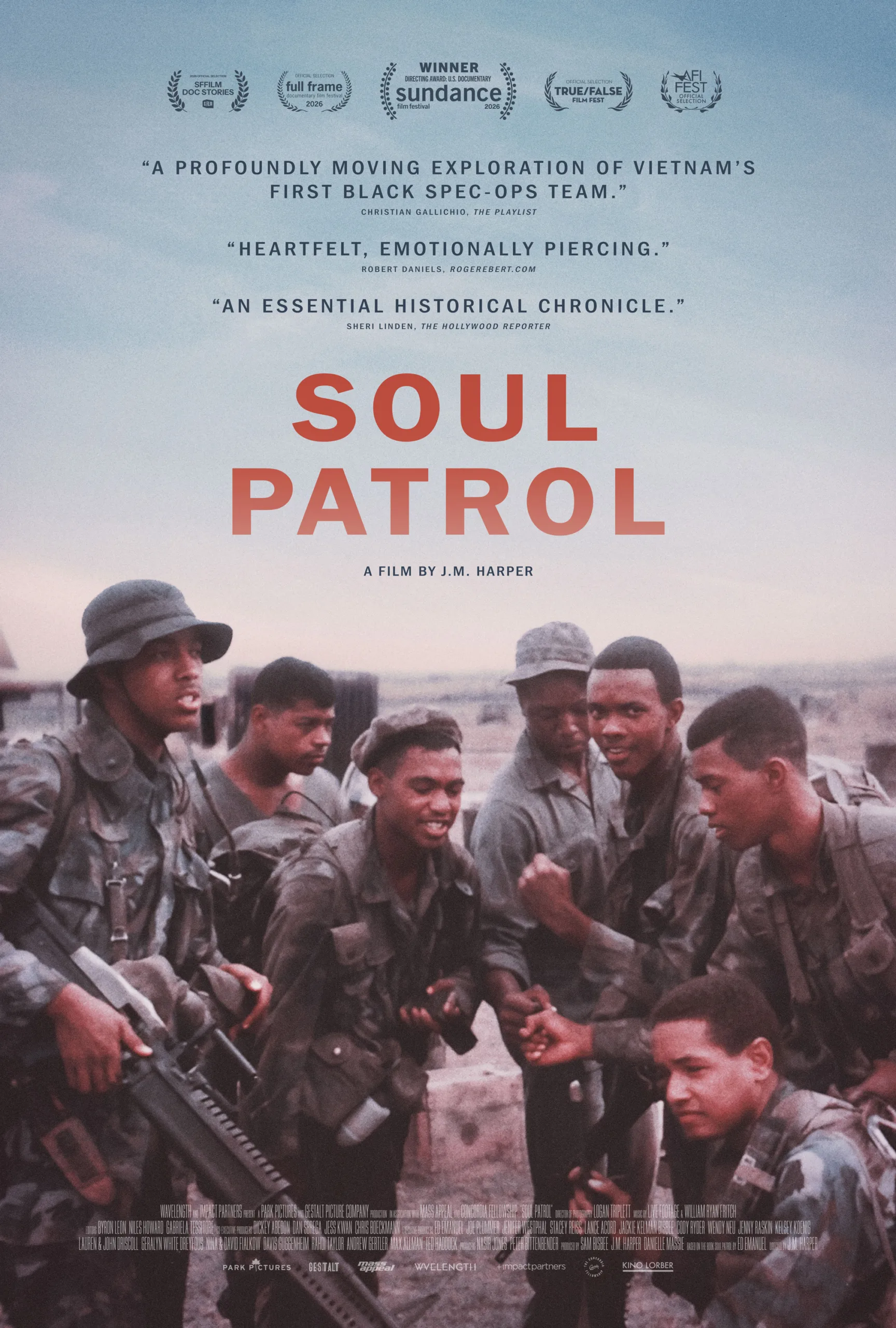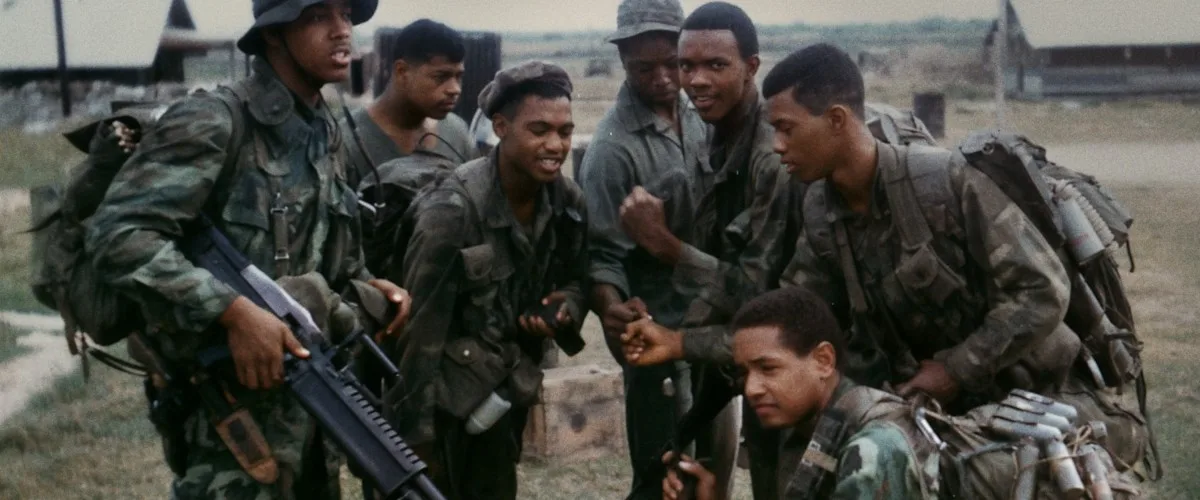
The term “Soul Patrol” didn’t start out as the name fifth-season “American Idol” winner Taylor Hicks gave to his loyal fanbase. Back in the ‘60s, it was the name of a crew of African American men who served in Vietnam. These veterans are given a well-deserved salute in a new hybrid documentary, also titled “Soul Patrol.”
Winner of the Directing Award for U.S. Documentary at this year’s U.S. Sundance Film Festival, “Patrol” adapts vet Ed Emanuel’s 2003 memoir of the same name. In both the book and the movie, Emanuel recalls his time in Company F, 51st Infantry, a unit of long-range reconnaissance patrolmen (or LRPPs, pronounced “lurps,” for short) who went on suicide missions by sneaking behind enemy lines. Emanuel was part of an all-Black crew—“the first spec op team in the Vietnam War,” as one member puts it.
Emanuel and director J.M. Harper (who tackled rap music in the 2024 doc “As We Speak”) round up the surviving members of the Patrol, first bringing them together for a hotel banquet before having them talk about their experiences on camera. Harper shoots the banquet scenes in dark, static shots with the men in silhouette, practically shrouding these forgotten soldiers in the darkness they lived in during the war—and took back home with them.
As expected, these brothas had less-than-patriotic reasons for serving their country. Emanuel joined mainly to get away from his abusive dad and painfully rough Compton surroundings. The white-‘froed Norman Reid enlisted in order to get out of the Bronx after a drug dealer put a $5000 hit on him, while an airhose-wearing Emerson Branch was given a choice: join the Army or go to prison. Nevertheless, these men bonded once they parachuted into the jungle and went on missions they knew they might not come back from.
Along with assembling interviews (shot in color and B&W), archival footage, and actual 8mm home movies from the war, Harper also recreates jarring scenes from the patrol’s usually pitch-black missions. One tense sequence has them hiding in a dangerous territory, only to be seemingly spared by the Viet Cong. It looks like even the enemy knew they weren’t the problem.
“Patrol” is a hazy, dreamlike chronicle that puts the audience in the traumatized POV of Emanuel and his fellow vets. While Harper can get grandiose with sentimental moments (like Emanuel visualizing his former patrolmen in a supermarket, giving monologues near checkout aisles or the meat counter), he still gives these guys ample time to talk about fighting a losing battle for a country that definitely didn’t treat them any better. They also get into how they came back to civilian life bruised, broken, and pretty much neglected—like so many survivors of that war.
It’s still very rare to see stories of Vietnam War veterans of color played out on the big screen. When we do, like in Allen & Albert Hughes’ “Dead Presidents” or Spike Lee’s “Da 5 Bloods,” it’s tied to a heist storyline, with disgruntled grunts going on one last mission to get compensation for the hell they went through at home and abroad. There’s no gold or money at the end of “Soul Patrol.” But there are men, finally telling a treasure trove of war stories before they’ve fully completed their mission on Earth.