The Fantasia International Film Festival is its own tricky beast; every year, more than 125 features, hundreds of shorts, and a whole lot of genre film freaks descend on the University of Concordia in Montréal, Québec, to celebrate the weird, the wild, the queer, and the coarse. For the last three years, I’ve been lucky enough to count myself among their number for this vaunted publication, even as the city and the fest time themselves along some painful personal anniversaries (loss of loved ones to death and tragic rifts) that sometimes make the festival difficult to weather.
Even so, as I sit in my hotel room, plinking away after my first of seven days at the fest (and weeks’ worth of supplemental remote viewing after the fact), I try to give myself a sense of ownership over my experiences at this festival. It’s hard to work while you heal, especially when you feel like it’s been taking you too long to do so. But I’m glad to be here to celebrate the films and fellowship that come with this fest.
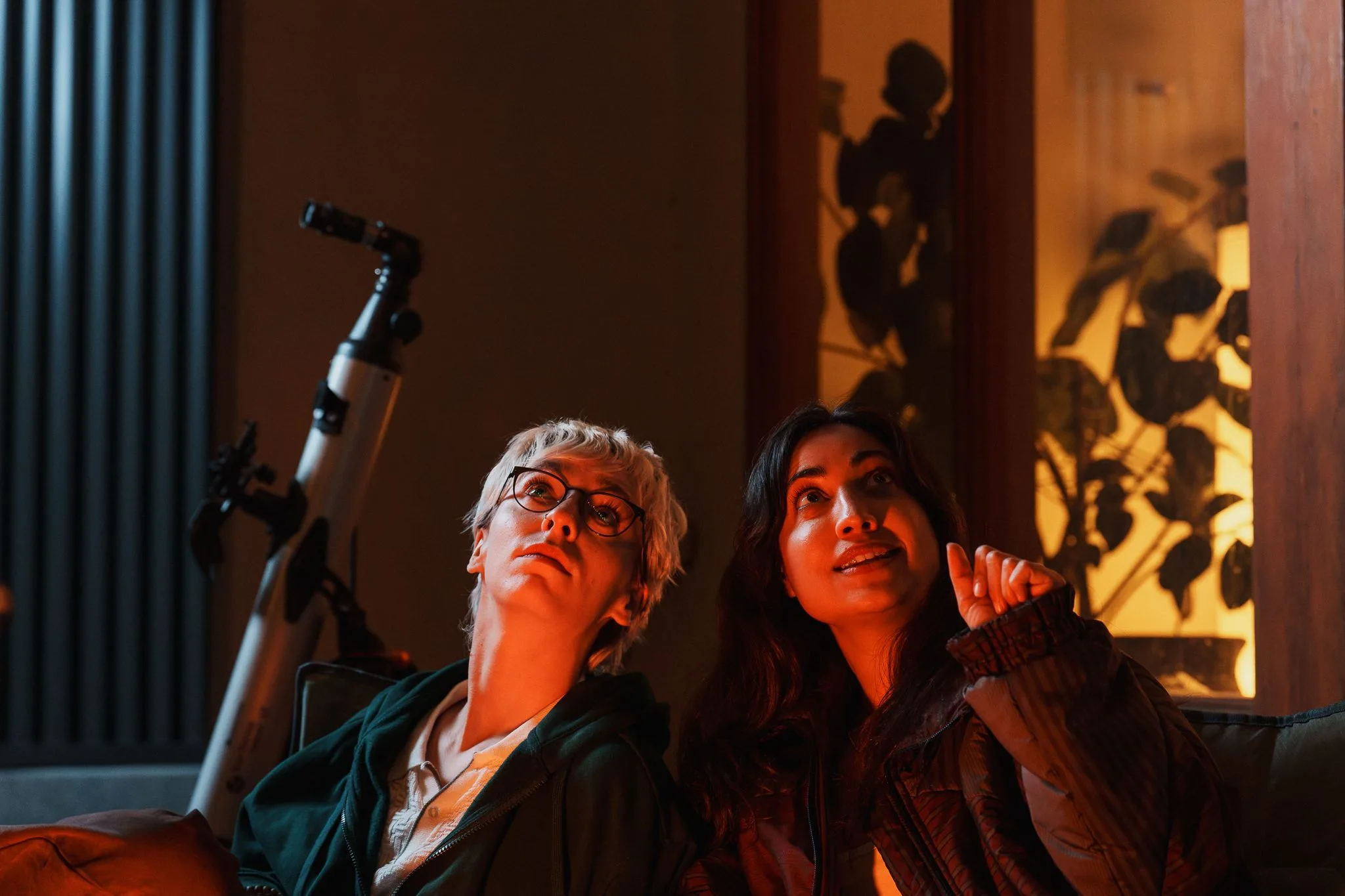
On that note, one of the great comforts of Fantasia each year is that, like clockwork, there’s always a new Alice Maio Mackay film to enjoy. At the tender age of 21, the Australian trans filmmaker’s latest, “Our Effed Up World,” is her eighth film, and (even in its short, 68-minute form) feels like a distinct evolution of her style and genre concerns. In her intro, Mackay described it somewhere between “Doctor Who,” the slacker video-store hangout movies of Kevin Smith, and those CW pilots that never made it to series.
Those comparisons feel apt, and not just because of the nearly TV episode-length runtime; “Our Effed Up World” centers on Sheri (Sara Thompson), a young woman grieving the death of her grandmother (who we see in flashbacks played by the luminous Kerry Armstrong of “Neighbors” fame). She’s coasting through life, spending most of it hanging with her friends Finn (“The Audacity”‘s Jess McLeod) and Poppy (“Fucktoys”‘s Annapurna Sriram) at the former’s dying video store. Her relationship with her workaholic father, Nick (Scott Major, also an Aussie soap legend), is strained, which makes it hard to connect when they start tying some mysterious disappearances to the appearance of strange green meteors that have touched down around the city.
Mackay’s films have long thrived under their modest budgets through heaps of character, and it’s that lived-in quality that helps “Effed Up” overcome its chintzy props (the alien creature and its nest, in particular, feel a bit Spirit Halloween in a charming way) and too-short runtime. Sriram and McLeod, in particular, throw themselves into the dry humor and interpersonal chemistry well, offering angels and devils on the shoulder of Thompson’s ambivalent Sheri. The Smith-movie hangout vibes work better than the genre window dressing, but that feels purposeful: Mackay simply wants to introduce us to characters we’ll only see for an hour but feel like they’ve known each other for decades.
It makes sense, of course, that trans filmmaker Jane Schoenbrun (whose latest, “Teenage Sex and Death at Camp Miasma,” also played the fest in its opening weekend) has a producer credit here. Both filmmakers play merrily in the liminal spaces of genre and queerness/transness, Mackay in particular channeling the slacker haze of Gen-Z queer social groups through the media she clearly grew up adoring. Where “The Serpent’s Skin” explored toxic queer mentorship through “The Craft,” “Effed Up” uses an alien invasion to highlight the way we lean on our friends and loved ones to process unfathomable grief.
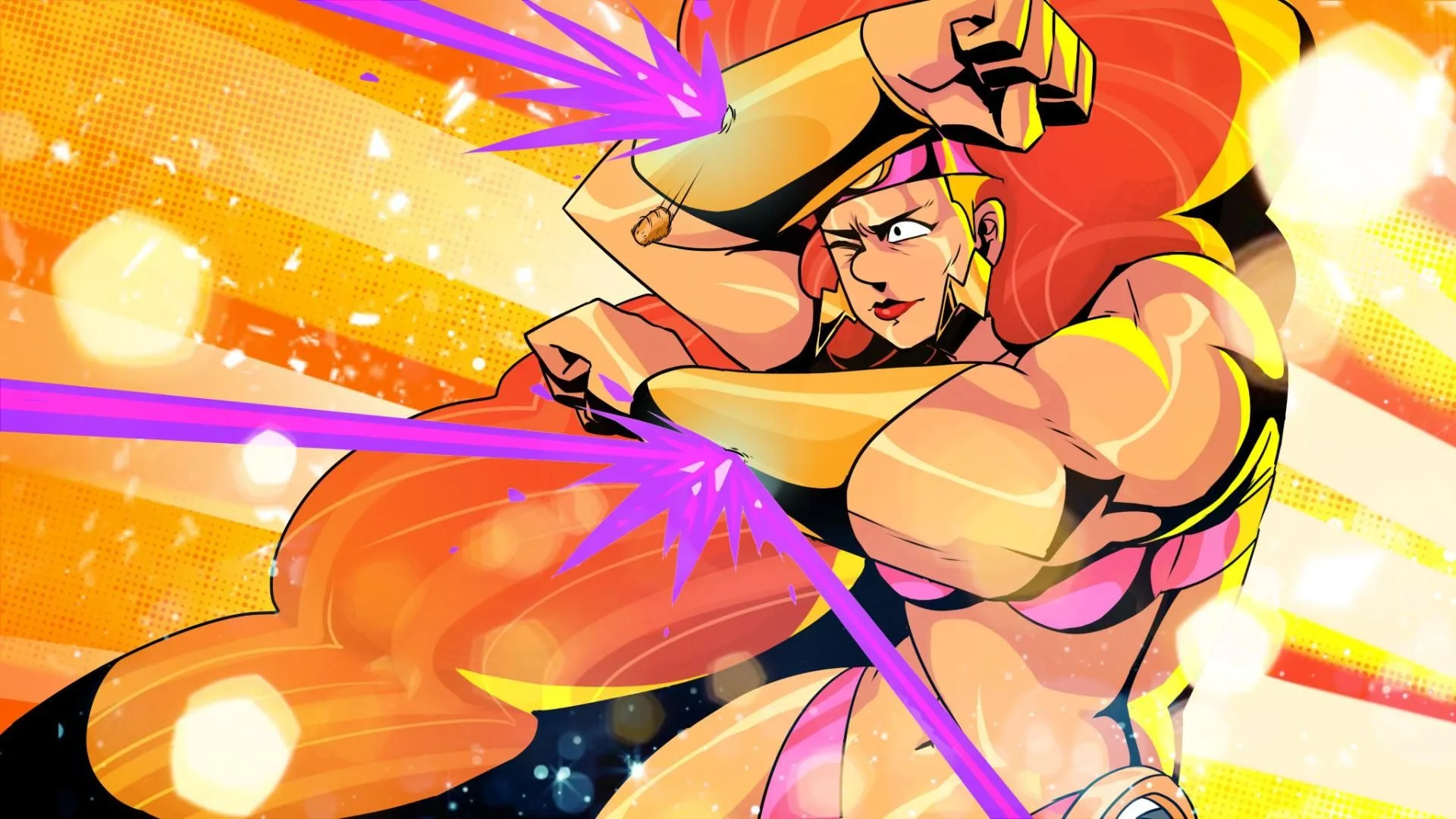
Similarly short, but no less boisterous, is the crazily titled “Zsazsa Zaturrnah vs. the Amazonistas of Planet X,” an animated adaptation of the cult Filipino comic book by Carlo Vergara about a gay hairdresser who, thanks to swallowing a magic stone, turns into a busty superheroine who defends her village from all manner of giant creatures. There have been adaptations of the character before, including a live-action 2006 film; Avid Liongoren’s animated take on the character takes all the vibrance of the comic (itself a camp take on Filipino female superhero Darna) and dumps a metric ton of glitter on it.
Sitting somewhere between “JoJo’s Bizarre Adventure” and “Steven Universe,” “Zsazsa” channels so many queer anxieties, both universal and culturally specific, into the struggle of Ada (Phi Palmos), a thirtysomething hairdresser who yearns for life in the big city but struggles to keep his hair salon business afloat. His best friend, Didi (a boisterous Io Balanon, easily the film’s highlight), eggs him on to live his best life, including asking out muscly hunk Dodong (Siglo Pecho), who, in Ada’s eyes, turns into a kind of Jojo/Handsome Squidward-esque Adonis. (His nipples, also, are unstoppable, bursting even through his skimpy tank tops.)
But the aforementioned melon-sized purple meteor drops into Ada’s home, she swallows it, and with the magic words, grows tremendous strength, a forest of voluminous ginger locks, and proportions that would make Chun-Li from “Street Fighter” blush. Lucky for the town, she’s there in time to stop the titular Amazonistas, a quintet of vamping TERFs whose misandry, while understandable, leaves the whole Earth in danger from their scaled-up monstrosities, which Ada (as new town here Zsazsa) must dispatch with thick thighs and a roster of Wonder Woman moves.
As a queer text, “Zsazsa” finds some fun nuances amid all the bright bursts of color and surprisingly fluid animation (courtesy of local animators Rocketsheep Studio, whose list of interns in the credits feels nearly as long as the movie); there are hints of “Adventure Time” and even the sensually acrobatic violence of games like “Bayonetta” and “NieR.” But amid all the bubbly character designs and raunchy sex jokes (one monster resembles a decidedly suggestive eggplant), Ada’s journey through her gender and self-confidence is a curious one; Zsazsa’s presentation feels akin to the transformative gender expression of drag (in fact, our Fantasia screening was prefaced by an intro featuring a glamorous queen dressed as Zsazsa; Liongoren appeared on stage throwing glitter while she struck fight poses).
At its worst, “Zsazsa Zaturrnah” occasionally, well, drags, its 80-minute runtime cycling through the same queer anxieties about childhood trauma, adult anxiety, and the politics of gender equity (it’s no coincidence that the Amazonistas fashion weapons out of the female gender symbol). But for a scrappy indie effort that seeks to celebrate community, expression, and acceptance, you could do far worse.
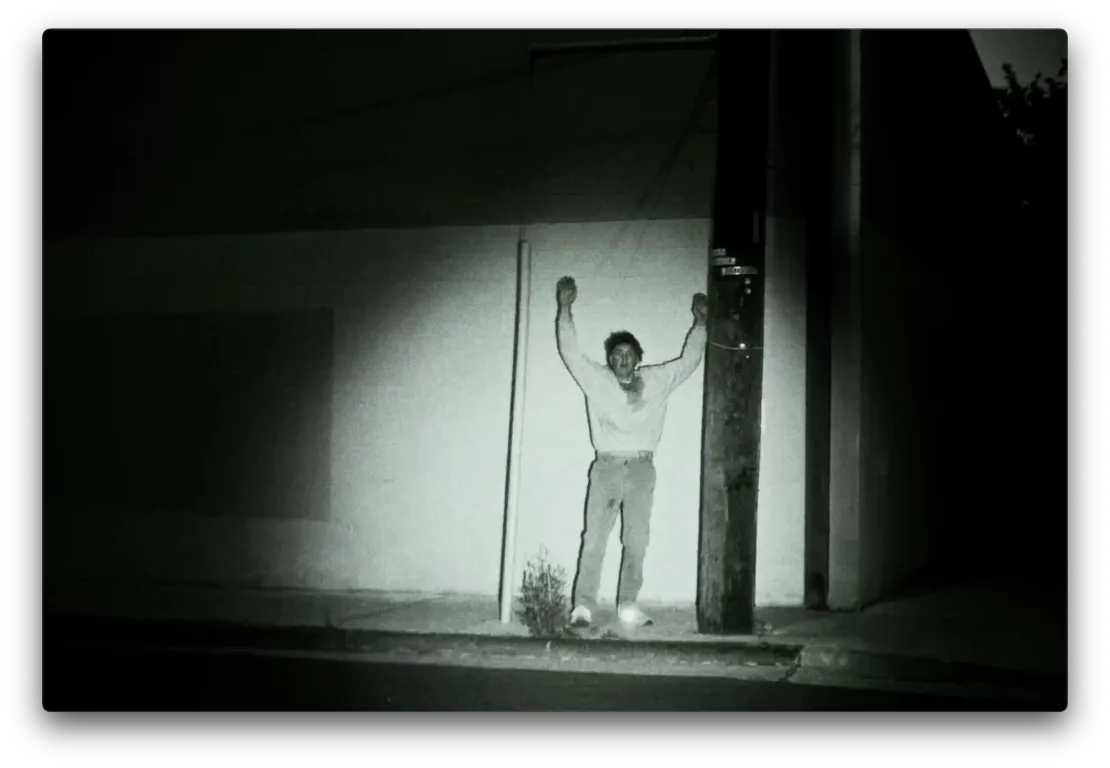
Speaking of scrappy, you could hardly find a more lo-fi effort at the fest than Alan Resnick and Robby Rackleff’s “Dance Freak,” made for a measly $40,000 and shot over three years in a style reminiscent of everything from David Lynch to Guy Maddin to “Tim and Eric Awesome Show, Great Job!” That last comp tracks, too, given that Resnick is a venerated Adult Swim alum, making surreal short films like “This House Has People In It” and “Unedited Footage of a Bear”; his comic sensibilities lie in the uncanny discomfort of old-school film form, mining laughs from eerie menace and the absurdism that lies beneath.
That, and a lot of gyrating, is at the core of “Dance Freak,” a nightmarishly funny black-and-white work set in an apocalyptic city as smoke billows up into the sky and the streets are overrun with crime, poverty, and roving gangs of droogs called the “Salad Boys.” Just trying to survive is thirtysomething hot mess Obie (Rackleff), whose hangdog expression and sweat-soaked clothes make it easy to see why, when he meets his ambitious mayoral-hopeful girlfriend Dorty (Megan Koester) for lunch at a diner, she dumps him. Meanwhile, a mysterious leather-jacketed figure (also Rackleff) is roaming around town, flailing his limbs in a dance macabre that, when the wrong person gets too close, makes their flesh collapse on itself.
Is the titular “dance freak” a manifestation of Obie’s sublimated rage and resentment at the world (and women) who make him feel like a loser? Or is he the product of a bizarre science experiment being chased down by Dr. Dilly Gorgul (Sheila Mears), who tracks him, Dr. Loomis-style, through the city with a blaster that looks like a kitbashed hot glue gun? “Dance Freak” presupposes that he is both, and neither, in a twisty, chaotic script that defies open and easy explanation.
That comic anarchy is “Freak”‘s greatest weapon, though, sitting along that same strain of absurd conspiratorial menace that you can see in any given Conner O’Malley short (fitting, since O’Malley appears here in a one-scene wonder as a fellow “freak” who antagonizes Obie while they sit in a jail cell). The world is crazy and insane; Obie’s boss, Megaman (Stavros Halkias), throws expletives in every other word to a hilariously absurd frequency, and the Salad Boys wander the streets taunting people to eat their giant plastic bags of loose greens. (Considering that nowadays that’ll get you a bad case of cyclospora, that might be “Dance Freak”‘s most timely terror.) Every character in this is insane in their own way, which makes the film feel like a fever dream.
A lot of times, this works, especially considering the grainy, harsh black-and-white aesthetic that conjures the indies of the early ’90s, as if “Clerks” had the vibes of “The Elephant Man” and “Pi” put together. There’s a sense of doom and gloom that permeates, an inky-black void that echoes Obie’s despair at the state of his world. It may not make full sense, and it might stretch your attention span even at a brisk 100 minutes, as the tangents grow ever more chaotic. But it’s not hard to see how you, too, could get lost in its hypnotic sway.