Roger Ebert loved movies for the stories they tell about people and also for the world they reflect and sometimes shape. In his later years, he wrote the Great Movies books to inspire audiences to look beyond current releases to better understand what led us to where we are in the world of movies and in our culture, politics, and history. And then, in his last years, his column “Roger Ebert’s Journal” included his views on politics and the essential American values, along with very personal stories.
The movies that mattered most to Roger showed us the lives of people outside our experience and illuminated a new perspective on our own. Movies love stories about outsiders, underdogs, and rebels, all central to the American character. In honor of the 250th anniversary of the document that led to the founding of the United States of America with a new, if flawed declaration of the inalienable rights of all individuals, here are some of the movies he loved most for what they showed us about our country, the best and worst, the failures and the resilience, and beauty of our aspirations and the mistakes we make in trying to achieve them.
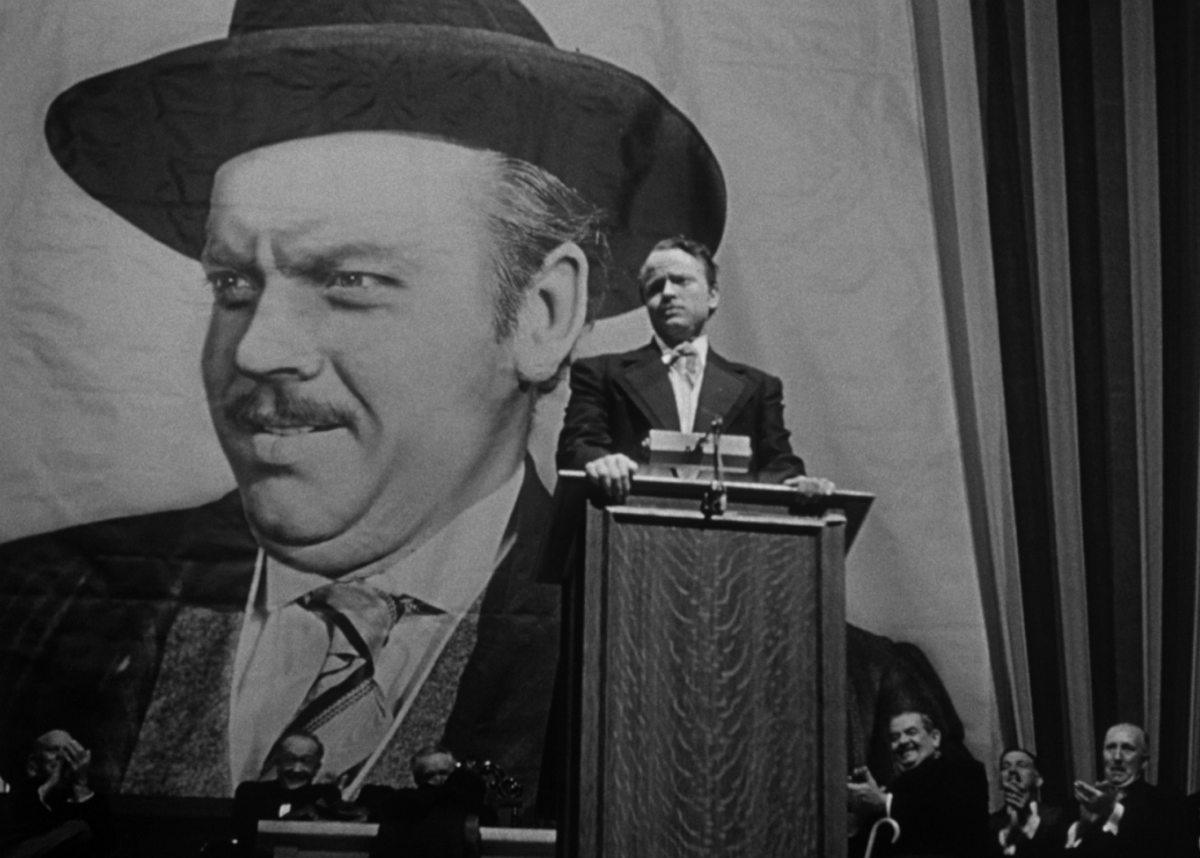
Roger’s audio commentary on what many consider the greatest American film of all time is one of the most erudite, fascinating discussions of filmmaking ever recorded. Kane is a boy taken from his family to be given all the advantages of wealth, who becomes a man, careless yet optimistic and public-spirited, but then bitter and selfish. And it is a masterpiece of cinematic storytelling, visual, dramatic narrative, acting, cinematography, and performance, with its 25-year-old writer-director in the title role.
In his “Great Movies” essay about “Citizen Kane,” Roger wrote about the “bravura visual moments,” the insightful depiction of history and progress, the circular storytelling that adds more context and nuance with every return to an incident, the impulse to try to understand, and the ultimate unsolvable mystery of any human being.
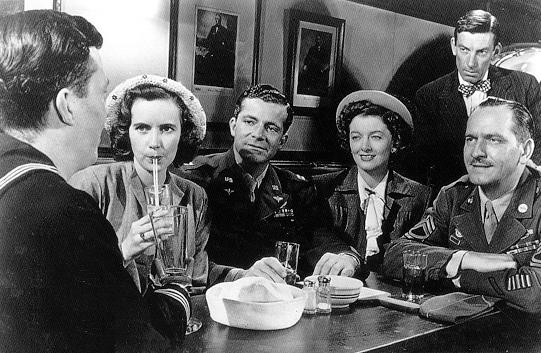
Roger praised this film about the difficulties faced by ordinary American men in returning home after WWII for not trying to paint them as extraordinary. They are good, decent men, but they are not especially heroic, and their struggles to adjust to “normal” life and to process how their experiences have changed them remain relatable even eight decades later.
Twenty years ago, Roger wrote: “Seen more than six decades later, it feels surprisingly modern: lean, direct, honest about issues that Hollywood then studiously avoided. After the war years of patriotism and heroism in the movies, this was a sobering look at the problems veterans faced when they returned home.”
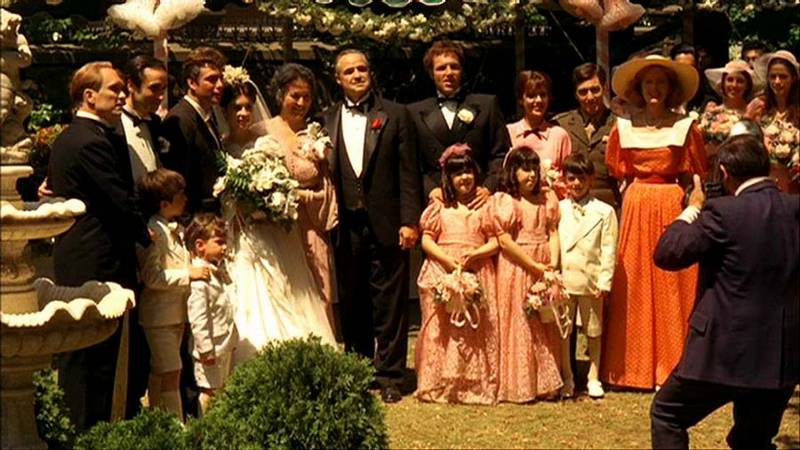
Roger noticed something unusual about this Best Picture Oscar winner that explains our fascination with, and even sympathy for, its characters. We may see a lot of brutal, graphic violence, but all of it takes place within the limited world of the crime syndicates. He called it “a brilliant conjuring act, inviting us to consider the Mafia entirely on its own terms.” The audience hears about threats outside of that world, notably a story about a gun held to a man’s brow, and we see the severed head of a man’s beloved horse. But we do not see any violence against people who are not part of the syndicate.
Roger said that, within his own world, Marlon Brando’s Don Corleone has a sense of morality in how he grants favors and insists on staying out of the drug business. And yet, the story is about the corruption of his son, Michael, who at first insists he is not part of the criminal world but, in this movie and its sequel, becomes increasingly ruthless.
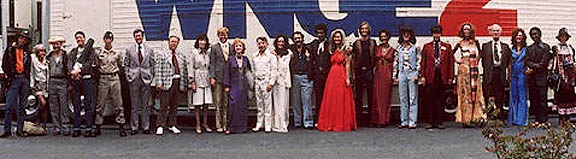
Roger called Robert Altman’s film about country music performers a musical that is also a political parable and “a tender poem to the wounded and the sad.” He wrote: “The buried message may be that life doesn’t proceed in a linear fashion to the neat ending of a story. It’s messy and we bump up against others, and we’re all in this together. That’s the message I get at the end of “Nashville,” and it has never failed to move me.”
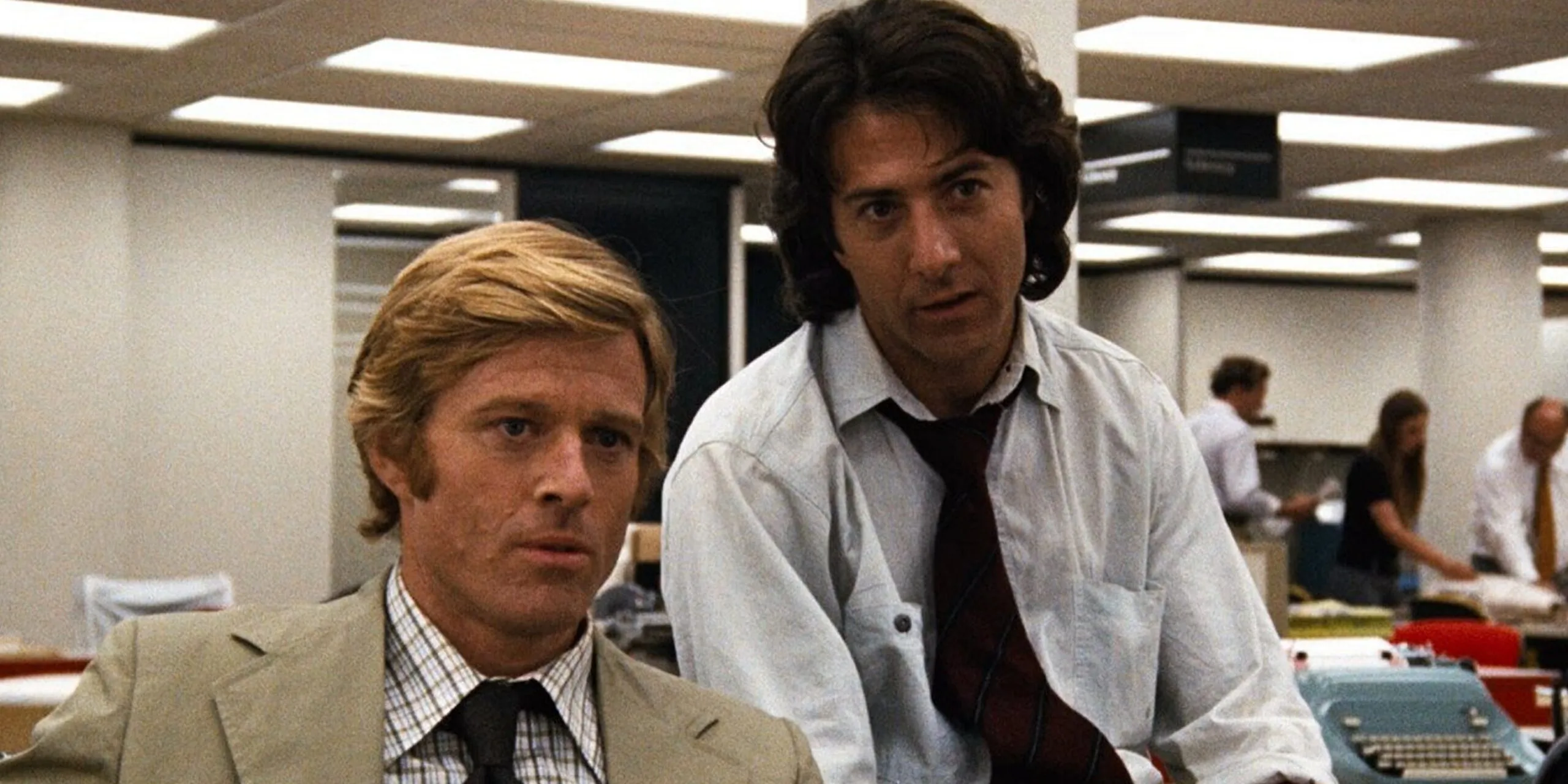
The “third-rate burglary” break-in to the Democratic office at the Watergate building turned out to be the thread that unraveled crimes at the highest levels of the United States government. The people who pulled on that thread were two young reporters at the Washington Post, Bob Woodward and Carl Bernstein.
Roger, a journalist himself who loved his profession and adhered to its highest principles of integrity, appreciated the authenticity in this depiction of reporters who challenged the most powerful people in the country. “Who’d have thought you could build tension with scenes where Bernstein walks over to Woodward’s desk and listens in on the extension phone? But you can. And the movie’s so well paced, acted, and edited that it develops the illusion of momentum even in the scenes where Woodward and Bernstein are getting doors slammed in their faces.”
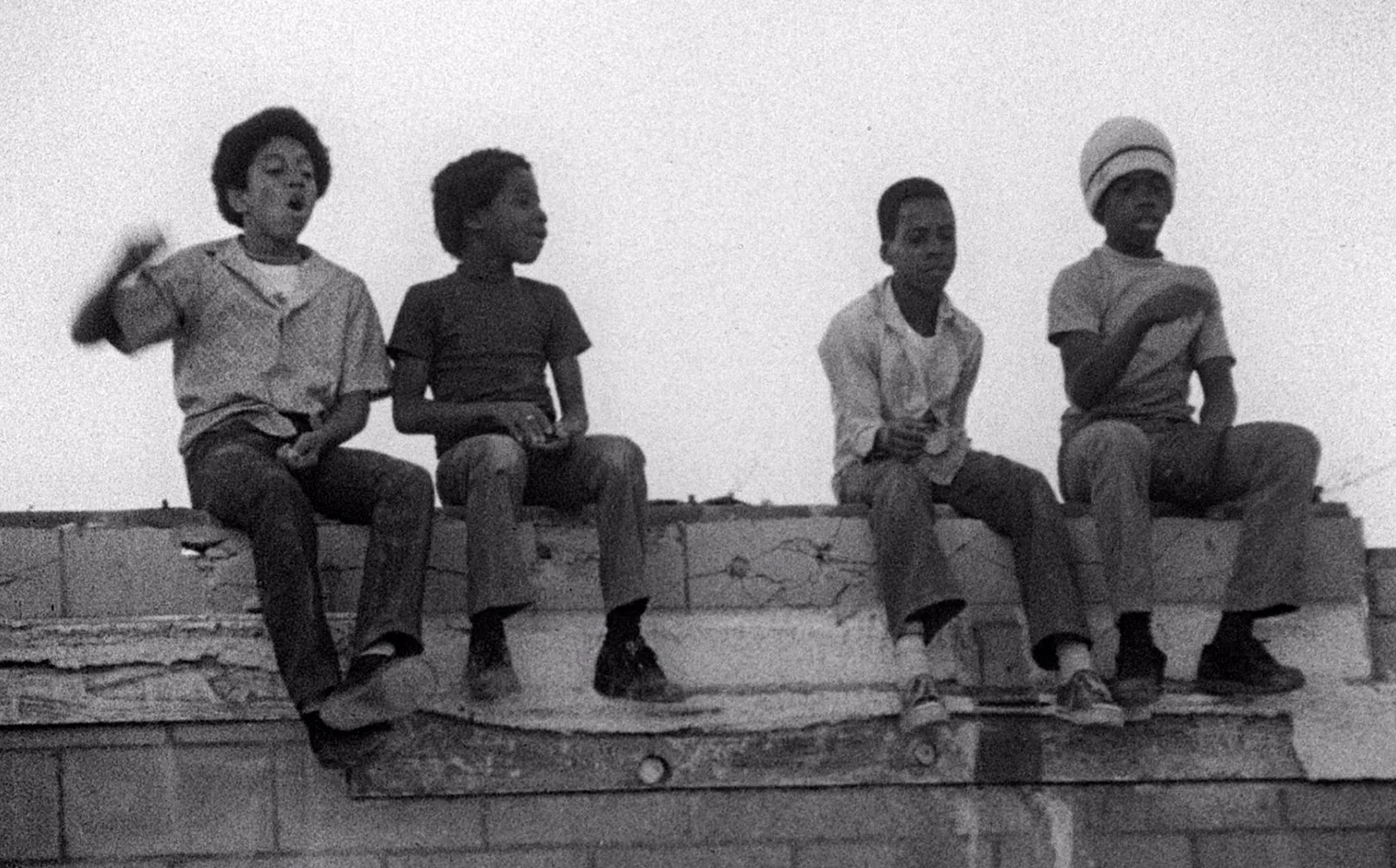
I deeply appreciate how Roger was always willing to reconsider a film’s value. When this movie was first released, Roger wrote, “Instead of making a larger statement about his characters, [director Charles Burnett] chooses to show them engaged in a series of daily routines, in the striving and succeeding and failing that make up a life in which, because of poverty, there is little freedom of choice.”
Thirty years later, Roger admitted he had made a mistake in his view of the story about a Black man who works in a slaughterhouse and his family. The daily routines and the absence of freedom are the larger statement. “In this poetic film about a family in Watts, [Burnett] observes the quiet nobility of lives lived with values but without opportunities. The lives go nowhere, the movie goes nowhere, and in staying where they are, they evoke a sense of sadness and loss.”
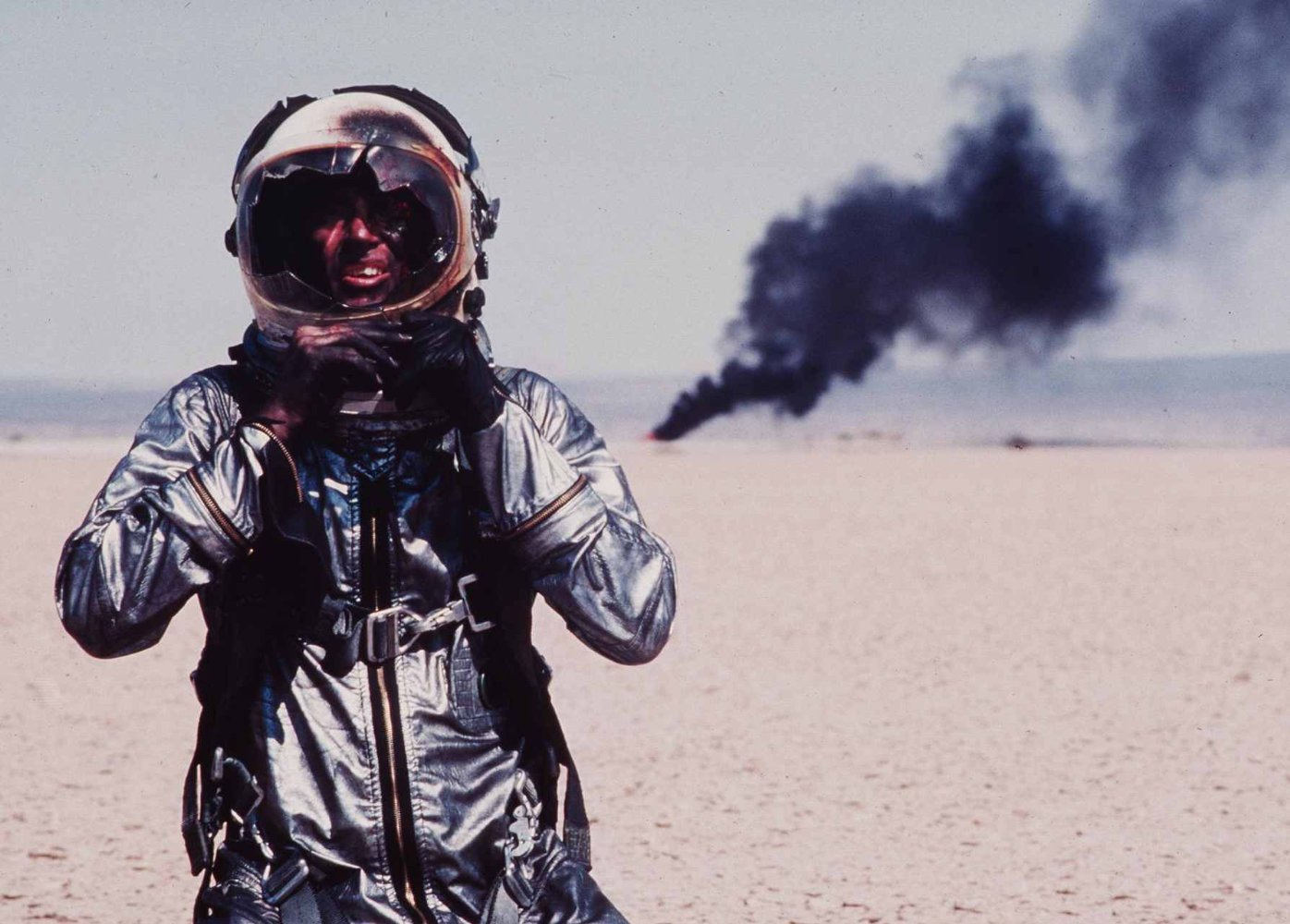
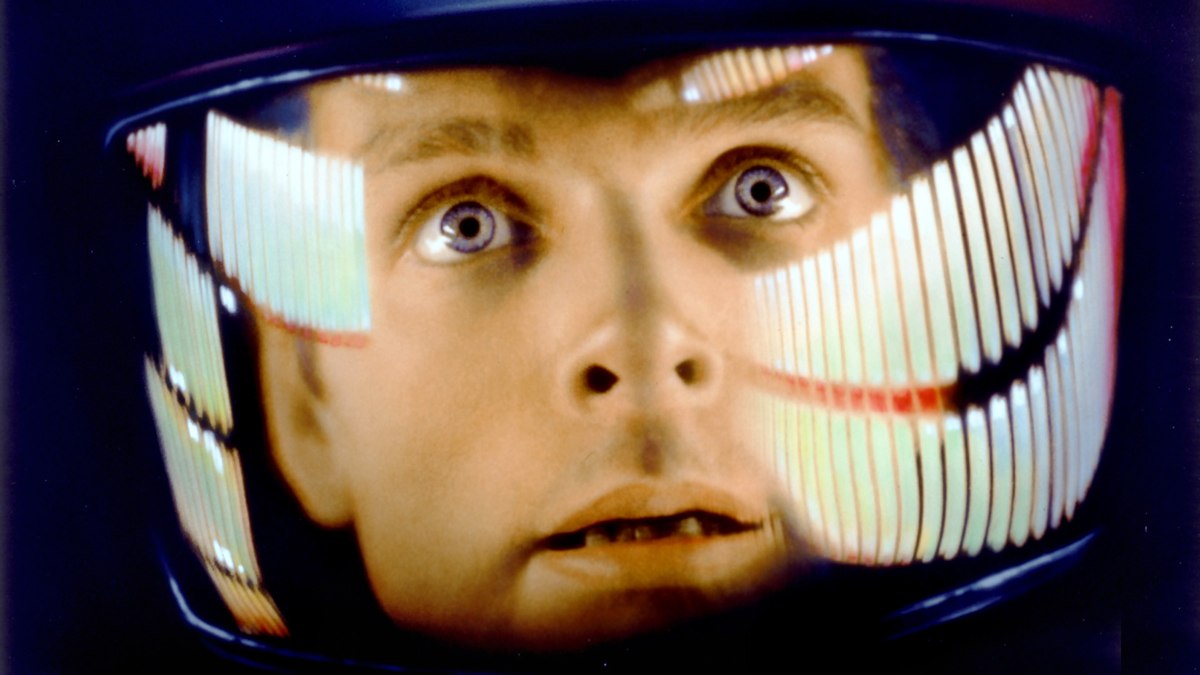
Philip Kaufman’s film is based on Tom Wolfe’s book about the US space program, from the breaking of the sound barrier to the selection of the Mercury 7 astronauts.
Writing about it in 2002, Roger wrote that its lukewarm reception at the box office was because “audiences were not ready for a movie that approached the program with skepticism, comedy and irony.“
The larger story of the film goes beyond the achievements and colorful characters of the space program to a meditation on a classic American story, the uneasy transition from the character and skills of the lone cowboy to the more “civilized” established community, as we also see in “My Darling Clementine,” “Lonely Are the Brave,” and “The Man Who Shot Liberty Valance.”
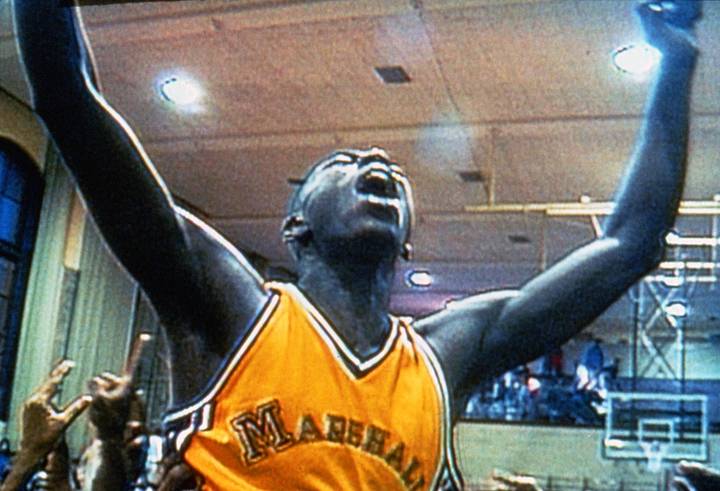
There’s no better example of Roger’s perspective—and his influence—than his four-star review of this documentary about two Black boys from poor families who are given basketball scholarships to an expensive private school. “A film like “Hoop Dreams” is what the movies are for. It takes us, shakes us, and make us think in new ways about the world around us. It gives us the impression of having touched life itself … [It is] poetry and prose, muckraking and expose, journalism and polemic. It is one of the great moviegoing experiences of my lifetime.”
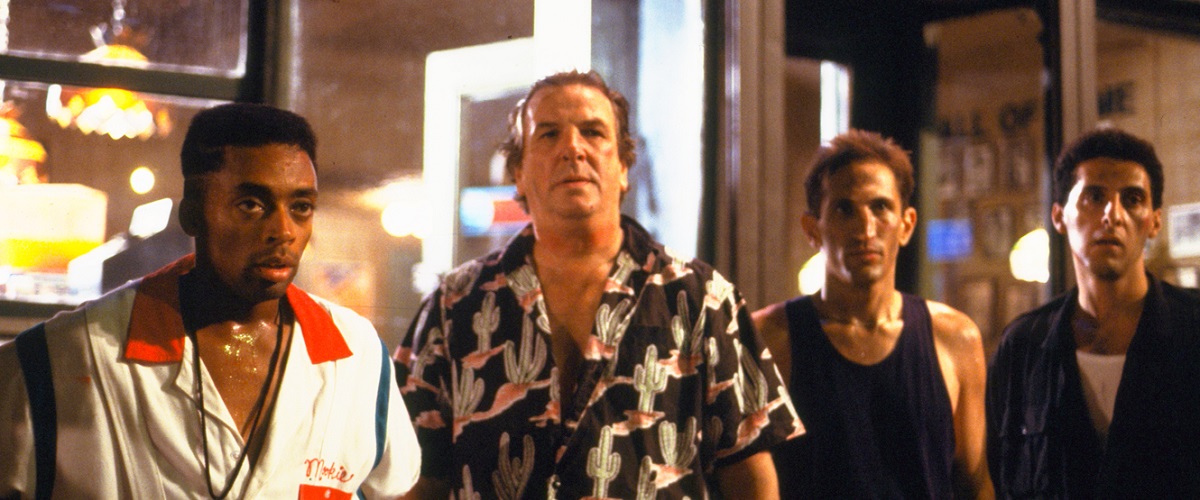
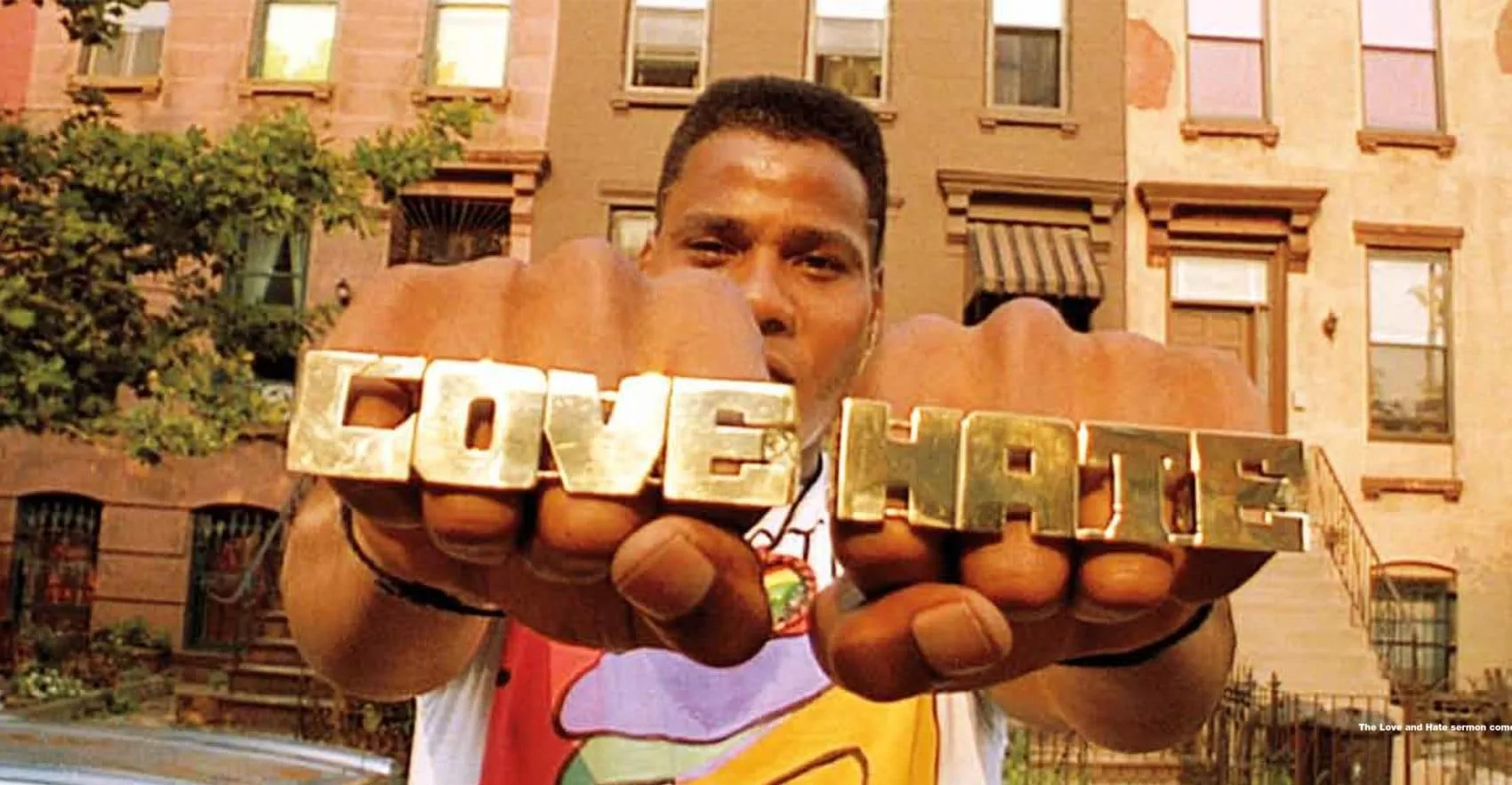
Roger said his first viewing of Spike Lee’s searing story of hot weather and hot tempers in Brooklyn penetrated his soul. It exemplifies Roger’s view that movies are “an empathy machine.” He wrote: Spike Lee “made a movie about race in America that empathized with all the participants. He didn’t draw lines or take sides but simply looked with sadness at one racial flashpoint that stood for many others.”
He noted with appreciation the extraordinary stylistic achievement of the then-32-year-old writer/director and marveled at his empathy for all of the characters. “If you can’t try to understand how the other person feels, you’re a captive inside the box of yourself.”
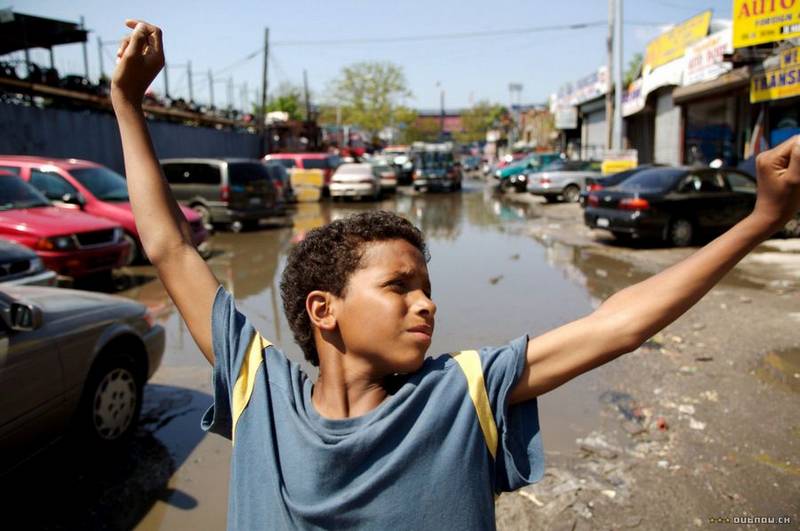
The immigrant experience is an essential part of the American Story. Roger loved this film from writer/director Ramin Bahrani, the American-born son of Iranian immigrants. The adult performers in the film work in the Iron Triangle area where the film was shot. They often used their own words and were often unaware that the camera was rolling.
Roger said, “What is remarkable is the way, after careful preparation and multiple takes, Bahrani finds performances in them that are so natural and convincing, they put professional actors to shame.” The story is about Ale, a 12-year-old orphan trying to care for himself and his sister by working several jobs, including getting $5 for each car he flags down for an auto repair shop. Roger said, “Ale is in the tradition of American symbols of upward striving.”