Robin Hood has become a running joke in certain circles. Not the legend itself, more the fact that Hollywood dutifully makes new Robin Hood films every few years despite little evidence that the audience has any interest in the character. It makes sense that studios, in The Age of the Superhero, would go back to this well, hoping it will yield the sustenance that slakes their unquenchable thirst.
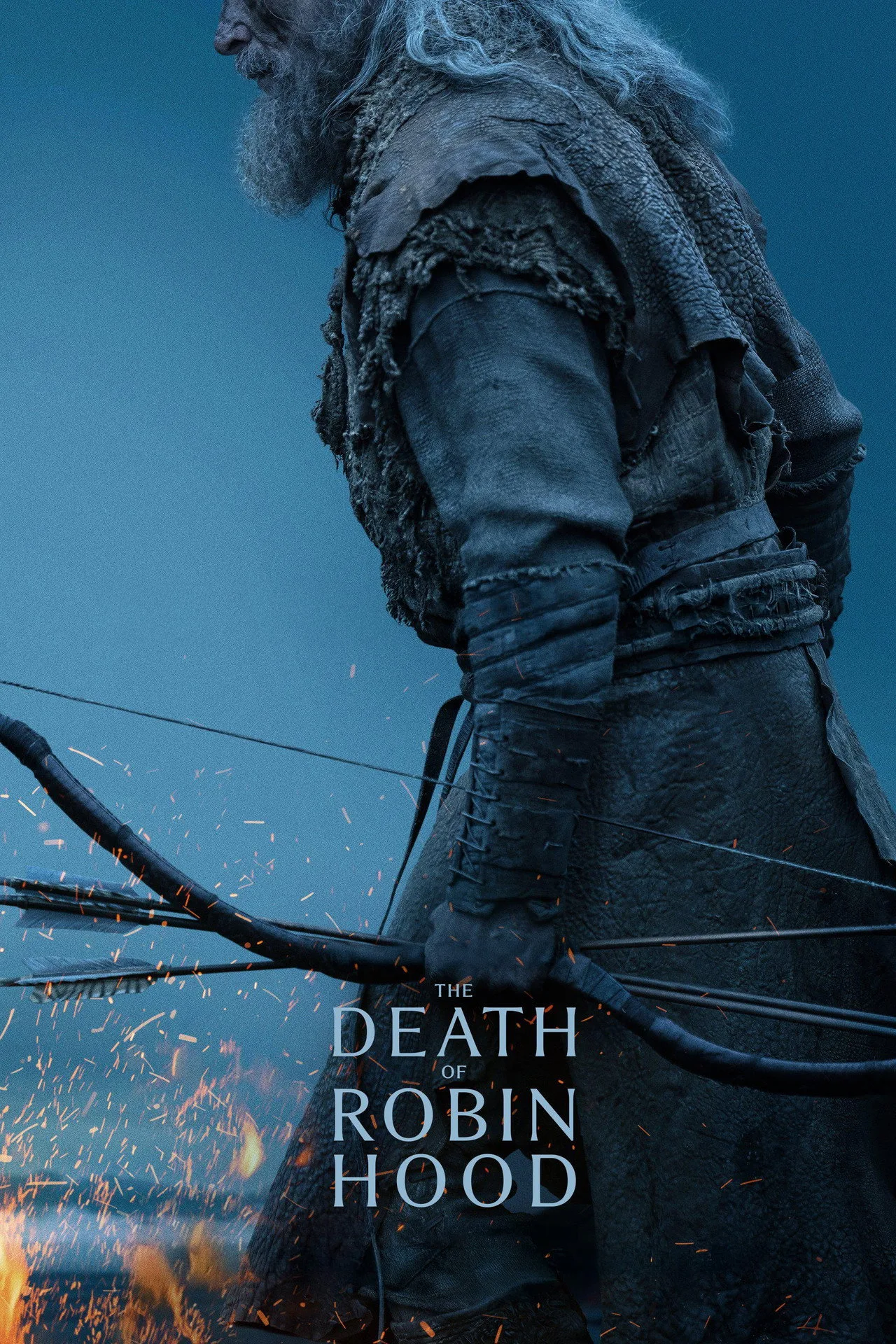
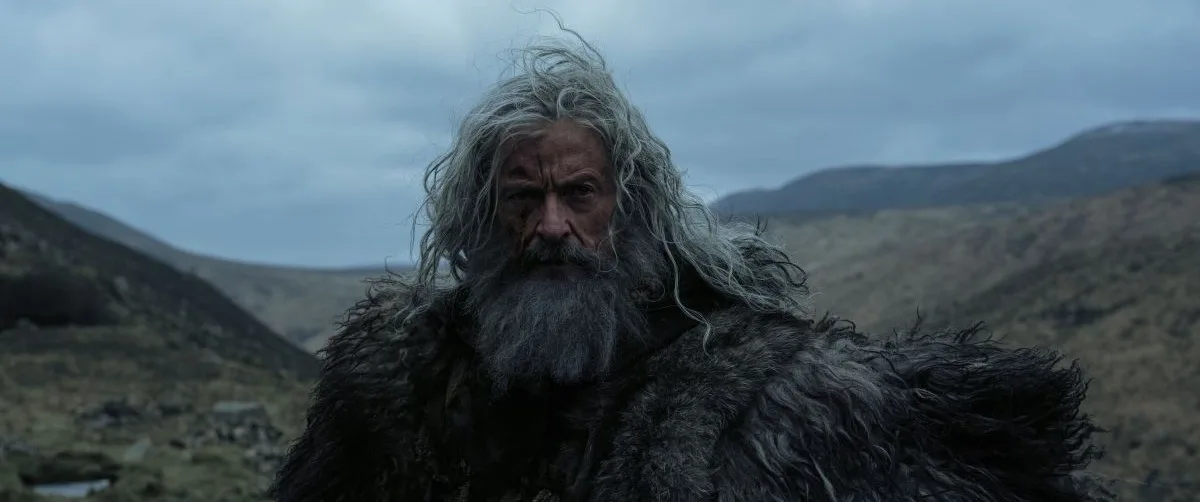
Whatever your opinion of Michael Sarnoski’s “The Death of Robin Hood,” this is most certainly not an attempt to create a cash cow franchise. Sarnoski’s third feature has a lot in common with his debut “Pig,” particularly in the way it sets up a familiar genre tale only to completely subvert those expectations. This is the “Unforgiven” of Robin Hood films, with Hugh Jackman playing an aged version of the outlaw hero who we find living alone in exile amongst windswept hills that reflect his internal state (the film was shot in Northern Ireland and the landscapes are so beautiful Sarnoski uses the 2.4:1 aspect ratio for the first act before switch to 1.66:1). This is a man awaiting judgment. He informs a hapless stranger early on that all of the romantic myths around Robin Hood are merely myths, and we soon learn his viciousness and dark gift for bloodshed means half of England has a vendetta against him.
Based on an epic English ballad from a few centuries ago, Sarnoski’s screenplay deconstructs the myth of Robin Hood in a manner that feels especially apt in 2026. While he is a thoroughly English creation, America has always aspired to have joint custody of Robin Hood. This country loves a rebel, even if it seems we are eternally divided on what constitutes tyranny and who should be rebelled against. It feels very 21st century to suggest that Robin Hood’s rebellion was ultimately just an excuse to satisfy an insatiable bloodlust. Robin Hood always seems to be an American reflection as much as an English one.
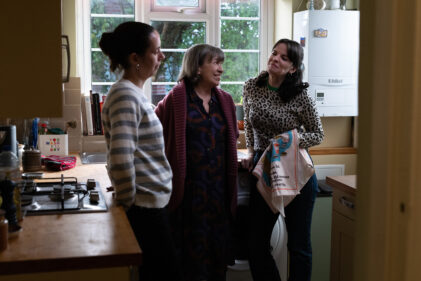
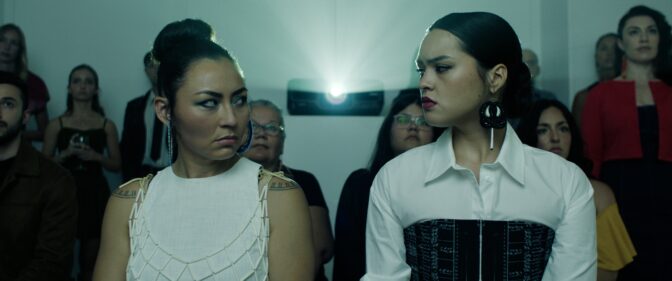
Originally, Richard Lester’s “Robin and Marian,” based on the same ballad, was to be called “The Death of Robin Hood” in 1976 before cooler marketing heads changed it, but the title is about all the films have in common. Lester’s film is at its best when it celebrates the middle-aged rekindling of romance, a notion Sarnoski’s film wastes no time in disabusing us of. It’s best not to know too much about the plot ahead of time, so let it suffice to say that after a nightmarish first act battle that Robin Hood takes on alongside Little John (played by Bill Skarsgård), he finds himself healing in a priory on a small island. The remote location makes it feel as though Robin Hood has been granted access to either heaven or purgatory. His wounds are treated by a prioress named Sister Brigid (Jodie Comer, always fascinating in her choices) and he finds himself looking after Little John’s young daughter Margaret (played by Faith Delaney). Hood even makes a very unlikely friend (a truly unrecognizable Murray Bartlett) who challenges him to become a part of his new community and leave his old ways behind him for good.
Here the film feels like a Western. Sarnoski plays with the growing tension that, somehow, the violence that has followed Hood all of his life will somehow find the island. Again, if you know “Pig,” then it will not come as a surprise that the film does not have the Eastwoodian climax it would in lesser hands be building towards.
Jackman almost feels like the co-author of the film as he has played this part more than once before. The resemblance between this film and “Logan” is pretty strong, right down to the broken hero being forced to care for a girl child. Jackman’s versatility is unique: he is an old-fashioned song and dance man who also has a penchant for playing tragic anti-heroes. A shame we are no longer in the era of the big Shakespeare adaptation, because I’d love to see what he could do with both the comedies and tragedies of the Bard.
His Robin Hood is one of the most interesting takes on the character in recent memory. He handles Hood’s steely resolve to survive, his willingness to commit atrocities, and his regrets with grace. The film, in the end, seems to also be about the medieval equivalent to being cancelled. Robin Hood’s third act heroism is notable, not for the acts of violence he commits, but the way he submits himself for judgment when he could have avoided it altogether. For once, a Robin Hood film has come along that challenges us to think about what redemption costs.