Sundance and the myriad indie film festivals that it inspired often push what could be called “new filmmaking,” projects that break ground formally. But there’s something just as special about seeing an old-fashioned kind of art done well. The three films in this dispatch all feel like they owe something to cinematic works of previous generations, whether it’s a rugged ’40s vision of heroic masculinity, a character study that could have worked with only minor changes in the ‘70s, or a dramedy that seems inspired by one of the most beloved projects by Sundance’s founder, Robert Redford.
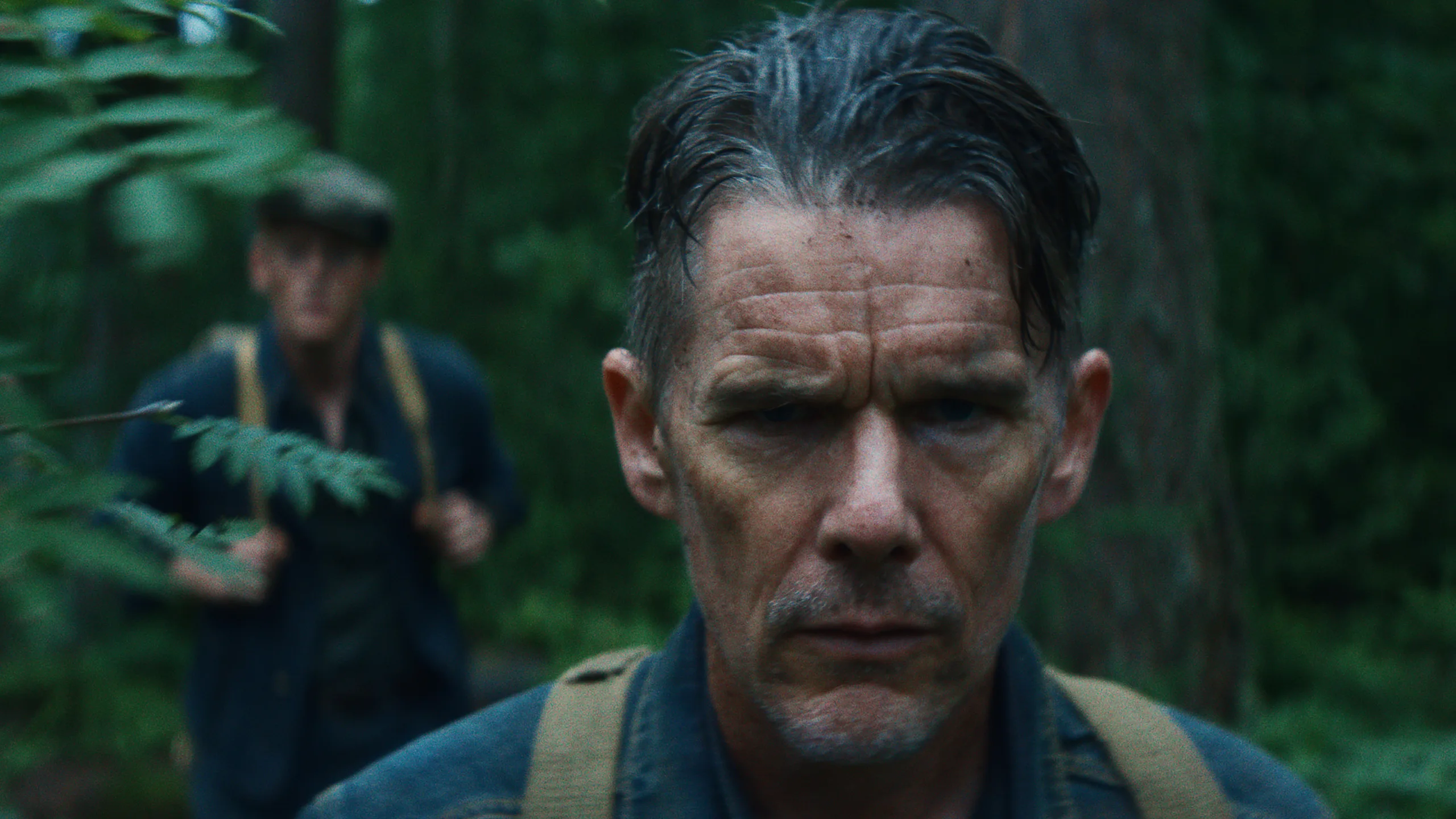
The best of the bunch is a reminder that one of this year’s Oscar nominees is quite simply at the top of his class. Someone should study the range on display from Ethan Hawke’s Oscar-nominated performance in “Blue Moon” to his rugged, almost Robert Mitchum-esque character work in the wonderfully entertaining “The Weight,” easily one of the best films of a relatively down Sundance. This is not meant as any offense to the indie films that dominate a festival like Sundance, but Padraic McKinley’s period thriller just feels more like a fully-formed movie than a lot of the low-budget dramedies that dot the landscape of an event like the one leaving Park City for Boulder. It could play Cannes or Venice as easily as Sundance. It’s that accomplished and singular.
McKinley’s film opens in Oregon in 1933, just a few months into the depression that would devastate the United States. Samuel Murphy (Hawke) is a single father who is arrested for basically defending himself, torn from his daughter Penny, and sent to a work camp run by the tough Warden Clancy (a great Russell Crowe, doing exactly what is asked of him in just a few scenes). Clancy senses something different about Murphy. Not only is he older than most of the other inmates, but he’s also wiser and tougher. He can be the leader Clancy needs for an illegal operation.
To help with the nationwide economic crisis, Roosevelt’s men are coming the next morning to claim the gold from the mine that Clancy oversees. He devises a plan to have Murphy and a select crew of other desperate men abscond with the loot, walking it through the Pacific Northwest to a meeting place far away from the G-men. What unfolds is a journey akin to “The Wages of Fear” or the excellent remake “Sorcerer”—a tense story of life-and-death survival that’s imbued with class commentary. Of course, it’s not Clancy carrying the bags; it’s Murphy and his buddies. If they fall to their death under the weight of their lode, who will notice?
Director McKinley says in the film’s notes that he wanted to make a “soulful action drama” like “Sorcerer,” “Jeremiah Johnson,” or “Deliverance,” and fully achieves that goal. It’s one of those films in which you can feel the weight of these bags dragging these men through the woods, usually at the end of a gun being held by the two allies sent by Murphy to accompany them. Whether it’s a rickety bridge or fellow miners who may want to steal their gold, there’s a threat around every corner, and McKinley keeps the tension at a Friedkin-esque simmer throughout.
It helps to have an actor as remarkable as Hawke at the center of “The Weight.” As he always does, he makes such smart choices. In this case, it’s to actually go quiet instead of brashly heroic. Murphy is driven, but he’s also patient and observant, more so than the brazen young guys he travels with. Murphy thinks before he acts. And he’s drive by one goal—to get to his daughter again—and nothing is going to stop him.
More than probably any film at Sundance this year, “The Weight” feels like a cross-demographic hit. There are some camera choices that could hamper complete enjoyment by all—including a late-movie fight that’s shot far too close—but the last ten minutes of “The Weight” are as satisfying as anything you’re likely to see this year. It’s a reminder that not all heroes wear capes.

There’s a similar “they don’t make movies like this that often anymore” aesthetic to Noah Segan’s directorial debut, “The Only Living Pickpocket in New York,” a film that loves the weathered faces of legendary stars like John Turturro, Steve Buscemi, and Giancarlo Esposito as much as it does the twists and turns of a clever thriller. A few of the character beats in this screenplay feel a bit too predictably easy, but the unimpeachable cast holds it aloft every time it threatens to sink into the mud of cliché. Much like “The Weight” fills a gap in the world of modern movies that people will admire, Segan’s film has a nostalgic grace, a reminder of when films were about people as much as what they do.
Of course, Harry Lehman (Turturro) is kinda defined by what he does, too. It’s right there in the title. He lifts things from people on subway trains throughout the city, existing in a kind of moral grayness that has estranged him from his daughter (Tatiana Maslany). He seems to have only one friend, his fence, Ben (Buscemi). He takes items like watches and phones to Ben for cash, but he usually returns the wallet itself. Would you hate him forever if he lifted your cash? Sure. But Segan and Turturro are careful not to play Harry as too villainous. He’s almost charming in his throwback way, as long as he’s not stealing your watch.
Harry’s life changes when he lifts a wallet and bag from a snotty twentysomething named Dylan (Will Price), who turns out to be connected to all the wrong people for our pickpocket protagonist. The problems really start when Harry quickly discards a USB card that holds Dylan’s virtual locker, which means thousands, maybe millions, of dollars are in play. Dylan and his armed cadre kidnap Harry’s wife and order him to get the card back, which won’t be easy. Can Harry retrieve the stolen goods in time to save his love? And won’t he just be killed anyway when he does?
There’s a certain bleak finality to “The Only Living Pickpocket in New York” that serves Turturro’s acting style well. He leans into a melancholy that has imbued his characters in the past and almost seems to relish being opposite former acting partners like Buscemi and Esposito, with whom he starred in one of the most essential New York films of all time: “Do the Right Thing.” Looking at them again, almost four decades later, feels like a vision of a changing city, adding another grace note to a film that’s full of them.
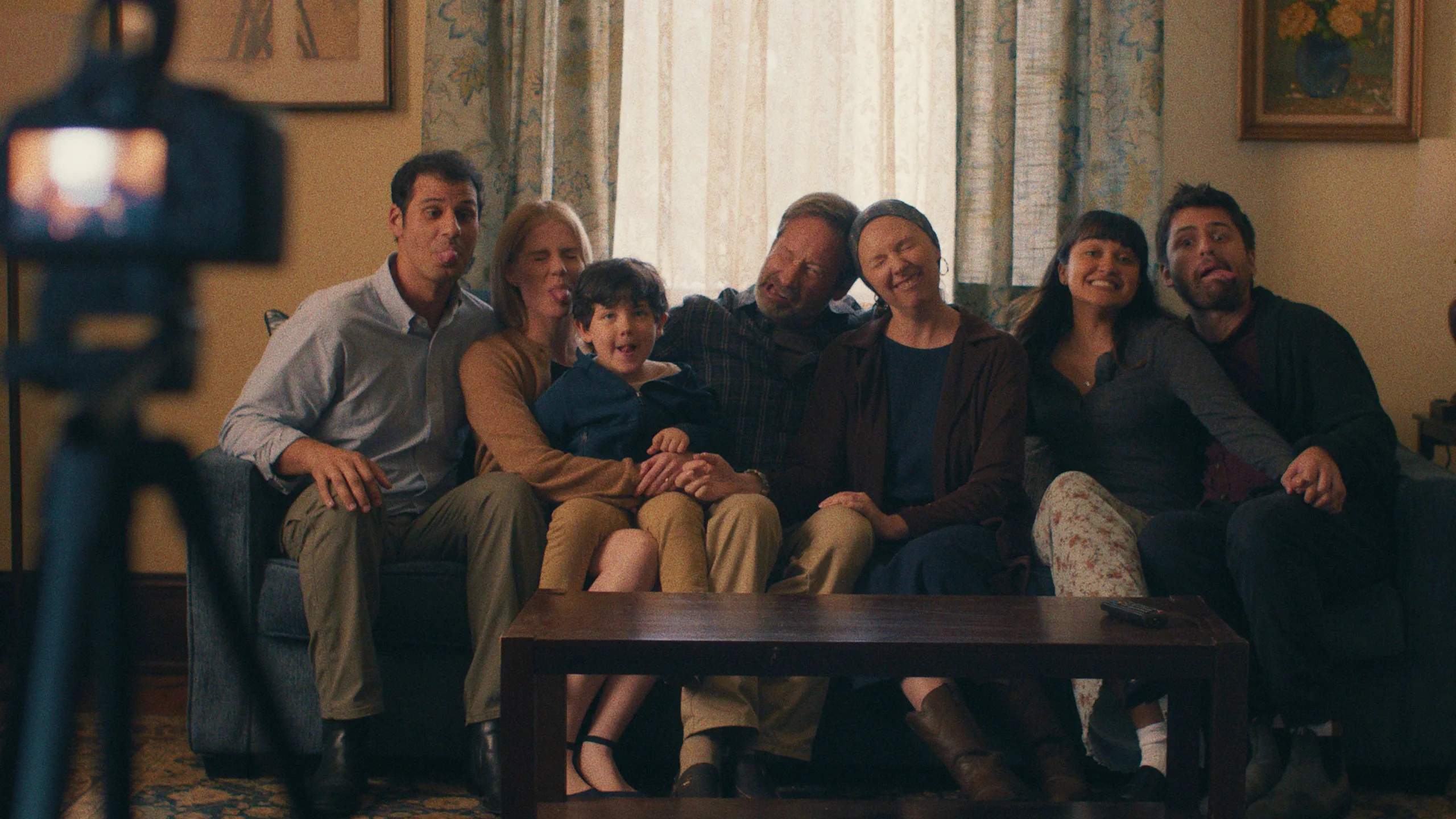
“Sometimes you have to get worse to feel better.” This line, spoken by a therapist in Jay Duplass’ “See You When I See You,” is at the core of what this memoir-based dramedy is about: We too often try to clean up our mess when sometimes we have to push through it to find ourselves again.
The director of last year’s wonderful “The Baltimorons” returns to the fest circuit less than a year later with a very different kind of dramedy, but one that once again centers reality-shaking topics like suicide and alcoholism. (And a cancer subplot reminded me of Jay’s subtly wonderful work in last year’s “Dying for Sex,” too). While “Baltimorons” felt like a loving nod to the work of Richard Linklater, this one has echoes of the man who founded Sundance, Robert Redford, in its similarities to the drama that won him an Oscar: “Ordinary People.” Once again, we’re witness to a family fractured by tragedy, and a son and brother who has to fight through his demons to repair it.
Cooper Raiff (“Cha Cha Real Smooth”) plays Aaron Whistler, a stand-in for writer Adam Cayton-Holland, who adapts his own memoir Tragedy Plus Time. Aaron is an absolute mess, fighting waves of depression with booze after the suicide of his best friend, his sister Leah (Kaitlyn Dever). Suicide of a loved one can leave behind unhealable scars. It often becomes more about learning to live with those open wounds than about finding ways to fix them.
As Aaron cycles through memories of Leah and questions what he could have done differently, he bickers with his family about whether or not to hold a funeral at all. Dad Robert (a subtle David Duchovny), mom Paige (Hope Davis), and sister Emily (Lucy Boynton) battle trying to manage their own pain while pulling Aaron out of his spiral. They have their own concerns, including Emily raising a child herself while working with her father, who openly talks about his unimaginable grief at the office.
Paige has an even deeper distraction after she finds a lump in her breast that is probably cancerous. While all of this is happening, Aaron alternately reaches out to and pushes away an old love named Camila (Ariela Barer) while also trying to find a way to rekindle interest in his day job again, which leads him to a story about an endangered species of birds.
If it sounds like a lot for one 102-minute movie, it is. There are a few too many times when it feels like an element of Cayton-Holland’s book that probably had pages to develop—like the bird subplot or even the cancer one—just doesn’t have enough room to breathe on the big screen. It doesn’t help that Aaron/Raiff is sucking up all the oxygen, which is, admittedly, part of the plot, but frustrating, nonetheless. While Raiff has worked with the right material before, a few of his choices here feel shallow. He just never quite closes the sale on spiraling emotion as much as an actor playing spiraling emotion.
Duplass draws much better performances out of his supporting cast, especially the excellent Boynton, who has never been better. She’s the sister who suffers largely in silence, not lashing out like her brother but feeling pain in her own way. At many points, I wished the movie were about her.