In the first five minutes of HBO’s “A Knight of the Seven Kingdoms,” the soaring title theme of its predecessors “Game of Thrones” and “House of the Dragon” trickles in, before abruptly cutting off, replaced by the sound of the series’ protagonist having a bowel movement. It’s not a slight against the previous series, but rather a move to let the show’s audience know that this is not only a different story in the world of Westeros, but a different kind of adaptation entirely.
Adapted from “The Hedge Knight,” the first novella in George R.R. Martin’s “Tales of Dunk and Egg” series, this new show is vastly different from its grand predecessors. Unlike them both, there are no dragons, no grand battles, and no big stars.
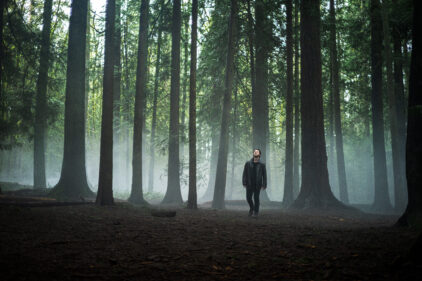
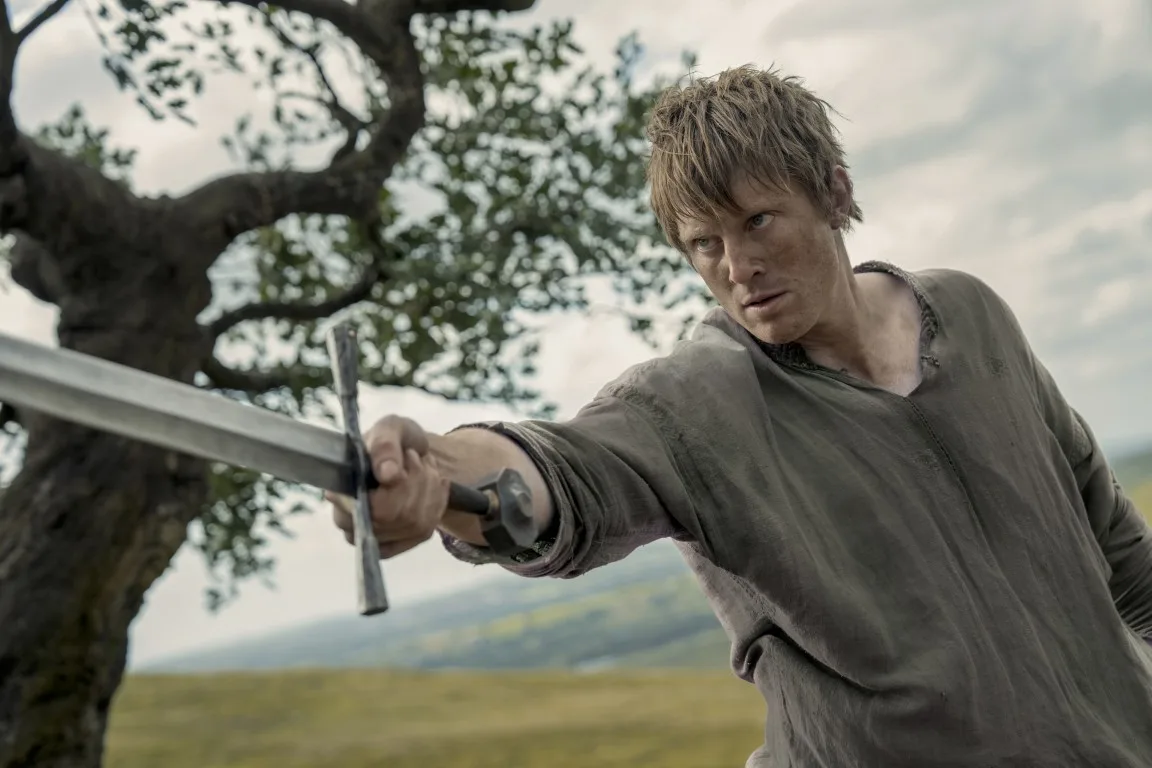
Instead, the series focuses on Duncan “Dunk” the Tall (Peter Claffey), an awkward man who desperately wants to become a knight. Alone in the world after the death of his mentor Ser Arlan of Pennytree (Danny Webb), with only his horse Sweetfoot as a friend, Dunk decides to enter a tourney as a means to make money. On his journey, he meets Egg (Dexter Sol Ansell), a young boy who, despite Dunk’s insistence, he can’t seem to shake. But Dunk’s journey won’t be easy. In this world, to become a knight, you must have credentials, and desperate to gain some, Dunk must make some connections while protecting himself and his new ally from burgeoning foes.
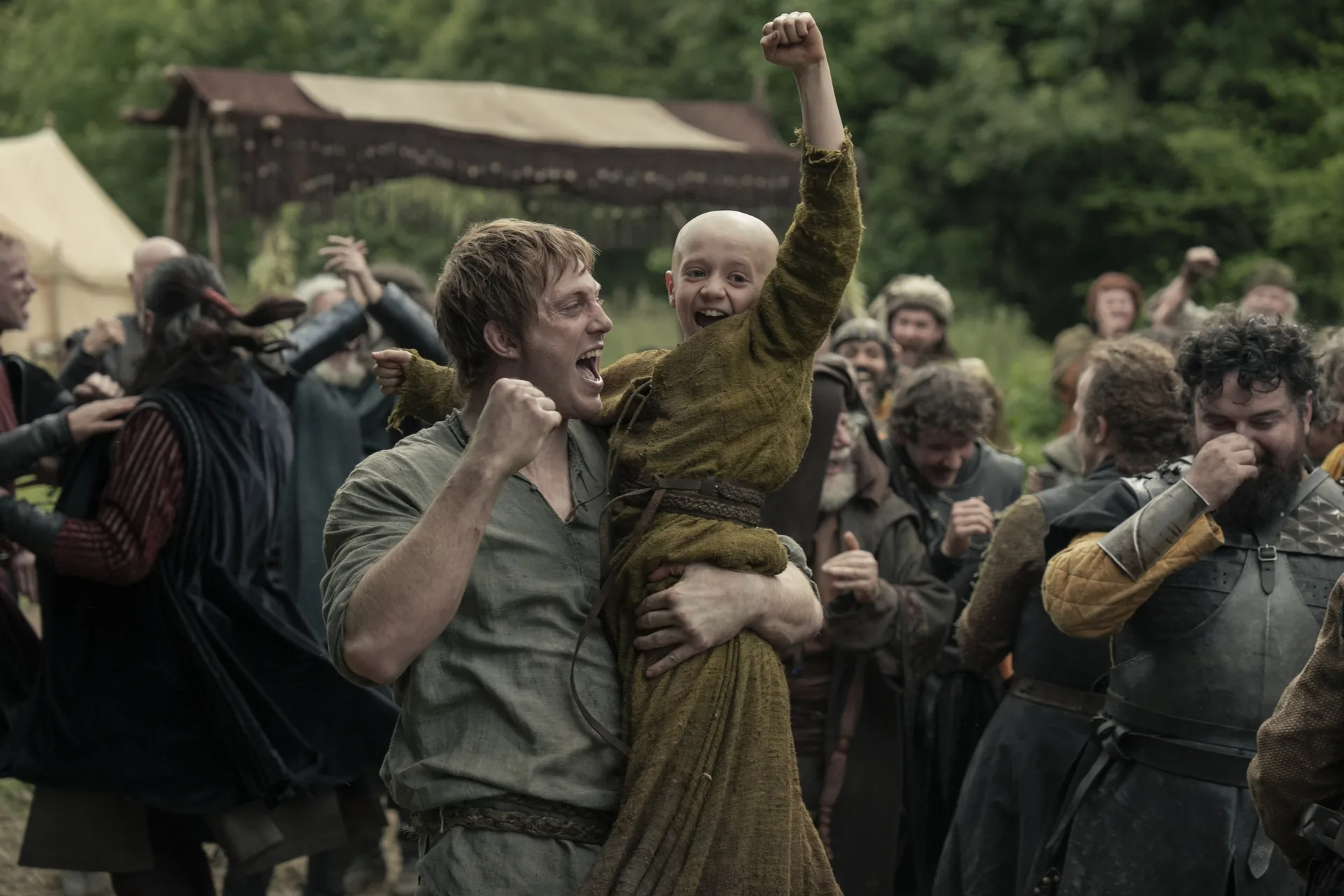
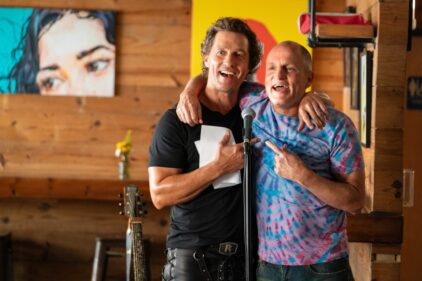
There are other players who come into the mix, like the hedonistic Lyonel Baratheon (Daniel Ings) and the endearing Raymun Fossoway (Shaun Thomas), but ultimately, this is a story about a lonely man and an even lonelier boy whose bond is the one thing that will save them both from the relentless world they were born into. During their first night together, Egg points out a shooting star. “A falling star brings luck to those who see it,” he tells Dunk. His companion tells him to go to sleep, even after Egg explains that the other knights attending the tournament are sleeping with tents above their heads, the sky invisible to them as they dream peacefully, while he and Dunk sleep outside. In a moment of vulnerability, Dunk seems to understand why Egg brought it up. “So the luck is ours alone?” he confirms.
Claffey and Ansell are the show’s beating heart, allowing Dunk and Egg to become one of the most fascinating and tender friendships this universe has put to screen. Though he tries to be stern, Dunk often succumbs to his new companions’ wishes, some of which threaten to change the course of both of their lives. While the former seems to be in over his head, Egg wears a sadness inside him unlike that of a child his age. He asks questions about songs other men sing, giving them philosophical meaning that even Dunk can’t comprehend, and is clearly desperate not for fatherly affections, but for a connection with an adult who treats him like a person, rather than a nuisance.
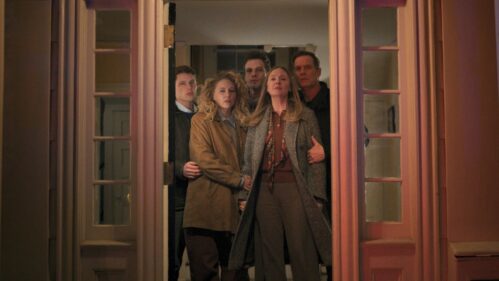
Within this sadness lies a secret, one so gargantuan it will change not only how these characters operate in the world, but also how they see each other. Although it starts off quite light with three episodes directed by Owen Harris, “A Knight of the Seven Kingdoms” switches gears halfway through, with the back half of the show directed by Sarah Adina Smith. Here, the inklings of darkness initially hinted at finally rear their heads, spreading forth when Dunk makes a decision that not only threatens his own life, but the harmony of the realm.
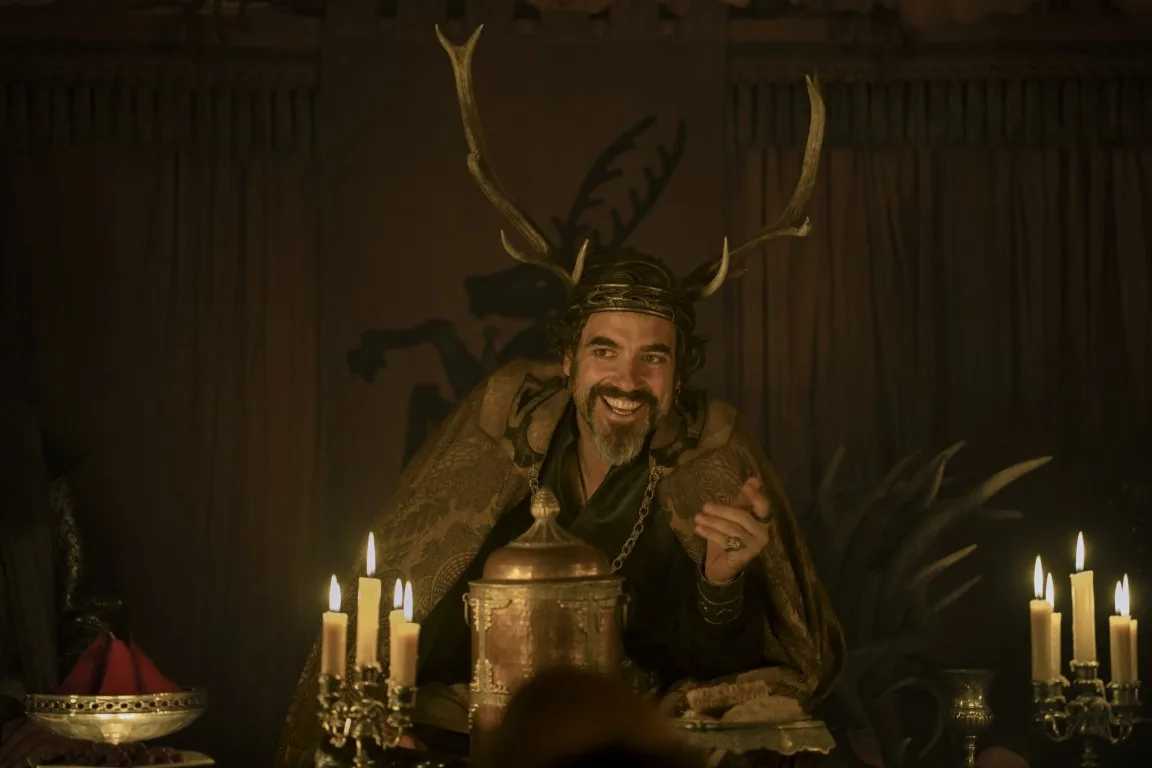
We see this most prominently when Prince Aerion Targaryen (Finn Bennett), who entered the tourney merely for his bloodlust, is on screen. Bennett plays Aerion with a controlled madness that simmers under the surface of each glare, quickly proving himself to be a fascinating villain whose desperation for war isn’t suited for the peacetime that Westeros has fallen into.
Throughout the show’s six episodes, there are whispers of dreams that come true, dragons that are now long dead, and fantastical lands that feel out of reach. But despite the lack of outward magic, inflections of it still exist in this world. Yet as Dunk and Egg’s story continues, creator Ira Parker makes it clear that this version of Westeros is one that has been hardened by battles of the past, and one that has slowly begun to usher in the changing tides that led to “Game of Thrones.” With its tighter narrative and dedication to its source material, the series is undeniably the most faithful adaptation of Martin’s work to date, displaying an understanding of its source material that often peters out as adaptations of these sprawling texts have progressed.
Yes, Westeros is a cruel place where people die in horrific ways, but this is also a world where a significant amount of hope exists. Dunk and Egg’s dedication to each other never wavers in the face of danger, and neither does Parker, Harris, and Smith’s dedication to creating a show that can still be great, even disconnected from prestige TV’s most well-known fantasy franchise. Throughout its six-episode run, “A Knight of the Seven Kingdoms” makes it clear that fantasy television can still surprise you, and when it comes to the genre, bigger isn’t always better.
All six episodes were screened for review.