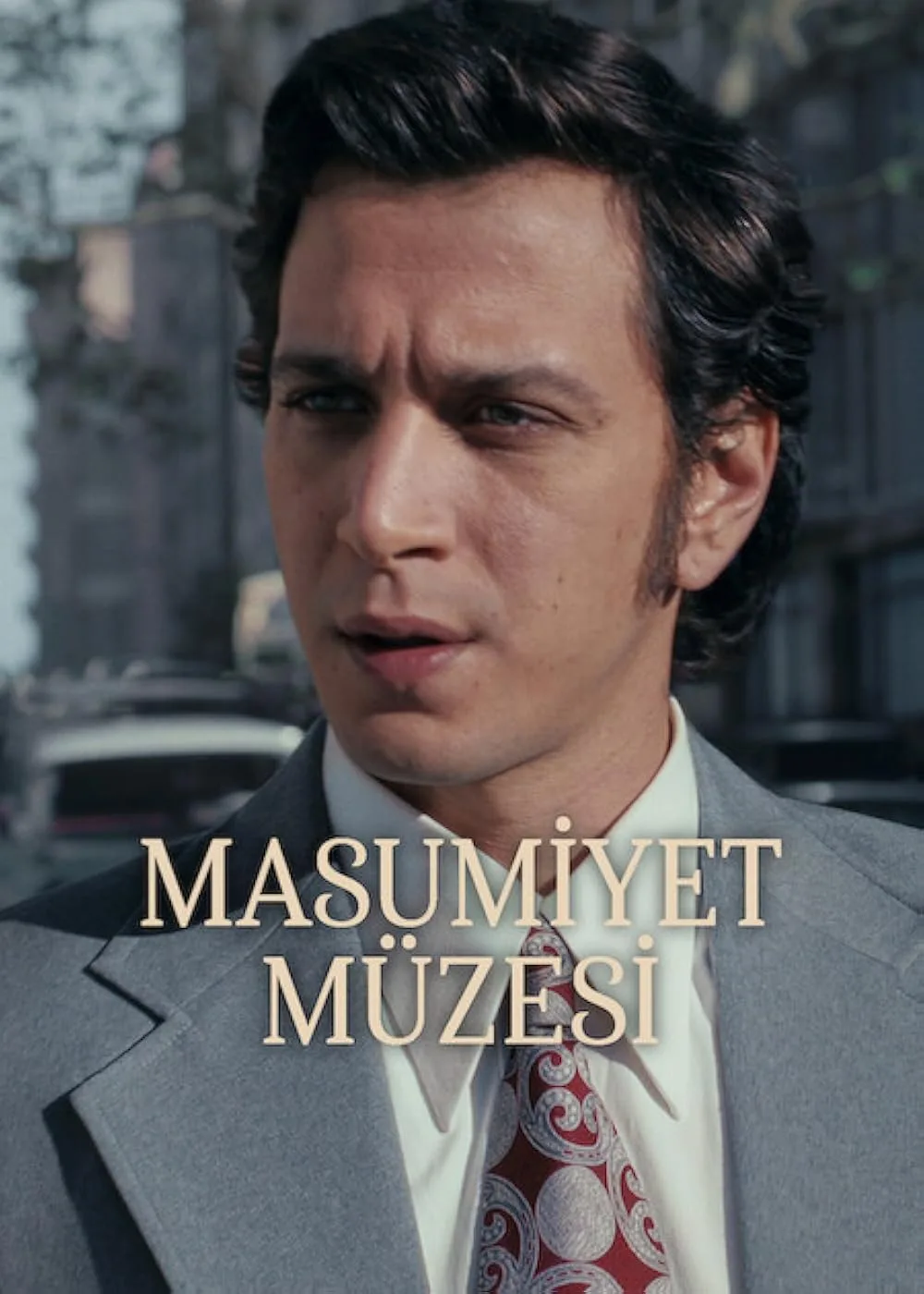

About five minutes into the first episode of Netflix’s newest limited series, based on Orhan Pamuk’s novel of the same name, a word popped into my mind. First impressions aren’t always accurate, especially in criticism; narratives can deepen, take you by surprise as time goes on. This one didn’t. The word? Syrupy. Almost every element of “The Museum of Innocence,” from the acting, background score, tone, and direction, is so saccharine and melodramatic that it makes the average tear-jerker Hindi film look restrained in comparison. And worst of all, the melodrama appears to empathize with, if not fully rationalize, the actions of the world’s most self-absorbed nincompoop.
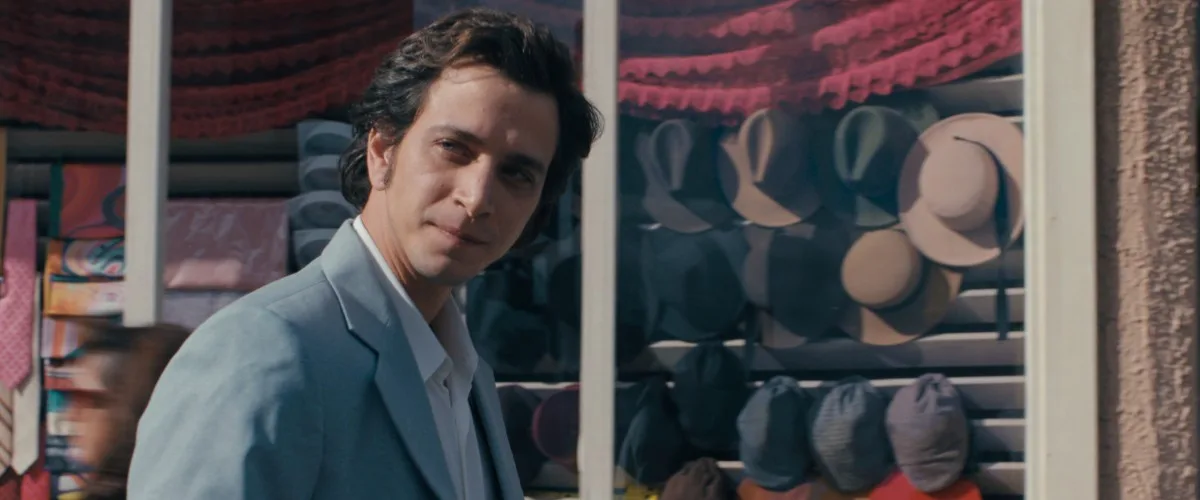
It’s 1975, and 30-year-old Istanbul resident Kemal (Selahattin Paşalı) has got it all. A Western college education, looks, wealth, a loving family, an attractive, wealthy, and loving fiancée named Sibel (Oya Unustasi), good friends, and a bright blue sky of a future. No man could ask for more. Naturally, he decides to blow it all up by starting an affair with a distant cousin, whom he spots working in a boutique. The beautiful, mysterious Füsun (Eylül Kandemir, woefully miscast) is a bit of a manic pixie dream girl, merely 18 years old. As she retrieves a purse Kemal wants to buy for Sibel, he and the camera spend time ogling her from the back of her head all the way down to her ankles. Kemal even grins when Füsun steps out of her shoes to climb a ladder (feet guy status confirmed), and the camera pulls all the way back to include a shot of a chirping caged bird.
Is the chirping an innocent version of the wolf whistle Kemal is uttering in his head? Is the caged bird a foreshadowing of the damage Kemal will do to Füsun’s life? I believe the answer to both is yes. The pair begins meeting in secret at an apartment belonging to Kemal’s mother, Vecihe (Tilbe Saran). His constant voiceover narration shares some profoundly sociopathic thoughts, such as: “In order to maintain my happy life, I couldn’t let Füsun’s problems, silliness, or jokes get to me.” When Füsun asks if he’s also sleeping with Sibel (he is), Kemal says no; she asks if he’s lying, and he says, “I don’t lie to you. Not ever. We’re in a position where we don’t have to do that.”
Oh, did I mention that Kemal is a seat-sniffing kleptomaniac? He starts stealing items that Füsun either owns or touches at their love nest (cigarette stubs, lipstick-stained teacups, a pivotal pair of gold butterfly earrings), and even begins pocketing items from her family’s home when he visits them. This includes a porcelain toilet chain pull, figurines of dogs, marbles, and a doll’s plastic arm. When he gets back to his little magpie trove, Kemal licks and sucks on these items to revive the memory of Füsun, “his beauty.”
I know, I know; Roger Ebert said it’s not what the film (or TV show) is about, but how it’s about it. I am not disgusted by what Kemal’s character is doing, but by how it’s depicted. Every shot of him pocketing something, and later licking it, memorializing it (in the museum he eventually builds, as a monument to his love for Füsun) is lit in angelic sunshine, edited with memories of the couple’s lovemaking. The only message sent to the viewer is that this is positive, moving, and a true marker of Kemal’s love, whereas the thefts of things that have great meaning to his affair partner and her family actively hurt them, and he knows this because they tell him so. There’s a good series in here, but one that’s shot completely differently to highlight the chasm between Kemal’s honeyed words and his creepy (and frankly unhygienic) actions.
Kemal’s house of cards does not last for long. He drunkenly fondles Füsun at his own engagement party in front of a few hundred people, which goes unnoticed by anyone, and soon the double nature of his existence is a matter of public knowledge. At no point does Kemal seem affected by guilt or remorse, only by how his “wins” and “losses” make him feel. I cannot even tell if the writers and directors wanted Paşalı’s performance to be as one-note as it is, for he veers only between grinning oblivious loverboy and dejected, woe-is-me loverboy. There is no room for anyone else’s thoughts or feelings or character development (until, quite literally, the last episode), and if that’s a failing of Pamuk’s novel, the writers could’ve chosen to write the series differently.
Having not read Pamuk’s original novel, I cannot comment on the quality of the adaptation. But some quick research told me that the book is at least lightly satirical, mocking the selfish nature of Kemal’s obsession and attempting to undercut his constant mythologizing of the love affair that destroyed so many lives. There is no such satire to be found in the series. At times screenwriter Ertan Kurtulan gives us a glimmer of, if not outright mockery, then at least some level of disbelief: at multiple points, Kemal’s voiceover makes declaratory statements, all structured the same way: “I realized then and there only [woman’s name] could relieve my [negative emotion],” all followed by him doing exactly what he wanted in the first place. But this contrast is a light sprinkle. The rest is all hagiography for a deeply toxic bond.
Three elements prevent the series from being a complete waste. (The background score, which sounds like Temu Coldplay, is not one of them. Neither is the costume design, especially for Füsun, which does not flatter Kandemir’s body type at all.) Unustasi and Saran know exactly what kind of show they’re on and play it straight, the former landing every note of a socialite bride-to-be perfectly, the latter a mother who knows her wayward son far better than she lets on. The third is Murat Güney’s exemplary production design. I did not have much prior knowledge of how rich, Westernized Istanbulites kept their homes, but Güney’s work fully informs this world. Lush carpeting, crystal chandeliers, greenery, knick-knacks that change depending on the tax bracket of the homeowner—there’s a lot of gorgeous detail here, and it drew my attention far more than the acting or direction.
One thing about “The Museum of Innocence” I found oddly comforting: My exposure to Turkish pop culture has been limited, so I was surprised to hear a word I recognized every few minutes. Certain Turkish words are similar to their Urdu counterparts and are therefore often used in Hindi conversation. I could not help but feel like I was watching something I felt I knew.
But that sense of comfort did not improve the series’ quality. Instead, it brought to mind a snippet of “Mistress Dispeller,” a 2025 documentary about a professional hired by Chinese wives to rid their cheating husbands, with tact and diplomacy, of their mistress. The person we should care most about, says the dispeller to her colleague, is the mistress, for she is accepting a half-love when she deserves an equitable relationship. If only the creators of “The Museum of Innocence” felt the same way about their production.
Entire series screened for review. Streaming on Netflix.