July 4th marks the 250th anniversary of the founding of the United States of America. Speaking as someone old enough to have personally experienced the 200th anniversary way back in 1976—talking to my children about history, I used to add “When cave-kids rode dinosaurs to school”—I’m bummed out that it’s not a bigger deal.
But I understand. Whoo, boy, do I understand. The people are exhausted and bummed out when they aren’t seething with resentment at how far we’ve fallen in the world’s esteem and in our own estimation.
We’ve spent the past ten years having to look at and listen to one of the worst humans ever to occupy the Oval Office—a man who carried on like he was still president even when he was out of office, and who, in his second term (nonconsecutive, which somehow makes it worse) has seemed even more racist and sexist, more casually belligerent, and less interested in the details of governance than he did the first time around.
He seems to become genuinely engaged only when being flattered and bribed by American tech patrons or foreign nationals; pointing out the latest faux-gold ornamentation added to the White House; or presenting concept drawings for one of his numerous, self-aggrandizing architectural projects, such as the bunker-slash-ballroom he wants built for the low, low price of $600 million, or a triumphal arch that looked better in the original German.
No wonder his public approval ratings are lower than any president’s since public approval started being measured, and his “National State Fair” couldn’t even book has-beens to perform and draws fewer daily visitors than a child’s lemonade stand.
The thing is, we were in a similar place fifty years ago, though nowhere near as dire. The progressive utopia that seemed to be brewing in the 1960s was wiped away by the 1968 election of Republican president Richard Nixon, who promised to “restore law and order”—a dog-whistle euphemism for crushing dissent, especially by leftists and people of color—but who ended up resigning in disgrace six years later for ordering a politically motivated burglary and covering it up. The most notorious abuse of the Chief Executive’s pardoning power up until that point happened after his successor, former Vice President Gerald Ford, was sworn in and used his constitutional authority to inoculate Nixon against being prosecuted for any of his crimes. (Now I hear Homer Simpson telling Bart, as in “The Simpsons Movie,” “The most notorious abuse of the Chief Executive’s pardoning power so far.”)
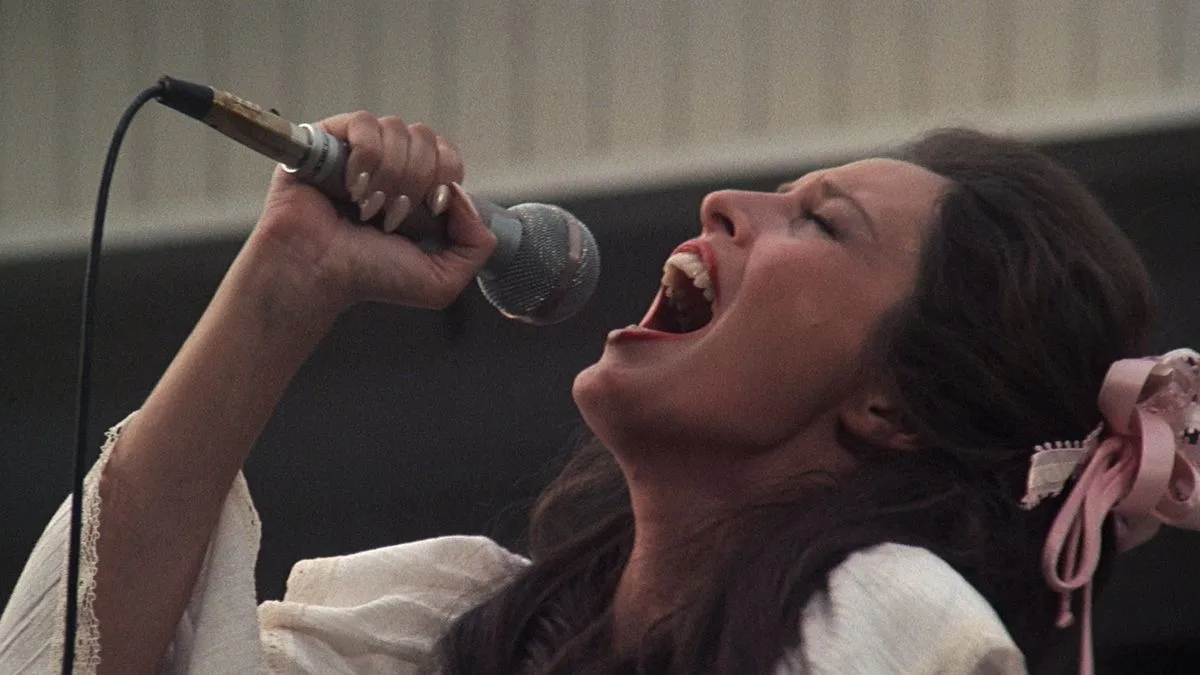
The many great movies of that era were among the factors that kept Americans from feeling as if the country had completely given up on trying to live up to its professed ideals. In the run-up to the Bicentennial, there were numerous classics that analyzed America through history and metaphor: “Bound for Glory,” “Nashville,” “Taxi Driver,” “Killer of Sheep,” “Rocky,” “Chinatown,” two “Godfather” movies, “One Flew Over the Cuckoo’s Nest,” “Cooley High,” “Car Wash,” “Shampoo,” “The French Connection,” “Dog Day Afternoon,” and too many others to list here.
What’s most striking about such films is that a lot of them were made outside the established channels. Some were made within the Hollywood system, which by the seventies had been in decline for three decades and was a shadow of its former self. An outsized portion came from one studio, Paramount, which was then run by Robert Evans, a former actor and sleazy hustler who nevertheless loved movies and respected film history; among other classics, he greenlit the “Godfather” movies and “Chinatown.”
But many more were developed and/or funded independently of the studios and then picked up for distribution. One independent company, BBS Productions, put out some of the sharpest, most uncompromising films of the late ’60s and early ’70s, including “Easy Rider,” “Harold and Maude,” “The Last Picture Show,” “Five Easy Pieces,” and “The King of Marvin Gardens.”
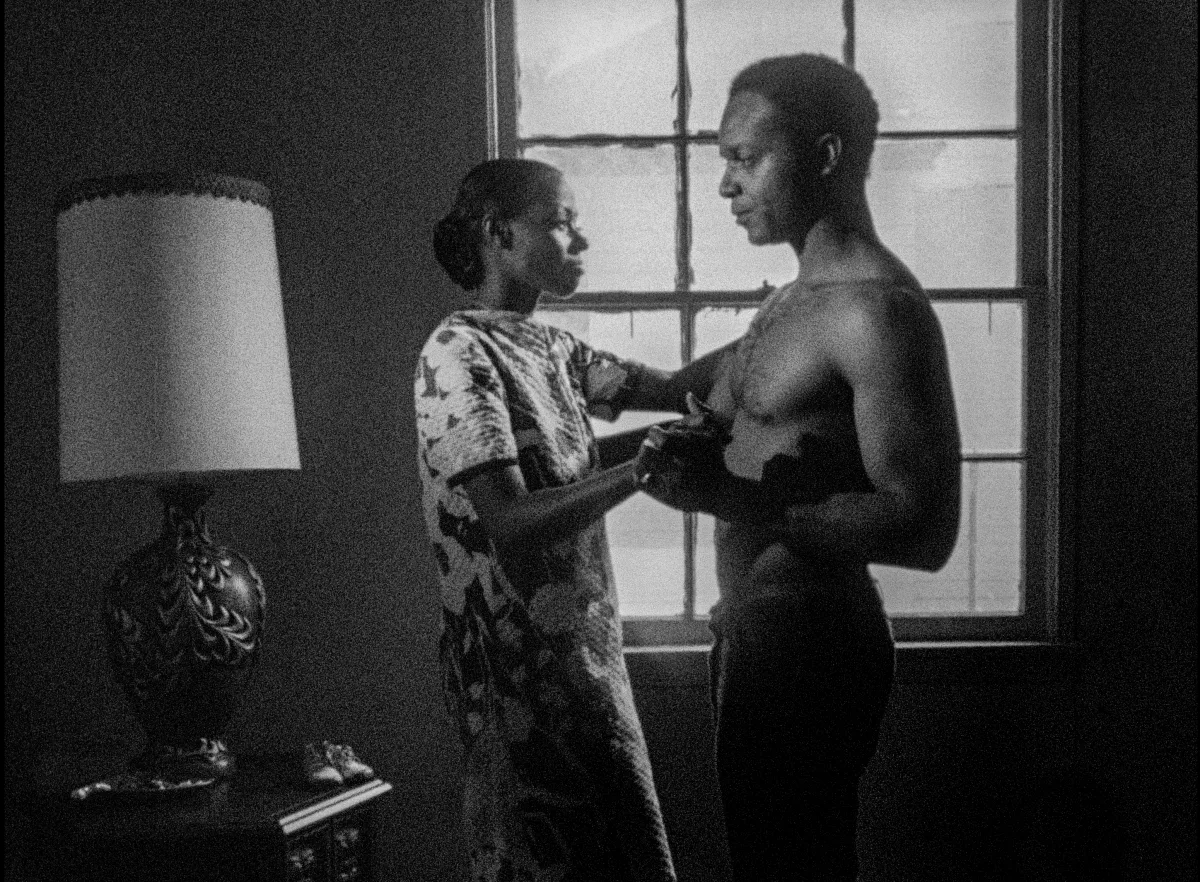
The great Robert Altman often developed his films in isolation and hoped they got picked up and distributed by a bigger fish: “Nashville,” arguably his masterpiece, was originally a United Artists movie, but when UA pulled out, Altman somehow cobbled together funding from Paramount and ABC. His 1970s comedy “Brewster McCloud” was originally financed by MGM, but Altman needed additional money to finish it and got it from one man, record producer Lou Adler. “Killer of Sheep” was a senior thesis film by Charles Burnett, made for spare change to fulfill a master’s degree requirement at UCLA Film School.
The point is, the entertainment industry is arguably even more shallow, purely acquisitive, and disinterested in anything but profit now than it was back then, which is really saying something, but somehow, meaningful, relevant popular art still got made.
The same miracle is possible today.
Sure, it might be more difficult to get work that’s genuinely challenging or critical of the status quo through the mainstream production pipelines, thanks to the tremendous amount of media consolidation that’s happened in the past ten years (Disney buying 20th Century Fox, tech mogul Larry Ellison almost certainly ending up owning both Warner Bros. Discovery and Paramount, and so on).
To be fair, something like the pre-Bicentennial cinema flowering only occurred because by the ’70s, the previously dominant system was in disarray, and studio bosses realized the old-style stuff wasn’t drawing young audiences or making older ones excited enough to leave their TV sets and buy a movie ticket.
But here, too, you can see parallels between then and now. Every few months since the economic devastation of 2020, a “Cinema, Dead or Alive?” type article has appeared in some major media outlet. But lately, to my relief, the pendulum has definitely swung towards “alive.”
According to recent news, this year North American box office receipts may finally match those from 2019, before the pandemic disrupted production of new movies and economically destroyed moviegoing, along with almost every other industry dependent on people leaving their homes and becoming part of a crowd. The most devoted theatrical moviegoing audience is Gen Z, and repertory and arthouse business is booming in some cities.
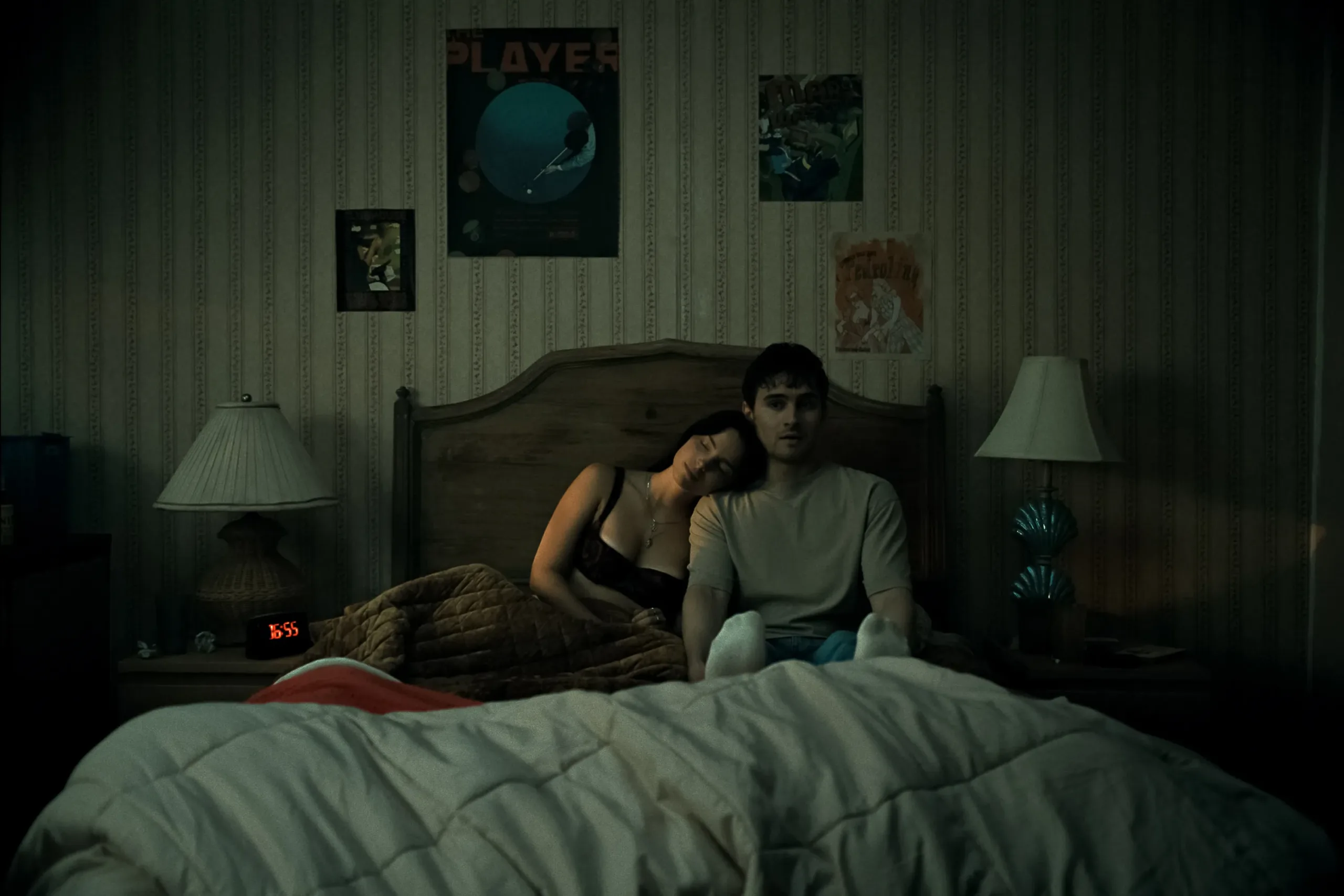
Both are unexpected developments that some observers have attributed to the growing popularity of Letterboxd, which “gamified” movie watching by making users feel as though they were competing in a global race to see as many films as possible. Related: the rise of so-called microcinemas—independently booked theaters with as few as twenty to fifty seats, where overhead is small enough that there’s freedom to book micro-budgeted, undistributed, and otherwise non-mainstream movies.
On top of all that, the most widely used platform for viewing new content, bigger than broadcast, cable and streaming audience numbers combined, is YouTube: every year, 2.8 billion people worldwide watch “content” on it, and while that might sound dispiriting at first, mainly because so many hugely successful videos are along the lines of “Watch This Jerk Get Owned in Waffle House Brawl,” it’s about twice the size of the entirety of global cinema put together.
And, as pretty much any modern filmmaker (who will likely hate being called a “content provider”) will tell you, the metric of success for non-mainstream, micro-budget or otherwise anti-commercial moviemaking is quite different from that of Pixar, Marvel, Lucasfilm or DC. If a direct-to-YouTube (or Vimeo) movie gets more than 500,000 hits, it’s enough to make a well-off person who feels like putting a little bit of money into a movie take the filmmakers’ next project seriously.
It’s sort of a corollary of what happens in different areas of book publishing. If the new Stephen King novel sells only a million copies, it’s considered a disappointment. But if an independently published horror novel by a first-time author sells more than 50,000 copies, it’s considered enough of a success to be a viable candidate for film, TV, or streaming adaptation. (Many post-millennium hits, including “Fifty Shades of Grey,” “Beautiful Disaster,” “The Celestine Prophecy,” and “The Martian,” originated as self-published books.)
So yeah, things are tough out there, and the state of the world seems awfully bleak from certain angles. But just as there’s cause for cautious optimism ahead of the 2026 midterm elections and beyond, the future of cinema, whatever forms it ultimately takes, is the brightest it has been since the 1970s, when the old ways were falling apart and new ways were being born.
And so: independent filmmakers, if you’re reading this, go out and make your mark. It’s your time. As the THX Sound tagline used to put it, the audience is listening.