
Cristian Mungiu wants you to consider the impact of extremism with his thorny, riveting “Fjord.” The Palme d’Or-winning director behind “4 Months, 3 Weeks and 2 Days” holds a mirror up to a deeply polarized era in which it feels like everyone has an opinion about their neighbor’s behavior. What happens when people turn their beliefs over what they think “should be” into action that defies traditional understanding of what’s best for society? Mungiu has made a complex study that can sometimes edge into didacticism, but it’s saved from that by several excellent performances and a consistent intellectual curiosity on the part of its filmmaker. In a year in which it has felt like a startling amount of the Cannes program could be called forgettable, “Fjord” is one of the few conversation starters, a movie that challenges viewers with a question that seems harder to answer than it should these days: Would you protect the rights of someone with whom you fundamentally disagreed?
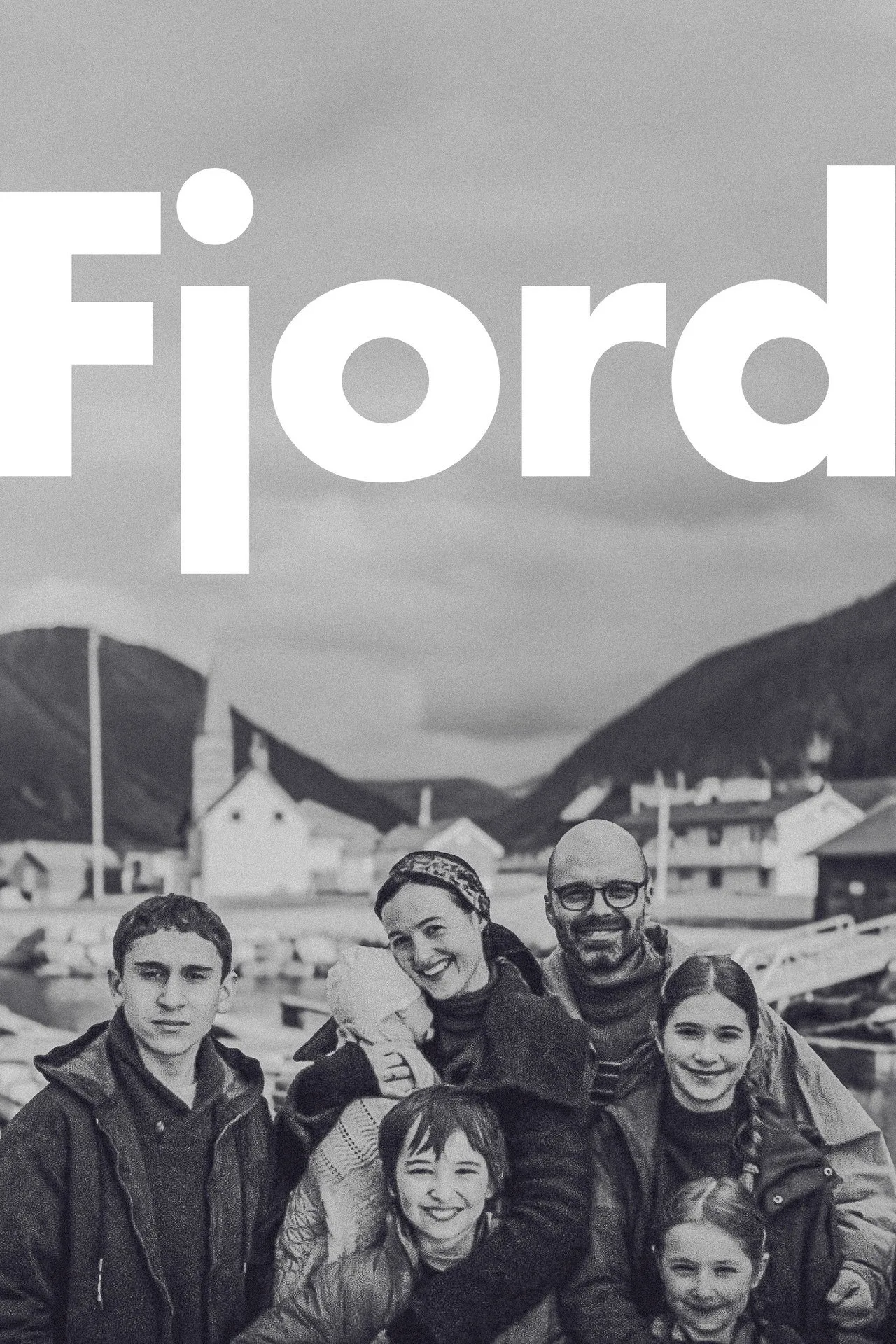
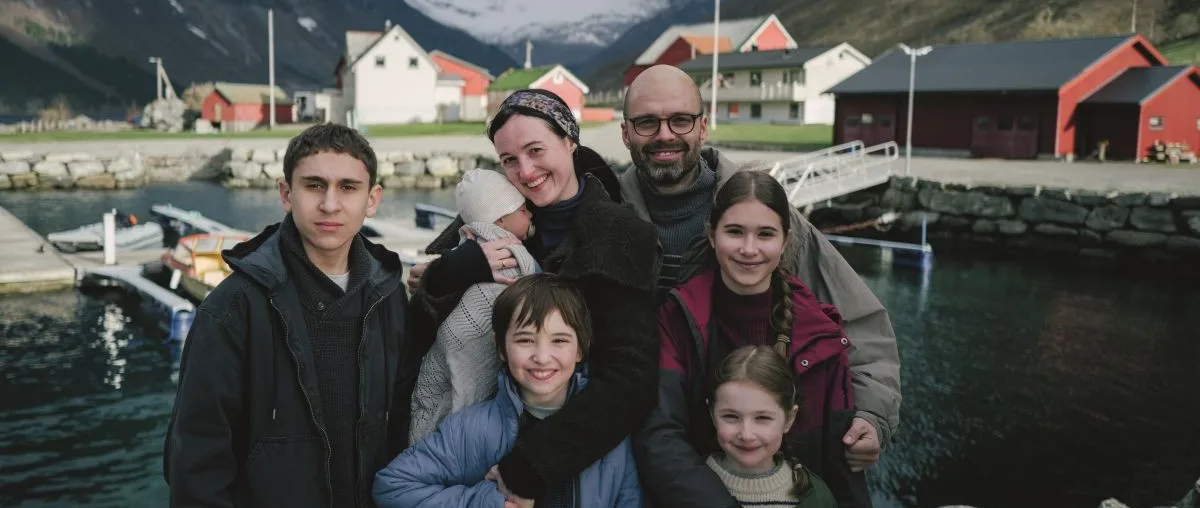
Lisbet (Renate Reinsve) and Mihai Gheorghiu (Sebastian Stan) have recently moved to a small Norwegian town from their home in Romania. She’s from the region and speaks the language more fluently than her Romanian husband, which will be important to the drama that unfolds. If Mungiu is presenting a “what would you do” situation to viewers, the fact that Mihai doesn’t fully understand what’s being said and comes from a very different culture is essential to the answer.
The Gheorghius have five children, including two that appear to be teens, two in the pre-teen era, and a new baby that Lisbet is still breastfeeding. They are culturally outcast, but not to an antisocial degree. They are more religious than most in town and don’t allow their children modern trappings like phones or YouTube. They do Bible Study every day, using a point system. Prayers are a daily ritual in a way that startles their more progressive neighbors. When Mihai starts playing a religious song on the piano at school, he’s asked not to evangelize, even though he’s just playing music.
One day, someone at school notices bruises on the eldest daughter, Ella (Vanessa Ceban), setting in motion a cascade of events like the avalanches we see behind the school in this icy locale. Mihai admits to an occasional “slap” on the butt as punishment or to keep the children out of danger. Lisbet says she’s pushed them out of the way to avoid scalding water in the kitchen. It all seems relatively normal, especially within the religious community in Romania in which the Gheorghius were raising their family before they moved, where this kind of physical parenting is viewed very differently. When Mihai admits to any kind of spanking of his children, especially on a signed statement, the authorities come in and take them all away, putting them in foster homes, and “Fjord” turns into a political and courtroom drama, a sort of “Anatomy of a Bruise.”
Mungiu keeps “Fjord” riveting by letting it unfold as a moral and social quandary more than a mystery. Mihai admits that his parenting style isn’t like his neighbors’, but does that make it wrong enough to lose his children? Complicating matters further is Gheorghiu’s conservative viewpoints, including that marriage should be between a man and a woman. In fact, it’s implied that one of the children echoing her father’s opinion on the matter at school put the family on the administration’s radar in the first place. It leads to the foundational complexity at the core of “Fjord”: the Gheorghius simply wouldn’t have their lives torn apart over a “slap” or two if their religion and culture aligned more closely with those around them.
Mungiu isn’t really asking people to agree or disagree with what the Gheorgius do or think (although he clearly has a stance), but rather to question how polarization in our world is destroying acceptance of people who don’t align with certain cultural viewpoints. The Gheorghius wouldn’t be looked at twice in Romania; their family is almost destroyed in Norway. Of course, child abuse shouldn’t be hand-waved away by “culture,” but this isn’t that simple an equation.
It helps that Mungiu cast a pair of performers who understand the complexity of his arguments in “Fjord.” Reinsve has become one of her generation’s more consistent performers, and she’s remarkably subdued and nuanced here, taking a part that could have been exaggerated handwringing and going subtle. Lisbet is a complex woman, a caregiver who wants to give back to the community around her, although even that gets warped when she’s accused of employing religion in the days after one of her patients dies. Something she sees as a comfort weaponized as evangelicalism. Reinsve sketches someone doing her best to navigate an impossible situation through a court system that seems to be actively working against her. Lisa Carlehed also deserves citation in that field as the Gheorghiu’s neighbor and, ultimately, attorney. In the complex legal scenes, she’s a confident, grounded presence.
As for Stan, he’s never been better, disappearing into this stoic man with a performance of internal combustion instead of external rage. As many times as I thought about the Jason Statham-esque extremes I would go to if a town of strangers tried to take my kids away, Stan takes all of that energy and crams it into his tight, worried body language. In many scenes of life-changing events, Mihai needs a translator to understand what’s happening, but Stan doesn’t overplay confusion, allowing his frustration to sour into righteous anger in the back half, which Mihai uses to turn this family drama into an international debate over family rights. He also refuses to make Mihai likable, which, again, gives “Fjord” its real power. It’s easy to protect the rights of those you agree with; much harder to do the same for those who believe in different things than you do. And arguably more important.
The ethical and legal twists of “Fjord” can sometimes feel like theory over character, especially as Mungiu’s vision expands into one of international headlines instead of a case study in a remote village. It’s a film that finds its most power in the way its quiet beats reflect its gray areas, such as a scene in which Lisbet realizes she can no longer produce breast milk for the child that’s been taken away from her. It’s an example of where “Fjord” finds a common ground through emotional connection: a mother who can no longer perform a function of that word that means a lot to her. How can we hope to truly become multicultural when we’re quicker to judge than to understand?
Mungiu doesn’t have a definitive answer to this question, and one of the things that makes “Fjord” so rewarding is the sense that he’s exploring how he feels about these people and these issues along with us as their story unfolds. No one quite knows where the age of extremism and polarization that we’re in today is going, but we need to start talking about the avalanches it’s triggering.
This review was filed from the world premiere at the Cannes Film Festival. It opens later this Fall.