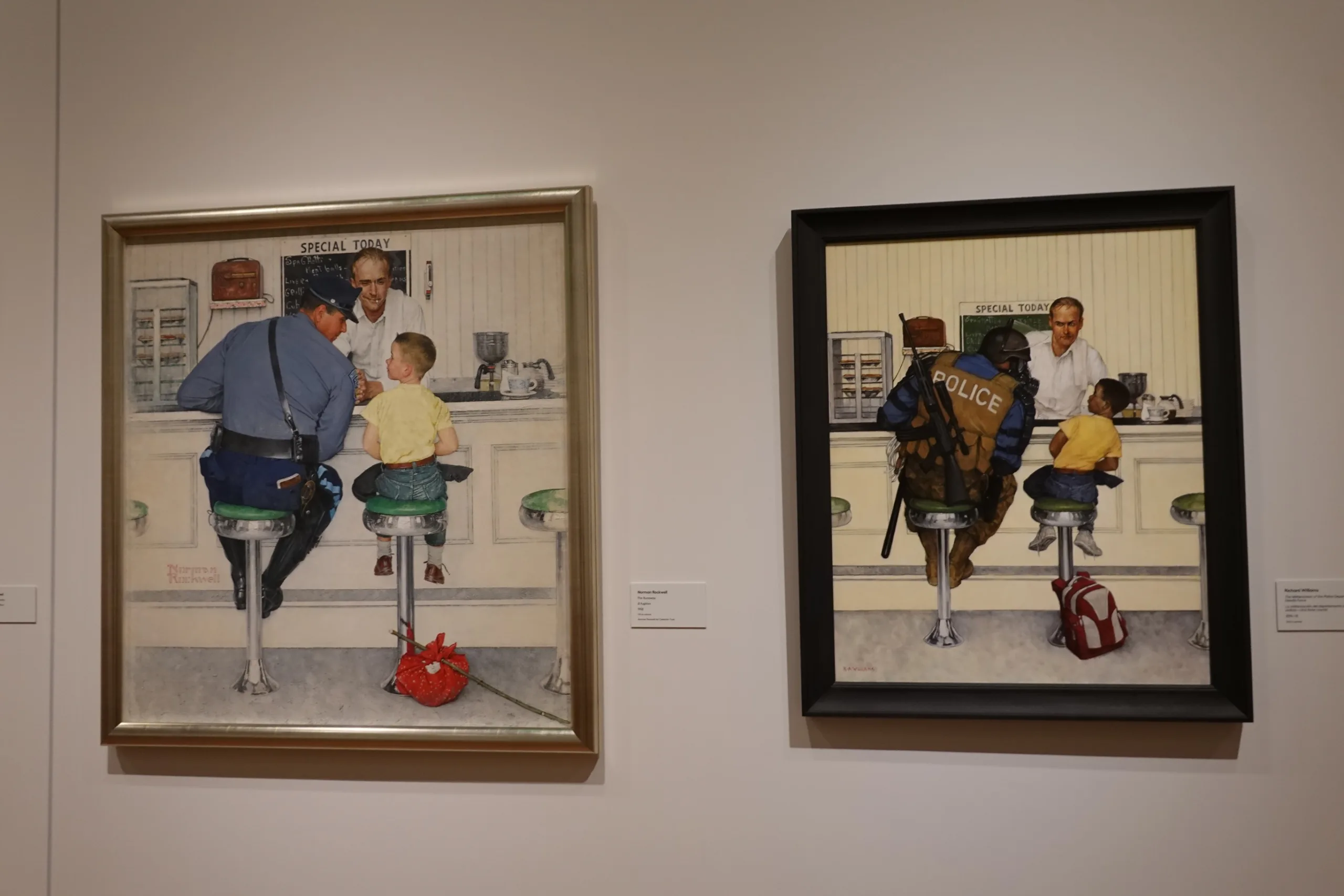
The new Lucas Museum of Narrative Art is a dazzling collection of art that tells stories, featuring iconic images like Norman Rockwell’s painting of a runaway boy sharing a soda with a sympathetic cop at a diner. It hangs next to an updated display featuring Anthony Freda’s modern reimagining of the scene: a young Black boy and a cop in riot gear in the same setting. Seven percent of the collection is “Star Wars”-related, with some original miniatures and life-sized dioramas featuring Luke Skywalker, C-3PO, and R2-D2.
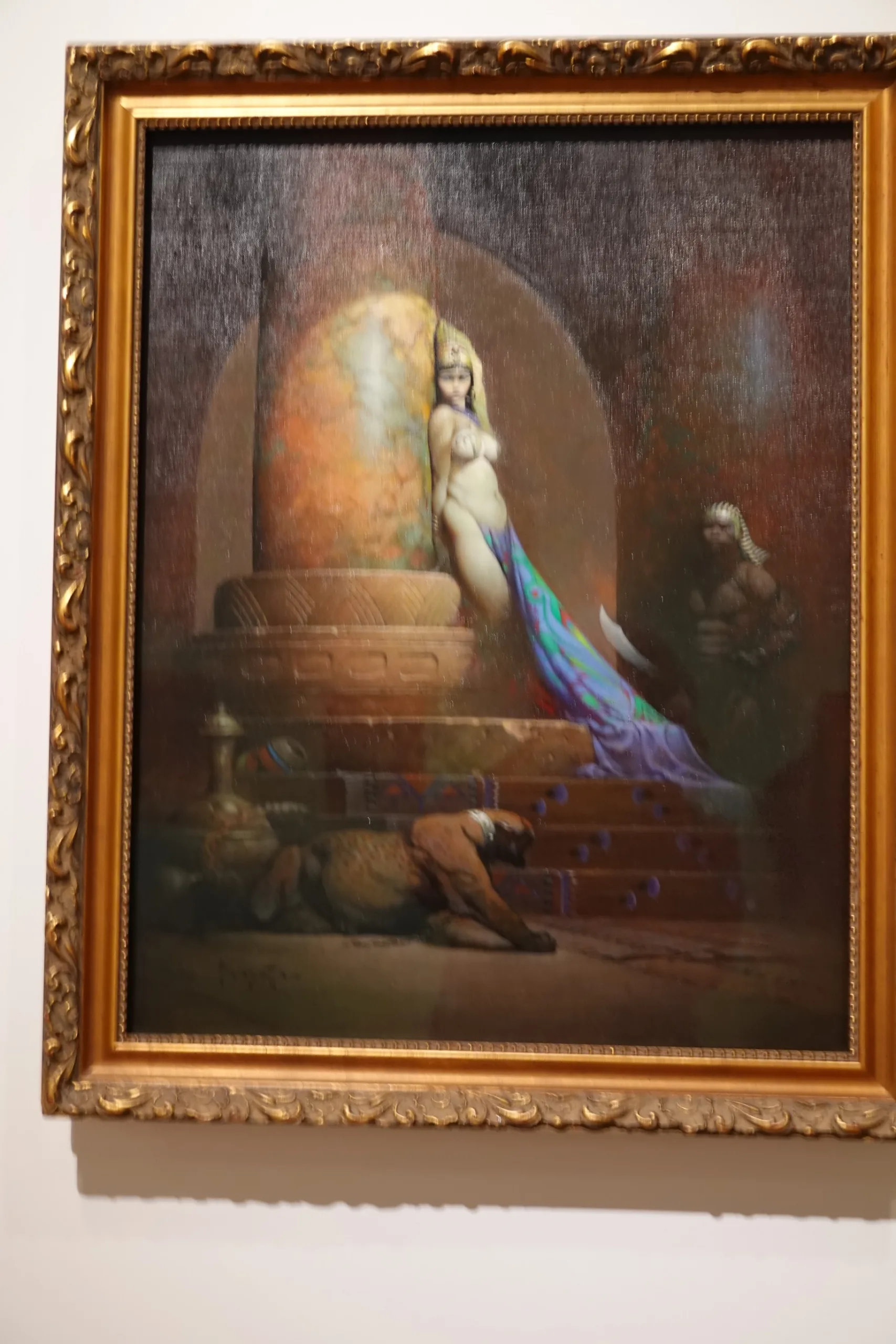
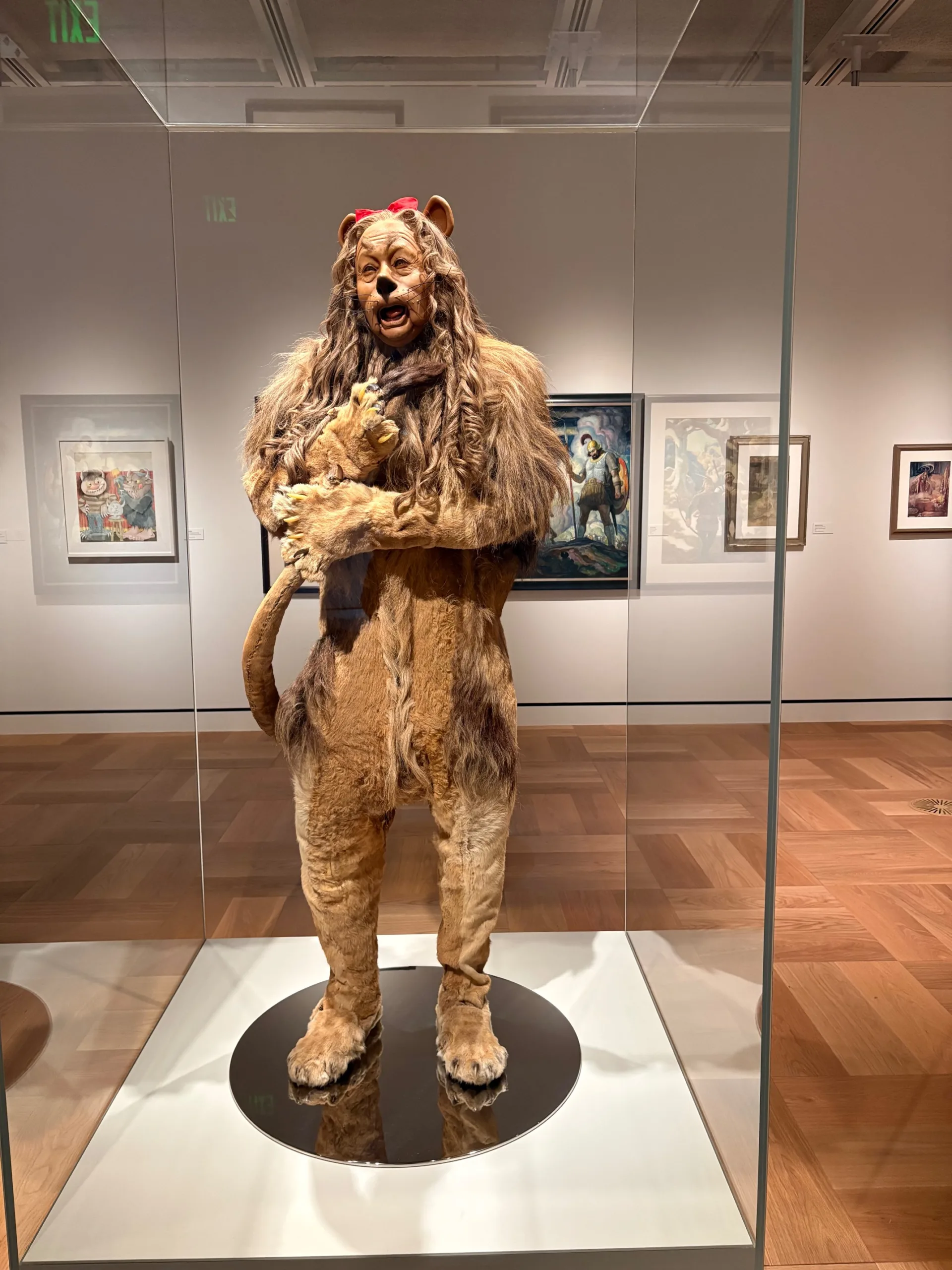
There are gorgeous rooms filled with paintings by illustrators like N.C. Wyeth, Rockwell, Frank Frazetta, and Maxfield Parrish, and rooms with art arranged by subject, from sports to work to children to romance. Also on display: Banksy’s girl with a balloon, the Adrian costume for the Cowardly Lion from “The Wizard of Oz”, and comic and cartoon art from Charles Schulz to Jack Kirby, Alex Raymond, MAD Magazine, and Winsor McCay. A second-floor exhibit explains how narrative art—art that tells stories—goes back to the very first art: cave paintings from 5000 BC. The building itself is a marvel by architect Ma Yansong, who said that while some people think it looks like a spaceship, he saw it more as a cloud.
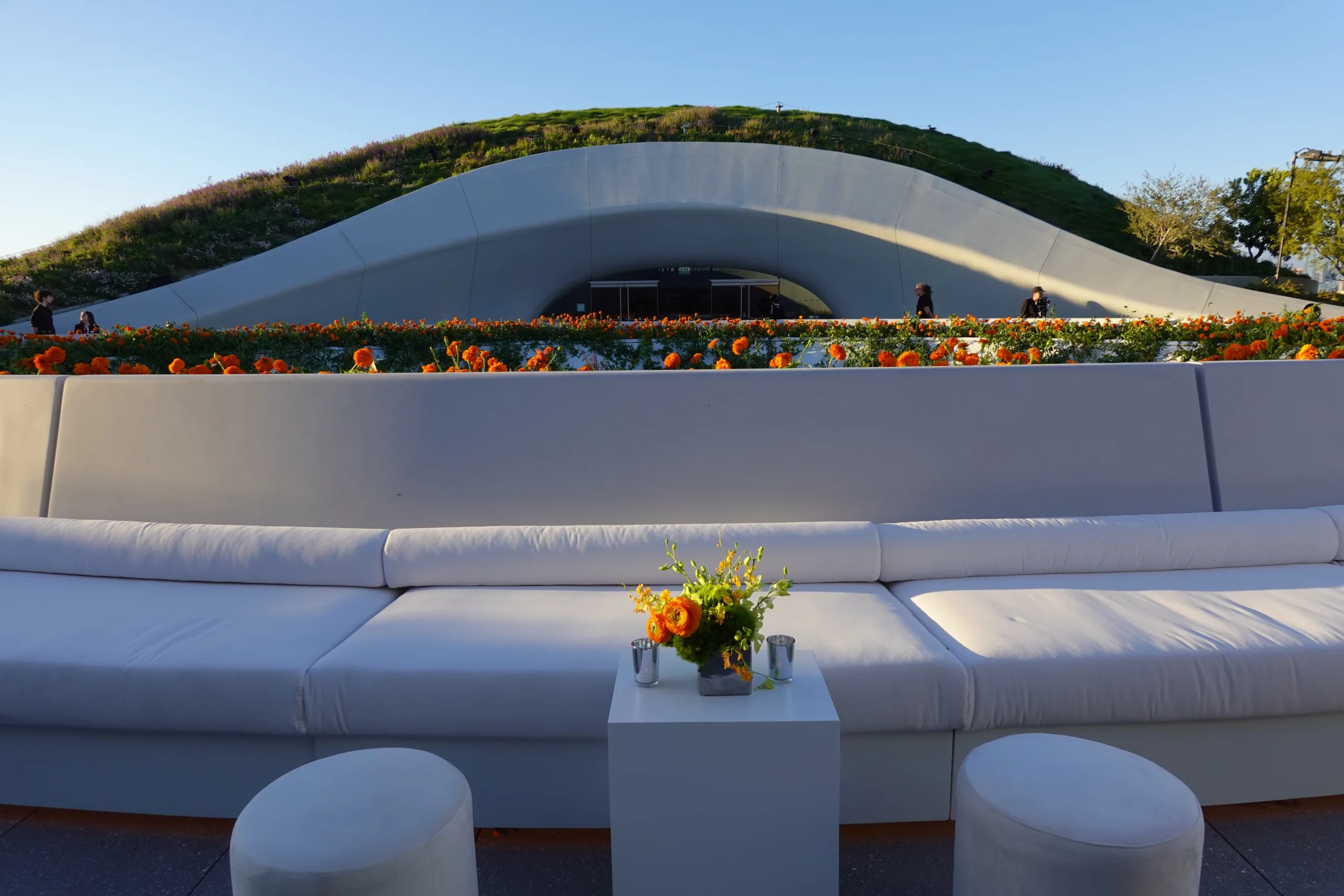
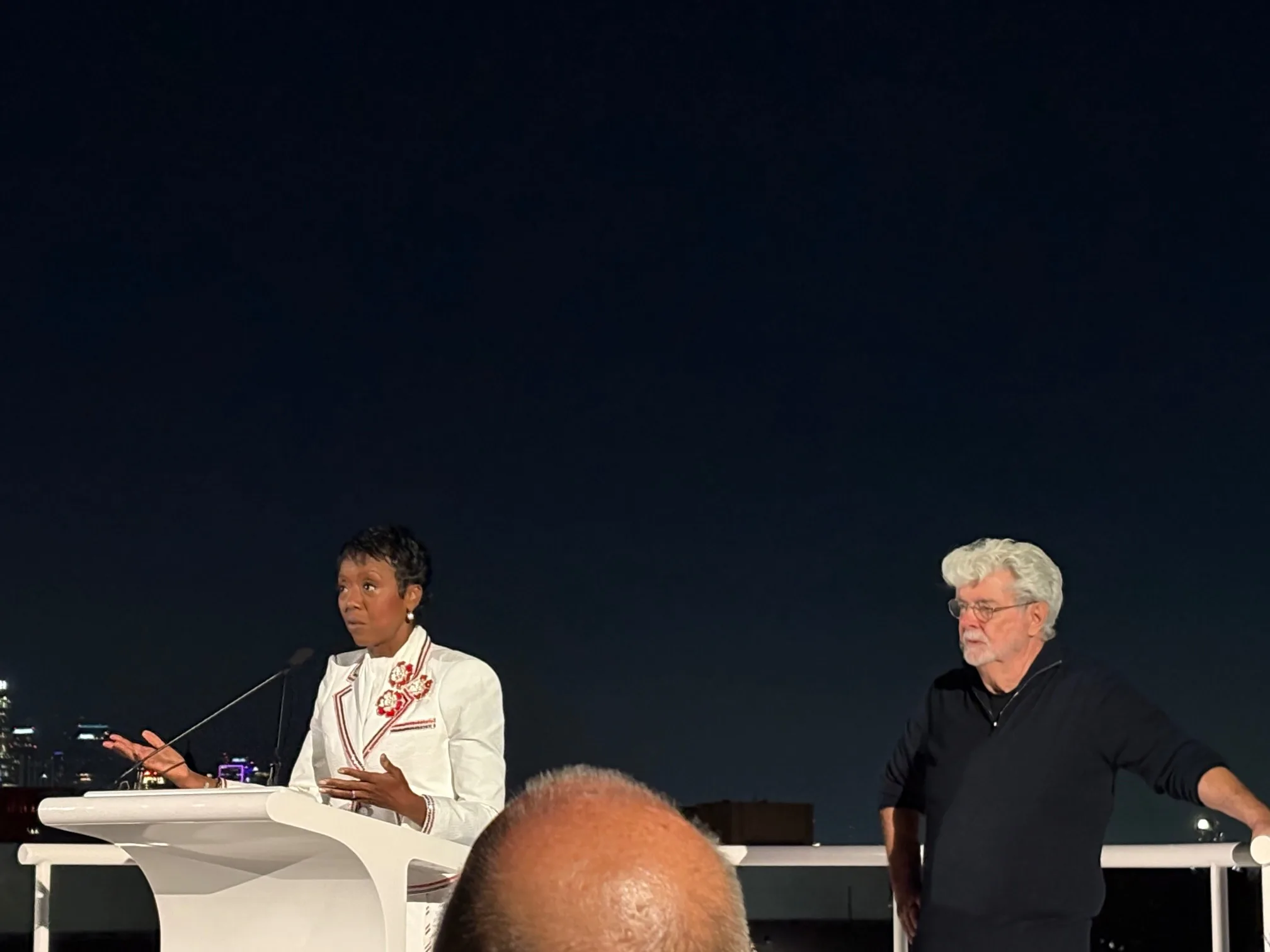
At the event we attended, founders George Lucas and his wife, Mellody Hobson, spoke movingly about their passion for paying tribute to artists often overlooked or marginalized as “representational” or “commercial.” Lucas said, “People ask me if this is fine art. I tell them this is finer art.”
I got a special kick out of the two movie theaters, named for similarly unsung figures from the earliest days of filmmaking. One is named for Robert Flaherty, who made the first feature-length documentary, “Nanook of the North.” The other is named for Slavko Vorkapich, a key figure in developing cinematic language, like calendar pages falling off to show the passage of time.
In an interview with RogerEbert.com, Lucas Museum curator Ryan Linkof discussed hihlights from the collection, from Frida Kahlo to dogs playing poker.
Many people would consider this a dream job. How did you get here?
I joined the project in July 2018, shortly after construction started in Expo Park. I have been in Los Angeles for over twenty years, initially to attend USC for graduate school, and I have worked as a curator at Los Angeles museums since 2011. In my previous roles, I developed exhibitions on film, photography, and popular culture, so when this opportunity arose to work for a museum that combined those elements, I jumped at the chance to join the team in its early stages.
What in your background has been unexpectedly useful in pulling all of this together?
My academic and curatorial experience is rooted in exploring the intersection of art, popular culture, and film, so helping shape a museum that treats visual storytelling so expansively builds on that experience. My work at LACMA and the Academy Museum taught me how to think across different kinds of collections—not just paintings or objects, but film, design, popular culture, and the stories they tell. That has been especially useful here because the museum is not organized around one medium. It focuses on how images tell stories, whether they appear in paintings, comics, murals, photographs, or film.
What is “narrative art?” How has the museum’s emphasis on storytelling through images been reflected in the way the collection is displayed and explained?
Narrative art illustrates stories. While this may sound like a new term, it’s actually one of the oldest forms of art—humans have always used images to tell stories. An exhibition on our ground floor explores this deeper history, tracing 30,000 years of image-making from prehistoric cave painting through Renaissance frescoes and beyond. The remaining galleries highlight our unique collections, which are rich in illustration, including art made for book covers, comic books, children’s literature, news and editorial photography, and cinema.
These are the kinds of visual culture we consume every day, and they therefore help to shape how we understand the world. In the galleries, we wanted to reflect that by showing how certain kinds of stories move across time and media, from historic works to comics, illustration, film, and popular culture. The display encourages visitors to make their own connections: notice recurring themes, recognize familiar visual language, and see how artists keep returning to the same stories, told through different means.
Is there an artifact you think viewers will be especially excited about?
I think visitors will be especially excited to see the Frida Kahlo work on display. It is the kind of object people may already come in curious about, but seeing it in this larger narrative context gives it a different kind of resonance. Other pieces throughout the museum connect to popular culture in an immediate way, so visitors may have the wonderful experience of recognizing something they love.
One piece that has received a significant response since we opened is A Pat Hand by Cassius Coolidge, a 1894 painting created as a whiskey advertisement that launched the “Dogs Playing Poker” series, which became a ubiquitous fixture of American popular culture in the 20th century.
What items have been the biggest challenge to preserve and present to prevent deterioration?
Some of the biggest preservation challenges are paper works, especially comics, posters, and other printed materials not always made with long-term preservation in mind. They can be extremely sensitive to light, humidity, and handling, so we have to be very thoughtful about how long they are on view and how we protect them. Interestingly, these are often the objects that feel most familiar to visitors: things that may have once been held, read, or collected casually, but require very careful stewardship in a museum context.
There have been many innovations and changes of perspective in the way museum collections are displayed over the past 20 years. What do you think is most useful on wall cards? Who designed it? Its significance in the story? Materials used?
I think the best wall text gives visitors a foothold without getting in the way of their own experience. Our object labels are intentionally concise—identifying who made it, when it was made, and what it is made of—providing essential information without telling people how they are supposed to feel about it. The museum founders wanted to create that kind of unmediated encounter with works of art.
At the same time, the curatorial team has spent years researching this collection and working with our digital team; we created a digital guide that includes gallery-level descriptions and detailed information about nearly every object on display, often including original source materials and documentary content about artists. We feel this balance gives people the option to learn more, while still letting visitors form their own subjective relationship to the works of art as the primary experience.
Are there any parts of the collection that are interactive or participatory? Anything visitors can touch or sit in or be photographed with?
I think visitors will naturally want to photograph parts of the experience, especially the Star Wars material in the Cinema Gallery, because those works are so tied to people’s memories and imaginations. The broader idea is that participation doesn’t just mean pressing a button or touching an object. It can also mean seeing yourself in a story, bringing your own associations to an image, or moving through the galleries in a way that feels personal and self-directed.
What were George and Mellody’s priorities for the building, its style, its symbolism, and the display spaces?
George and Mellody wanted the building to make a statement, while also feeling open and welcoming. The building, the park setting, and the galleries all work together to invite people in. The priority was to create a place where visitors from many backgrounds could feel comfortable, curious, and inspired, while also helping people connect with the art.
What kinds of events will the museum host? Classes? Lectures? Screenings?
The museum will be a place for people to return to, not just a place they visit once. While we aren’t ready to announce every detail yet, we’re developing the programming around the same ideas that shape the collection: storytelling, access, and connection. The goal is to make the museum feel active and dynamic, a place where there is always another story to discover.
What kinds of materials do you have available for scholars? What is in the archive?
We have many resources for scholars and visitors who are interested in learning more about the collections and artists on view. Our film program includes documentaries about narrative art and artists, including some of the key artists in the exhibitions. In addition to holding copies of the museum’s two-volume collections book—produced with Taschen—the library has extensive holdings related to our collections as well as the broader fields of art history, anthropology, and storytelling.
We also have special collections materials related to different aspects of our collections. The digital guide is also a helpful resource for people looking to dig deeper into our holdings.
You must have a favorite item or two in the collection. What are the ones that are most meaningful to you? What about in the illustration collection?
I have a fondness for the fantasy painters, especially Frank Frazetta, Boris Vallejo, and Julie Bell. I grew up with that material and many of the characters they depicted: Conan the Barbarian, Vampirella, John Carter of Mars. Their work is incredibly skillful and is the kind of painting that is almost never taken seriously by art historians or art museums. It is art that you will really only see at the Lucas Museum.
Is there a can’t miss dish on the restaurant menu? Something special in the gift shop?
The menu at the restaurant is truly exceptional. It offers elevated American classics, so it is refined but also deeply satisfying. I am a fan of the Chinese Chicken Salad and the Pigs in a Blanket. The unique merchandise in our store is a major reason to come to the museum! The letterman’s jacket is an instant icon and the dishware with works from the collection is a personal favorite. People can also buy a copy of the collection book, created in partnership with Taschen.
How can people outside LA stay connected to the museum?
People outside Los Angeles can stay connected through the museum’s digital channels, including social media and email updates where we share information about our collection, exhibitions, and programs. We want people everywhere to feel invited into the conversation and to keep discovering the artists, objects, and stories that make the museum unique.