The documentary selection at the Toronto International Film Festival always finds stories in the most interesting corners of the globe. This year was no different, including these three fascinating–and sometimes heartbreaking–stories about rodeo cowgirls in the American West, migrants making their way from the dangerous waters of North Africa to Europe, and union workers fighting for their rights in the Big Apple.
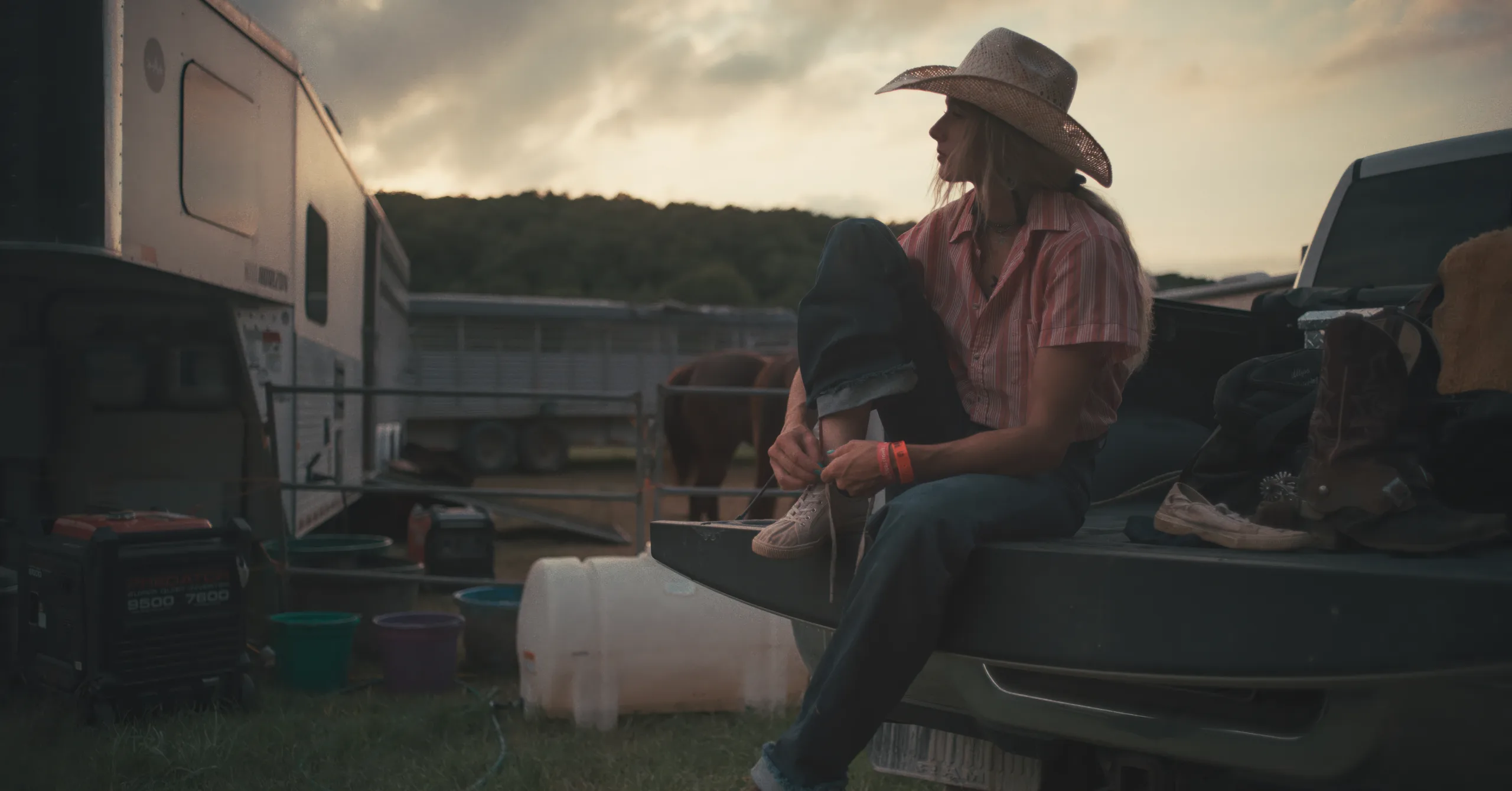
As I watched Taimi Arvidson’s documentary “Cheyenne,” I thought about Jake Allyn’s 2024 film “Ride,” which followed the struggles of a handful of beat-up old rodeo cowboys, addicted to, among other things, the rush of the ride. Arvidson’s film similarly explores the highs and lows of rodeo life, the blood and dust, and the drive to win that elusive gold belt buckle. Only here we’re following four women—Bee, Brooke, Lake, and Ally—who are all contending for a spot on team U.S.A. at the Daddy of ’em All: Cheyenne Frontier Days.
The stakes couldn’t be higher. Although women in rodeo date back to the origins of the sport in the 1800s, after one incident in which a female rider died of her injuries in the 1920s, women were banned from the bucking broncs competition for nearly a century. As these women risk it all to be the first in a century to remind the hypermasculine sport that women are tough as hell, they carry not only the burden of their own ambitions, but the future of the entire sport as well.
“How many people think a cowgirl can do whatever a cowboy can?” an announcer asks as the film opens on Ally, sporting a salmon pink shirt, long blond hair, and a white straw Stetson, riding a bronc like the best of them. Ally, we learn, is a survivor of sexual assault. She rides because “Consent is sacred in the arena. Nothing happens until you nod your head.” As the women ride the circuit leading up to the Cheyenne Frontier Days in Wyoming, we learn why each of them do it.
Bee is the oldest of the bunch, a single mom supporting her young son, but she’s got the bug. “I’ll quit broncs eventually,” she says, “as soon as I find that demon I’m chasing.” Hawaiian cowgirl Lake carries the memory of her recently deceased mother; she’s competing to show herself her sacrifice was worth it. For Ally, the youngest of the group, she claims it’s for the big payout. But when an injury lands her in the hospital and her first thought is “when can I ride again,” it’s clear she’s got the same itch as Bee. Watching these women chase their dreams, broken bones and all, reminds us that some passions know no frontier.
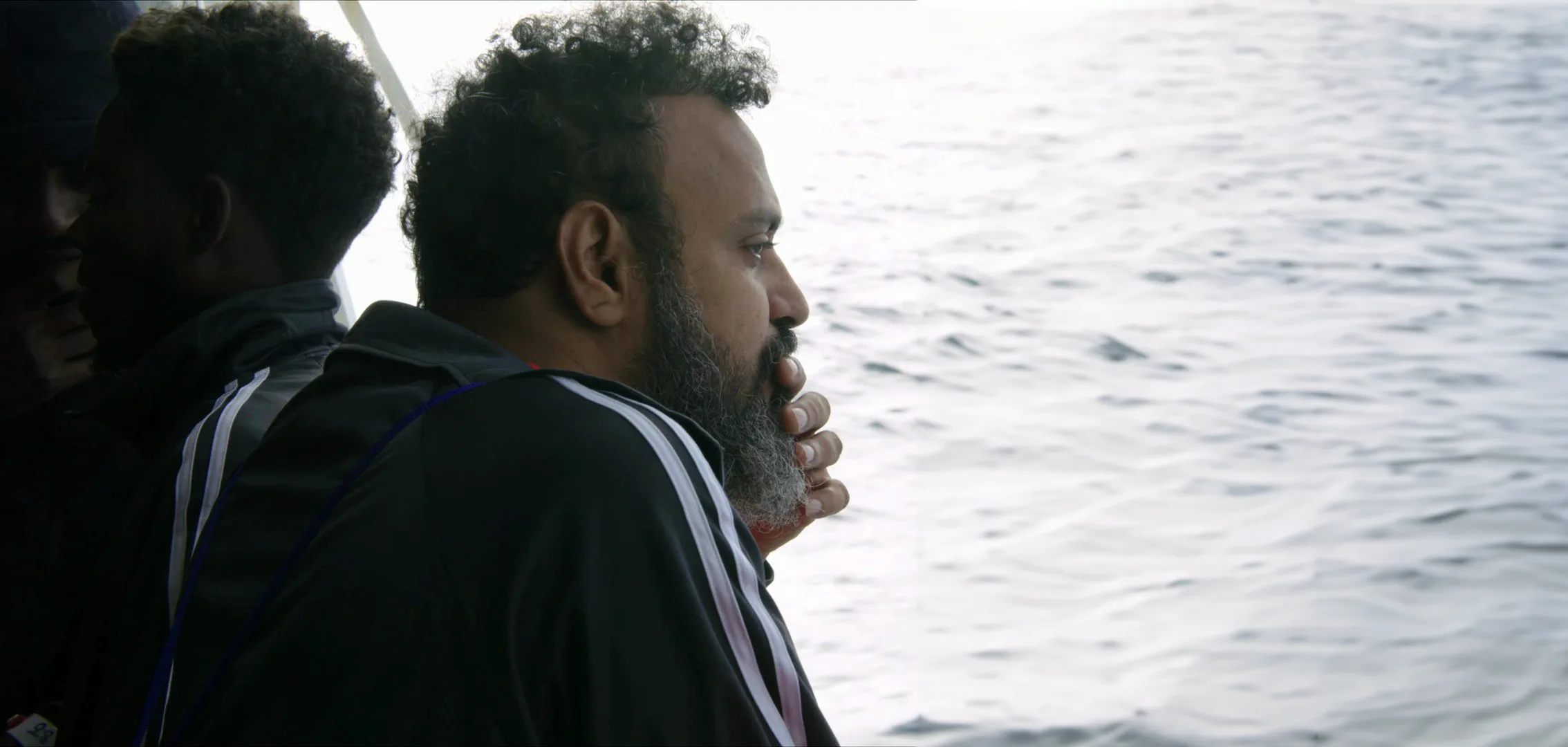
Many films about the current migrant crisis, heightened by endless wars and climate change, have played TIFF over the last few years, like Agnieszka Holland’s excellent “Green Border” and Sally El Hosaini’s “The Swimmers,” which both found a personal story at the center of the crisis in order to magnify the horrific reality of this situation. Similarly, Sine Plambech’s documentary “Rescue” centers on one family caught up in the E.U. reprehensible deals with militias in order to halt migration from North Africa. While filming the crew of the Geo Barents, a rescue ship operated by Doctors Without Borders, Plambech’s film is plunged directly into a heartbreaking family tragedy.
Although the ship is able to rescue several men from a boat, most of the women and children are abducted and held for ransom, including the wife and two small children of a man named Hani, who exclaims, “If we all died at sea, we’d all die together. But taking my soul away…” As Hani and his grown son seek asylum first in Italy and later in Germany, they must watch in agony as his wife Roro and his two younger children remain captive in Libya. Miraculously, Roro was able to hide a cellphone in her baby’s diapers, allowing both for painful FaceTime calls between the family members, but also harrowing footage of the torture and abuse that Roro, who had already fled from sexual assault violence in her home country, and her children must endure as they await a chance to reunite with the rest of their family.
Plambech’s film loses a little steam when it cuts back to the Geo Barents as it goes on other rescue missions, while also dealing with the bureaucracy of operating in supposedly international waters; Italy has sanctioned them many times, forcing them to drop anchor for months on end, which we learn means possibly the deaths of hundreds of migrants. While this background is absolutely necessary for the film to show the many ways in which many right-wing E.U. governments are facilitating human rights violations and even death, the edit between the macro story and micro story is not as smooth as it could be. Regardless, it’s powerful and highlights the human cost of these dreadful policies, and the resilience of women like Roro, who, despite continually being failed by the world, keep the faith that there must be a better world waiting for them somewhere.
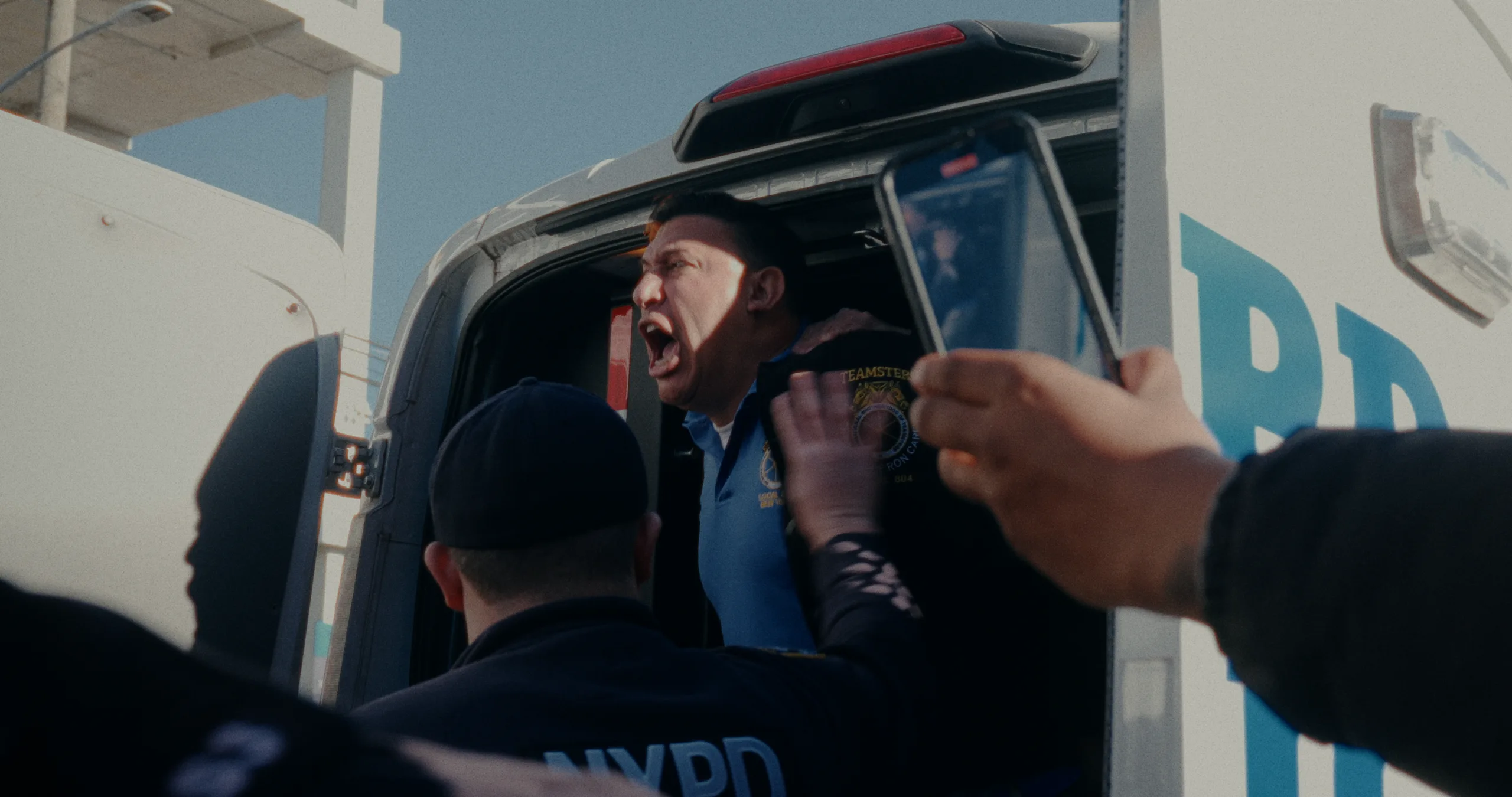
“I am not a person for the company. I am just a number. They don’t care about us.” So says one of the deliveristas featured in Barbara Kopple’s essential and timely new documentary “Union Town.” The title comes from the notion that New York City is a union town, that the working class of this great city has each other’s back, through the thick and the thin of it. Like her previous union films, the Oscar-winning “Harlan County U.S.A.” (1976) and “American Dream” (1990), “Union Town” is focused on one specific region of the United States. While those two films centered on othered places–Appalachia and the Midwest–by setting her gaze on the working-class struggles of the Big Apple, Kopple sends a distinct message: the class struggle in this country is everywhere, not just in the so-called flyover states.
By cleverly weaving together stories of the deliveristas (delivery app workers largely made up of migrant workers), UPS Teamsters, and Amazon workers, “Union Town” deftly shows how this class struggle has affected America’s arteries. These are the silent workers who keep our economy moving, yet each company exploits this labor in its own way, pitting workers against each other and isolating them from the rest of the working class. Kopple’s film asks us to see how deeply this struggle is woven into the fabric of society.
As in her previous films, things get messy. Union members don’t always agree with leadership’s decisions, or even with each other. In one of the most shocking sequences, an Amazon worker harasses his fellow workers for trying to unionize, asking them how they feel about breaking the law by being on the property with their literature. The organizer asks the man back, “When companies were on strike in the 1930s and 1940s, and they weren’t allowed to, what do you think happened there? Do you think they followed the law? How about when the cops came and beat people in the streets?” The man remains unconvinced, likening their choice to speak on Amazon property about workers’ rights to setting something on fire.
It’s a wild leap in logic and shows just how brainwashed so many people are into toeing the company line. I thought back to this interaction during the sequence where N.Y.P.D. union members participate in union-busting activities as the Teamsters help Amazon workers facilitate a strike during Christmas. It’s a brutal moment that reminds us, as we saw many times in “Harlan County U.S.A.” as well, that not all unions are in this thing together.
Kopple’s film also weaves in contemporary right-wing politics and the re-election of Trump, leading to many deliveristas becoming afraid to speak up for their rights lest they be deported. Kopple contrasts this with the Teamsters, who overwhelmingly voted to re-elect Trump, despite his economic policies directly leading to their further exploitation. Although during the three years covered in “Union Town” organizers achieved some historic wins for labor rights, Kopple ends her film on an ominous note with Carol Tomé, the CEO of UPS, joking about footage she’s seen of worker robots, saying “They don’t get sick” before blithely asking, “How do I bring in the robots but not destroy the jobs?” It’s a bleak reminder that, despite all of our collective gains, as the deliverista said earlier, the ruling class simply doesn’t care about us.