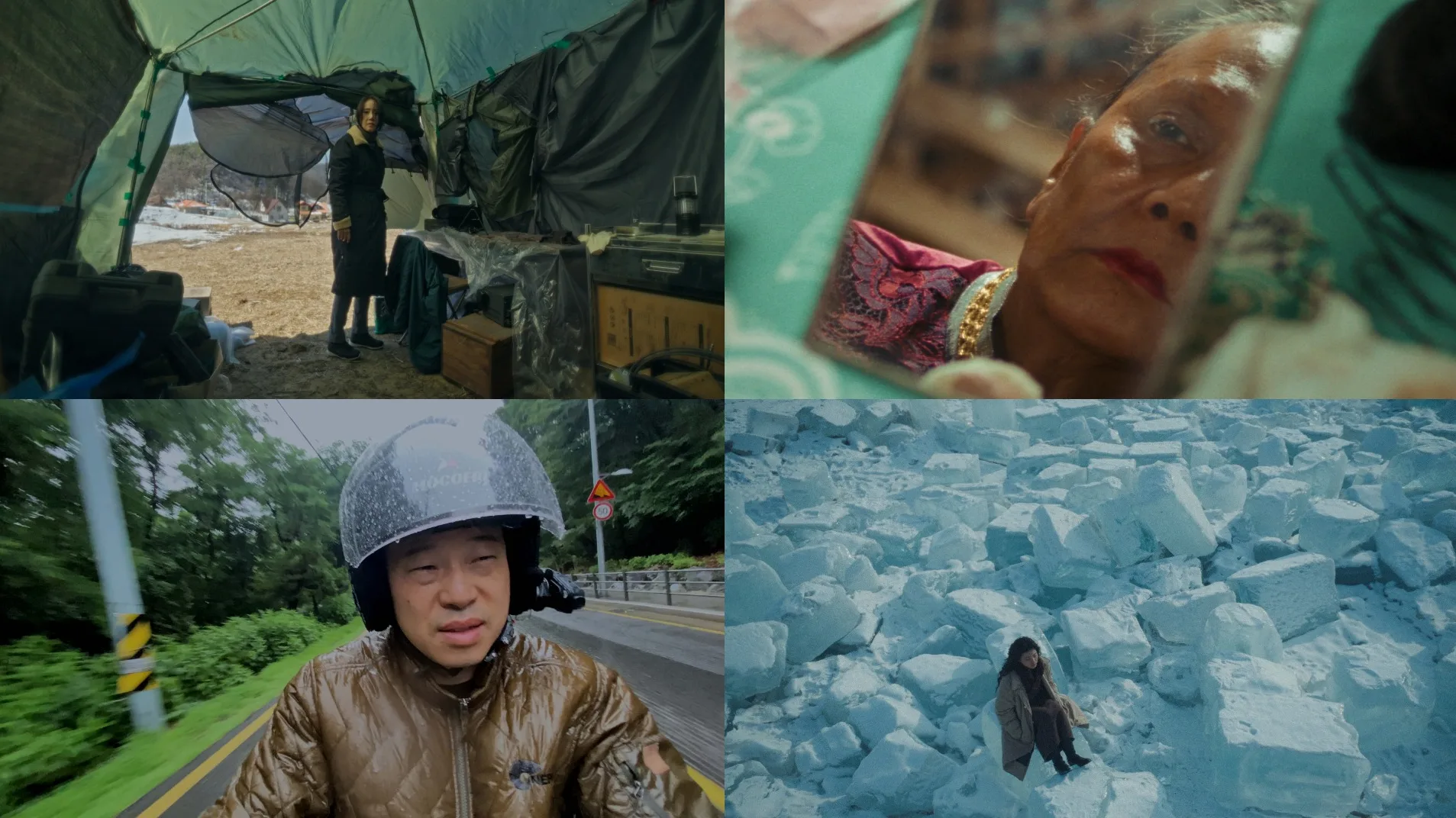
The Busan International Film Festival is upon us. The South Korean cinematic celebration, which was founded in 1995, arrives with a new wrinkle this year. A few months ago, the Academy Awards announced that winners from a select few festival competitions would be automatically qualified to compete for Best International Film, even if they were not selected by their respective country. Sundance’s World Cinema and TIFF’s Platform section, Cannes, Venice, and Busan’s main competition were picked as the programs whose winner could be fast-tracked to competing for the Academy Award.
For Busan, the decision is a major step forward. Not that the festival needs validation from a Western awards body, but this is only the second year that Busan’s main competition has existed (Zhang Lü’s “Gloaming in Luomu” won last year). The section’s emergence demonstrates the sturdiness of the festival’s overall programming, one that’s become a tastemaker of Asian cinema and also a destination for some of the fall season’s biggest movies.
This year there are 13 films in competition hailing from Japan, China, Taiwan, Indonesia, Uzbekistan, Iran, and South Korea. In Busan’s Vision-Asia and Vision-Korea sections, which uplifts mostly newer voices, are 24 films. During the festival you can expect several dispatches from myself, which will highlight many of the festival’s talented filmmakers who may be discoveries for you. It’s my first time attending the festival and I’m deeply honored to be doing it on behalf of RogerEbert.com.
In the meantime, below are 10 titles that will probably pop up in our coverage. The first five are from the main competitions. The second half are from the bifurcated Vision program. Come back beginning Friday for our coverage.
(Synopses courtesy of Busan.)
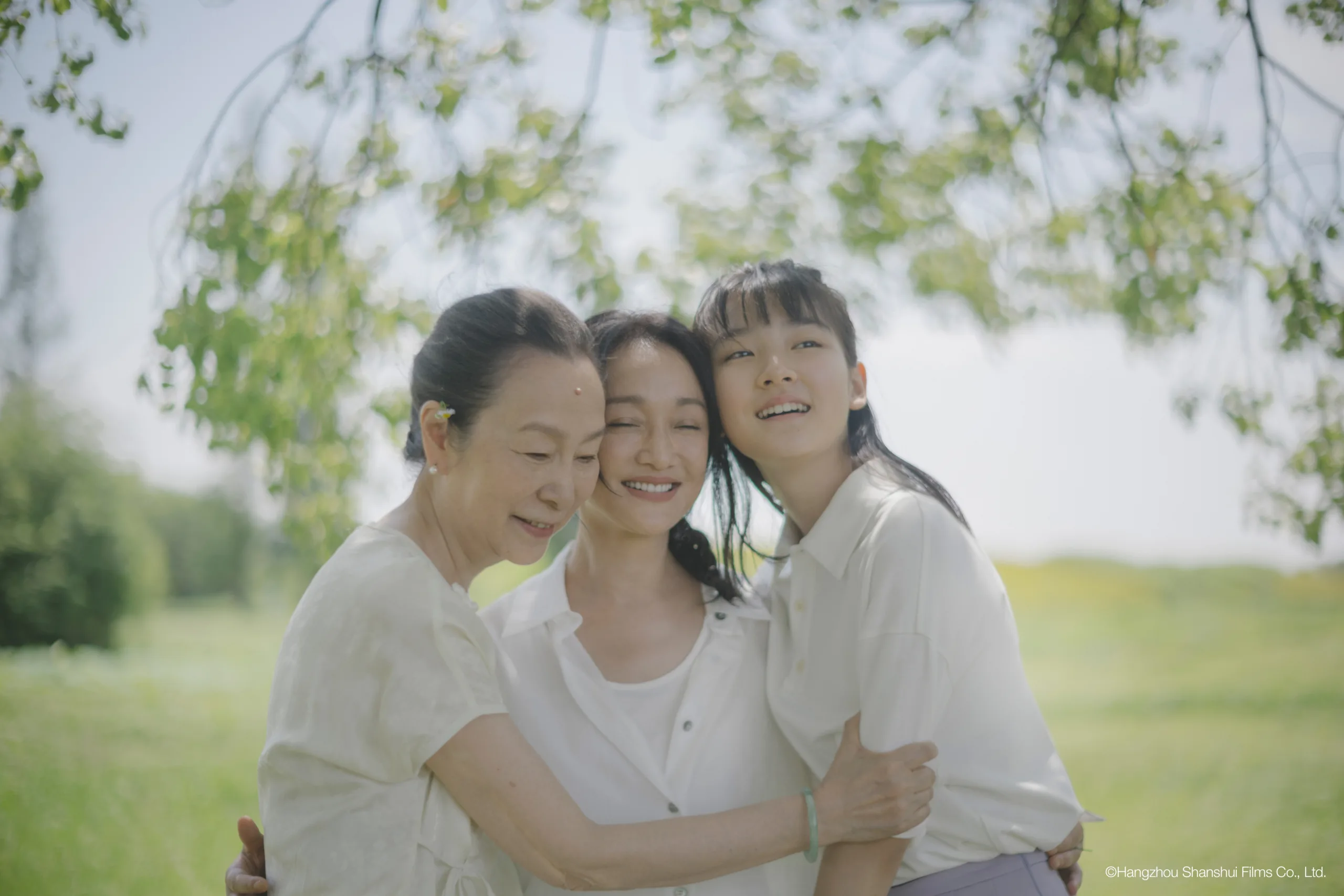
“The First Taste of Loneliness”
The film opens with the death of a father, then moves across the Qiantang River to an old apartment where three generations of women live together. The second scene, filmed in a long take lasting over twenty minutes, meticulously observes the inside of the home the father has left behind, discovering the traces of his presence. The camera quietly captures the lives of the three women as they grieve the loss of the husband, father, and grandfather in their own ways. Their names – Luna, Jiang Yue, and Moon – all evoke the moon, echoing what Yue’s father often said when he was alive: “A moon for every river.” The story of these three women, each carrying a moon in her own river, follows their paths of loneliness and healing. Gu You completes his Landscape trilogy with this film, after Dwelling in the Fuchun Mountain and Dwelling by the West Lake. He layers the characters’ lives across the scenery of rivers, mountains, and cities through fluid and graceful camerawork by cinematographer Mikiya Takimoto, known for his collaborations with Koreeda Hirokazu. Within these landscapes, the delicate and elegant performance of acclaimed Chinese actor Zhou Xun creates an even deeper resonance.
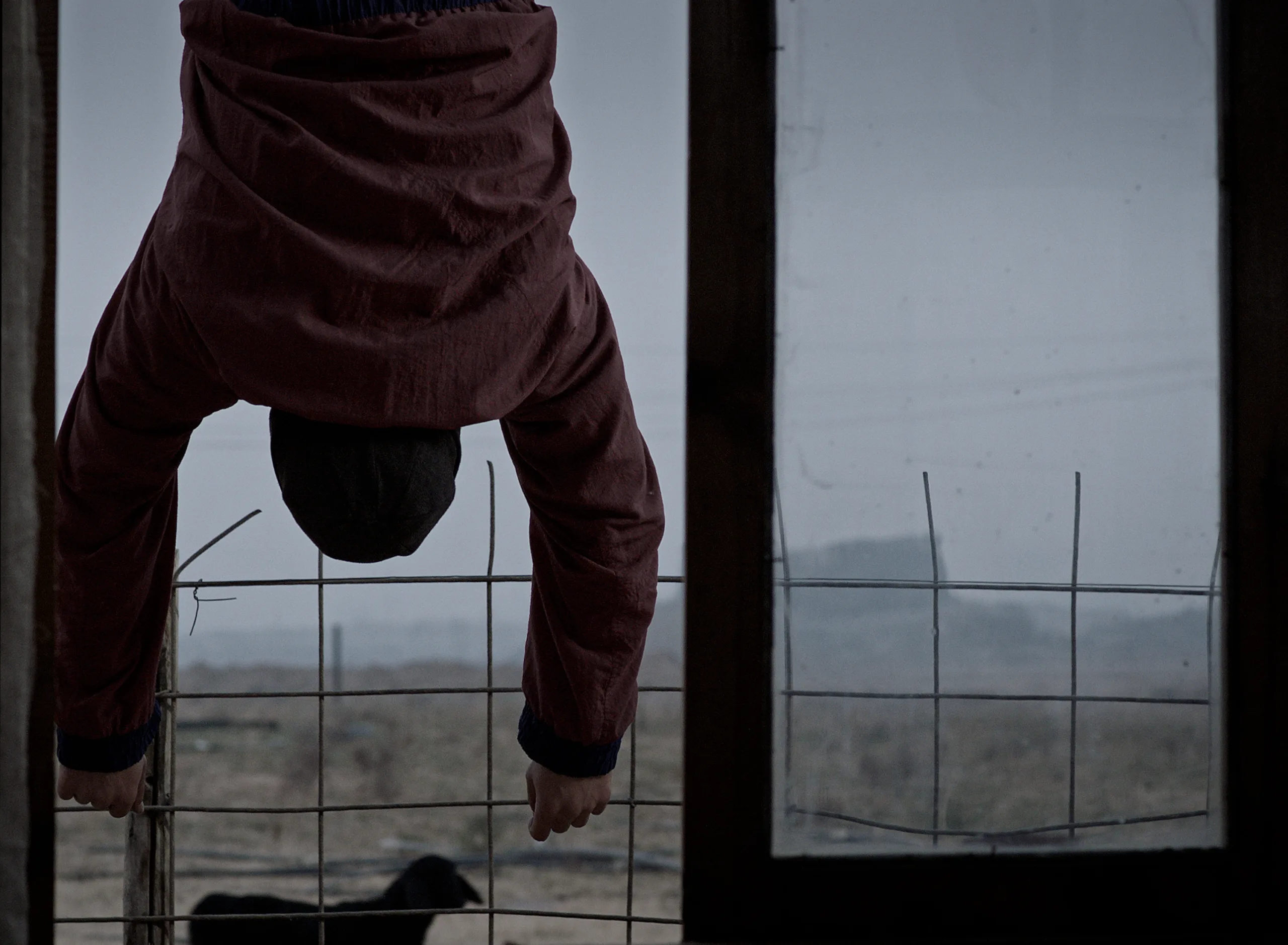
“Hilol”
Hilol quietly counts. She counts while hanging upside down from a window frame, when fear wells up inside, and after realizing for the first time what she wants and does not want. Counting is a way for her to keep her pent-up emotions and desire from erupting, but paradoxically it also allows her to recognize that they are still alive within her. At twenty-three, Hilol has been raised by her father like a son. Her mother died when she was born, and though she was once a Taekwondo champion, she now has little to do other than caring for her father at home. Her older sisters, each struggling with problems of their own, try to arrange marriage for Hilol. Then, she runs into her childhood friend Doniyor by chance, which stirs feelings she does not quite understand. The rough, bold camera follows Hilol as she keeps setting off toward somewhere, only to pull back and capture her standing still as though lost, in an extreme long shot. The interplay between these contrasting shots creates the film’s distinct rhythm. In Uzbekistan, ‘Hilol’ is both a masculine name and a diminutive of the feminine name Hilola, and it also means ‘crescent moon.’ This makes the name a key to understand the film, as well as a metaphor that invites audiences to imagine Hilol’s life after the film ends. Hilol marks the arrival of a notable new voice in Uzbek cinema.
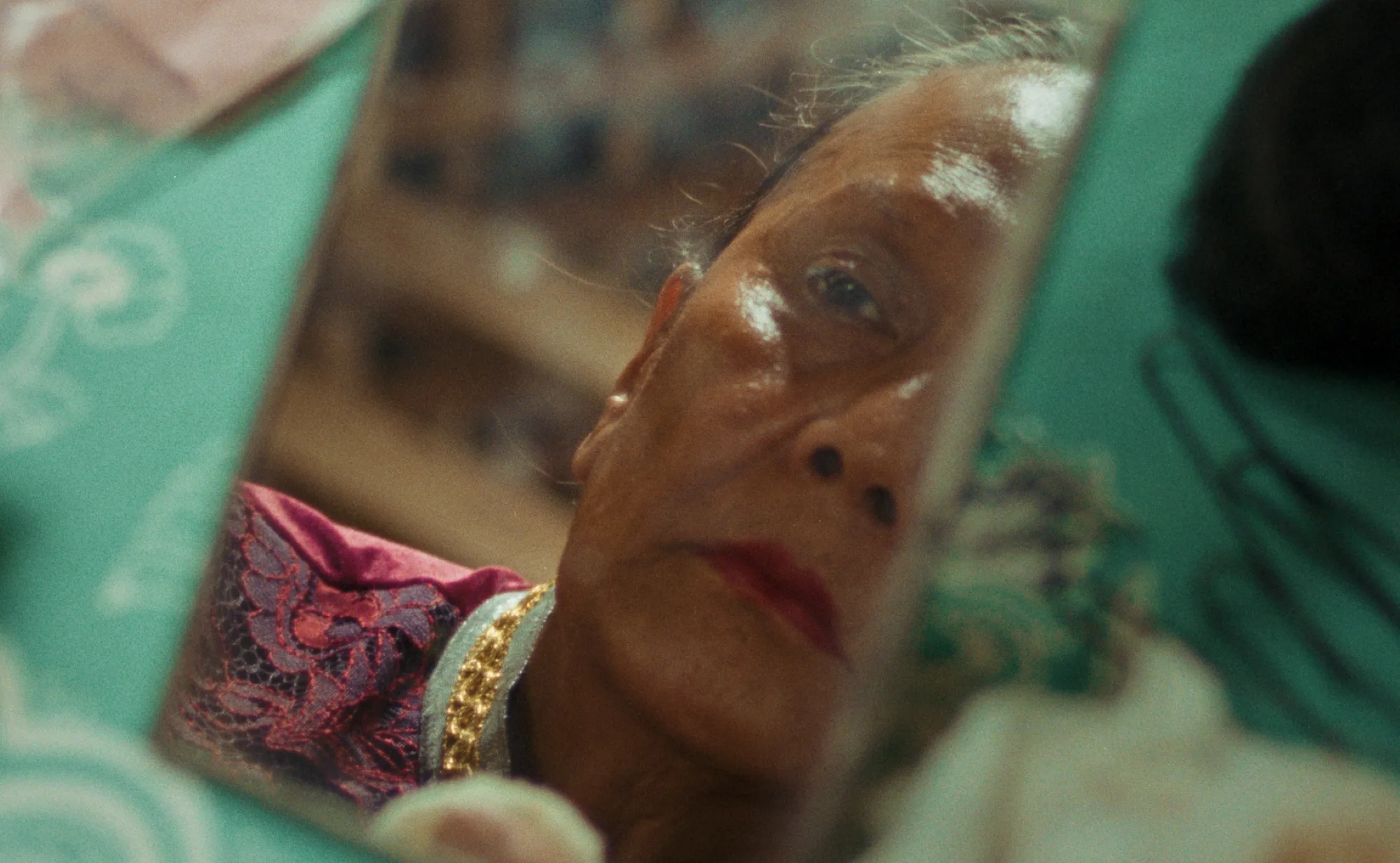
“Ibuku”
Sumiati (Christine Hakim) was once a popular Jatilan dancer in her youth, but now she lives alone as a widow. After her husband was ruined by gambling and took his own life, leaving her with nothing but his debts, Sumiati is forced to marry off her only daughter Sri (Ayushita) to help pay them off. But she cannot protect Sri from an abusive, alcoholic son-in-law, and Sri flees the country to become a migrant worker abroad. There, subjected to abuse by her employer, she commits murder and is sentenced to death. When news of her daughter’s tragic fate reaches her, Sumiati makes the desperate decision to go and see her in person, defying the indifference and objections of those around her. Eddie Cahyono’s fourth feature, IBUKU, once again turns to the family narratives of his native Yogyakarta. As in his earlier work, he explores in even greater depth the lives of women living under oppression. The suffering of women forced to endure sacrifice and resistance amid patriarchal and economic collapse unfolds here into a profound psychological journey. The land, parched by relentless drought, becomes both a mirror for the characters’ devastated inner lives and trauma, and a paradoxical refuge from them. For women neglected by society and community alike, trapped with no way out in the snares of their own lives, might what they truly need now be reconciliation and forgiveness? Is this the only way to break this chain of tragedy?

“Midday Meal”
In a parched badland village that looks like the end of the world, Solan is the only teacher. After years of enduring the poorly paid temporary job, he holds one modest dream – to become a full-time teacher and to live in a proper house with his mother. But everything begins to unravel with the death of the benefactor who had funded the school’s meal program. If the meals stop, most of the students will stop coming, and the school’s closure becomes inevitable. The education office offers no real help, only an order to keep the classes running. Desperate, Solan withdraws his rental deposit, moves into the school, and begins a precarious double life as a teacher by day, and oil smuggler by night. And through it all, his mother stays by his side, quietly trusting him. In Midday Meal, Iranian master Majid Majidi shows this world with unflinching rawness, and his direction reveals a gift for capturing layered emotions that resist easy words. His camera runs close to the characters’ emotions, then falls still at key moments, heightening the drama through that very stillness. Do Solan’s ends justify the means? Are choices driven by pure goodwill, or are they nothing more than self-interest masquerading as virtue? Within its own running time, the film can only project a single facet of reality, but how far today’s conscience might take root for generations to come is left to the audience.

“Silver Express”
Following her acclaimed short Ginger Boy, director Tanaka Miki returns with silver express, a quiet and deeply empathetic exploration of modern intimacy. The story follows Chieri (Okamoto Yui), a young woman who has never experienced romantic or sexual attraction. Feeling perpetually out of place in a world obsessed with romance, her isolation finally lifts when she meets Shoya (Kurihara Hayato). Also lacking romantic feelings, Shoya offers Chieri a rare sense of understanding. However, their sanctuary begins to unravel over a fundamental difference: while Chieri is asexual, Shoya is aromantic and experiences physical longing that Chieri cannot reciprocate. Tanaka shines behind the camera, cementing her reputation as a director with a rare visual sincerity. Elevating her strong cast, she captures Chieri’s internal landscape with remarkable delicacy, translating complex emotional states—isolation, relief, and quiet friction—into atmospheric visual poetry. What lingers most is Tanaka’s distinctive directorial ‘touch’—a subtle, sensitive approach to filmmaking that prioritizes mood, character texture, and raw emotional resonance. Driven by Okamoto’s compelling debut and Kurihara’s grounded charisma, silver express is a contemplative character study that offers a uniquely nuanced lens into asexual and aromantic experiences, marking another stylish showcase of Tanaka’s undeniable artistic vision.
“1982”
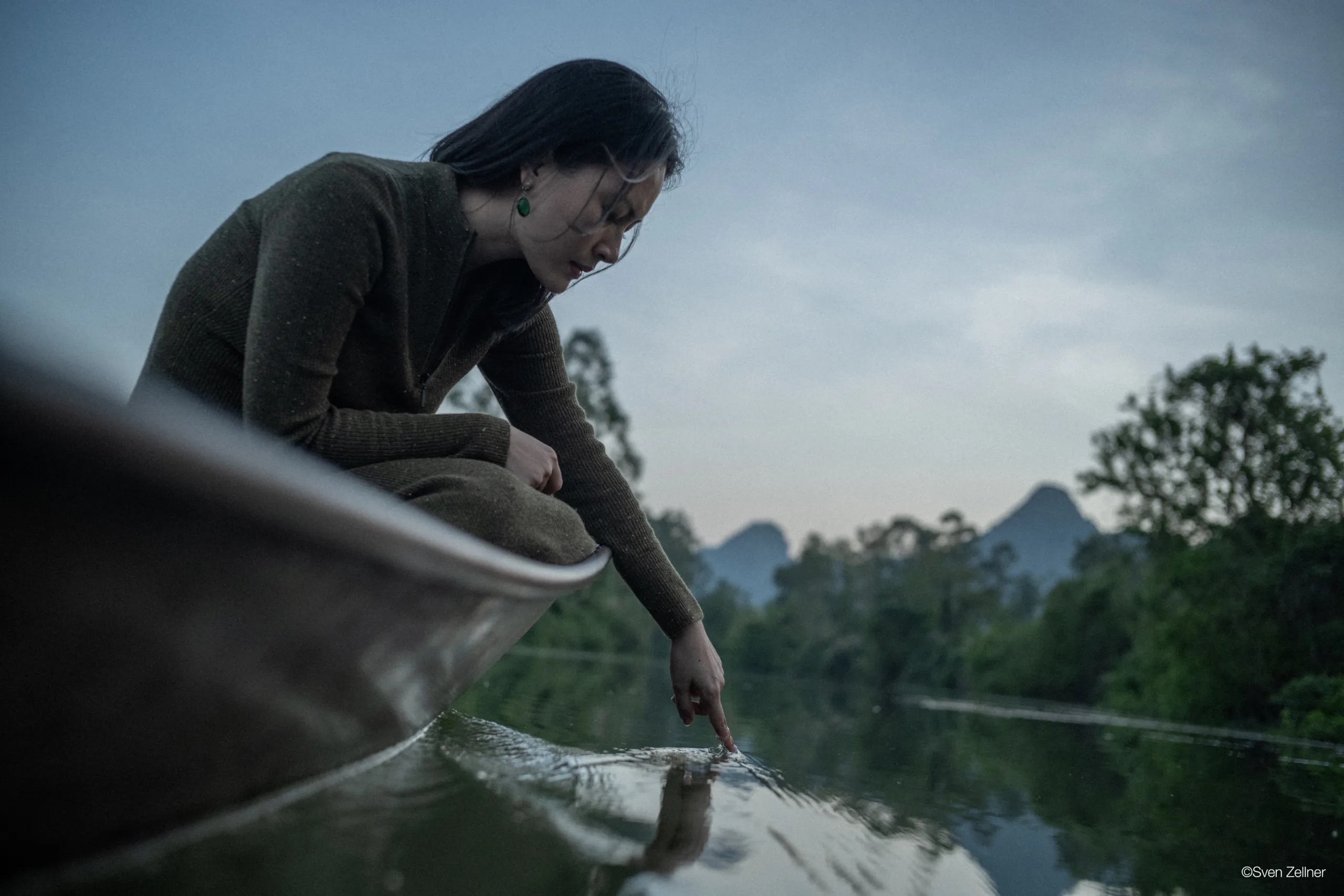
Vietnamese cinema is riding high. Its films are earning recognition abroad and the box office keeps setting new records. But what does any of that mean to Yen, who hasn’t made a single film in ten years? A mother with dementia, a son treated like a problem child, a sister buried in debt and a brother unable to marry only deepen her financial troubles. Can she keep making films? About ten years after her sensational debut Flapping in the Middle of Nowhere, director Nguyễn Hoang điệp returns with her new film 1982. This metacinematic film lays bare her unfiltered love for cinema itself. In the film, what Yen searches for is not just her missing mother but her own self, worn down after ten years of struggle. The point where life and film slide into each other will linger with audiences who have each sought their own balance in life.
“Beyond Love’s Horizon”
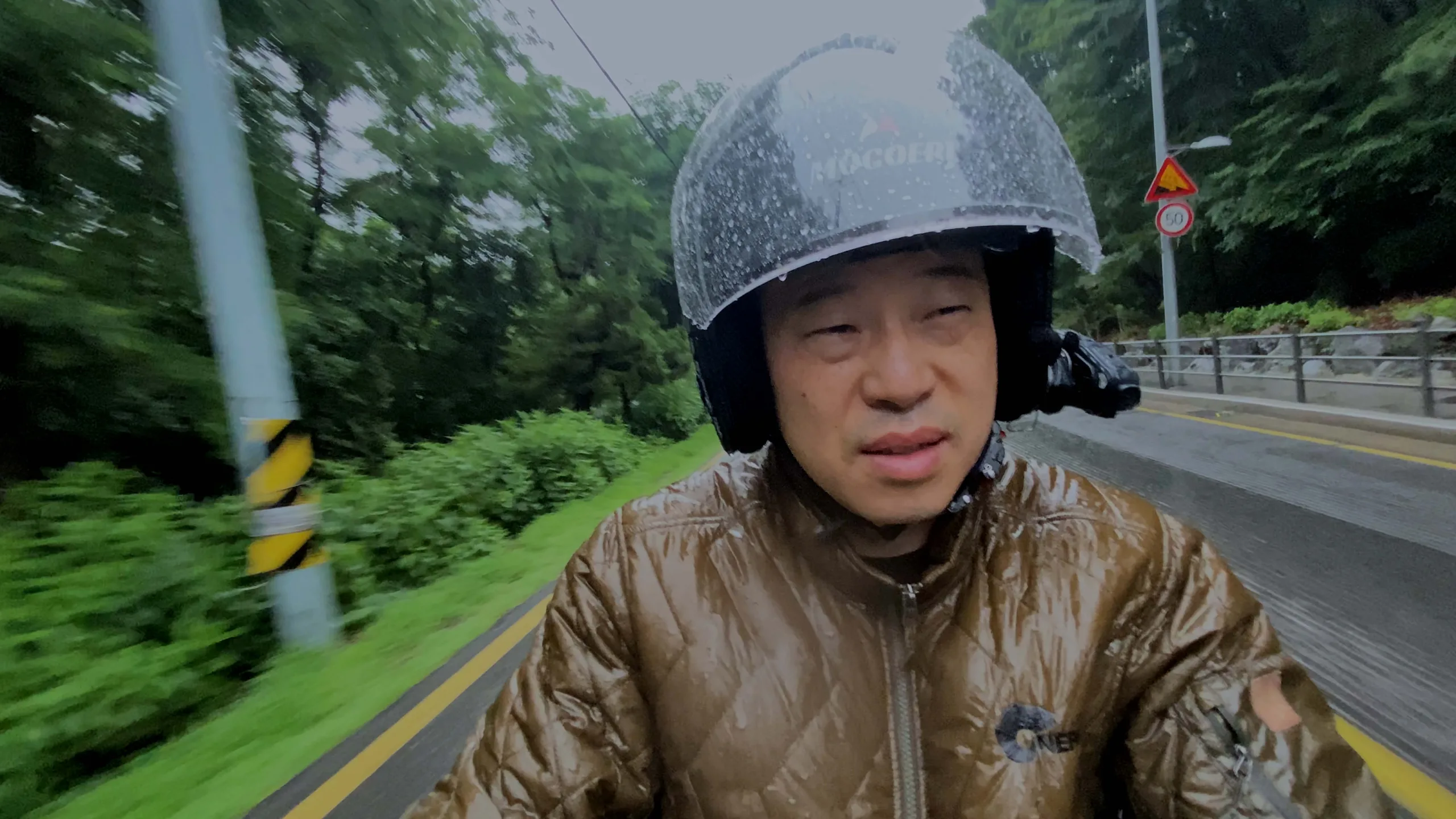
Taeyoung (Park Songyeol) and Jumi (Won Hyangra), a married couple who have closed down their shop, are at a loss. Then, like a miracle, new life arrives. The road through pregnancy, childbirth, childrearing, and caregiving proves far more grueling and arduous than expected. Overwhelmed by extreme physical and mental exhaustion, the couple fumbles, falters, stumbles, and slips again and again. And yet, their child is pure, absolute joy. For Park Songyeol and Won Hyangra, whose lives have always been the wellspring of their creative work, dating and marriage have now led to the momentous event of welcoming a new member into their family. Compared with their previous works, the narrative and form are more relaxed and straightforward, but the variety of visual styles previously unseen in their films, along with the interplay of black-and-white and color, seems to attest to the unfamiliar experiences and sensations brought on by the birth of their child. The film declares with its entire being that childrearing, which demands tremendous energy, is the most urgent question and overwhelming reality in their cinema. However overwhelming, awkward, and difficult it may be, there is no compromise. It is a declaration of self that is built and carried forward through film, a vigorous serenade of love, and a spirited chorus proclaiming, ‘We will keep going.’
“The Birds”
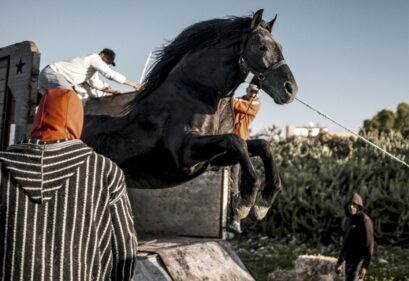
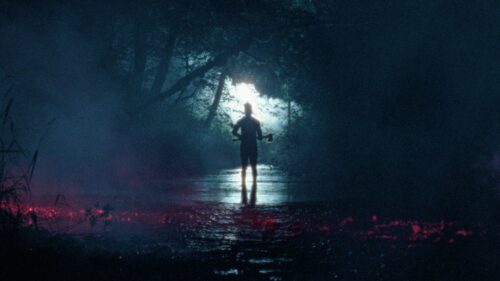
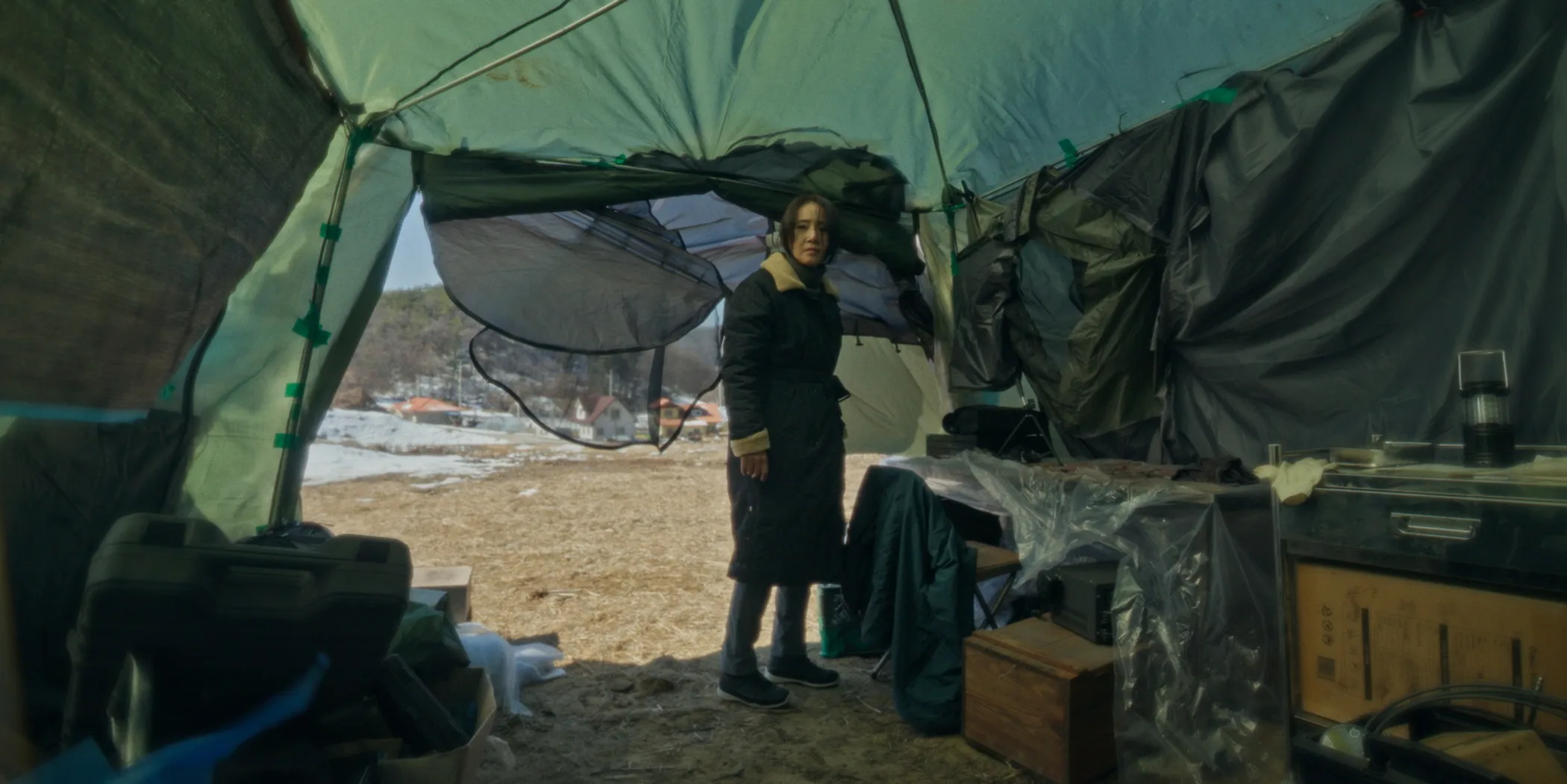
Yeok (Kang Kyunghun), a middle-aged teacher raising a son and a daughter alone, witnesses students fall to their deaths from the rooftop of the school where she works. Discovering that her daughter Hyejeong (Sim Su-bin) was also present at the scene, she presses her for answers, but Hyejeong only repeats the same words: ‘There was a bird in the sky.’ As the strange, unexplained deaths continue, Yeok, together with a reporter covering the case and a streamer who runs a birding channel, head towards the birds’ habitat. In the SF fantasy drama The Birds, falling humans seem helplessly drawn by some overwhelming, inexplicable force, as if intoxicated and entranced by a mysterious substance, plunging of their own accord and drifting listlessly. This astonishing phenomenon is not merely temporary, but a reflection of the merciless and brutal logic of this world – and, at the same time, a fierce assault on it. Strange and sorrowful is a world in which adults and children alike are steeped in melancholy, unable to endure or even be themselves without recourse to fantasy and hallucination.
“Full Moon”
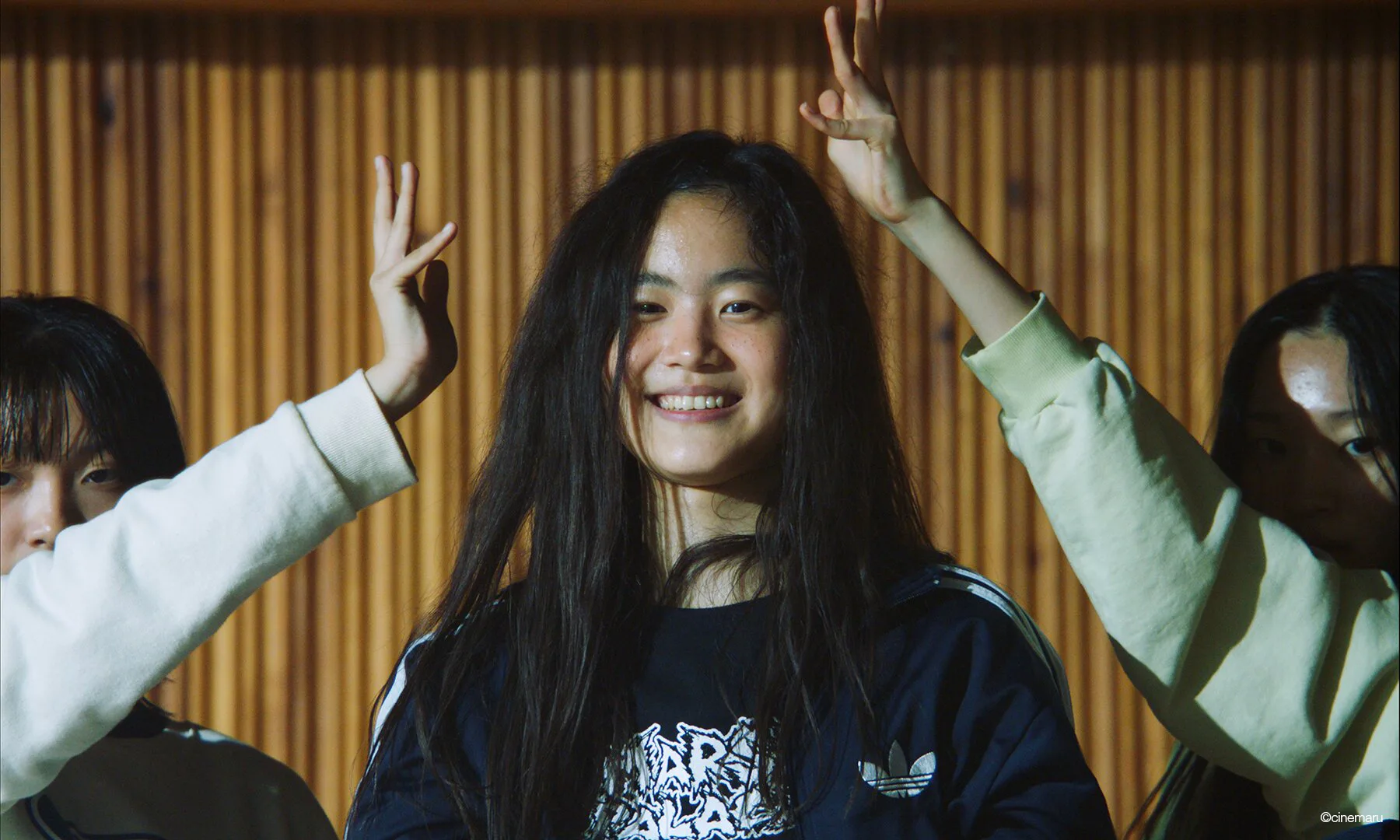
Middle schooler Hyemi (Jung Minju) longs to shine as the center of her school dance team. But when a costume mishap occurs on stage during the Jeongwol Daeboreum (Great Full Moon) festival, cracks begin to spread through Hyemi’s once self-assured world. She grows distant from her close friends, and worse still, the existence of her parents – a secret she has kept to herself, hoping the world would never find out – is now in danger of being exposed to everyone. FULL MOON captures the moment when two opposing impulses within an adolescent girl collide – the desire to turn away from and conceal her most vulnerable self, and the longing to be seen and recognized by the world – opening the first crack in her life. The taste of loss is bitter, and the confusion cruel, but this is not the end. Just as the moon wanes only to wax again, she discovers an unexpected friendship and forms a tender connection with the adult world she once thought she could never understand. Clean, unembellished cinematography and music that feels like an intimate language richly fill out the film.
“There Will Be Snow”
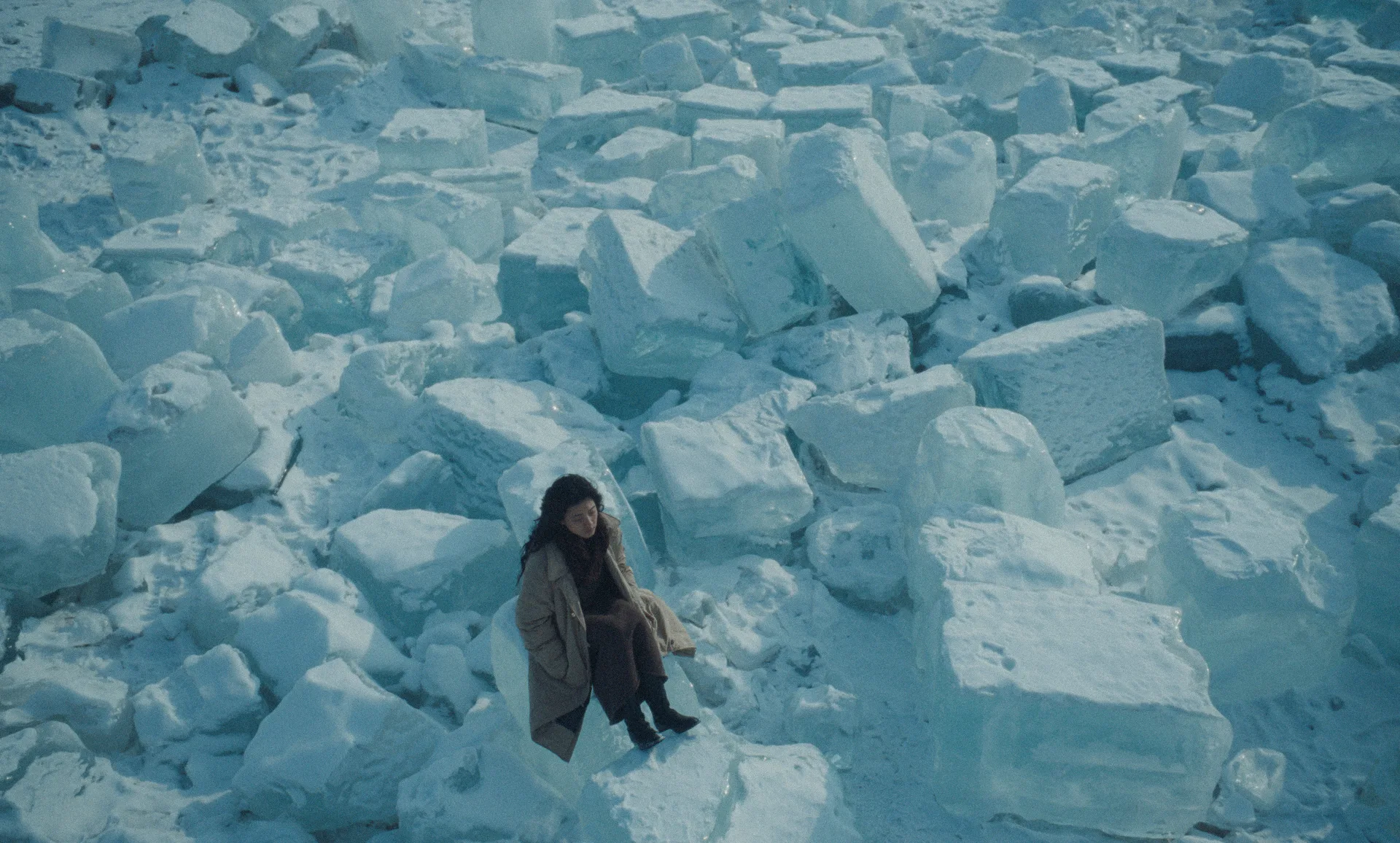
The film begins with a striking scene: a world covered in snow and ice, where people are busy cutting and transporting massive blocks of ice, while skyscrapers loom in a haze far behind them. Across the screen comes the depressing news that the construction connecting the ice city Glaceterre to the intelligent city system Fireworks has once again been delayed. When Gu Chen receives a phone call from a dance troupe in the highly automated city of Bright Zone, she is excited by the prospect of finally leaving Glaceterre. Meanwhile, Xu Chu, an engineer who took part in the development of Fireworks, returns to his hometown in search of lost memories. Bathed in bluish light, the film creates a fantastical atmosphere through images of snow, ice, reindeer, and iron bridges, breathing warmth into the ruined city of Glaceterre. Gu Chen’s last dance seems to suggest that as long as memories and love remain, what keeps us going may be the imperfect rhythm of life itself.