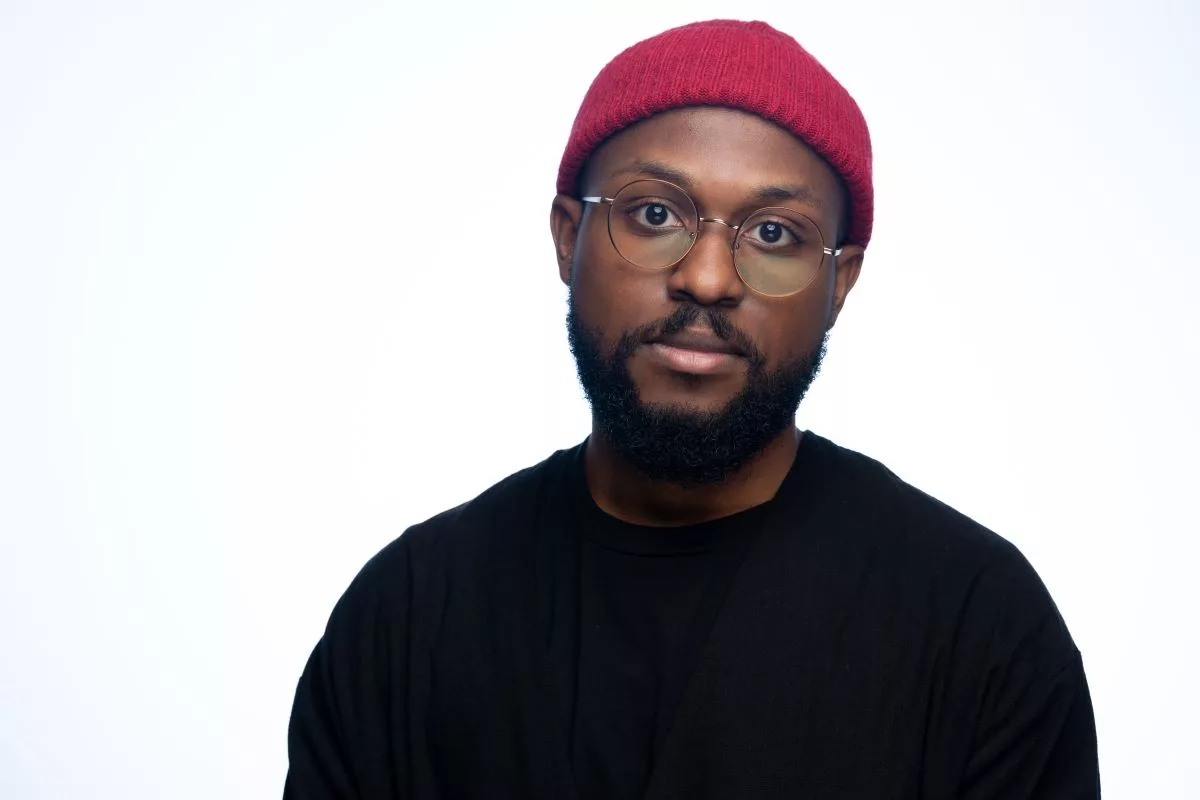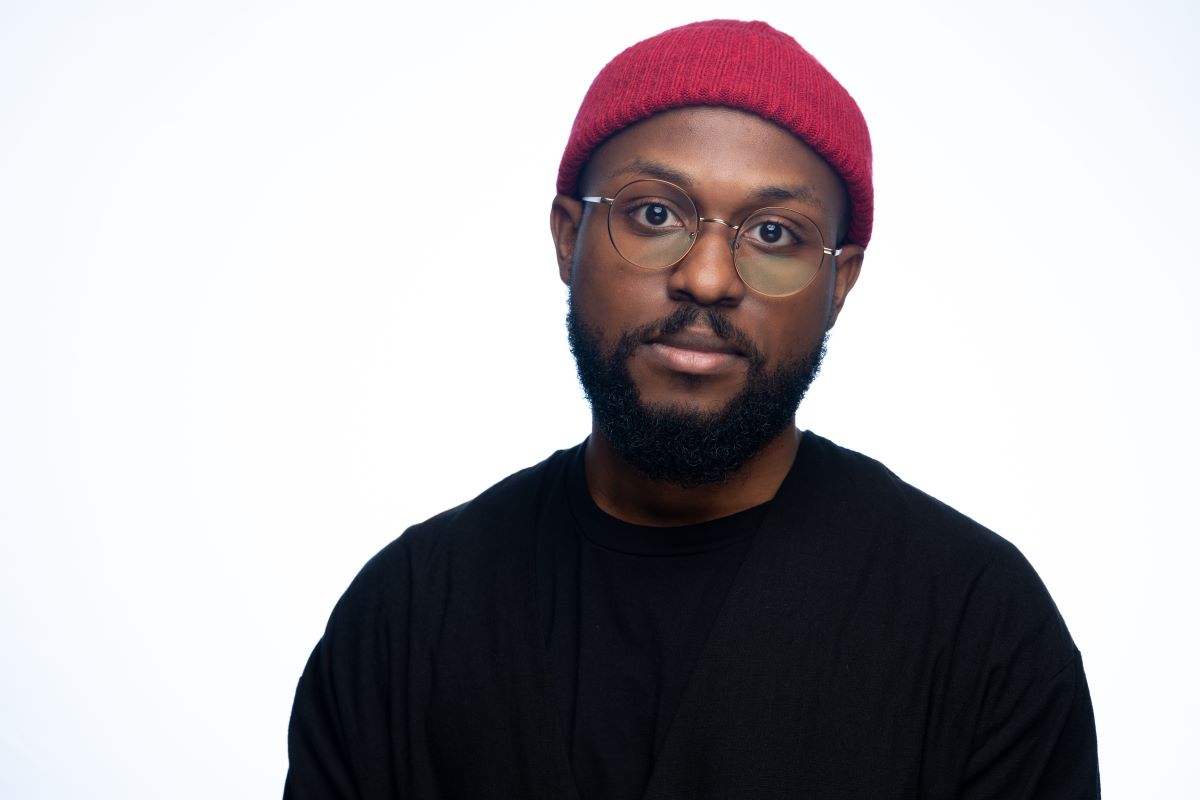
Boots Riley is the most dangerous man in Hollywood. He’s not a filmmaker. He is an enigma, a revolutionary fighting against capitalism with a pen and a lens. From his musical prowess as the frontman for the conscious hip-hop group The Coup to his community activism with the International Committee Against Racism (InCAR) and California’s Anti-Racist Farm Workers’ Union, Boots is the living embodiment of the phrase “artists must choose a side.” And he chose to fight for freedom.
Riley is one of the few prevailing filmmakers who are deeply politically conscious, and his views ooze from script to screen. His filmography, best described as “Star Wars for Radical Politics,” focuses on helping people find the tools to change the world around them. By adopting comedy to smuggle his message past the capitalist gatekeepers and reach the masses, Boots creates his own film genre: radical whimsy. His work asks audiences how to create a movement that affects those in power.
With his latest release, “I Love Boosters,” a film exploring booster culture in the Black community and worker exploitation in the fashion industry, Riley continues to show moviegoers that the only way to challenge corporate power is with a global militant labor movement. Since power under capitalism comes from capital, by ceasing the means of production, the working class can collapse this system under its own weight.
Overcoming capitalism means understanding that we are in a system, and that the system shapes how we relate to each other. The late revolutionary and founder of the Rainbow Coalition, Fred Hampton, famously said: “We’re going to fight racism not with racism, but we’re going to fight with solidarity.”
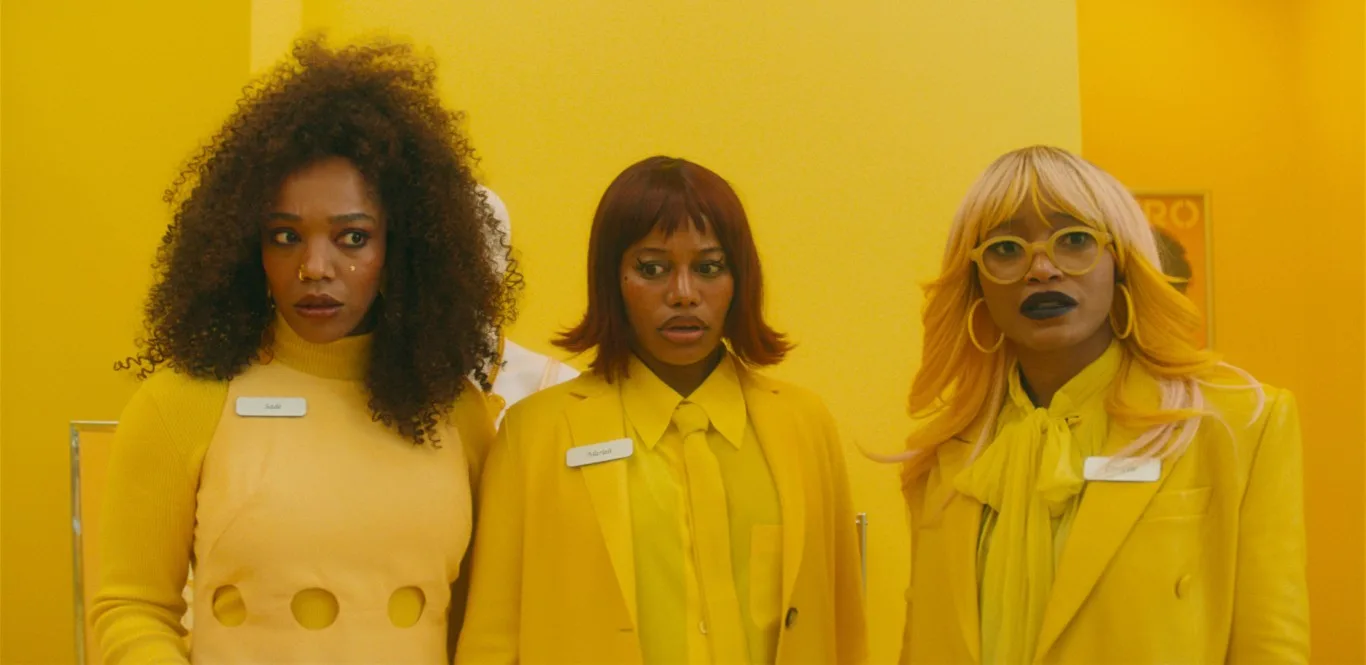
Although understated, there is a significant emphasis on cross-racial solidarity in Boots’ work. In “I Love Boosters,” Demi Moore’s character, Christie Smith, capitalizes on the underpaid labor of her employees at Metro Designers retail stores, the hazardous working conditions in clothing factories in China, and the manufactured exclusivity of her overpriced clothes sold in the ghetto for profit and to inflate her ego. In isolation, the actions taken to combat these seemingly disjointed injustices agitate Smith, but do not affect her bottom line. However, only when these movements become one does the narrative change, and our protagonists win.
Yes, admittedly, this ending is a bit unrealistic; nevertheless, the message is clear: survival is not enough. To give birth to a better reality is to fight in tandem. Yet, this goal is easier said than done. Capitalism is greedy, like a snake eating its own tail. It is sustained by the belief in itself, and that belief is infectious.
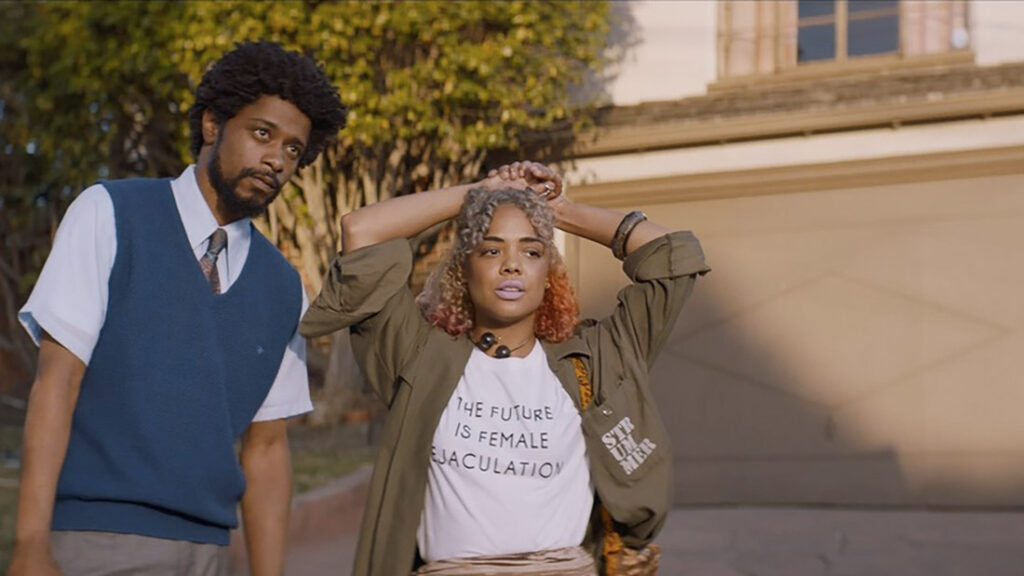
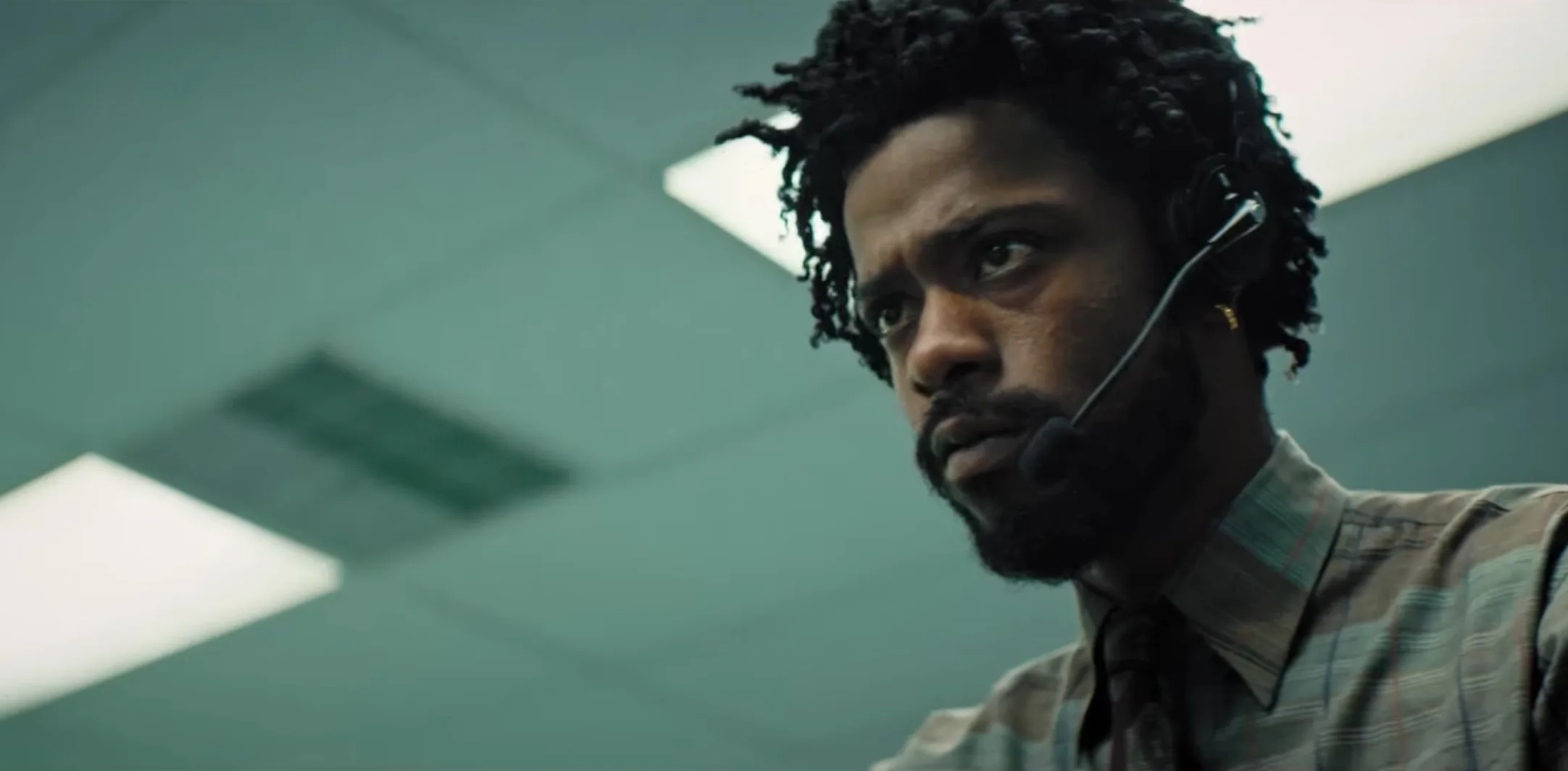
We can see the consequences of that greed in Boots’ directorial debut “Sorry to Bother You,” in which LaKeith Stanfield’s character, Cassius “Cash” Green, quickly rises in the ranks of corporate America by using his “white voice” to appear more amiable to a porcelain-skinned society. Despite Green’s discomfort with the unethical work as well as his own shucking and jiving behavior, we watch him reap the benefits of playing by the script. Although these rewards are short-lived, his lack of solidarity segregated him from his community, and he is further dehumanized by the white gaze.
In the end, Black capitalism did not save Cassius; standing with his community did. On the surface, Riley’s unrelenting belief in the effectiveness of a mass labor movement feels idealistic compared to the reality of the brash, systemic dismantling of social movements. From the FBI’s active dissolution of the Black Panther Party to Ronald Reagan’s historic union busting, the future can seem bleak. However, Boots has described his art as “ultimately optimistic,” and given the growing political tensions in the United States, I think we all could use a little hope.
Boots teaches us that we do not have to wait for a shepherd to lead the herd; we can overcome injustice ourselves. In “I’m a Virgo,” where, after being christened the villain by the same oppressive system he once admired, Jharrel Jerome’s 13-foot character Cootie attempts to become a martyr. However, his activism falters because he wants to be a symbol for people to believe in rather than a catalyst for them to forge their own change, which isolates him from the very movement he hopes to inspire.
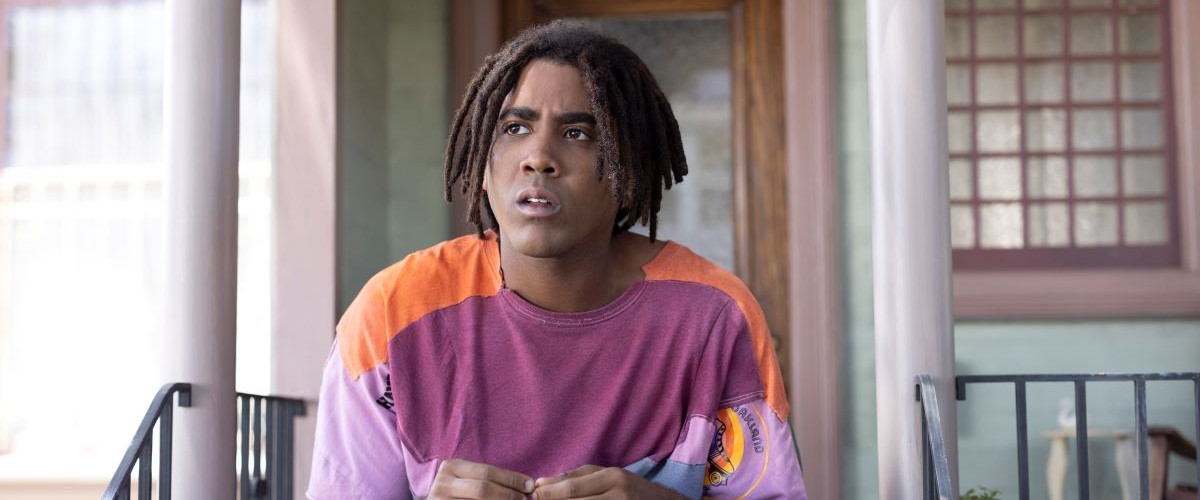
In contrast, Kara Young’s character Jones, an activist with psychic abilities, embodies a vision of collective liberation. Although she is the most vocal participant in this crusade, Jones advocates not for herself but for the heroism of revolution against capital, pushing the people around her toward their own agency. Riley further illustrates this distinction by having Jones defeat the so-called “hero” of the story, proving that systemic change is never the work of a single extraordinary person. His optimism in the effectiveness of a mass labor movement is rooted in the faith in the power of ordinary people to dismantle the systems built to oppress them, even when, and perhaps especially when, those systems are the very ones funding his art.
Despite his leftist politics, Riley is not above online discourse. Digital rumblings of keyboard warriors among Reddit and X (formerly known as Twitter) criticize him for producing anti-capitalist art while simultaneously acquiring funding from the same evil, greedy mustache-twirling corporations he pokes fun at in his work. I argue this sentiment lacks nuance because art has the power to change the world, but it needs the financial backing to reach a broader audience to enact that change. Riley’s radical whimsy is impactful because he uses the same system to dismantle it by crafting messages that are easily digestible for the politically uninclined. “Sorry to Bother You,” like “I’m a Virgo” and “I Love Boosters,” adopts Black absurdity to deconstruct the absurdity of Capitalism and the cruel joke of the American Dream.
Chester Himes, author of My Life of Absurdity, once said, “Realism and absurdity are so similar in the lives of American blacks that they cannot tell the difference.” The magic of Boots’ work, both sonically and cinematically, is that it is never untrue. By operating on the thin line between realism and absurdity, he creates worlds where oppression does not have to be the norm. He gives viewers a PSA on class consciousness masked by vibrant colors, visual gags, and visceral relatability.
In an interview with Chinaka Hodge for the California Institute of Integral Studies, Boots recounts a story from his youth where the song “Fight the Power” by Public Enemy energized the community of the Sunnydale Projects to resist police brutality to protect a mother and her children, regardless of the threat of gun violence. This act was the moment Boots understood the significance of activism within art.
This song, which was commissioned by Spike Lee for his film “Do the Right Thing,” was the result of the Hollywood machine; the same nefarious executives that finance Riley’s projects. Not to discredit this heroic deed based on the lyricism of Chuck D and Flavor Flav, but this music compelled the public to take action by provoking empathy. Police brutality on Black bodies is nothing new, yet the music challenged the status quo, and change happened.
This is the shift Riley also tries to achieve in his art. By bringing the unimaginable to the silver screen, he inspires general audiences to descend into collective action and build solidarity through this shared theater experience. Through radical whimsy, Boots Riley shows us what is possible.
But if all else fails, Boots, do you still have the guillotine?