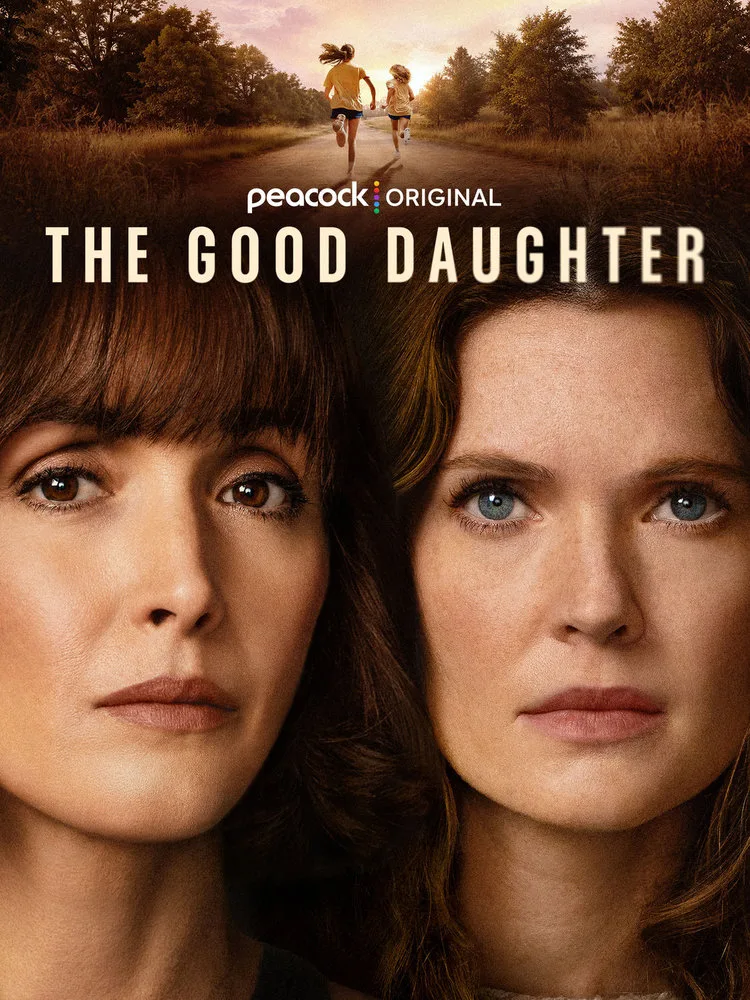
“The past is never dead. It’s not even past.” So wrote the grandfather of Southern Gothic literature, William Faulkner. And you’ll just have to forgive Karin Slaughter and her Peacock adaptation of her book of the same name for borrowing the concept for “The Good Daughter.”
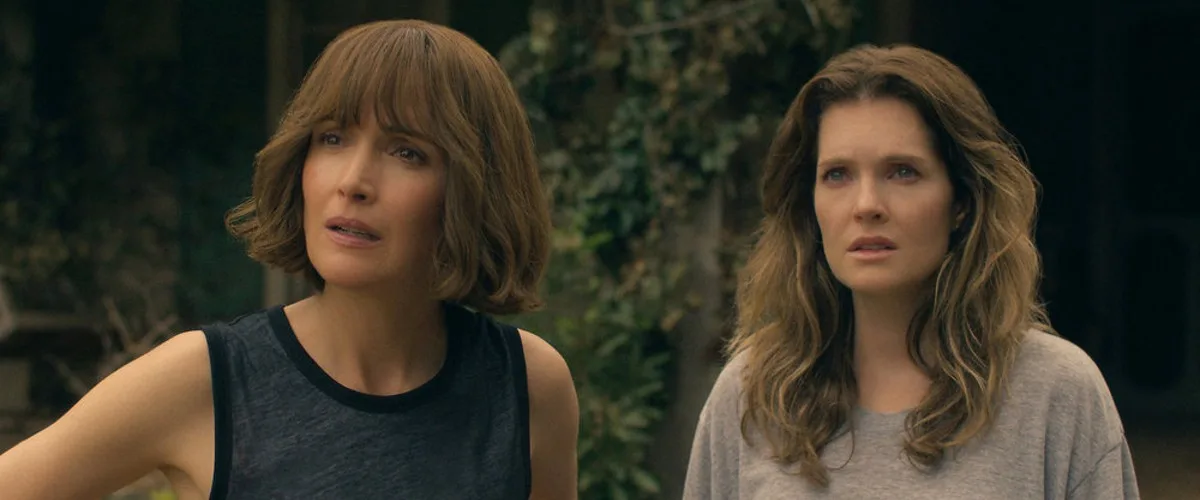
Set in Georgia, the six-part series follows the Quinn family of lawyers (criminal defense attorneys, to be specific) and the violence that ruptures their lives because of their commitment to that profession. Each episode is titled “What Happened to X,” focusing on a different character’s history or background as the primary trio—father Rusty (Brendan Gleeson) and daughters Charlie (Meghann Fahy) and Sam (Rose Byrne)—try to defend their present-day client, accused of a set of murders.
Fans of the book, the murder-mystery genre, and adaptations generally will surely recognize Slaughter’s name, a big player in the field who is also on the small screen via ABC’s “Will Trent.” This show has more prestige ambitions than its network brother, though both are set in a lush South struggling with corruption. And while Ramón Rodríguez has rightfully risen as a star for playing Slaughter’s titular GBI agent, “The Good Daughter” arrives with bankable names from the jump.
With her viral turn in the second season of “The White Lotus,” Fahy proved she can radiate a doe-eyed danger. Here, she’s doing something different, but is no less magnetic. As Charlie, she wears her heart on her sleeve as an adult still navigating the childhood trauma that rocked her entire family. This emotional openness is not simple, however, but layered as Charlie tries to untangle the ways the violence still affects her, hoping to change her patterns to better serve her.
That Fahy steals the show is no slight to an always excellent Byrne; it just shows how dynamic the younger-sister role is. Sam is more of a type—the daughter who left, who went to New York, who wears all black (and shockingly to at least one Georgia judge, pants!). As such, Byrne does a good job, although Slaughter, who serves as showrunner, executive producer, and writer, may have been better served casting a disabled actress who could bring lived experience to Sam’s relationship to her life-changing injury. Sam’s persistent anger does allow her some particularly withering lines, though, like “the usual evacuation plan for disabled people is just to let them die.”
As is probably now evident, there’s a clear prodigal-son element to this show, teasing Biblical themes of family service and moral obligation. But the Peacock series never becomes prescriptive, never decides who the good daughter is. It’s too smart for that and instead stays focused on its careful examination of violence’s relationship to time.
Yes, there are glowing shots of the before time. When young Sam (Audrey Grace Marshall) and Charlie (Drew Cheek) jogged through a sun-drenched landscape. They joke with their whip-smart, much-pressured mother, Harriet (an excellent Olivia Williams). But “The Good Daughter” goes deeper, slowly revealing each character’s perspective on the fateful afternoon when two masked men, angry at Rusty for his lawyering, attacked the Quinn household with only Harriet and the two girls at home. There aren’t easy psychological answers, but rather echoes of pain and perseverance, guilt and love, anger and compassion, all sounding at once and somehow making a coherent melody.
“The Good Daughter” is far from perfect: there aren’t enough Black people in this fictional Georgia (and significantly fewer than in “Will Trent”). For those tracking, the state is just shy of a third African American today, when this adaptation ostensibly takes place (you can tell by Charlie’s wide-legged pants and smartphone). The brunette/blond contrast between the sisters, one dark, one light in all things (hair color, fashion choices, disposition), is silly and distracting.
But the show succeeds more often than not, especially in its most important moments. This is a series with unspeakable pain at its center (murder, rape, abuse) but also so much love. And the love isn’t the saccharine, “heals all” kind, but the gritty, complicated, lived-in variety. There’s Charlie and her estranged husband Ben (Michael Dorman), unsure if they should be together despite their clear respect and affection. There’s Rusty and Rose, where the father had to let her go so she could flourish. We learn he continued to show up for her without so much as a call back for years, and was happy to do it. In contrast, Charlie follows him into the family business, a daily presence. But their relationship is just as complicated, understanding, caring, and emulating each other, even as they grate.
But the most compelling of all is the two sisters’ bond. Their sacrifices, the space between them, their proximity—it all reverberates with an aching love that finds no peace apart. It’s a beautiful portrait of family under extreme conditions that affirms our ties to each other. This grisly murder mystery has more heart by miles than most shows, and it’s clear that loving each other is the bravest thing we can do, especially when hate and violence swirl all around.
Full series screened for review. Streaming on Peacock.