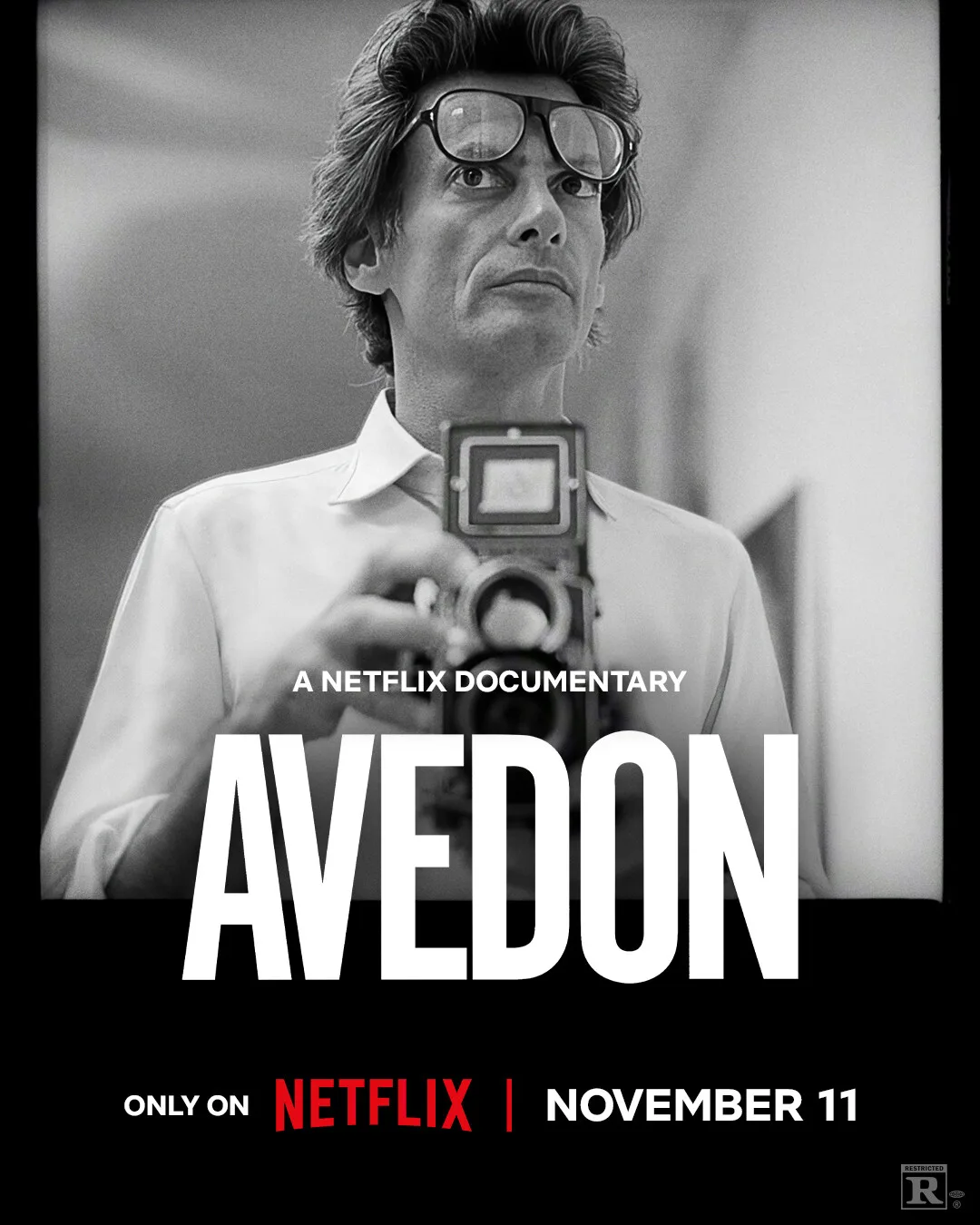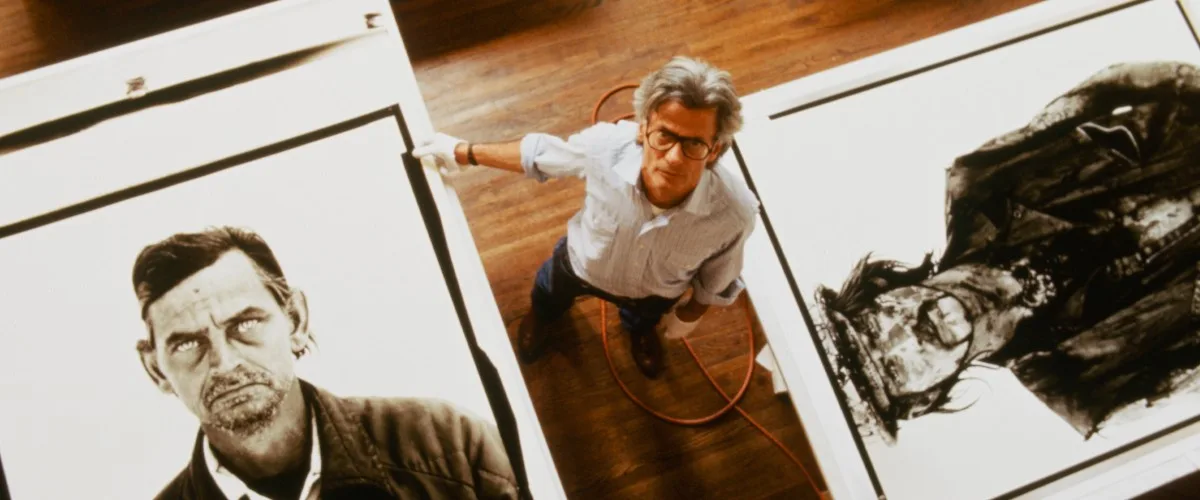
From Michael Jordan and Marilyn Monroe to apiarists and the father of the atomic bomb, there was no sect of humanity untouched by Richard Avedon’s lens. Perhaps the greatest portrait photographer who ever lived, his revolutionary spreads in Vogue and Harper’s Bazaar were no less captivating than his series, “In the American West,” which documented the poor, rural everyperson with an admiration and special consideration you could feel through the page. A venture through his life and legacy, Ron Howard’s documentary, “Avedon,” is an exalting tribute to the man who immortalized himself by immortalizing others.
In his own words, Avedon chose photography because he couldn’t type, read his own handwriting, or think consecutively, but “[he could] see like a son of a bitch.” Cutting his teeth on the routine machination of photographing identification photos for the Merchant Marine, he found that this hyperexposure to an assembly line of faces became the foundation of his worldview: needing nothing more than a face to mine for soul and spirit.
So across his broad spectrum of the world’s citizenry was, generally, the same approach: a bright white backdrop that commanded unyielding attention to the sitter. His own assistants would tell you he wasn’t a technical man, preferring straightforward lighting setups (which he delegated). Scaling ISO, aperture, and shutter speeds was not his prowess; his humanity was. Through bewitching charm and empathy, Avedon harvested an evocative truth from each portrait session. He brought candid energy and movement to a once-rigid standard of fashion photography. He coaxed confidence from the reserved and authenticity from the showboats (his image of Marilyn Monroe being the prototypical example). His portraits had intimacy and enabled the kind of symbiotic projections typically associated with paintings.
Through plenty of anecdotes from friends, family, and peers, “Avedon” uplifts the significance of his work while giving equal shine to the man behind the camera. In harmony with the film’s kinetic pacing is the subject’s own wired charm. Archival footage displays his harried speech and high-strung disposition, standing and moving as if he’s trying to contain an electric charge. Lauren Hutton recalls their 1968 photo shoot in the Bahamas, a four-day project that was three days of play and one day of run-and-gun shooting. Avedon himself testified that he’d “waste” half a shoot’s allotted time as a rule – 50% spent getting loose and 50% of the time spent shooting – an approach that always paid off in the authenticity and intimacy of the image.
Biography plays an essential role in Howard’s documentary, which digs for the motivation and pathos that turned Avedon’s eye into legend. Avedon recalls flipping through his family’s scrapbooks, seeing nothing but smiling faces, a facade that veiled the reality of a painful upbringing marked by misfortune in the Depression, and Louise, his sister, a troubled soul whom he found to be his muse. In these pieces of memoir, it becomes clear that for Avedon, the immortalization of image-making motivates him to capture it raw, honest, and revealing every time. Facade and construction are antithetical to his ethos.
His sociability, combined with an utterly humanist approach, set Avedon’s work apart: he was a portrait photographer, fashion advertiser, and photojournalist all in one. “Avedon” also highlights his desire for representative art-making (far before it was fashionable). He threatened to sever his contract with Harper’s Bazaar after they refused to publish his images of China Machado. They relented. He spotlighted Marian Anderson, a Black opera singer denied permission to perform for the Daughters of the American Revolution because of a whites-only policy, and later photographed that group in a way that was more commentary than flattery. It was included in a book, “Nothing Personal,” that he made in collaboration with close friend and iconic writer, James Baldwin.
Long before Avedon picked up a camera, photography had to earn its respect. Once it did, the practice still had stipulations: rigidities and qualifiers that gatekept which images got the special title of “art.” Fashion images were captured to look like paintings. Avedon made unabashed, unashamed photographs. He made an image not about the clothes, the clout, or the resume, but the root of a person.
He pioneered movement, authenticity, and aura in portraiture, and no photographer today exists without him. “Avedon” makes this clear with boundless reverence and research, bringing together history, testimony, and montages of countless images that flash by in rapid succession yet leave a lasting impact on the mind, much like a negative.