“It Gets Worse” is a thoroughly Gen-Z show; elder millennials and previous generations beware. There are some nuggets for the olds—guest appearances by Andrew Scott and Lena Dunham, both playing delightfully to type. Famed author Zadie Smith narrates, further bolstering the British show’s cross-generational marketing points. But in its aesthetics, hang-ups, and worldview, “It Gets Worse” is not for anyone who’s ever had a Facebook account.
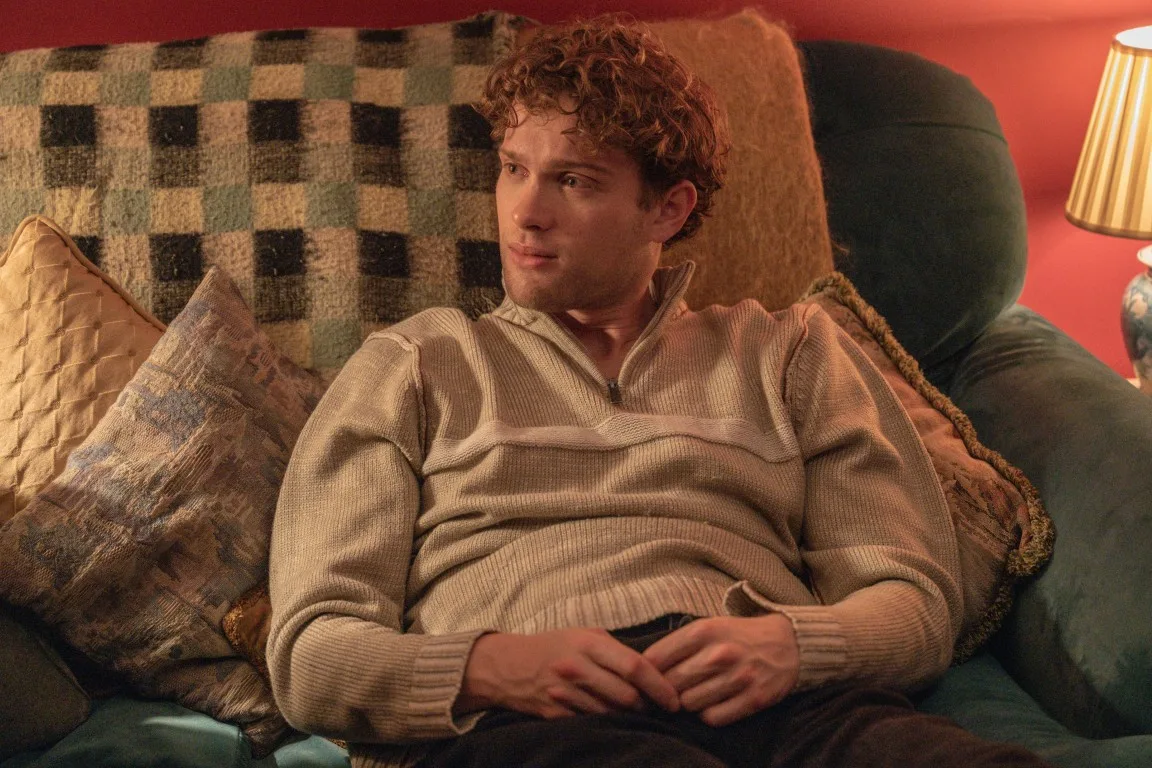
Created by and starring Leo Reich, the six-part first season opens with an episode focusing on his character Ethan. An insufferable 24-year-old, he’s staring down a hole in the drywall of the apartment he shares with his two best friends from university, Abi (Emily Fairn) and Sam (Olive Gray). They have to leave, and so Ethan must fix the wall to get their deposit back. But with no skills (practical or otherwise), he languishes, wasting time instead of completing the task and helping his friends, who need the money.
Sound entitled? It’s supposed to. “It Gets Worse” knows that Ethan is terrible; the pilot opens with the narrator declaring, “Ethan had one of the easiest lives in recorded human history.” And from there, it goes on to follow his misery—this handsome, white, gay guy with a trust fund is thoroughly toxic, unable to show up for his friends or himself.
Thankfully, the next episode pivots as each roommate gets a close look, and then this Showtime/A24 series moves to various groupings and themes within their 20-something-in-London set.

Abi is a striver, working at a tech start-up and hoping that following the rules will make her happy. She’s trying out a demure brand of femininity and hitches her star to a boyfriend (Sean Delaney) with a nice flat. He looks good on paper, but isn’t much interested in her sexually or otherwise.
Sam is a creative, a writer who lands in an artist’s compound, with all its thrills and pretension. She tries to be chill with her ex-girlfriend-turned-flatmate while paying her bill by tutoring (judging and mentoring) younger people, including Jake, a surprising Billy Rilot.
Together, they seem like an unlikely trio, and “It Gets Worse” gives the backstory of their connection in episode four, explaining their initial, negative reads on each other and declaring “they were all right about each other.” But as that episode goes on, the show reveals what cemented their friendship and their most positive estimation of their closest friends. It then repeats the same line about this later judgment: “they were all right about each other.”
This duality is what makes “It Gets Worse” so smart. It opens with its least likable character at his shallowest, then layers on shades of humanity. Ethan doesn’t get better per se—and the show does not explain his pathology (he only jokes about trauma, appearing to have no experience with it), but it does show his vulnerability. He’s not all sex and coke and bulster. There’s a wounded bird in there, just trying to be loved.
Indeed, each of the central three could fit that characterization, their bent feathers poking out of their manicured styles at times. These are folks trying to make their way in a world that feels chaotic and unstable. Now, “It Gets Worse” motions at politics (Ethan regularly decries the state of the world, without naming anything in particular that’s wrong) but it isn’t particularly interested in world events.
Instead, this show focuses on the business of being 24. What’s the right job? How do you advocate for yourself at work? What makes for a good partner? A hookup? Where’s the line with family? With friends?
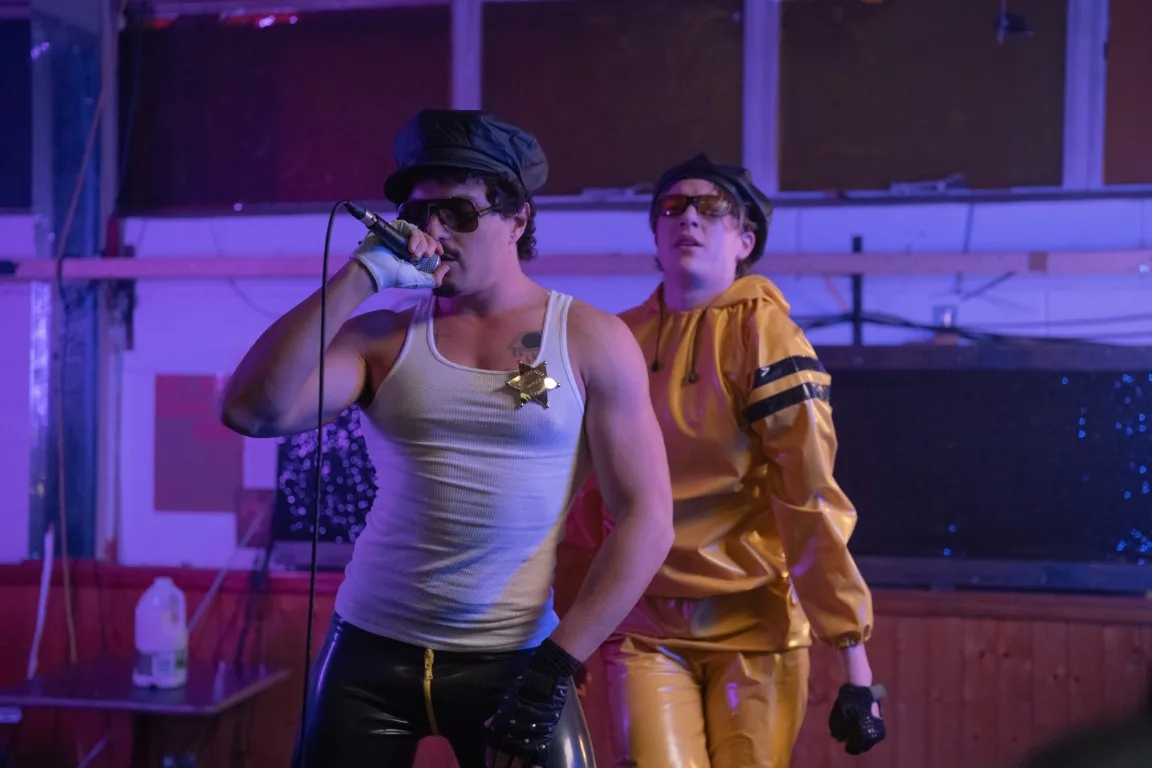
It’s coming-of-age stuff, just a decade later than TV usually pins it to. And “It Gets Worse” knows its audience, its characters, and its world. This is a young, broke London, filled with artists and grungy flats. For those not familiar with this world, the series is both a cold plunge and a gentle weaning—the whole season could be a feature film, but instead Reich measures out the doses, giving us just six 24-minute installments with Ethan, Abi, and Sam.
And to be clear, Reich has real insight into these people, revealed not just through their bad behavior and mistakes (although there’s plenty of that), but also their possibilities. The incisive writing sees these protagonists clearly in all their contradictions, naming and teasing their incongruities as it goes.
For if “It Gets Worse” has a central thesis, it’s that more than one thing can be true at a time. It can be the easiest time in human history, and a privileged manchild can still be in over his head, stuck in a destructive cycle. Abi can be fierce and ambitious with no real clue about what she wants. And Sam can be empathetic and mean, a confident agent in the world who is still far from coming into her own.
And more than that, “It Gets Worse” promises to get better. It evolves over the season and hints at more, with plenty of room to grow. Will Ethan ever figure out what he wants to do? Will Sam make it as a writer? What will come of Abi’s economic ambition? It’s impossible to know. But Reich clearly has plenty to say. And he’s just getting started.