Those who’ve experienced a dysfunctional household know that hope turns toxic when you expect change from someone with no intention of changing. People don’t leave abusive relationships out of fear. But they also relapse and allow the ones who hurt them back into their lives because they want to believe that this time around, whether it’s the second or the tenth, the victimizer might finally keep their promise. It’s an unhealthy bastardization of love, but no less significant for those feeling it.
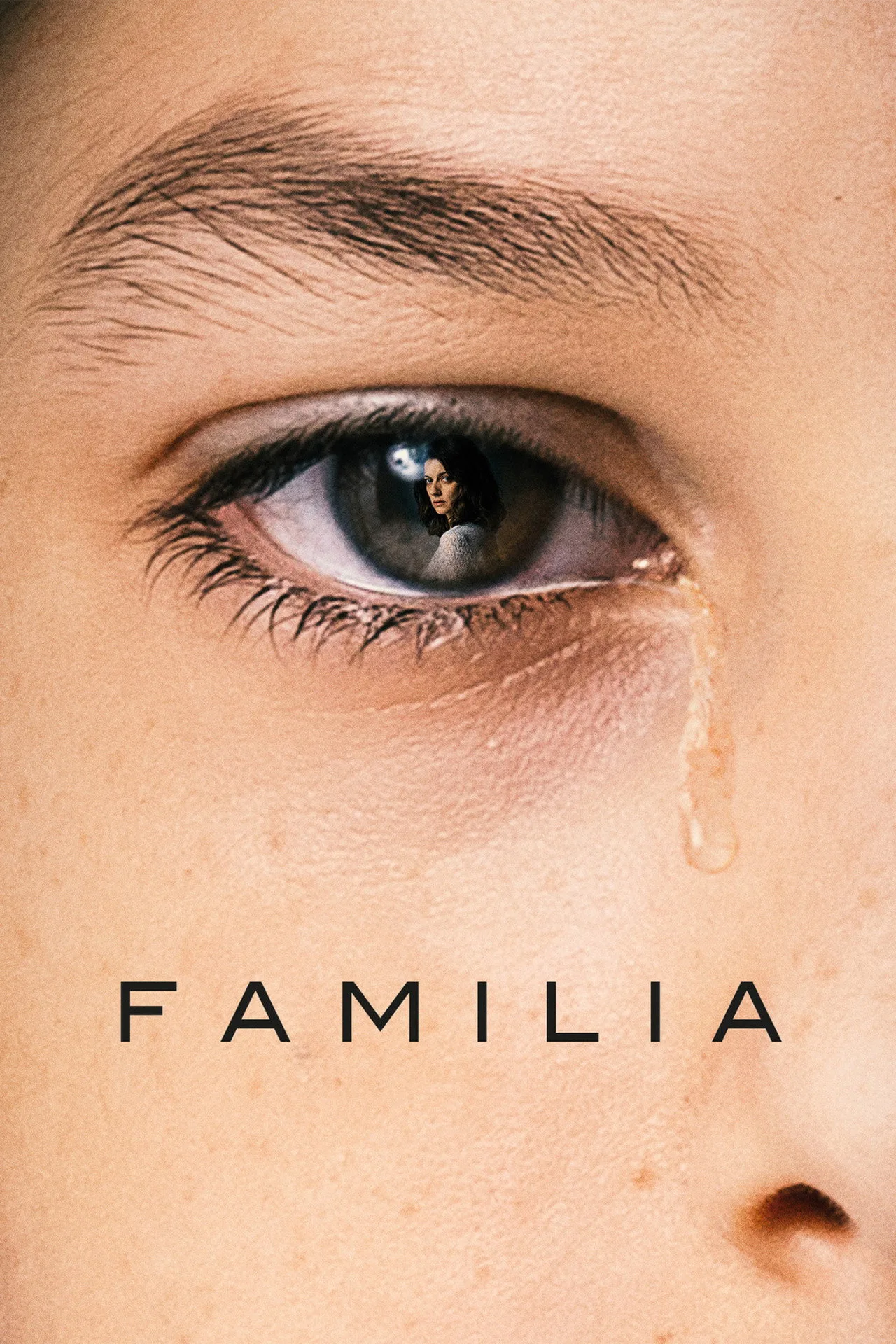
Such heartbreaking ambivalence, suspended between wishful thinking and being conscious of the unpromising reality, is faithfully portrayed in Francesco Costabile’s superbly acted “Familia,” an Italian drama based on Luigi Celeste’s autobiographical novel “Non sarà sempre così” (It won’t always be like this). Costabile’s traumatized characters, a mother and her two sons, display a lack of a clear-cut conviction to distance themselves from the man who’s ruined their lives on more than one occasion. And yet, not once does one doubt that their reactions and decisions respond to a mix of terror and a desire for it all to work out.
That’s the result of the exchanges that Costabile constructs, and how the cast inhabits these moments with restrained rawness. Like when a standoffish Gigi (Francesco Gheghi), a troubled 20-year-old in prison for a brutal attack as part of a fascist group, cautiously welcomes a visit from his intimidating father Franco (Francesco Di Leva). Gigi’s dad, a former inmate himself, has appeared to offer solace after years of absence. Gheghi’s Gigi initially responds with distrust, but when his father holds him and asks them to start over, the adult boy melts into his father’s embrace. For a moment, Gigi believes that Franco may have changed his path. Maybe he’s no longer the man who used to beat up his wife.
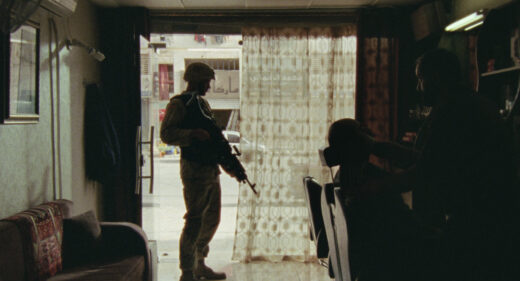
Costabile opens “Familia” with Gigi and his older brother Alessandro as children trying to ignore the sounds of physical aggression coming from their parents’ room. At that age, their father’s return from a stint incarcerated fills them with joy, but Licia (Barbara Ronchi), their mother, knows she’s in danger. When she seeks help, the authorities break apart the family, sending the boys to institutions. Once the narrative jumps to decades later when Gigi and Alessandro (Marco Cicalese) have become men, the filmmaker astutely refrains from leaning on obvious flashbacks and only calls back to their childhood via visually disorienting passages conveying what it felt like more than providing concrete details.
Sharp-faced Gheghi plays Gigi as someone with an air of innocence who is constantly fighting to keep the rage coursing through him from bursting out. His romance with Giulia (Tecla Insolia), also a member of the fascist gang (though she appears much less committed to the clique than he is), includes instances that make it clear the young man could follow in his father’s footsteps as someone who hurts those who love him. It’s Gheghi’s anxiety-ridden performance and childlike smile (both disarming and heartbreaking) that push “Familia” away from obvious depictions of toxic masculinity and into a more complex realm.
If “Familia” hurts for anything, it is time spent on Gigi’s bond with Alessandro, addressing why the eldest son grew up to be well-adjusted while his younger sibling sought brotherhood in a violent organization, even though they grew up in the same household and both experienced the same trauma. In turn, Gigi’s dealings with his fascist comrades, presumably a way for him to find belonging, feel brushed over and simplistically resolved. It’s unclear how much of their ideology he shares and why he ended up among them. Costabile and his co-writers Vittorio Moroni and Adriano Chiarelli leave the character a bit off the hook.
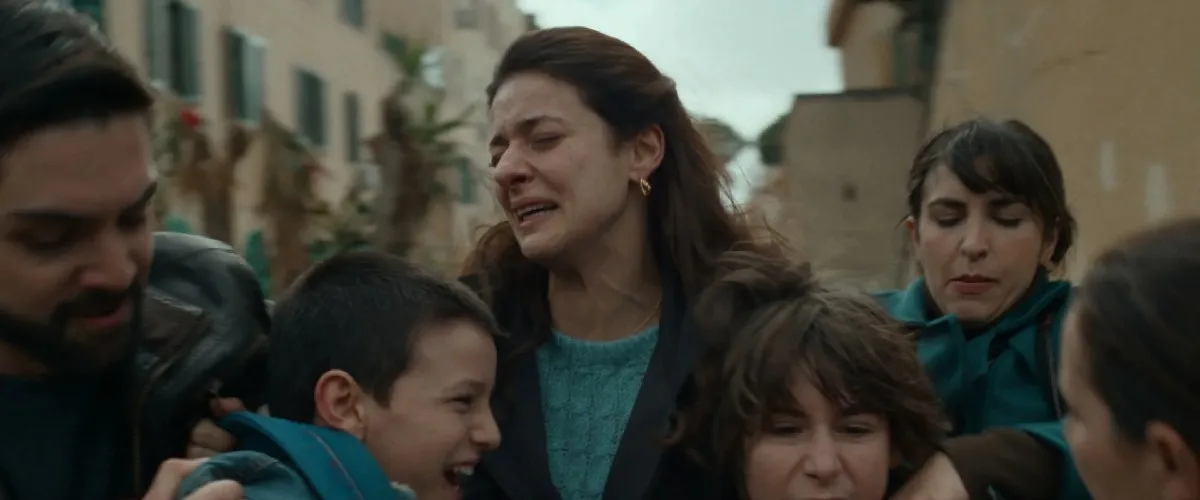
Just like Gigi, Licia, a vulnerable woman, also falls for Franco’s façade of reform. He shows up at her job unannounced after reestablishing contact with post-prison Gigi and weasels his way back into the family. For all the misguided testosterone permeating “Familia,” Ronchi stands out for the way she imbues Licia with a sorrowful strength born of what the character has endured. Even in the quietest moments, or when a shy smile crosses her face, a palpable, unshakable fear lingers in her eyes.
Within days of the parents reconnecting, the four family members are living under the same roof again, having dinner together. Costabile, through Licia’s nervousness and Alessandro’s understandable rejection of Franco, communicates that the forced fairytale of a happy home could turn into horror in the blink of an eye. Franco, Di Leva’s menacing gaze says more than any verbal threat could. The power dynamic is always in his favor because he behaves as if he has nothing to lose and plenty of unresolved anger to inflict. Escaping the cycle, as it’s ultimately proven, will require fighting Franco’s fire with fire.
An elegant production with measured visual flourishes, “Familia” tells a familiar familial story. But Costabile’s precise understanding of the fluctuating feelings his characters experience and his casting of actors who can hold all those shades help him conceive a searing picture of a family’s collective private hell.