Director Jordan Firstman’s “Club Kid” hums with the kind of specificity that would make the chronically online (ideally those who are also in the queer nightlife scene in NY) feel seen. But its narrative bones are steeped in the universally relatable struggles around balancing the pursuit of pleasure with the responsibilities of growing up. Those who enter this cinematic dance party aware of Firstman’s online persona might understandably expect something more irascible and obnoxious than the final product, which laces its sincerity with carnality.
Firstman stars as Peter, an underground party promoter who runs a successful club with his business partner, Sophie (Cara Delevingne), but the years of late-night partying, whirlwind hookups, and incessant drug consumption have taken a toll on his body and mind. In the midst of this rut, he learns he unknowingly fathered a son, Arlo (Reggie Absolom), who spent his first ten years abroad in the UK. When Arlo’s birth mother passes, Peter begrudgingly becomes the father who steps up, aware that having a child fundamentally changes his life, while wrestling with how this reality both liberates and restricts.
As Peter navigates the throes of fatherhood, he learns a lesson that’s hardest for any caring parent: caring for your kid doesn’t mean shielding them from what is uncomfortable about the world, but being present when they have questions about what they experience. Additionally, Peter’s struggles with adulthood are unique in their stressors: does maturing mean assimilating to heteronormative standards about parenting? How do queer people track their growth when the demarcations of adulthood are not as easily defined as they are for straight people? Firstman’s film explores these questions with a dizzying rhythm, soundtracked by classic and modern club hits you can’t help but groove to.
“It’s complicated though because the club is where [queer people] show up for each other, where we see each other. I think that can still create a space to create rituals, but we need to keep a better eye on it as opposed to just getting rid of that structure,” Firstman shared.
After being the life of the party at Cannes, Firstman invited many others to partake in the film’s cinematic riches across TIFF, NYFF, and the Chicago International Film Festival. At the latter’s stop, hours before he was set to introduce the film and receive the Breakthrough Award, Firstman spoke with RogerEbert.com at the Ritz-Carlton, where the writer, director, and star spoke about choosing the film’s soundtrack, the enduring influence of author Bruce Wagner on his creative life, and discerning when it is time to leave the party, adapt to the party, or start a new one.
This interview has been edited for length and clarity.
Your film has an unapologetic specificity. There are, of course, references like “mama lets research,” but I also know that you educated the straight crew–such as DP Adam Newport-Berra–about gay lingo like “gaggy shots.” Tell me more about getting these details right and how you balanced being niche without alienating those who might not be as dialed in as you.
Jordan Firstman: It’s a bit of a “one for them, one for me” mentality. That’s why I have so much physical comedy. That sequence where Peter pushes Arlo is broad and can be universally seen as a beat of humor, same with the double throw-up moment, and in exchange, I get the “Miley, what’s good?” meme and “thank you The Can.” I grew up on the internet, and I love memes, and when people quote them, I think you can tell a lot about people.
In the scene when the Miley Cyrus quote is being reiterated, Peter is trapped in the bathroom with these annoying gays who can’t stop quoting TikTok. I’m not just throwing these references in here just because. My friend called it Chekhov’s Gina Rodriguez because that sequence sets up the “mama lets research” line.
I love finding clever ways to teach the audience and creating characters who can act as entry points for the uninitiated. That was part of the inspiration for having the cousin at the beginning who needs to have certain drugs or lingo explained. I know it is corny, but truly everyone is invited to the party, and I didn’t want it to feel exclusionary even if you don’t get a reference.
On the note of relevancy, when I was talking with my friends about the film’s soundtrack, they mentioned how the Slayyyter song you chose, “Crank,” is quite hot right now, which meant that you had to have a finger on the pulse to include it.
When I was editing the scene where Peter is searching for Arlo, I was going through some options that weren’t quite landing, but “Crank” had just come out. I don’t even think the full album had been released yet.
Yeah, Worst Girl in America came out in March of this year.
But I’ve known Slayyyter as a friend, and the song felt very modern but also very scary, especially in the club. On TikTok, it sounds really fun, but in that context, it becomes frightening and intense. We made some fun edits to stretch certain parts longer to fit the scene’s vibe.
What inspired the choice for “Swimmers”?
It’s been saved on my Spotify for years, and it was always on the movie’s playlist. There were two songs on rotation for that montage, but I ultimately went with that one because it has a nice melancholy to it. The sequence where it plays feels a little bit ’90s, even the way I crossfade the shots in the window. For that moment in particular, I was watching “Basquiat” for some of those shots.
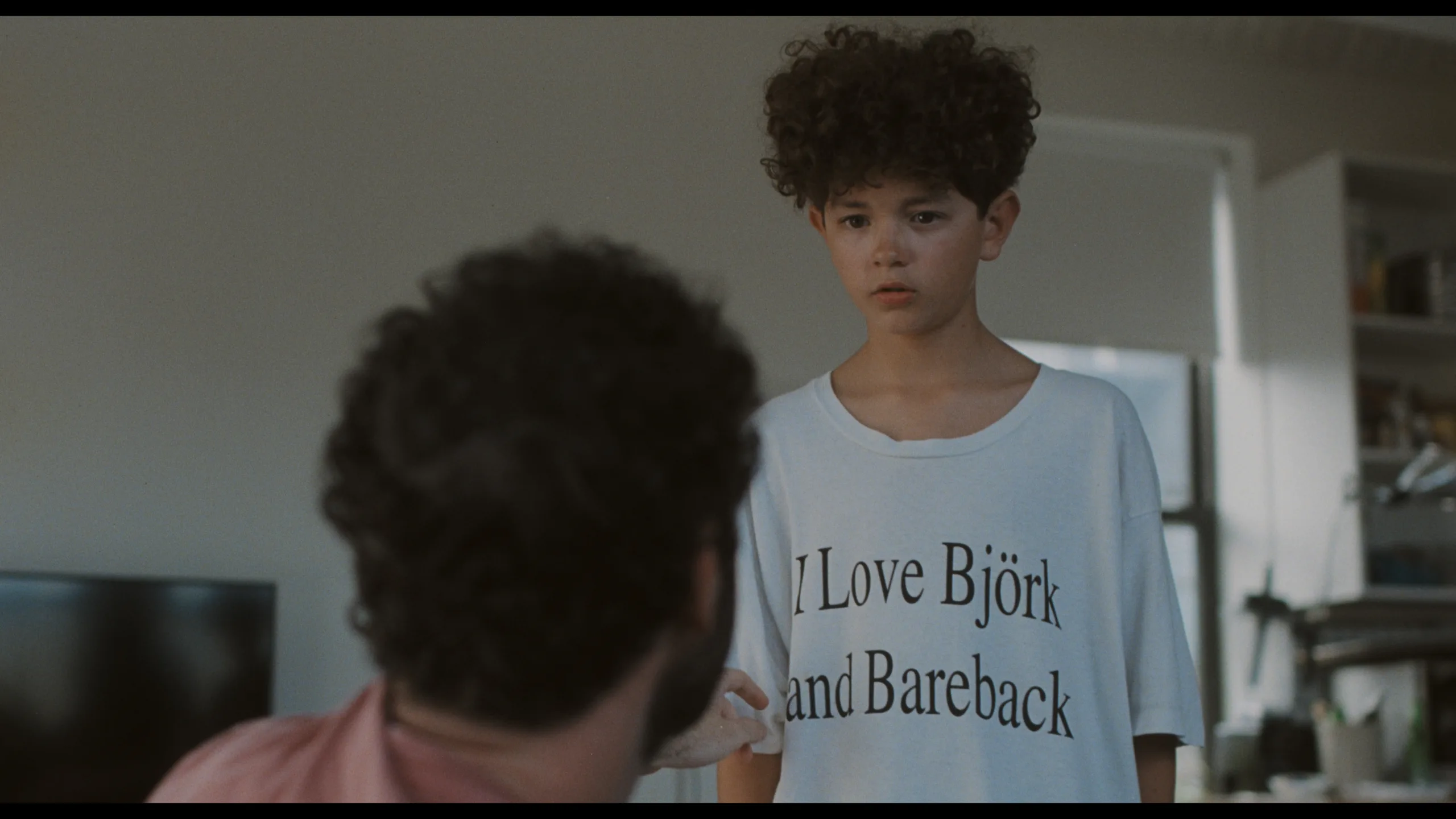
You’ve mentioned how kids, in so many ways, for straight couples, act as this sort of marker for adulthood development. For queer people, that “rite of passage” is not always there, so it’s easy to believe that you are developmentally stunted. I’m wondering if you can speak more to that idea as it relates to “Club Kid.” How have you created rituals for yourself to mark growth in a world otherwise bereft of them?
I feel like us queer folk have Peter Pan syndrome for sure–that’s why the character’s name is Peter, by the way. I don’t think we need to, though; I think the club is a space where we find the family unit and structure, but not the growing-up structure. We also live in an age where gay men specifically have found a way to have really high-power jobs and party all weekend. They do live this double life. You go to these parties in New York, and you see surgeons do cocaine, and then they go to work the next day and do open-heart surgery.
It’s an interesting time to observe what gayness and party culture have become because I do think we’ve, in some ways, veered away from the community aspect. I think when gay guys were partying in the ’70s, they were also rioting on the streets. They had a camaraderie that defined them in and out of the club. I think when you take away the fight, and you just have the party, then it leaves you empty. That’s the arc of Peter’s story.
It’s complicated, though, because the club is where we show up for each other, where we see each other. I think that can still create space for rituals, but we need to keep a closer eye on it instead of just getting rid of that structure.
The film has definitely made me pick and choose when to be present in that space. I’m making sure to nurture friendships outside of the party, have dinners with people, prioritize phone calls and lunches, and not just have party friends. I do feel like when I left the scene–I’d say I now party once a season–you do lose friends. It’s like if you quit a job, you’re probably never going to see most of those people again. That space is now a place of release and fun for me, but it’s not the habit it used to be.
I was definitely thinking about what it means to be good friends with people when so much of how you relate is tied to a certain activity. How do we maintain friendships as adults, or what does it mean to be a good friend as you age?
It’s funny, I’m not going to say what I’m thinking about for the next thing, but this topic is something I’m hoping to explore in it.
What strikes me is that the film isn’t a condemnation of the party scene. It can be a hard line to showcase its difficulty and hardship but also celebrate it.
Listen, I’ve had transcendent experiences at the club. I’ve talked to God on the dance floor. I believe in the power of drugs, to be honest. But I also believe that like anything good, too much is too much.
You’ll finally give us the answer for how to be friends as adults. I was listening to your album, Secrets, on the way here, and a song that has stuck with me was “Mother’s prayer.” In that song, your mom literally speaks to you about the pitfalls of “the immediacy of sharing your gifts in the world.” How do you think about patience, serendipity, and timing in relation to art-making? Do you think this is something you could have made before?
I appreciate you mentioning that song. There are nuggets of wisdom there, and it’s beautiful to make that connection, although I think when the album came out, it was too esoteric for people. With “Club Kid,” I think everything came together at the perfect time. I’m happy now, in hindsight, that I didn’t get to make the stuff I wanted to make before because I came into this project seasoned and had some sense of knowing what I was doing.
I’ve been in this industry for over a decade. I’ve been in writers’ rooms; I’ve directed, I’ve acted in so many things. People–critically, let me note that this is not me saying this–have been saying that this feels fully formed for a debut. I believe in timing, whether it is God or the universe, and while the film touches on a variety of subjects, I think the emphasis on timing is a thematic core. A person can come and change your life, and the transformative power of love can disrupt your notions of the world, which is what Arlo does for Peter and vice versa. You never know when love will come, and you can’t look for it, but when it comes, you have no choice but to change.
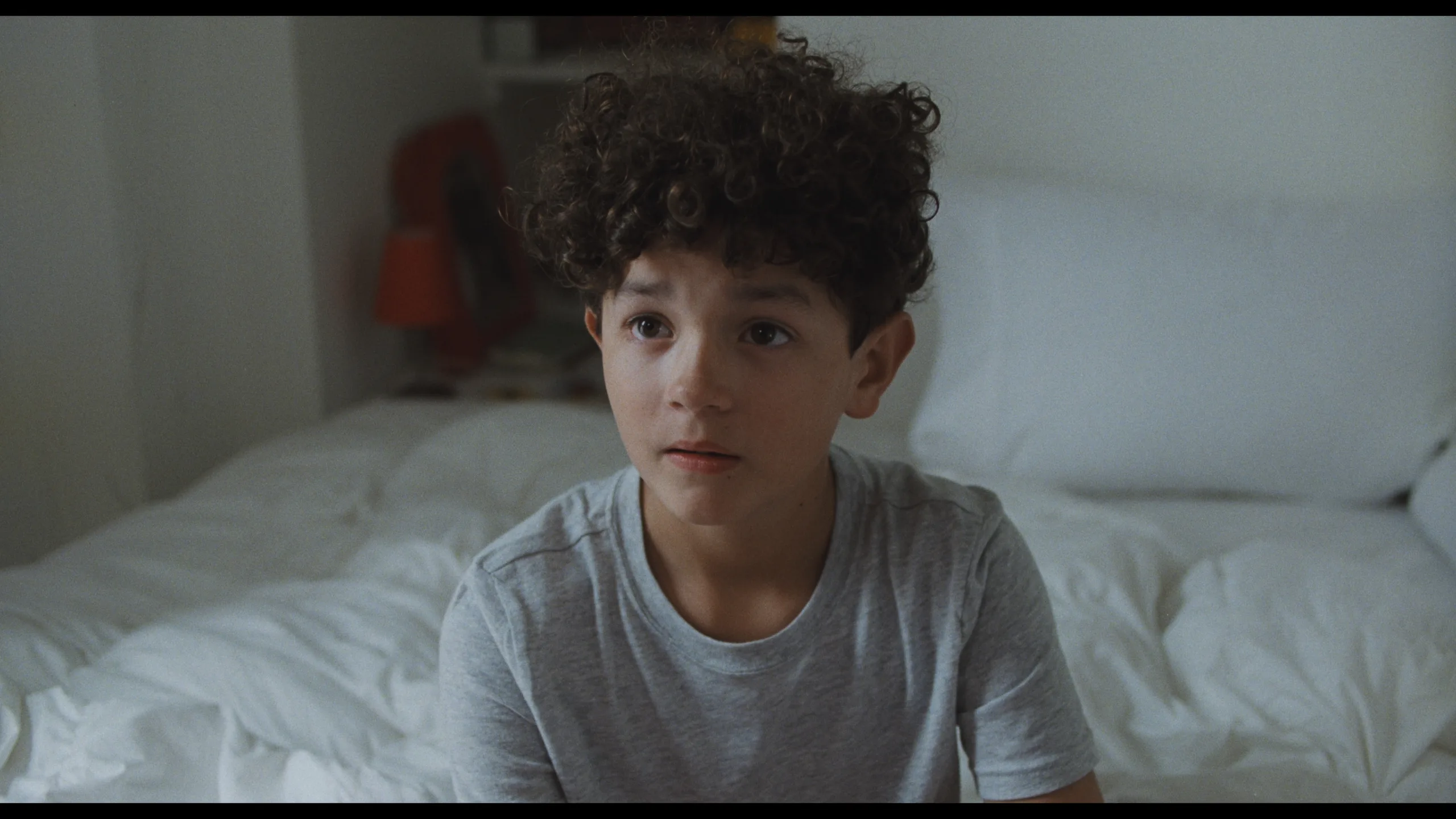
I read that your sister and her wife have a kid–a daughter–thanks to you, in that you’re both the uncle and biological dad. Speaking of timing, it’s interesting to note that your daughter/niece was born after you wrote the script, and now you’re getting ready to release this film into the world.
Yeah, she’s such a great baby, and my sister is so happy. It’s cool to be like, “Whoa … that is a part of me even if I’m not raising me.” I’ve definitely been a deadbeat uncle and dad because this year has been so busy (Laughs). The kid is so good, smiley, and well-behaved and doesn’t cry that much. I’m not sure if that experience has changed my perception of kids, but it’s beautiful to see my sister so happy. Her daughter was born in the last week of production, actually, speaking of timing.
Now your second kid, “Club Kid,” is getting ready to come into the world. You have cited author and writer Bruce Wagner as a mentor and influence. When I think about his work, like “Maps to the Stars,” it is both apocalyptic and spiritual, as though he is trying to make a guidebook for how to cling to hope in our times. I’m curious whether you can trace any influence his work might have had on the film?
Bruce’s work hinges on this idea of total surrender. I think his idea of freedom and God is surrender, and that comes with death. I don’t know if you’ve read Marvel Universe: Origin Stories, but it definitely traffics in those themes. Earlier you were talking about specificity and memes, and I’ve been inspired by Bruce’s specificity. I think reading his work subconsciously helped me be specific in a way that felt true to me.
When I first read his Marvel Universe: Origin Stories, I didn’t know that much about him, and so I was like, “There’s no way a 38-year-old gay guy didn’t write this.” Then I met this 70-year-old straight man, and I was like, “What the fuck?” He’s a spiritual mentor to me beyond the artistic and creative stuff, and he talks me off a ledge.
I think with the spiritual work I’ve done with the ayahuasca and other things, I think there is just an unspoken hope that I will always have because I’ve seen beauty and I’ve just seen things. It would be hard for me to be a complete cynic, given some of what I’ve experienced. I think using my work to get those messages across is, hopefully, for others as much as it is for myself: that we have the power to change, and that it isn’t too late to change. There’s no time limit, and we have to remember that even if it feels like our personalities are developed and it can feel like it’s all over.
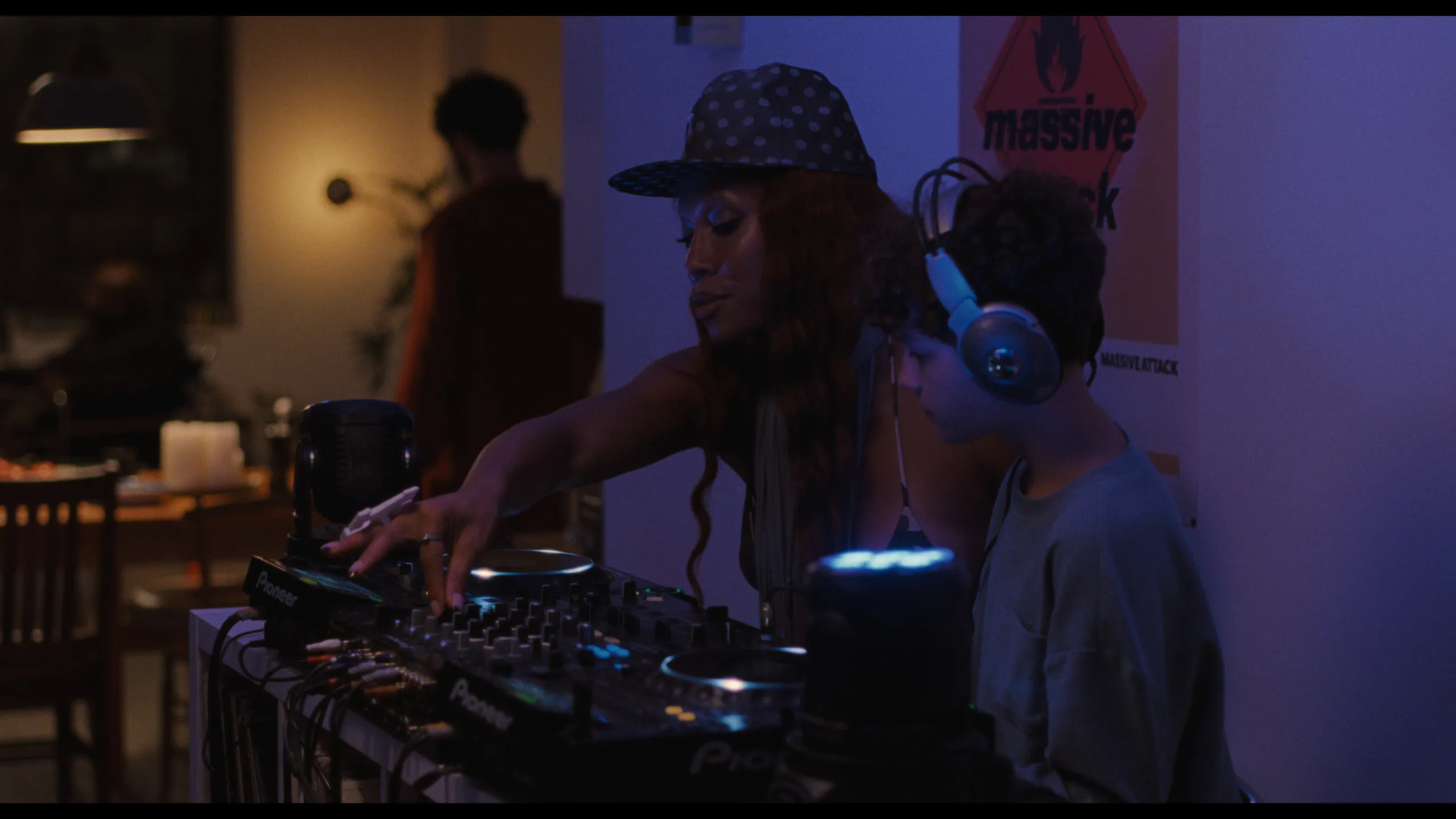
So much of your work revolves around the depiction of sex and exploring sexuality. I’m curious what your thoughts are around the notion that Gen Z wants less sex in their films. “Club Kid” focuses on intergenerational relationships, but what happens when one generation feels estranged from the other?
Sex has always been a big part of my life, and this is the least sexual work I’ve probably ever done. Even the Oscar stuff feels so tame. I love the moment where Peter asks for a hug from him because I feel like it’s so not gay, and there’s a stereotype that we’re right to sex all the time. Sometimes all we need is a hug, and it’s rare to let things happen naturally, to have sexual chemistry with a guy and let conversation take its course first.
To your point, though, it is interesting because we just had our first college screening of “Club Kid.” They went crazy; I didn’t really get a chance to talk to them after, but I’m wondering what Gen Z gets from this movie. They were into it, but they also haven’t even lived the life that I’m talking about, yet they felt something in it.
I know shooting on 35mm was important to you, and one benefit is that you can see the nuances of performances. Was there a moment when you were watching playback that surprised you or affirmed: “This is why I wanted to shoot in this format.”
I don’t know if this defends it or not, but when Peter goes back to Arlo and tells him he’s going to stay, the drama of that performance lives on my face. When Adam first did that shot, and I was like, “Girl, I’m never using that shot. It’sway too close. I hate the blurry background.” Even during the edit, he would try to sneak it in, and I would always say, “No, we’re not using that shot.” Then, once we reframed the scene, the camera could capture both of us deciding, through our microexpressions, that we are committing to being in each other’s lives.
I’d point to that moment as the moment I fall in love with Arlo and embrace him, and capturing that nuance feels like something only 35 mm film can do. Reggie makes this little facial expression, and to me that’s where the movie shifts, where Peter says, “Okay, I’m in this now.”
“Club Kid” is in select theaters on November 6, via NEON.