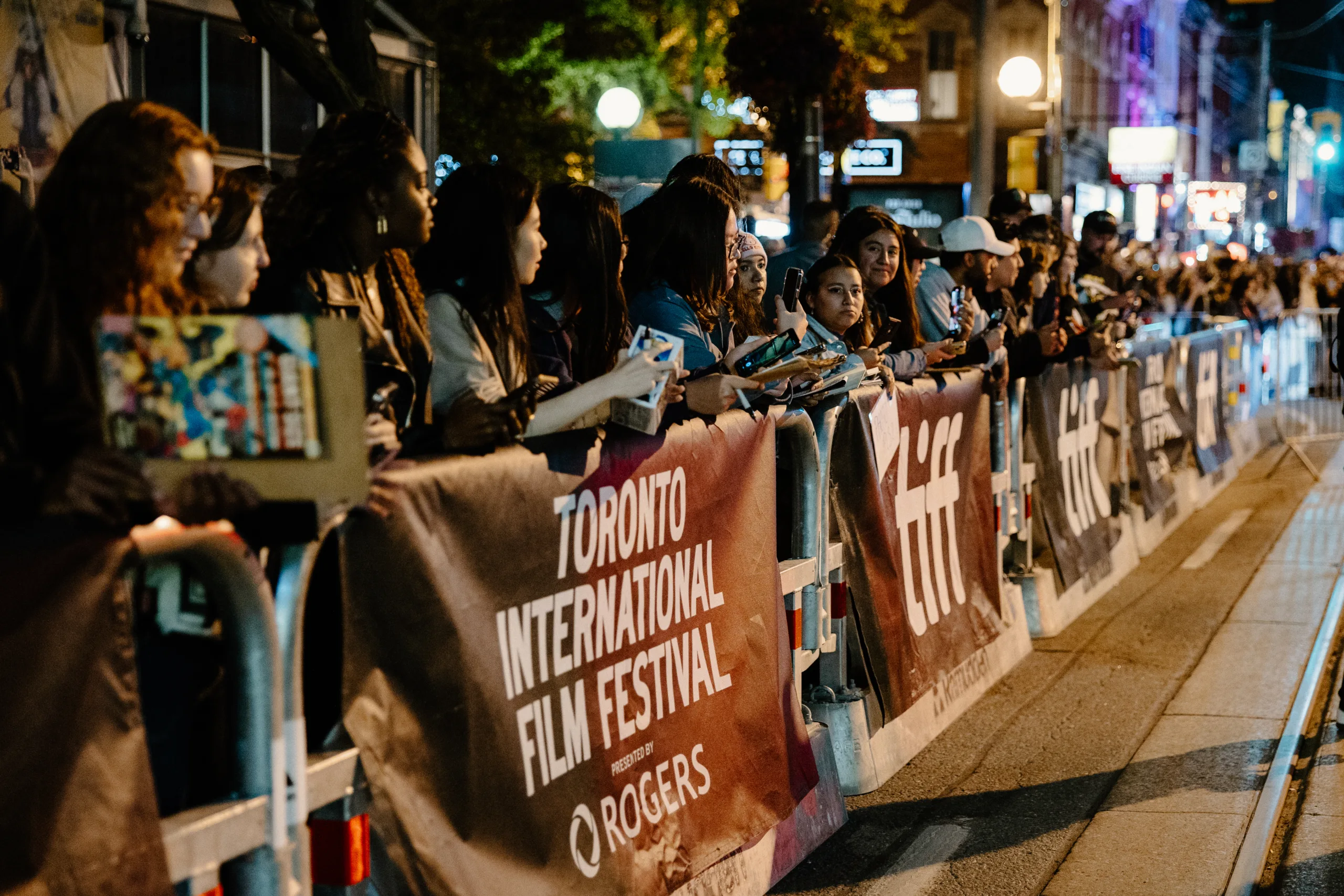
The 51st Toronto International Film Festival has wrapped, the culmination of eleven days showcasing hundreds of films, with thousands of patrons experiencing some of the best (and worst) of world cinema in 2026. A half million people came down to King Street on the opening weekend as part of the festival’s activation, taking in food stalls, art installations, and simply wandering the area trying to capture the vibe of the event.
This year marks another major transition for the festival, with their market endeavour taking over the convention centre just south of the TIFF Lightbox central venue. With tens of millions in funding, this market is a direct attempt to not only compete with the likes of Cannes, Berlin, the AFM and other major players on the industry side, but also to maximize the incubation of future projects that when birthed at this festival may return as part of the programming slate.
Putting this part of the event together has been a major endeavour, and it seems to have directly affected the way that screenings operated both for press/industry badge holders and the public alike. The screening schedule, always requiring a delicate balancing act to ensure ease of operation for theatre staff as well as the ability to see as many titles as possible, has never been more egregiously prepared. Almost two dozen titles would be stacked at the same time with giant gaps later in the day, with the opening days more crammed than ever, further making it seem that TIFF is really an opening weekend-only festival in all but name, especially when it comes to the major titles that are garnering international attention.
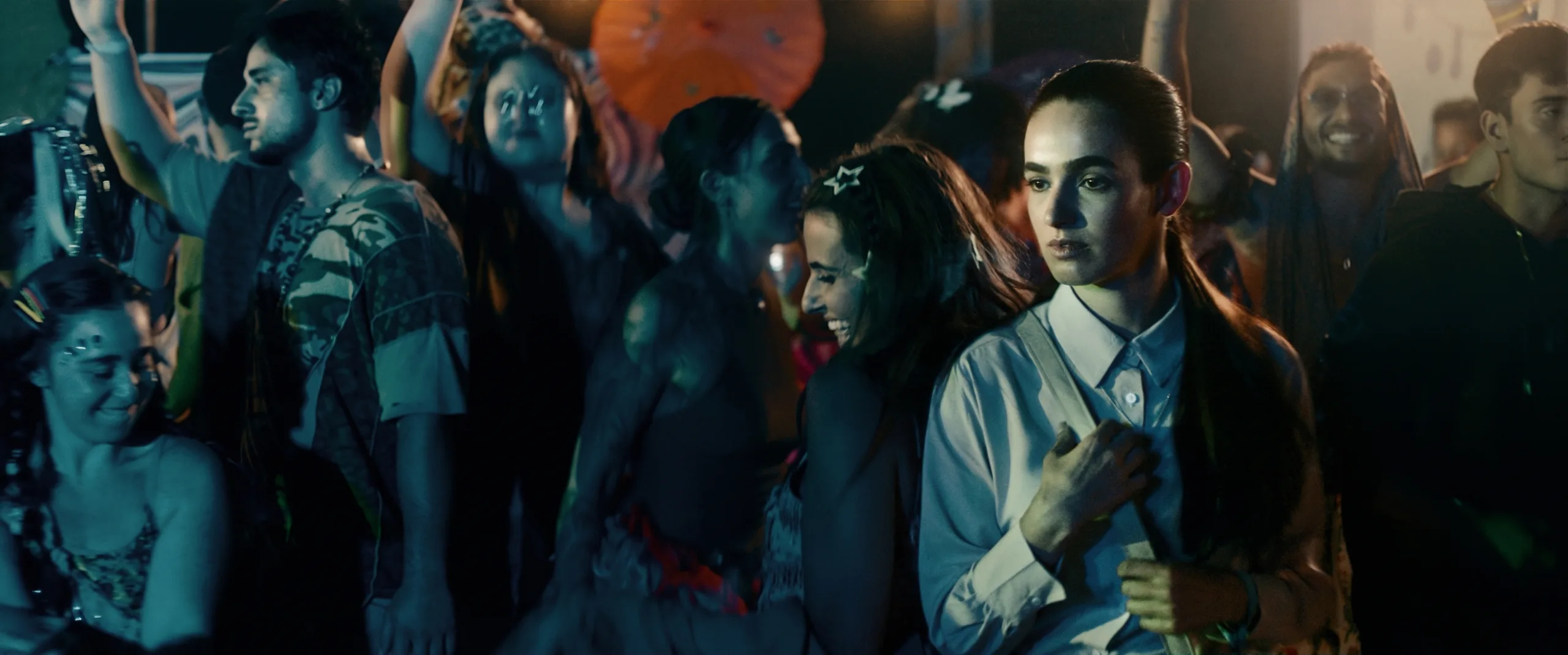
That said, there’s still plenty to celebrate about what was showcased, and there were direct improvements after the debacles of the last few years. Avi Nesher returned to TIFF for the fifth time with “Our Loves,” and during my conversation with the filmmaker he talked at length about what it meant to showcase his film here in the city, as well as a genuine desire for these cinematic spaces to be open to voices of all kinds. Hanaël El Yousfi’s “Daughters of Abraham” deftly tackled cultural divides with this gorgeously realized drama. Similarly, the Canadian/Ukrainian production “The Betrayers” was a hidden gem, tackling moral complexity and human frailty in fascinating ways, all enwrapped in the thorniest of issues including the Russian/Ukrainian conflict, the lingering scars of Soviet-era injustice, and the sordid vagaries of the Israeli political system.
TIFF did manage to snag a slew of World Premieres that were worthy of celebration, including the People’s Choice Runner-Up “I Play Rocky”. An ebullient telling of the story of Sly Stallone’s breakout film anchored by an astonishing take by relative newcomer Anthony Ippolito, the film had audiences cheering. Peter Farrelly garnered a Best Picture Academy Award after debuting “Green Book” here back in 2018, and Toronto may well be another launching pad for more Oscar glory.
TIFF Opening Gala “Being Heumann” by “CODA” helmer Sian Heder got plenty of plaudits, as did Bassam Tariq “Your Mother Your Mother Your Mother” and its standout performance by Mahershala Ali. “Closing Night” didn’t get as much love as I think it deserved, and the exceptional performances by the ensemble led by Naomi Watts and Sarah Paulson provided one of this year’s highlights.
Yet it was the Cannes titles like “Club Kid,” and especially the People’s Choice Winner “La Bola Negra,” that found their true mojo here. Neither film took top prize in Cannes, but local audiences deeply embraced both films, with A24’s multi-million-dollar gamble proving to be a wise one with the former, and the latter establishing itself as a front runner from NEON for this year’s Best pic race.
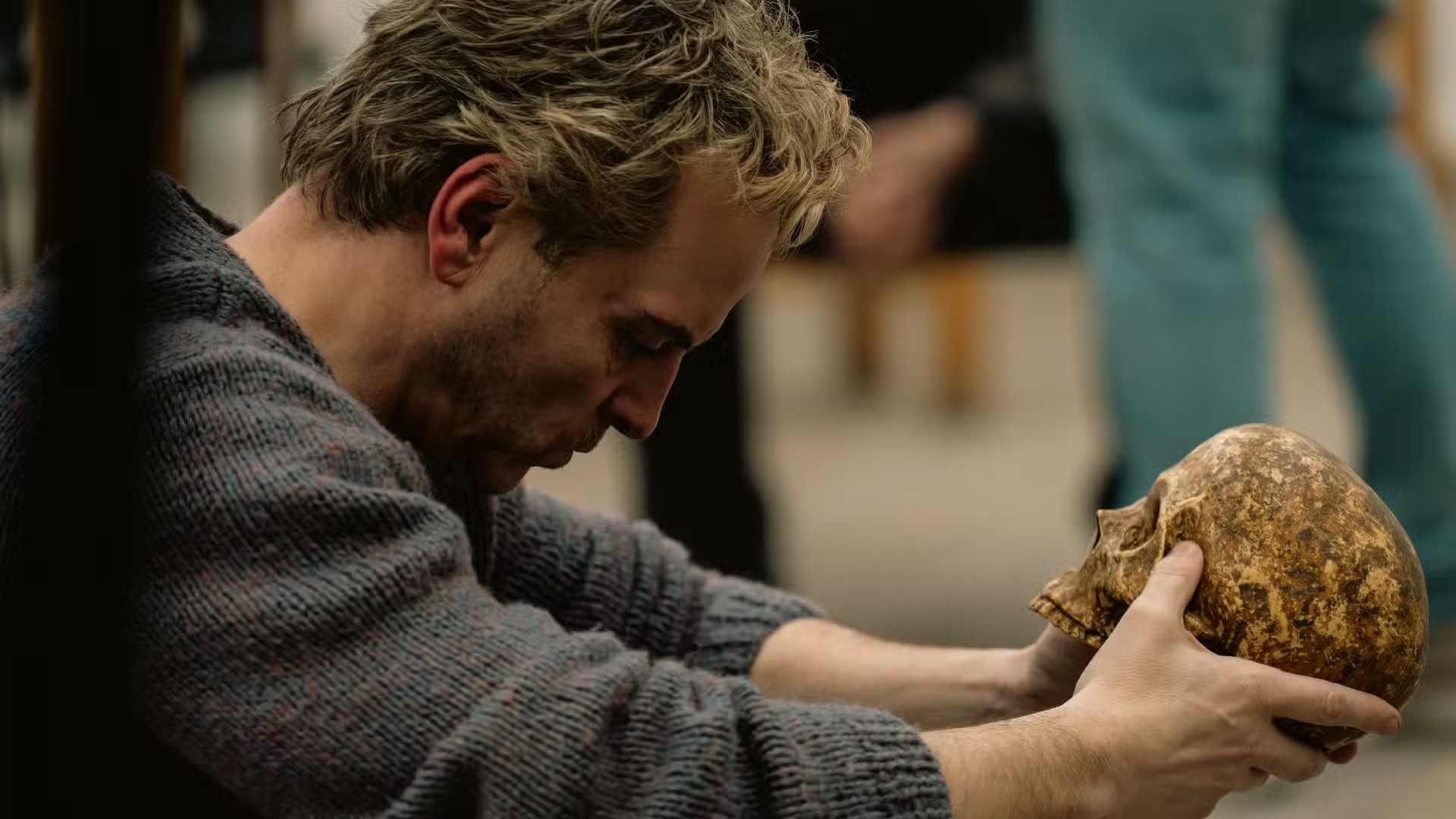
Other exceptional Canadian debuts included the Telluride-premiering “Elsinore” and “Everest: The Other Side.” The Andrew Scott drama took the International People’s Choice Award (the juggling of math to move “La Bola Negra” to the main slate leaving this film to triumph), and I was enthralled by a Shakespeare film by people that actually read the play and deeply understood its meaning. “Everest,” meanwhile, may in fact trump the sublime “Free Solo” by the simple fact that Elizabeth Chai Vasarhelyi and Jimmy Chin’s documentary finally asks the most profound questions: should this film itself exist, should these adventures continue, and is the cost of capturing these incredible images worth the human cost? Screened on the giant IMAX screen, this was one of those gloriously cinematic experiences with deeper philosophical undertones that one craves from such an event.
Another Telluride title, “The Debut,” was absolutely one of the best to play here, and audiences lapped it up. Jesse Eisenberg’s wonderful ode to artistry, with mid-film applause-generating takes by Julianne Moore and Paul Giamatti, is heightened by the film’s most glorious element, the perfectly pitched score by the writer/director/producer/ensemble star himself. In a casual conversation with Eisenberg, we discussed the miraculous music from Christopher Guest’s “A Mighty Wind” as an influence, his glorious use of suspended chords on the eminently hummable tunes, and how easily the show-within-the-movie could open without changing a note on Broadway. I’m desperate for the soundtrack to be released on vinyl to join other masterworks that toe the fine line between clever and stupid such as “Walk the Line,” “Original Cast Album: Co-Op” and John Mulaney’s “The Snack Lunch Bunch.”
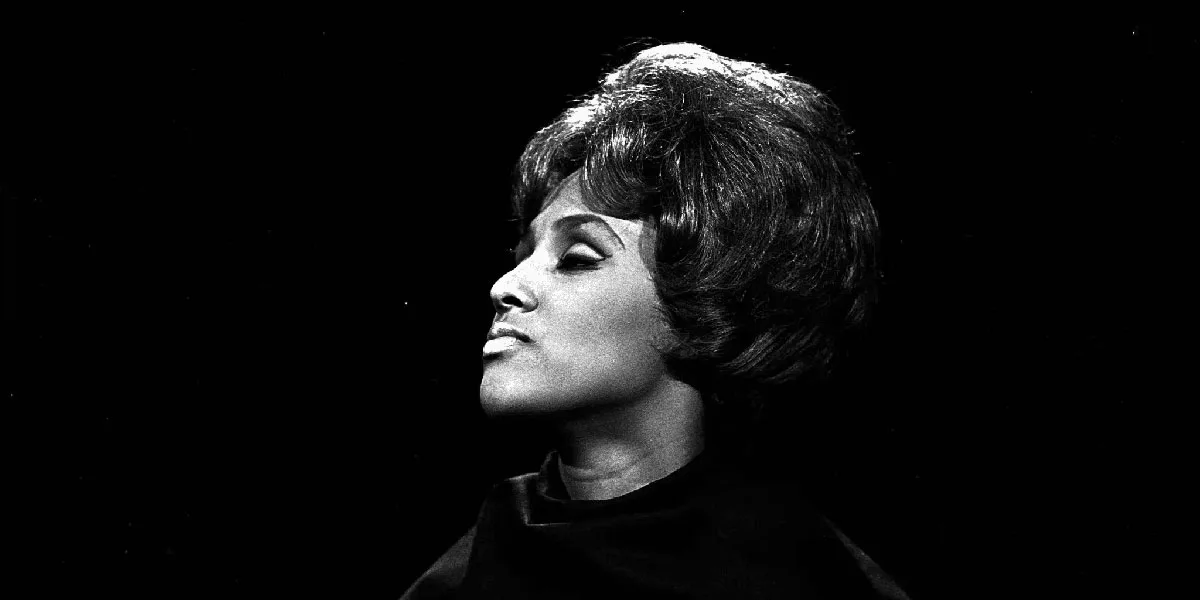
Documentaries are a highlight of any TIFF, and this year saw some absolute stunners. “Rescue,” tackling the migration crisis on the Mediterranean, is a stunner, and Sine Plambech’s gorgeously rendered and deeply nuanced take easily one of the best of the year. Doc winner “Darlene Love: I Know Where I’ve Been” is a sympathetic and musically sublime portrait of this legendary figure, a more focussed dive into the artist’s life and career following the Oscar-winning success of Morgan Neville’s shatteringly excellent “20 Feet from Stardom”. “Re/pair” is a fascinating film about the need for hard conversations, while “Black Sunflowers” showcases the tumultuous changes within Ukrainian youth culture during a time of war.
“Neil Peart: No One’s Disciple” dives into the musicianship of the late-Rush drummer in exemplary ways through the use of some of his friends behind the kit, while Joss Crowley’s “Pretenders” doc manages to tease from the band’s mercurial lead singer nuggets from Chrissie Hynde’s past that will sate fans of this iconic band.
There was no work that had a bigger divide between the lackluster programme description and the resulting film than Michael Maxxis’ magnificent “Gail”. Tracing a tour run by a Yonkers-based superfan obsessed with Canuck alt-rockers Our Lady Peace, this exquisite rumination on the highs and lows of audience obsessions results in a highly specific yet profoundly universal film that’s simultaneously hilarious and chilling. I dubbed it the “‘Grey Gardens’ of music docs,” and remain astonished about just how well it navigates the many pitfalls that stood in the way of its success.
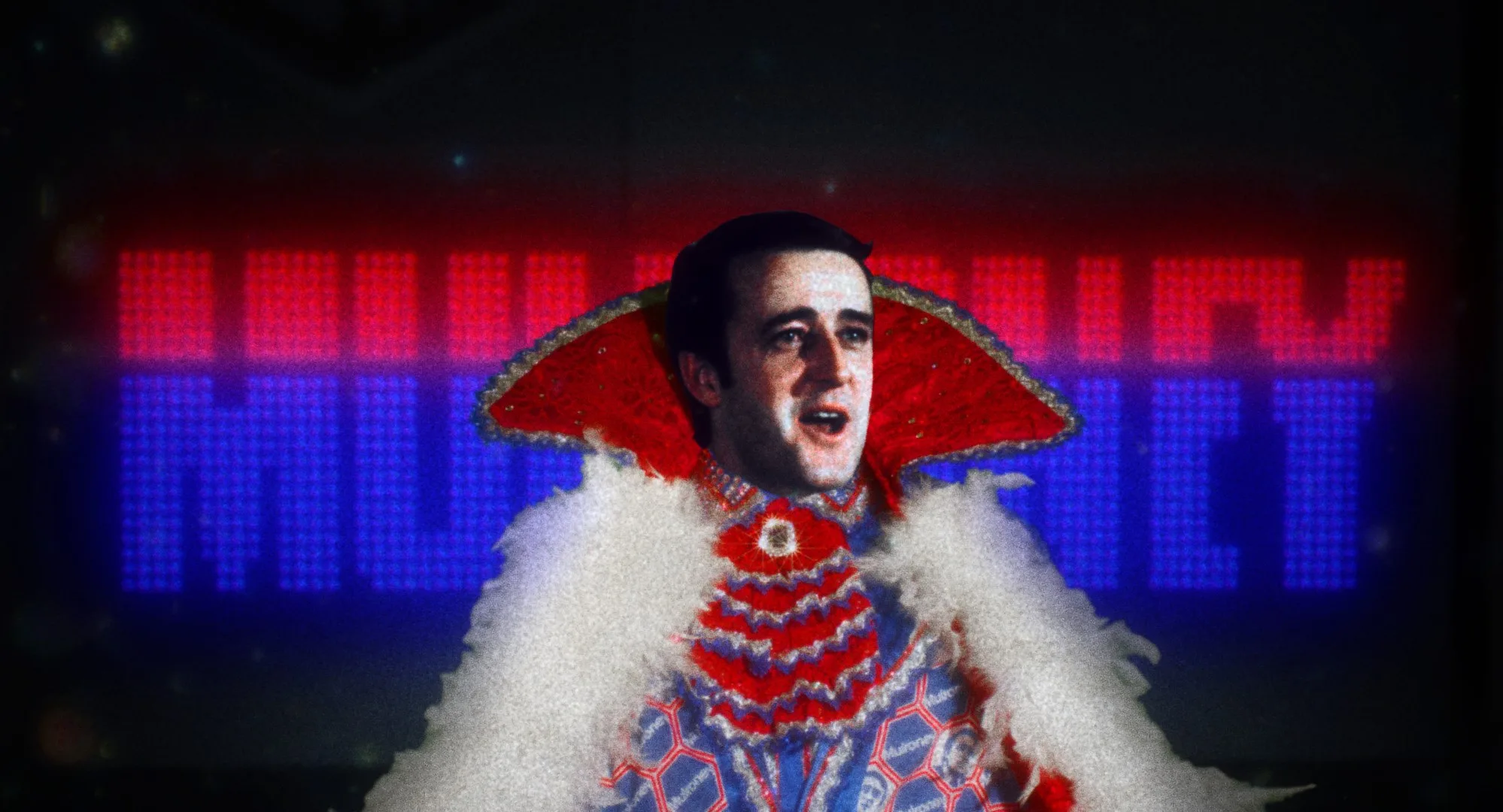
Then there’s Matthew Rankin’s ribald, ridiculous, revelatory “Ladies and Gentlemen…Brian Mulroney.” The winner of the Midnight Madness People’s Choice Award, I had little faith this psychotronic political screed would work with the youths, many of whom were born well after the former Prime Minster held office, but I should have had more faith in this filmmaker’s brilliance. The mindbending fragmentation of actual historical elements merged into a handcrafted animated assault on the senses is as silly as its is sublime, yet again establishing the singular voice of this most remarkable of artists. Simply put, this film illustrates the greatness of my nation in all its nonsensical beauty and contradictions in way few works of art have ever been able to muster.
Changes made by the Academy have bolstered one section of TIFF to truly international importance, and that’s the juried Platform section. Meant to highlight films without distribution, since its inception the juried prize has already been an also-ran to the increasing number of People’s Choice winners. This year, however, TIFF joins the other members of the “Big 6” (Busan, Cannes, Sundance, Berlin, Venice) to have its prize mean automatic acceptance for any non-English winner to be eligible for Best International Feature consideration. For politically challenging films this is a boon, and this year’s winner, Theja Rio’s haunting “Angh,” set on the Indian/Burmese border, is the perfect example of a work that will greatly benefit from this bypassing of restrictive national nominating committees.
In terms of misfires, there were, of course, a few, but none compared to the vomitous “The Last Photographer” by Zack Snyder, truly one of the worst films I’ve seen showcased in such a major venue as I’ve experienced in three decades of attending this festival. My cry of “Apocalypse No!” resulted in the usual level of death threats and other nonsense on social media from the cultish fans of the filmmaker (one who I freely have championed in the past when deserved) yet I worry more that my describing just how abysmal the film is the more that certain filmgoers will masochistically seek it out rather than those receiving glowing praise above.
Time will tell if TIFF’s standing continues to slide as Venice, Telluride and a rising NYFF continue to drain some of its lustre. Its powerful role as the prime launching pad for the great films of the year has certainly abated, but there are still few events on the planet that come close to this range of cinematic expression gathered in one place open to the public to explore. The past few years have seen quite a few missteps, be they logistic or artistic, and that downward trend remains concerning. Yet there were still more than a few moments of pure joy to be experienced in 2026.
Toronto remains firmly in the conversation among the most important film showcases on the planet, and we can only hope that next year sees continued improvement, that the market mayhem is tamed, and that a redoubling of efforts is made to ensure that this storied festival continues to thrive well into its second half-century.