The 27th San Diego Asian American Film Festival takes place November 5th-14th, and I have the pleasure of serving as the festival correspondent for RogerEbert.com. Boasting 190 films–its largest program to date– the line-up represents films from over 30 countries and 30 languages. The festival has long been one of the country’s leading showcases of Asian and Asian American film, and that’s evident not just in the sheer breadth of the programming but also in the curation process.
As is the case with festivals that take place later in the year, the team at RogerEbert.com has seen and covered some films playing, and ones I can personally guarantee are worth viewing (and that I anticipate to be in the film conversation for years to come) include gems such as “All of a Sudden,” “Let Us Through Dear Ancestors,” “Take Me Home,” “Bedford Park,” and “Arrested Memory,” to name a few.
Personally, I’m excited to catch higher-profile films that have eluded me at other fests, such as Hirokazu Kore-eda’s “Look Back,” and animated gems like the opening-night film “In Waves” and “We Are Aliens.”
The festival has divided its films up into seven sections: “Special Presentations,” “Asian American Panorama,” “Asia Pop!” “Masters,” “Unknown Pleasures,” “Classics Restored,” and “Shorts.” Of note, I’m most excited to check out the “Classics Restored” section, which includes four films: “Charlotte Sometimes,” “Eve and the Fire Horse,” “Good Neighbors,” and “Just Like the Weather,” that have been revived in all their detail and glory. It’s touching that the festival makes room to celebrate stories that have contributed so richly to on-screen depictions of Asian and Asian-American experience.
As I gear up to head to the festival and inevitably redo my carefully planned-out film schedule, as is custom when trying to cram in too many movies in too little time, I’m reminded by what “Beef” creator Lee Sung Jin told me when I spoke with him earlier this year: “The Asian American experience is that we contain multitudes. There isn’t even enough time or real estate for us to cover all of it. So my hope is I get to keep finding new slices of our experience to highlight.”
Indeed, no monolith or standard blueprint exists for the Asian and Asian American experience, and the films in this lineup are living proof of that diverse vitality. This will be my first time attending the festival and the first time covering one solo on behalf of the site; it is my deep honor, and you can expect full reviews, dispatches, interviews, and more thoughts on the ways the city influences the cinematic scene and vice versa.
For those already attending, living in the area, or feeling emboldened to plan an impromptu trip to the fest, more information on how to get there and get tickets is here.
As you plan your schedule, here are some titles I’m looking forward to and that will probably pop up in my coverage of the festival.
The SDAFF team graciously provides the following synopses.
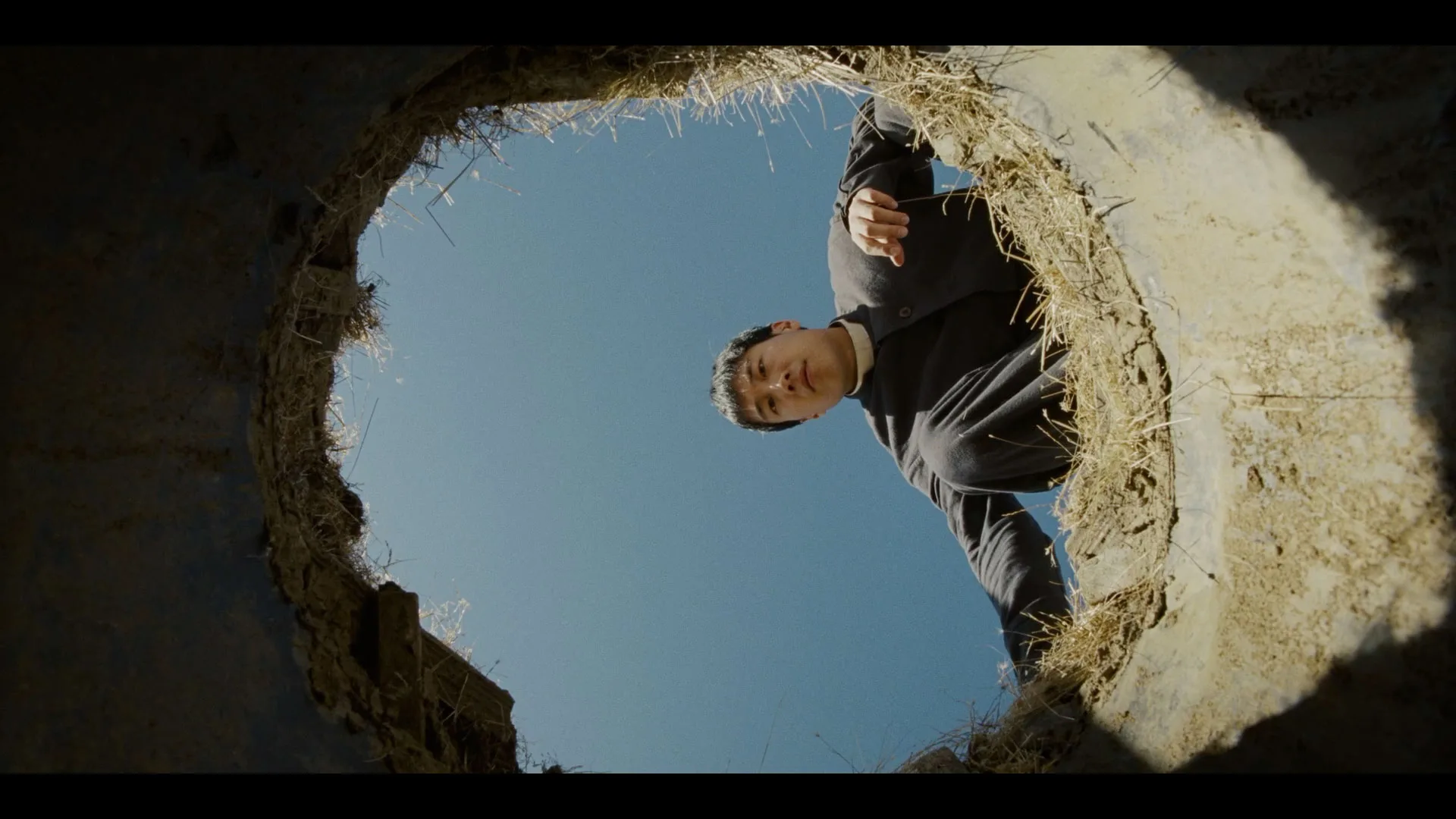
“Via Negativa” (Special Presentation)
Young Mazino (“Beef,” “The Last of Us”) continues to raise the temperature on screen, this time as Father Dan, a holy man with a feral coyote, hellbent on leaving no vow unbroken as he barrels down a long winding road toward reckoning.
After complaints about his eccentric sermons, Father Dan is suddenly a priest without a parish, or a home for that matter. Dan leaves Oregon on a pilgrimage of a different sort to Cheyenne, Wyoming, to grieve the passing of his high school friend–swigging whiskey in between dispensing free absolutions for lost souls in the parking lot. Along the way, Dan attracts unlikely companions, wildly spinning with their own invisible injuries, as grief’s gravity pulls him toward the dark heart of estrangement.
Adapting a novel by Daniel Hornsby, Hannah Peterson’s moody, simmering “Via Negativa” channels the great American road trip–its weird highway attractions, entanglements with strangers, and lonely urges lashing around in a heartland of depopulating churches and geographical wonders repurposed into teen watering holes. In this barren terrain, Mazino is a tortured and taut bundle of lost bearings, of pain seeking purpose, a man who could just as easily burst into tears of salvation or rain upon the world like a million flames.
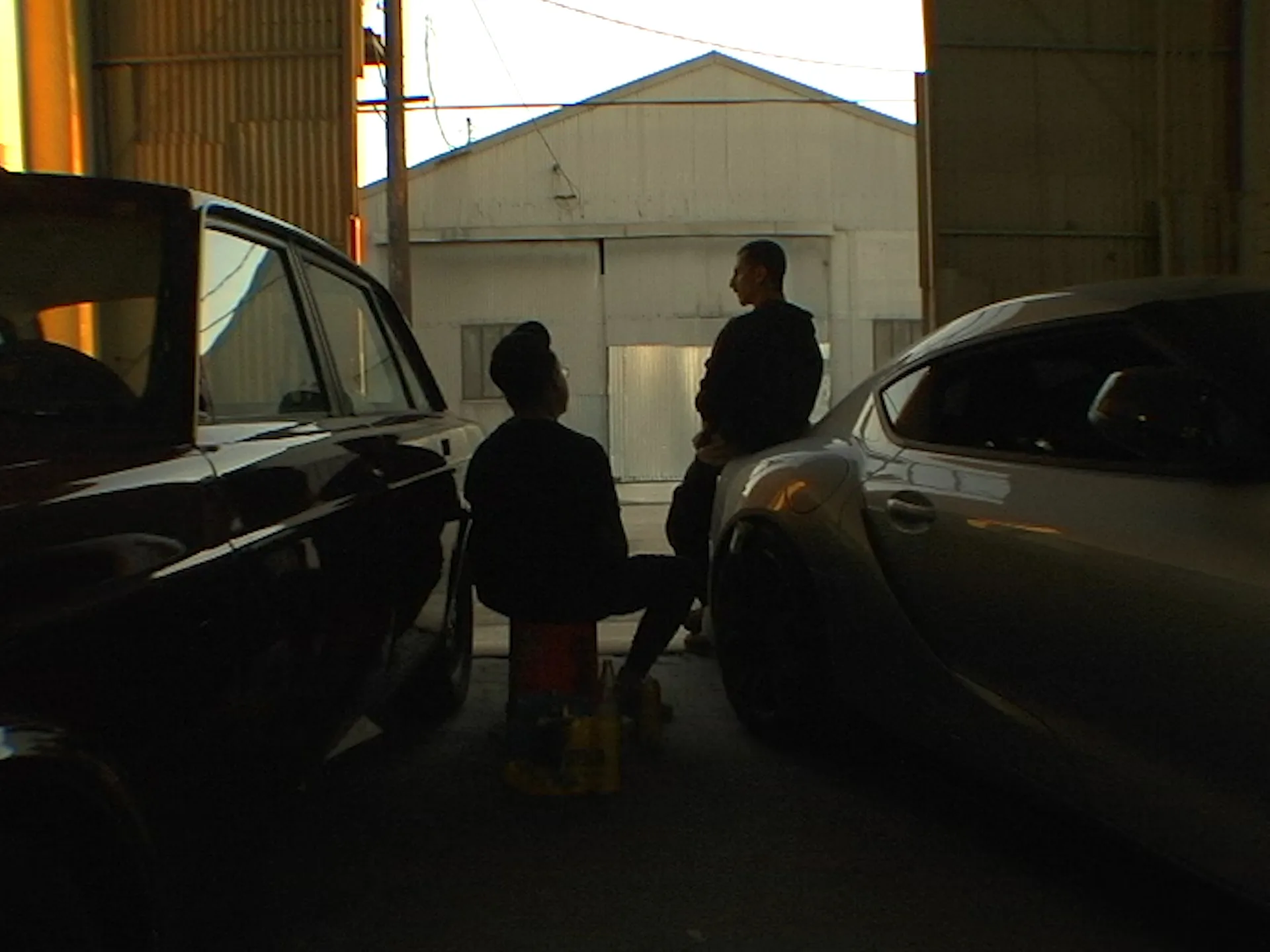
“Tycoon” (Asian American Panorama)
Flames reflected in a red sports car door: the year is 2028. LA prepares for its Olympics with the traditional corruption and repression. A new pandemic in the food supply has made GMO cockroaches the best available source of protein, and of course they’re not cheap. Somebody’s got to break into a delivery truck—a great opportunity for the right pair of rise-and-grind bandits.
Charlotte Zhang’s debut feature follows two outlaw-entrepreneurs, played with a puppyish charm by Miguel Padilla-Juarez and Jon Lawrence Reyes, as they scrounge, scam, and grift, just like the CEOs who control the cockroach supply. Zhang’s handmade, diaristic approach mixes political urgency with intimacy, capturing stray moments of care, bullshitting, and breakups. MiniDV, iPhone, and grainy Xerox images cut against each other as frame rates shudder and whites get blown out.
LA films ranging from Lost Highway to Transformers have imagined the end of the world in a bonfire of rubber and chrome. Like them, Zhang sets her apocalypse to roaring engines and thrumming interiors. But cars are also where romantic oldies play on the radio. They’re homes you take with you. The footage Zhang films at street takeovers, kids spinning out their cars in careening loops of speed and noise, aren’t signs of end times. They’re communal resistance to despair—joyrides.
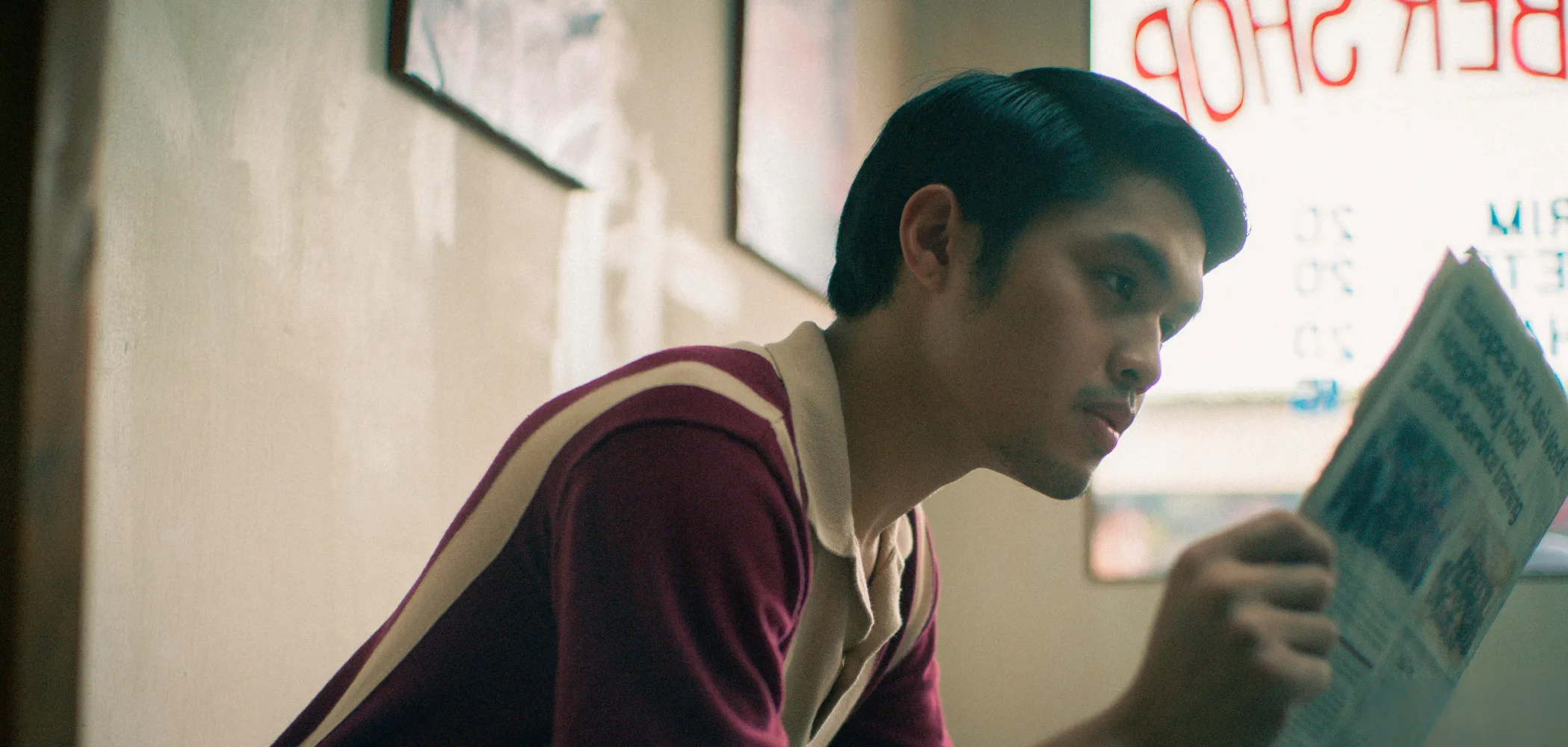
“Edjop” (Asia Pop!)
How do people get justice when the executors of the law manipulate it to benefit the already rich and powerful? This is the very question that fabled activist Edgar Jospon was killed for trying to answer; the same question his triathlete daughter, Joyette, has been running from her entire life.
Before he was the revolutionary activist Edjop, Edgar (Elijah Canlas) was a devoted student of law and justice. The son of a successful grocer, he grew up educated among the wealthy in Manila, optimistic about the mutual interest in the common good. That is, until 1969, when Ferdinand Marcos’s campaign spending overwhelmed the Philippines with national debt, inflation, and peso depreciation, spurring social turmoil. From his beginnings as a respected student leader in the First Quarter Storm, EDJOP follows Jopson’s propulsion into life as a revolutionary—sacrificing a life of affluence and fatherhood for the greater good.
Framed by Joyette’s navigation of her familial trauma, EDJOP recalls the faint memory of the Philippines under martial law, which continues to haunt the present. Jodi Sta. Maria delivers a masterclass performance as Joyette, celebrating the outspoken organizers and heroes we too often take for granted. Director Katski Flores cuts through the brutality of martial law with the community joy and unity behind revolution, envisioning a better future for all through a united front against corruption.
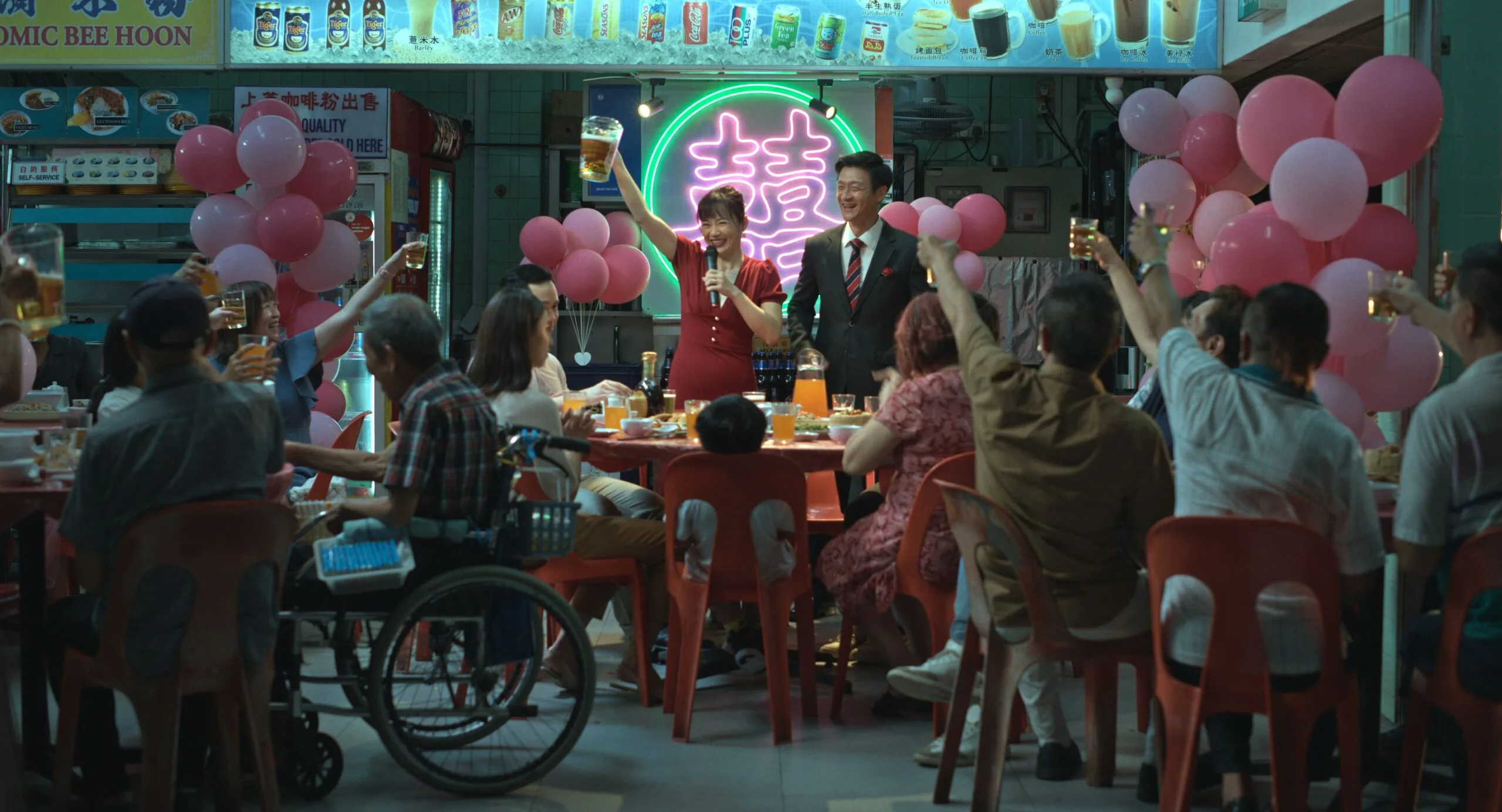
“We Are All Strangers” (Masters)
It is 2025, the year of Singapore’s 60th anniversary. Boon Kiat, a restaurateur running a kopitiam (a traditional Southeast Asian coffee shop), and his son Junyang both find themselves falling in love. Boon Kiat develops a crush on Bee Hwa, a beer promoter, while Junyang secretly dates Lydia, a model student from a more affluent family. As a series of unexpected incidents unfolds, the four struggle to stay on top of their lives—before life decides things for them.
“We Are All Strangers” completes filmmaker Anthony Chen’s Growing Up trilogy, following Ilo Ilo (SDAFF ‘13) and Wet Season. Reuniting with regular collaborators including Yeo Yann Yann and Koh Jia Ler, Chen offers an even sharper and crueler reflection on class division and technocracy in an island nation accelerating relentlessly toward the future.
The film asks what possibilities remain for ordinary people trying to make a living amid limited resources and financial constraints. When a system fails to deliver what it promises to the people it is meant to serve, what can they do to challenge the status quo? Or are they forced to remain where they are, turning instead to exploiting one another? The film offers no easy answers. Instead, it presents a view of life that never shies away from its complexity or significance.
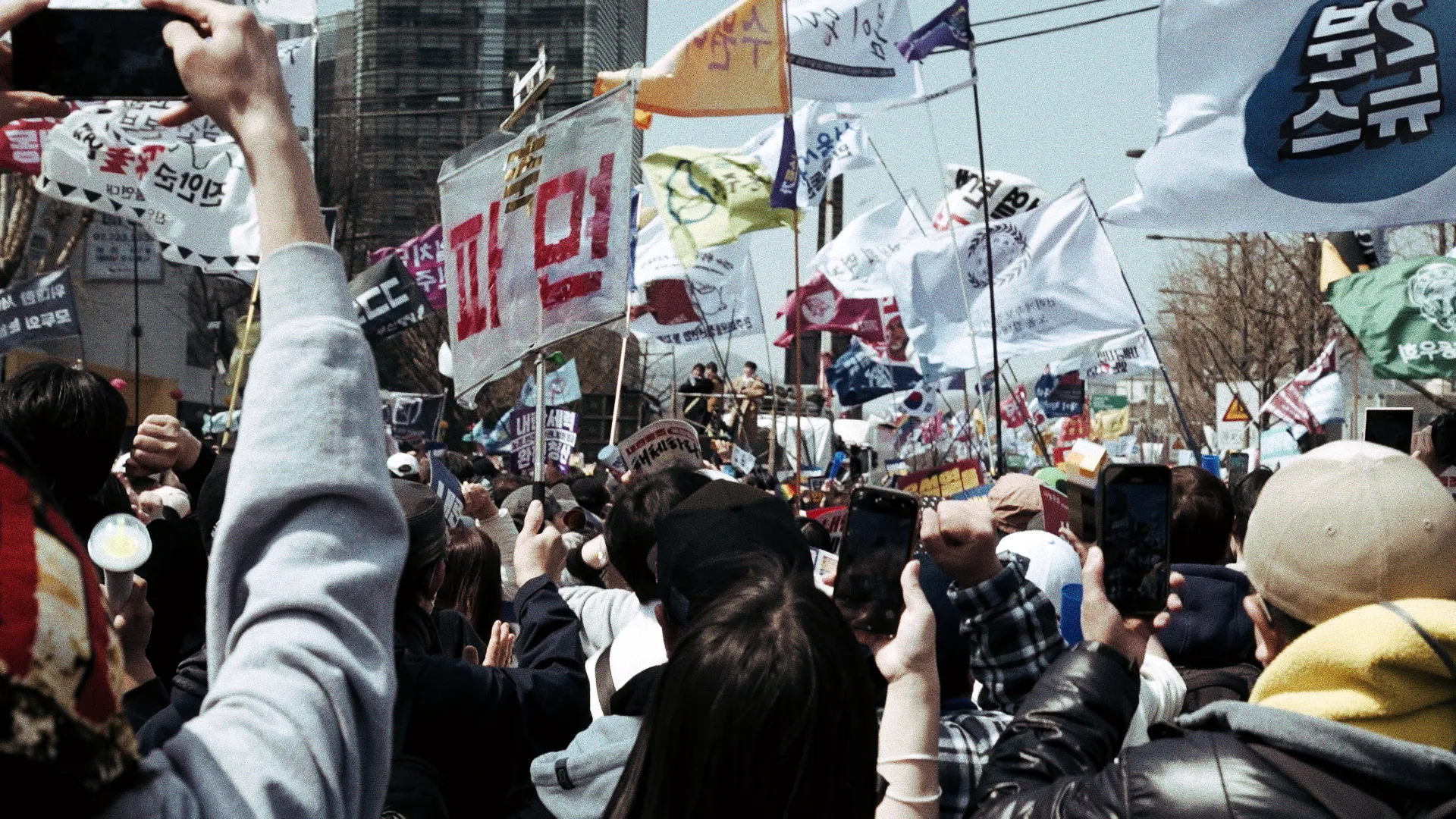
“Seoul Guardians” (Unknown Pleasures)
With the adrenaline of a high-stakes action film, “The Seoul Guardians” drops us in the electric center of thousands of shoving, climbing, screaming, crying bodies in December 2024–during the most shocking six hours in modern Korean history–when the South Korean president declared martial law in the dead of night and a clock ticked down on democracy.
The images are jaw-dropping: politicians, one after another, hurling themselves over a wall, lifted on shoulders or sneaking past police to physically enter the National Assembly and cast the most important vote of their lives. Inside the building, staffers and media coordinate impromptu formations, converting sofas into barricades to slow down military battering rams and smoke bombs. As a swarm of teenagers, elders, journalists, YouTubers, lawmakers, and aides spontaneously converge to somehow stop helicopters and armored vehicles, three MBC journalists document the mayhem and mobilization of that frenzied tinderbox night, when one missed moment or one errant spark could utterly change the course of Korean society.
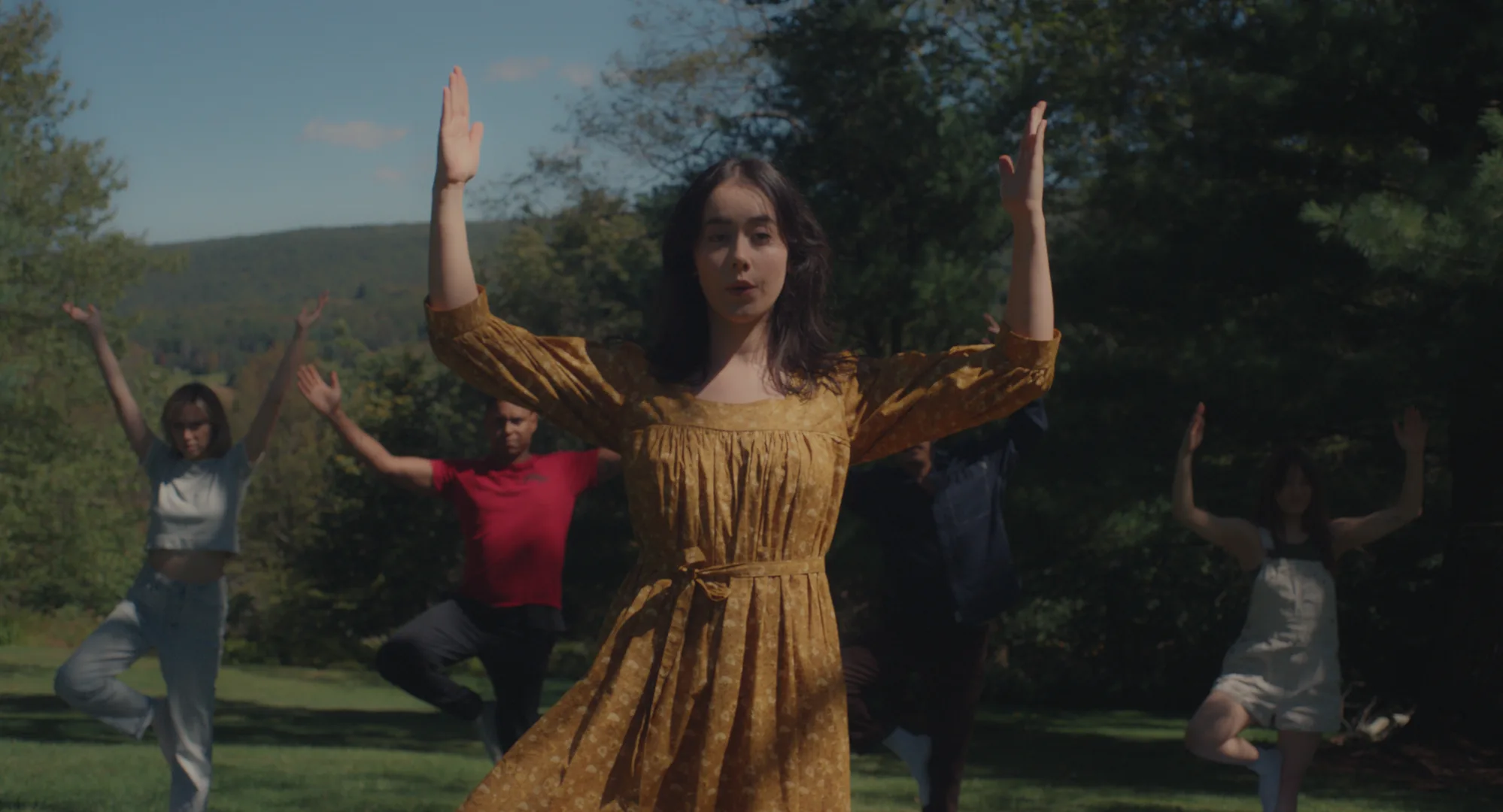
“Genevieve’s Garden” (Asian American Panorama)
SDAFF alum Katie Colosimo’s feature debut, “Genevieve’s Garden,” is a hoppy dramatic comedy that follows Lily (played by comedian Chynna Walker), lost and depressed after a recent breakup, as she signs up for a wellness camp to distract herself and find a new direction. We follow her from the social media ads of upstate mental paradise to the rather ordinary house hosted by the retreat leader, a 20-something Genevieve, and realize that the so-called retreat is little more than a house hang between five strangers.
An energetic, quirky score accompanies a rabbit hole of Hudson Valley fake yoga, dinnertime confessions, and, of course, co-resident make-out sessions. Lily meets Charlie, whose sleepwalking produces quasi-romantic feelings that pine to go somewhere. Between false intimacy and all the conventions of self-improvement rituals under capitalism, the characters yearn for what they are searching for in themselves under the strange affliction of moonlight, ticks, and campfire, and perhaps even find a way there.
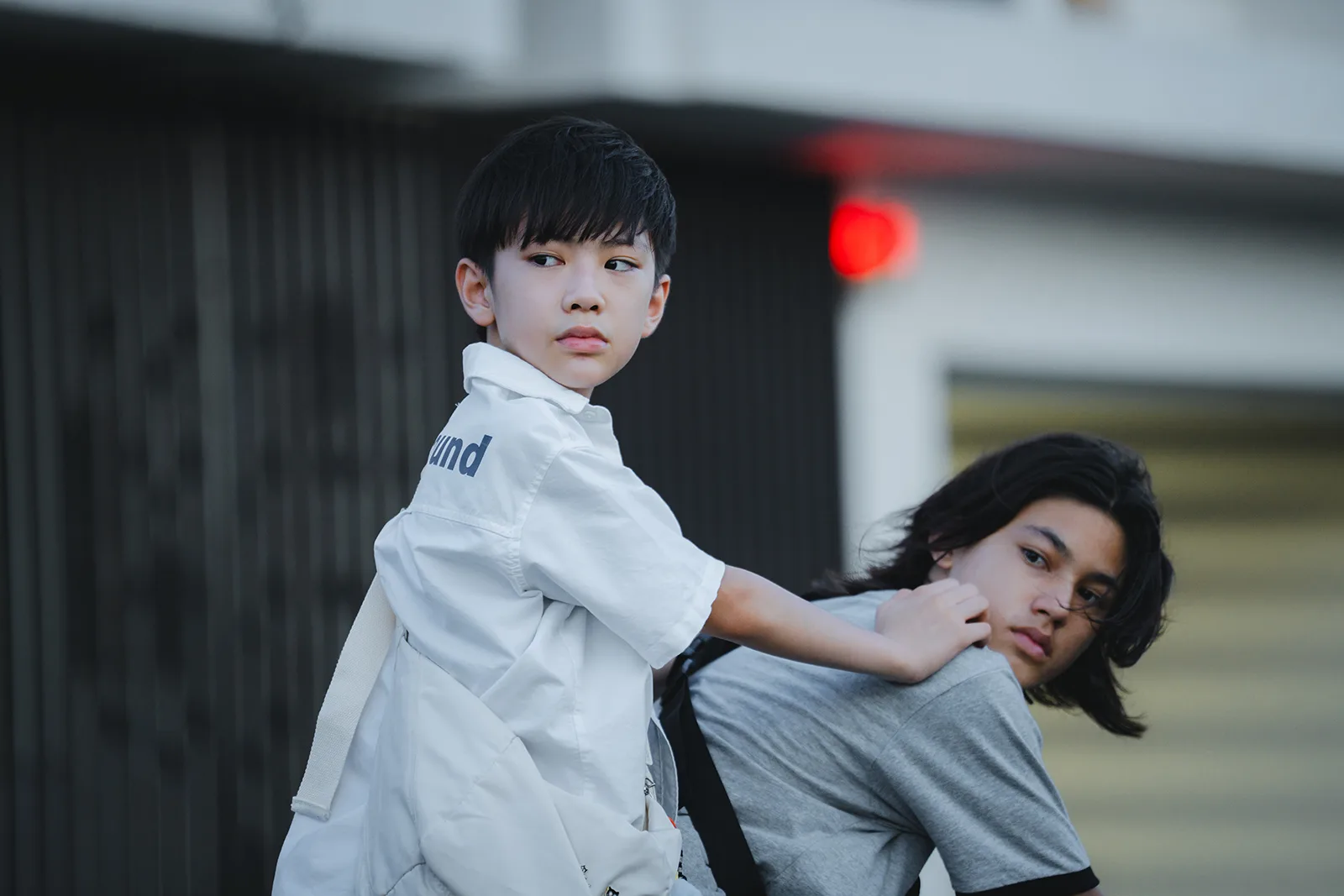
“Will You Still Be My Friend” (Unknown Pleasures)
In a rural fishing village in southern Taiwan, 13-year-old Jun befriends Jasper, also 13, who has recently moved from Singapore, amid a growing conflict between locals and Jasper’s outsider parents who bought a stake in the land. As tensions escalate, Jun struggles to understand his relationship with Jasper and protect them both from attacks from the outside world.
The pain of growing up comes with the price of revelation. Filmmaker Lu Po-shun captures this process with care and subtlety, bringing the hidden dynamics of adolescent life to light. The boys’ friendship refracts the conflicts of the adult world, from class and gender to politics, through a complex web of desire. Jaden Wang and Aloysius Looi deliver refreshing performances that capture regret, home, and the uncertainties of adolescence. The film also highlights the confrontation between urbanism and an imagined pastoral, as well as the use of science to justify economic intrusion. “Will You Still Be My Friend” is a contemporary fable that traces the shifting contours of an adolescent mind and resonates well beyond the final frames.
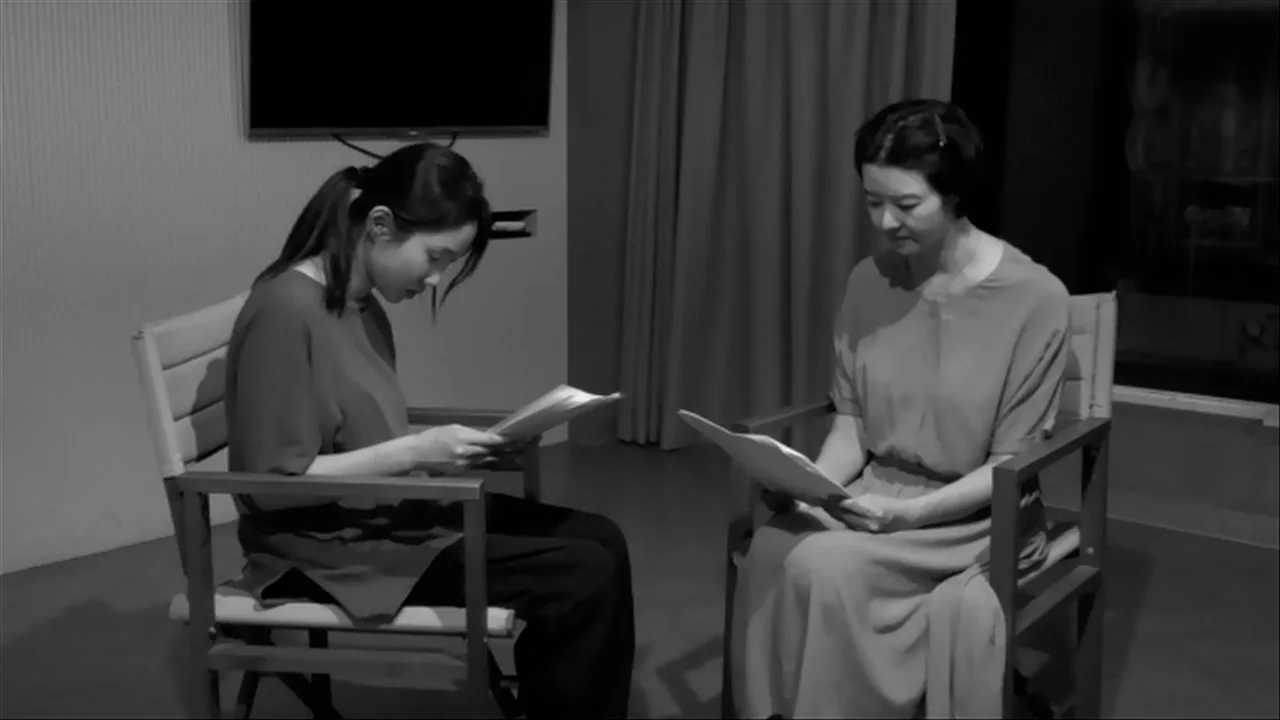
“The Day She Returns” (Masters)
It’s like a talk show setup: on one side is the charismatic actress, wearing white, framed by a plush dark restaurant booth. Opposite her, a young journalist in modest black leans across the table and asks questions. Then comes another journalist, then another. They look up to the actress: divorce, art, and motherhood have served her middle-age epiphanies. “Love yourself the most,” she urges each of them. Between interviews, she kneels in the grass in a Buddha-like posture and vapes.
Hong Sang-soo’s comedy uses the ritualistic repetitiveness of film press tours to study how even casual encounters reshape lives. Three young women bring out different sides of the actress Jeong-su. In turn, the interviewers project their own anxieties and ambitions onto her. What are we doing when we talk to other people–are we actors in their lives? Are they in ours?
A question Jeong-su often asks her interviewers is, “Really?” making them repeat their criticism or compliment back to her. It’s a common question in Hong’s films and reveals a key to his philosophy. The first time something happens, it isn’t to be trusted: it needs to be doubled and reenacted in order to become really real.
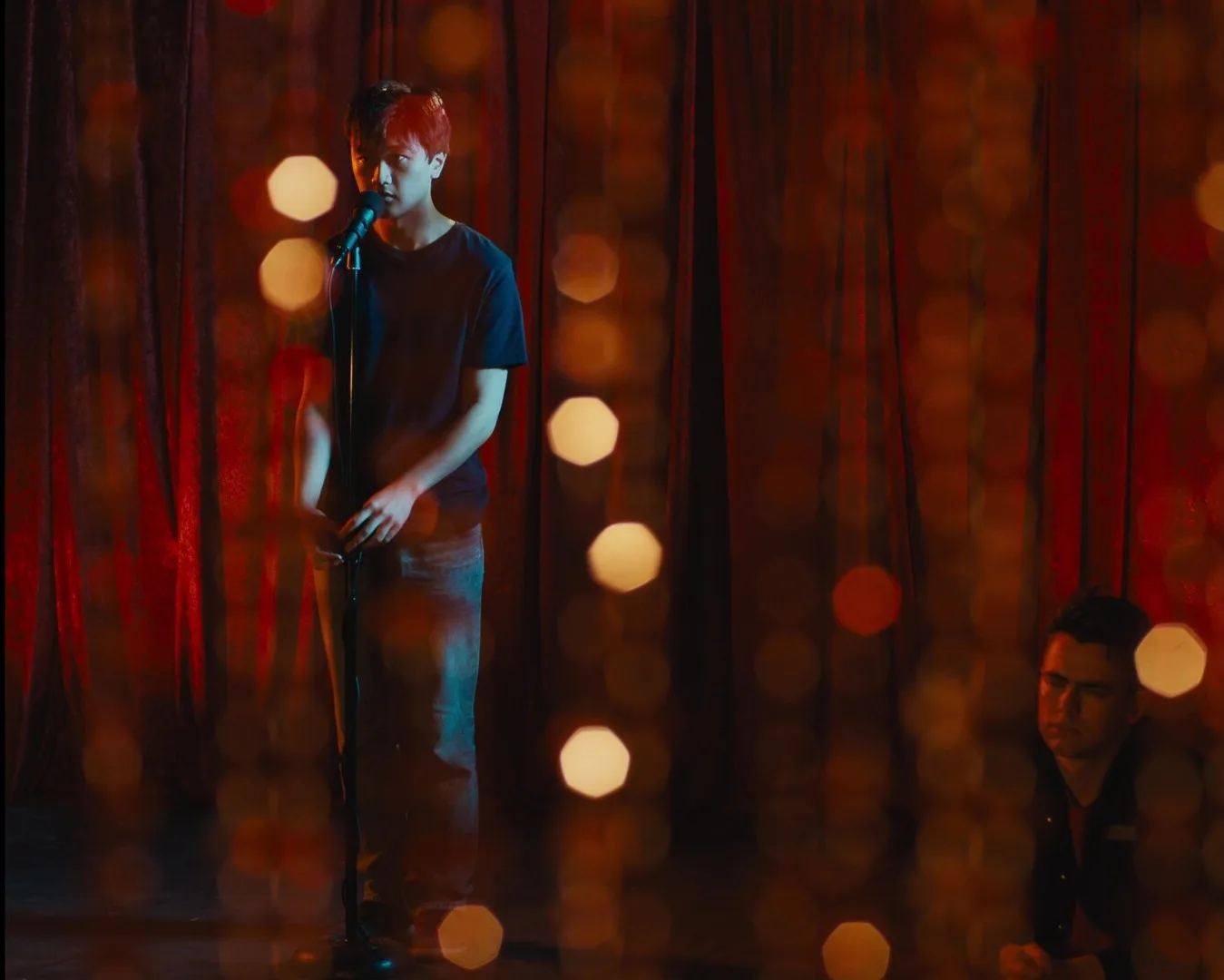
“Just Like Me and You” (Asian American Panorama)
Like any freshman in college, Joseph Chang navigates an alien world–one that’s not quite hostile, but not exactly safe either. It’s a place of new sensations, of badminton sweat and curious voices radiating through his hearing aid. Most enchanting of all is the odd snark spewed by his study partner Kevin, who has just the right mix of cool, clever, and criminal to capture the imagination of an outsider like Joseph. From text chains to library meet-ups, Joseph and Kevin–and by extension the viewer–slither down a rabbit hole of seductions and misdirection, brain-bending and brain-bashing.
“Just Like Me and You” may be set on a campus, but it’s disinterested in the usual social dynamics of the college film. Instead, the film plays out like a math problem that becomes increasingly difficult but also formally liberating as it contorts and shape-shifts. Like a David Lynch and Kiyoshi Kurosawa film set in a Southern California university of bible studies and biology classes, “Just Like Me and You” rewires the Asian American film narrative as it rewires the neurons, a riotous and utterly watchable mishmash of inspiration and ambition.
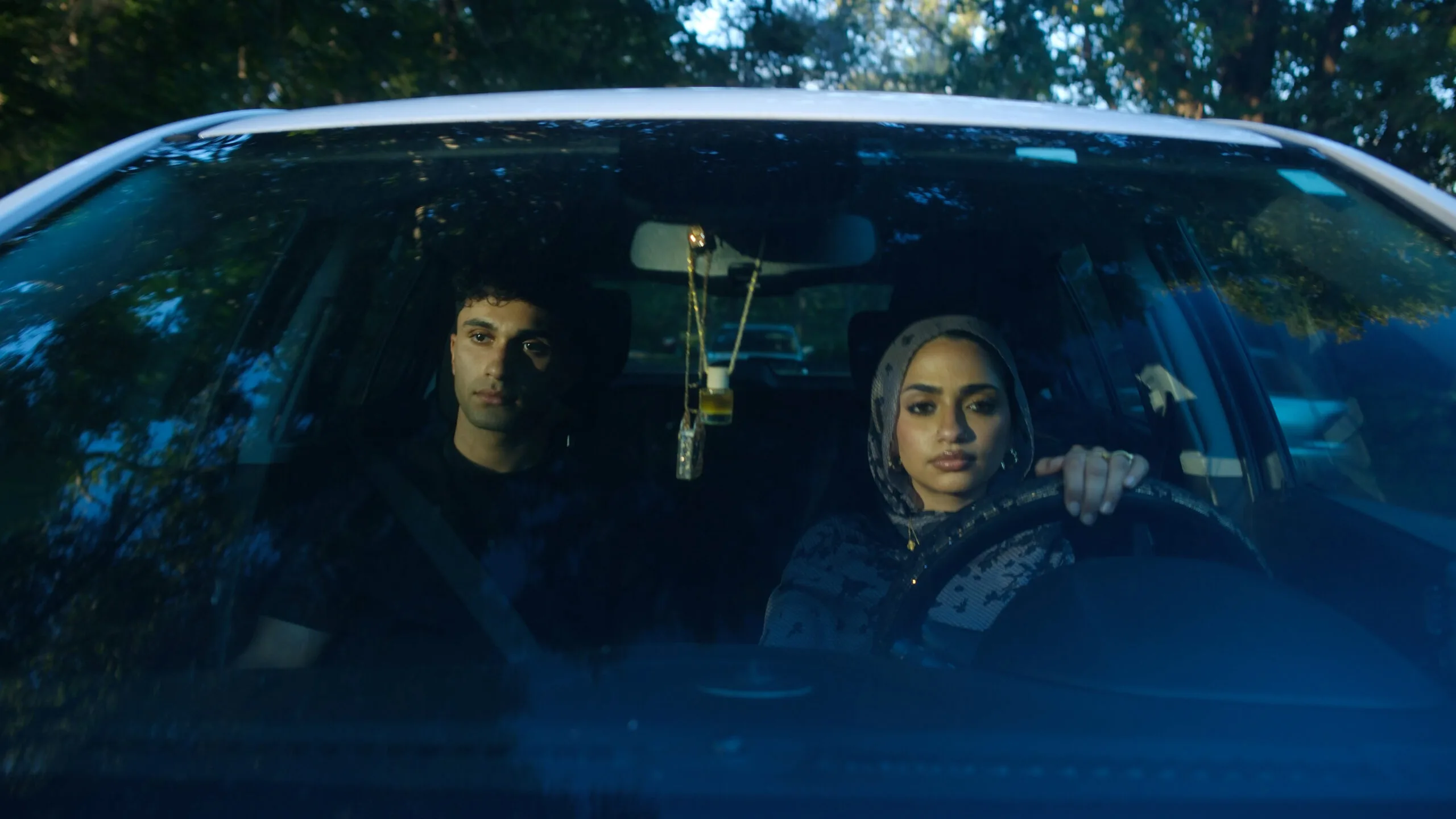
“Pinball” (Asian American Panorama)
“Naturally my body doesn’t feel at home here. Naturally.”
At the age of four, Yosef Al Windawi and his family were one of the 213,000 Iraqis fleeing their country after 2004, arriving in Egypt and later receiving asylum in, of all places, suburban Louisville, Kentucky. In “Pinball”, a now-teenaged Yosef navigates feeling isolated and anxious amidst college decisions, pro-soccer dreams, athletic training, civil protests, and tough conversations with his Dad and friends about the American dream.
His body and heart know something is missing, and questions about his family’s relocation from Cairo to Louisville keep resurfacing. Should he feel grateful for his community in Louisville? Or should he question his current life in the United States? When an opportunity presents itself to visit his sister in Egypt, will Yosef step out of his comfort zone?
Director Naveen Chaubal lets Yosef blossom through his own questions and gentle address to viewers, showing a multifaceted young immigrant man who navigates displacement, conflicted feelings about home and culture, and complex familial dynamics. Emerging from this intimate, honest portrayal, “Pinball” gives Yosef space to figure out his own story while inviting viewers into a place of joyful uncertainty through his journey and asking what it means to feel at home.
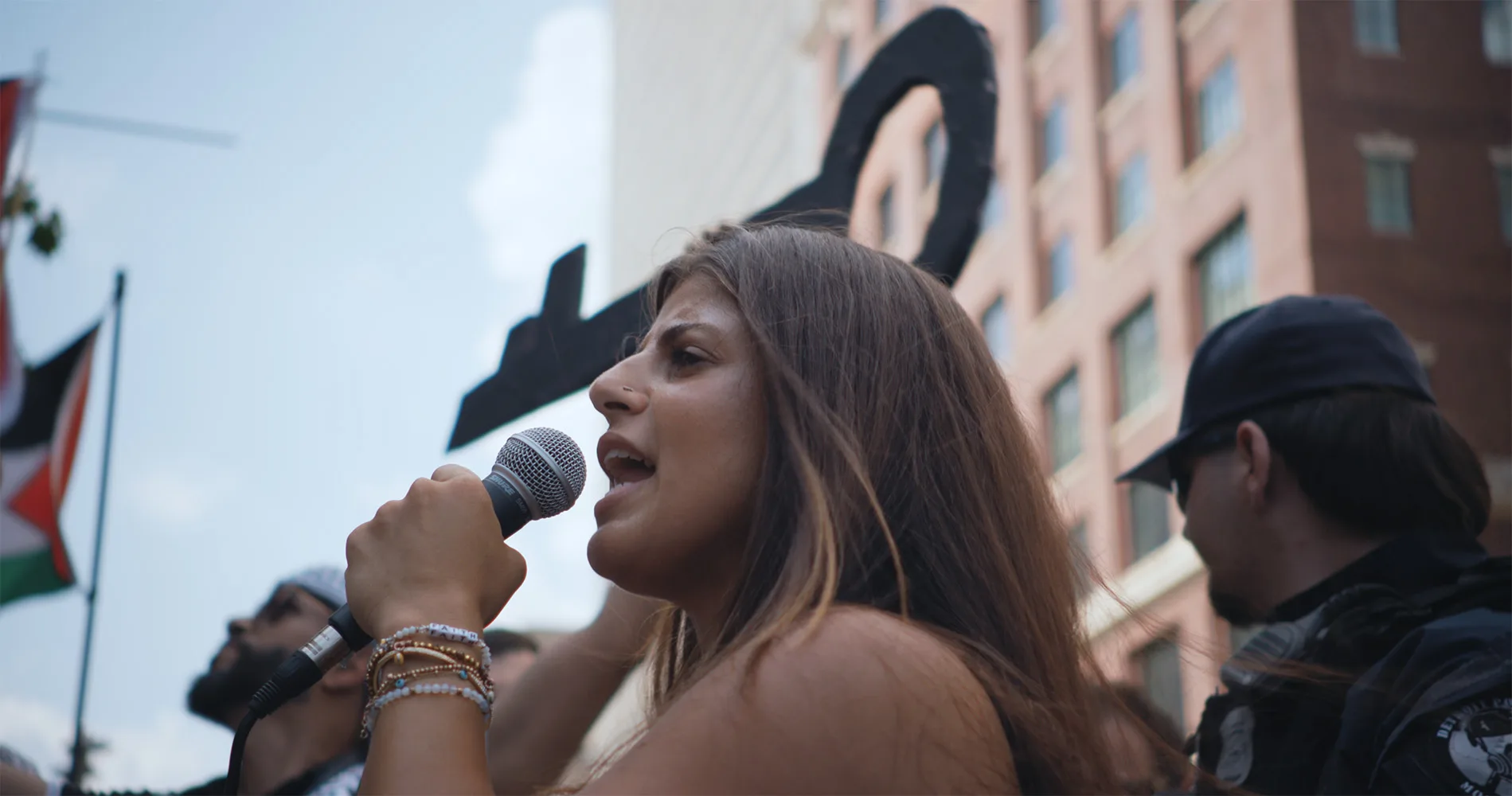
“Uncommitted” (Asian American Panorama)
With a strong Arab population, Dearborn, Michigan becomes the beating heart of the Uncommitted Movement, a political campaign to bring a ceasefire in Gaza to the forefront of the Democratic Party platform. Chronicling an origin story centered around Election Day 2024, “Uncommitted” interviews, highlights, and showcases how the “uncommitted” vote, a voting strategy used in the 2008 elections with President Obama, is a symbol of protest, needed change, and lasting power.
Personal history and grief fuel the organizing, education, and galvanizing within the Dearborn community. From interviews with the town’s first Arab American mayor, Abdullah Hammoud, arguments against the movement’s approaches from the DNC and American-Arab Anti-Discrimination Committee, to critiques of Kamala Harris’s campaign, the film discusses the priorities, strategies, and nuances of a movement that ultimately garnered over 100,000 “uncommitted” votes in Michigan alone.
For viewers seeking alternative civic futures and reinvigoration, “Uncommitted” traces the journey into political power, where belonging, coalition-building, and immigrant and marginalized storytelling ignite the desire for an enduring and just future.
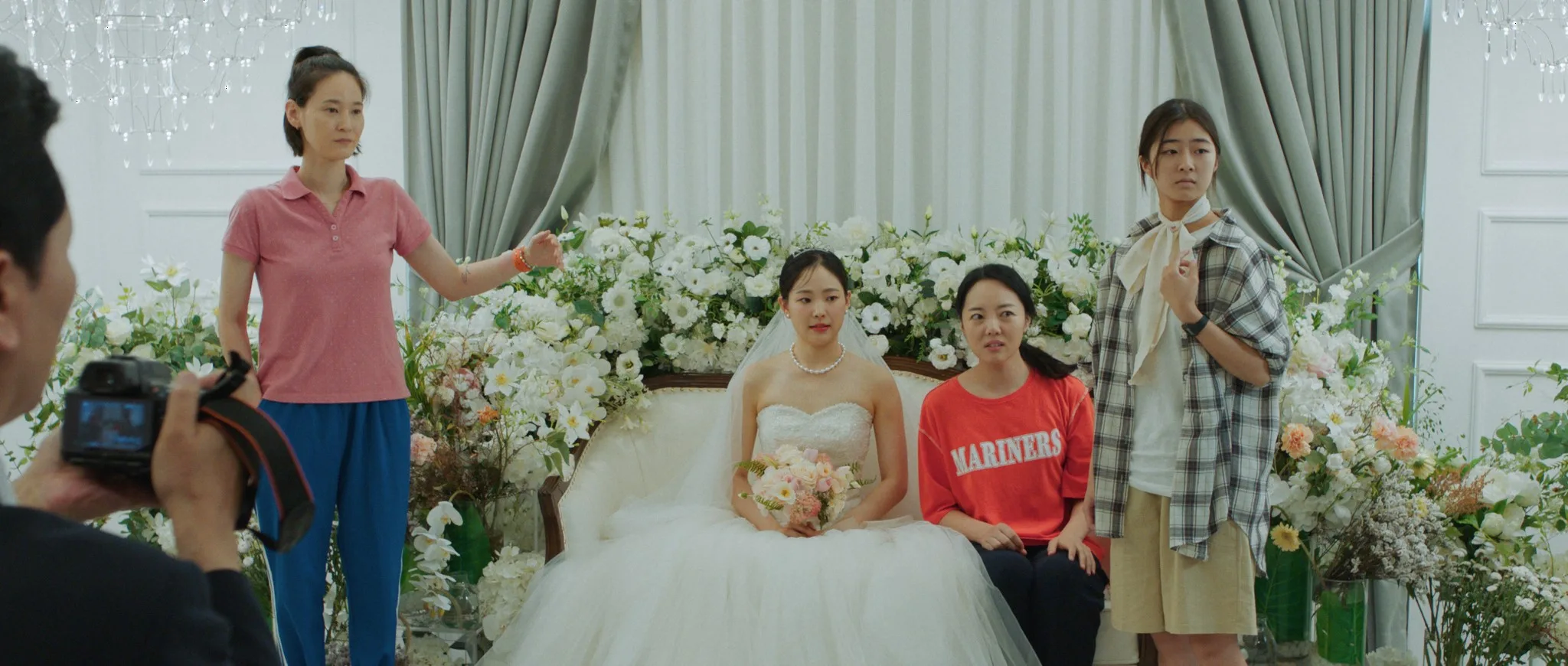
“Ideal and Weird Family” (Asia Pop!)
As an out lesbian couple, Da-sun and Hee-soo have seen their marriage deteriorate into something far from ideal. Da-sun, an irreverent writer who gave up her career to raise their children, has spent years bristling against Hee-soo, the image-conscious, type-A breadwinner of the family. The only appropriate solution: divorce.
Something stands in the way of their separation, however: their teenage daughters. The two are as different and distant as their mothers, with a bookish Sol taking after Hee-soo, while Wo, a former K-pop trainee and aspiring influencer, mirrors Da-sun’s creative spirit. So, as casually as discussing dinner, the couple ask the girls to choose a mother to live with. But before they can answer, they set off on a family road trip to Hee-soo’s sister’s wedding, because what better way to deal with falling apart than forced proximity and awkward reunions with estranged relatives?
Amidst the trip’s chaos, the two mothers reckon with what drove them apart, while the sisters question what it means to choose for just themselves. Kim Ji-hyun’s comedy quietly tiptoes into dramedy, the journey’s absurdity giving way to something more vulnerable: a family confronting the sacrifices of staying together.