We generally try to shape our Sundance coverage at this site around themes or, often, programs. A trio of films in competition or a trio of world documentaries, for example. This often leads to “coverage orphans,” films with no room at the dispatch inn, resulting in a dispatch that’s random. I’m not sure we’ve ever had one as chaotic as this piece that will include both an attempted murder and a film about a woman trying to bang Jon Hamm, but there’s also something kinda beautiful about ending my Park City Sundance coverage with a piece that exemplifies the breadth of cinema at Robert Redford’s beloved event.
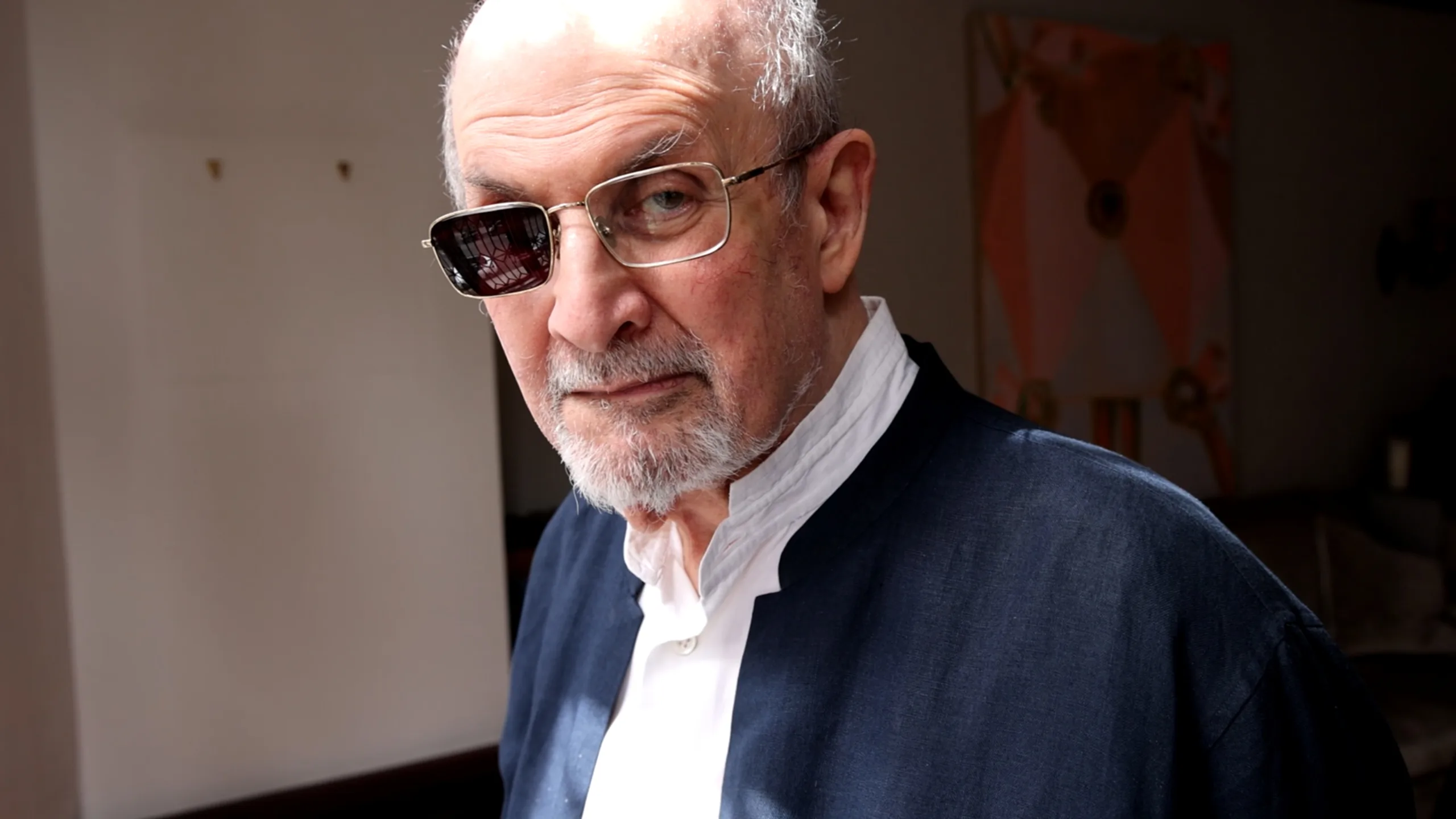
The best documentary I saw at Sundance this year, a fest that produced all five of this year’s Oscar nominees for Best Documentary, was Alex Gibney’s spectacular “Knife: The Attempted Murder of Salman Rushdie.” Of course, it helps to have one of the most eloquent men alive narrate your documentary, but Gibney shapes this harrowing story in just the right way, emphasizing the importance of being a witness to violence. There is horrifying imagery in “Knife” of the attack and its aftermath, but it feels more important than ever that we don’t brush these incidents under the rug; that we don’t swipe away to something more appealing. And, through it all, Rushdie remains confident, defiant, and inspiring, a man who has refused to live in fear for decades now. It’s a story of survival and courage, intertwined with an exultation of intelligence that also feels in short supply in modern filmmaking. A monster tried to murder a genius: We should all be furious whenever that happens.
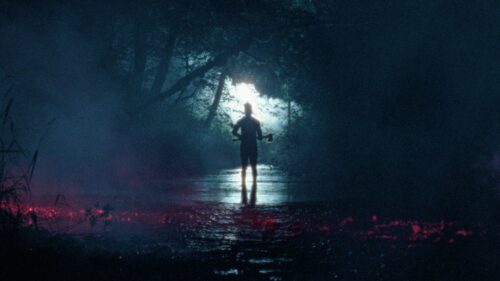
Based on the book of the same name by Rushdie, “Knife” contains so much footage shot by his wife, Rachel Eliza Griffiths, that she arguably should have a co-director credit. Mere days after the 2022 attack in Chautauqua, New York, Griffiths turned a camera on her husband, documenting his intense injuries and painful recovery. It’s truly a miracle that he lived, and the footage of his stabbed, swollen eye is hard to shake. But there’s a fearlessness to seeing this material that’s powerful. We often push away images of actual violence in this world, thereby diminishing their truth. Rushdie and Griffiths want everyone to see what happens to a body after a stabbing.
Of course, there are bio-doc elements to “Knife” as well, mostly focusing on Rushdie’s upbringing and then the fatwa that resulted from The Satanic Verses. Rushdie is an open narrator, speaking first of confusion as to how his made-up stories could lead to such hatred and violence, and then defiance over being expected to live a life in fear. In one of the film’s most interesting chapters, Rushdie’s time as a New York red carpet presence is highlighted as a sort of act of celebrity defiance. He wasn’t living life off the grid; he was making friends with celebrities and admirers. Some of the film’s more private moments, such as a heartwarming call from Wes Anderson to his hospital room, highlight how many people consider Rushdie an ally. He’s not a writer in a castle on high; he is obviously a deeply humanist individual, someone who loves people and how they can inspire him.
There’s also a prescience to “Knife” that neither Rushdie nor Gibney could have predicted. Violent acts like the 2022 attack feel even more likely today than they did then as political violence and ideological battles often rage unchecked. It’s clichéd to say that a movie can stem something as insidious as what’s happening around the world when people choose violence over words, but there’s something undeniably inspiring about seeing Salman Rushdie fight back against those waves. May we all be so strong.
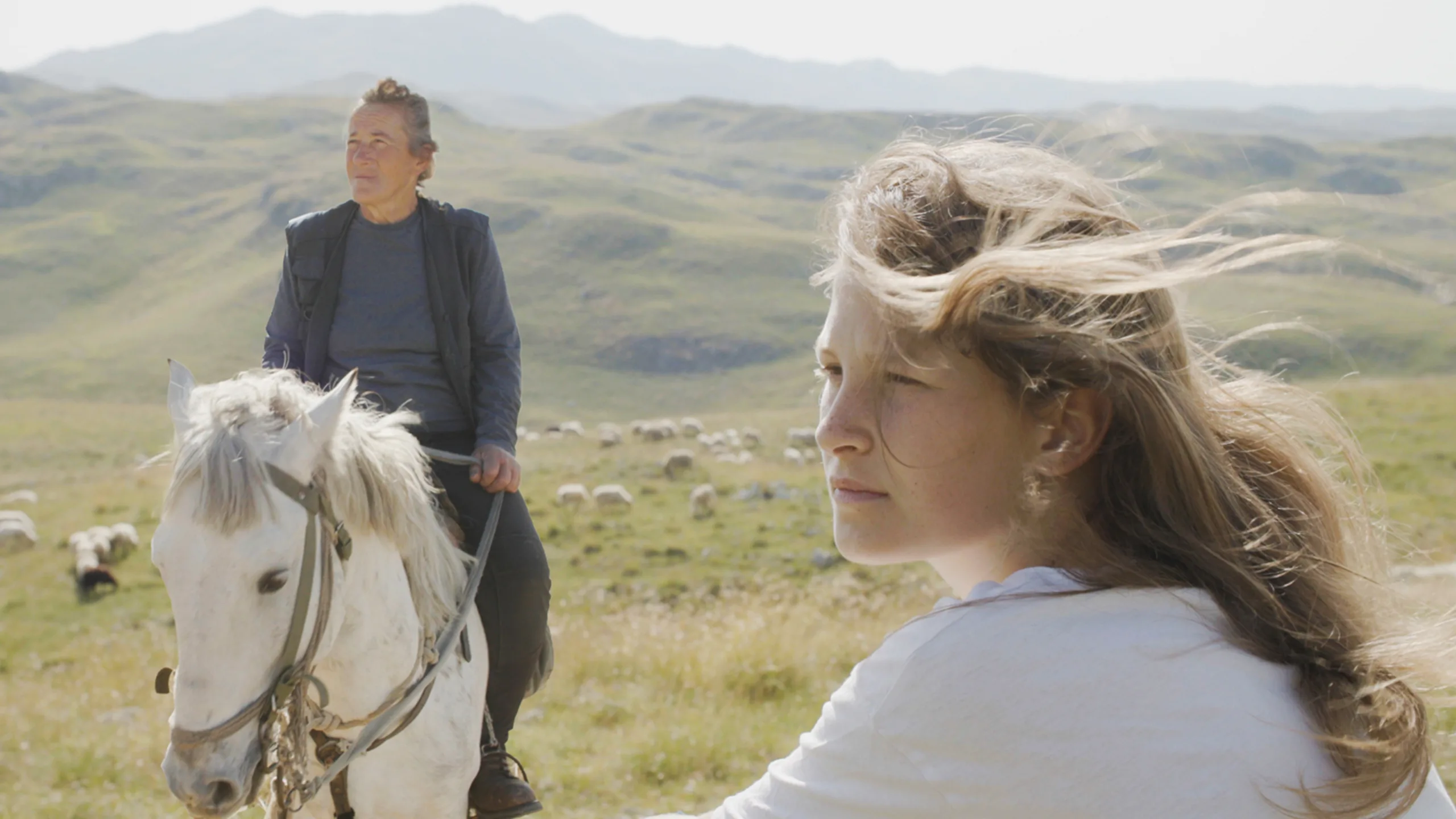
There’s also a captivating strength at the core of Biljana Tutorov and Petar Glomazić’s “To Hold a Mountain,” even if it tells a story that feels a reality away from the New York lifestyle of Salman Rushdie. The filmmakers basically coexisted alongside a mother and daughter deep in the mountains of Montenegro, a place that has been threatened with a plan to become a NATO military training ground.
Gara is a simple shepherd, and her daughter Nada is proof that she’s as good with people as she is animals, having raised this young woman into a confident, powerful figure in the community. The beauty of “To Hold a Mountain” is in the dynamic between Gara and Nada, one that feels constantly supportive in all the right ways. They are regularly empowering and enabling one another to be the best version of herself. There are passages of “To Hold a Mountain” that feel a bit too slight, making viewers aware of a documentary that can play much longer than its runtime, but those can be forgiven by the palpable adoration flowing from filmmakers to subjects. No wonder they wanted to spend time with Gara and Nada that could be called mundane; they’re so likable that most wouldn’t want to leave their side.
“To Hold a Mountain” becomes more complex with the revelation that Gara isn’t actually Nada’s mother; she raised her for most of her life, but she’s her aunt. Nada’s biological mother was murdered in a domestic violence attack by her father. With the incursion of NATO on the horizon, and likely influenced at least a bit by cameras in their midst, Nada starts to have more questions about her mom and the act of violence that took her. Nada’s reconciliation with a dark past reflects anxiety about an uncertain future, leaving this young woman stuck in the middle, unable to put away the emotions of what happened to her mother or the concerns about what comes next. In a sense, we are all often stuck in this place, either reliving past trauma or anxious about future ones, and this throughline gives “To Hold a Mountain” a remarkable, relatable power. It’s cheesy but sometimes all you can do is what you’re capable of today, whether that’s something as simple as tending sheep or fighting back against a military occupation. Tomorrow will come. All we can do today is hold.
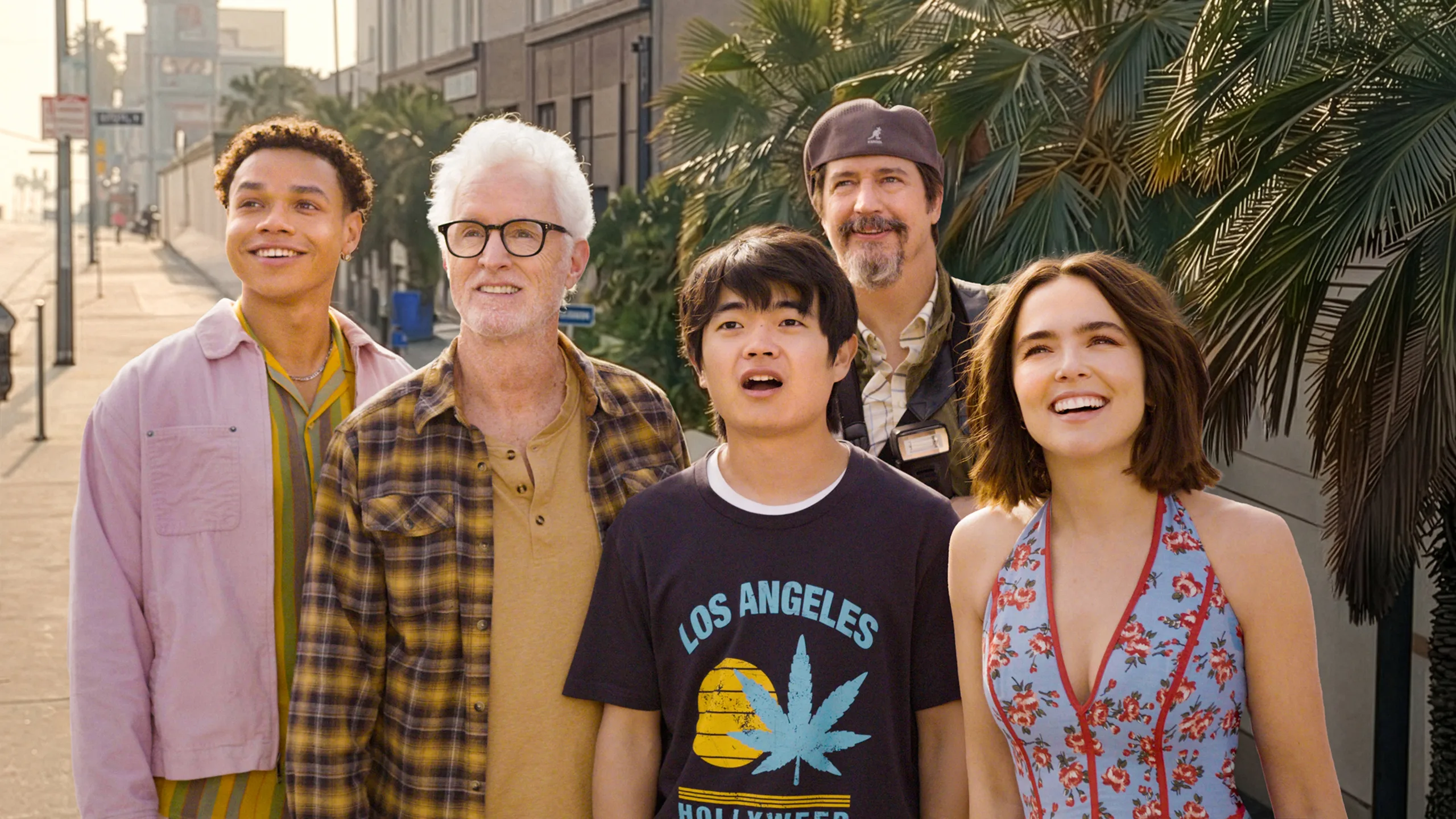
Finally, there’s a film that couldn’t be more different from these two, and it’s also, sadly, one of the most disappointing of Sundance 2026. David Wain has been a proven comedic genius before with projects like “Wet Hot American Summer,” “Wanderlust,” and “They Came Together,” but his latest, “Gail Daughtry and the Celebrity Sex Pass” is his most disjointed and generally unfunny effort so far. It brings me no joy given how much Wain and his talented buddies have made me laugh in the past to report that the laughs-to-duds ratio in this comedy is dire. Even its best ideas seem half-formed, making it even clearer how much of this project was thrown together at the last minute. While Wain and his team are funny enough to improvise their way through a quirky comedy like this one, the occasional rewrite or second take is OK too.
The set-up for “Daughtry” is admittedly inspired. Gail (Zoey Deutch) discovers the concept of the celebrity sex pass—the one person that married people are allowed to sleep with and their spouse can’t complain—the night she’s going to a book reading by Jennifer Aniston, who her goofy husband picks as his CSP. Of course, he ends up having sex with the “Friends” star in the back of the bookstore, sending Gail off on a journey to balance the scales by sleeping with Jon Hamm. When Gail and her BFF Otto arrive at LAX, they inadvertently swap briefcases with a pair of mob tough guys, leading to a wacky hijinks comedy in which the mob is after Gail and her buddies.
Along the way, Gail gathers allies that start to mirror “The Wizard of Oz” (Otto = Toto, believe it or not), allusions that grow stronger in a manner that makes you wish they had been foregrounded from the beginning. A movie about a Kansas girl who goes off to bang the Wizard of Oz could have been wicked.
Sadly, almost none of “Gail Daughtry” comes together. John Slattery, playing a sort of Cowardly Lion version of himself, gets the most hits, and Hamm knows how to lean into his own persona, but Wain and co-writer Ken Marino just don’t find the laughs on this comedic yellow brick road.