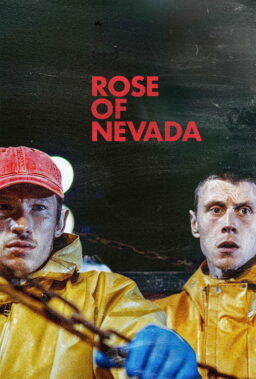
The World Documentary program at Sundance often spotlights some of the best non-fiction filmmaking of the year from around the world. U.S. Documentary often feels a bit stronger—the best world films tend to choose European film festivals over Utah ones—but there were a few projects in this section that garnered buzz at the last Sundance in Park City.
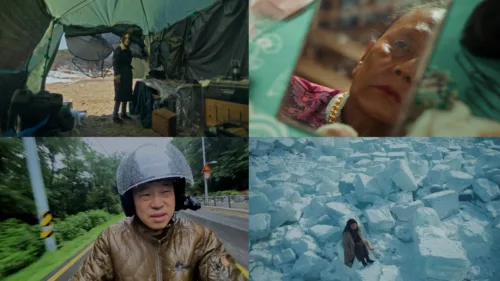
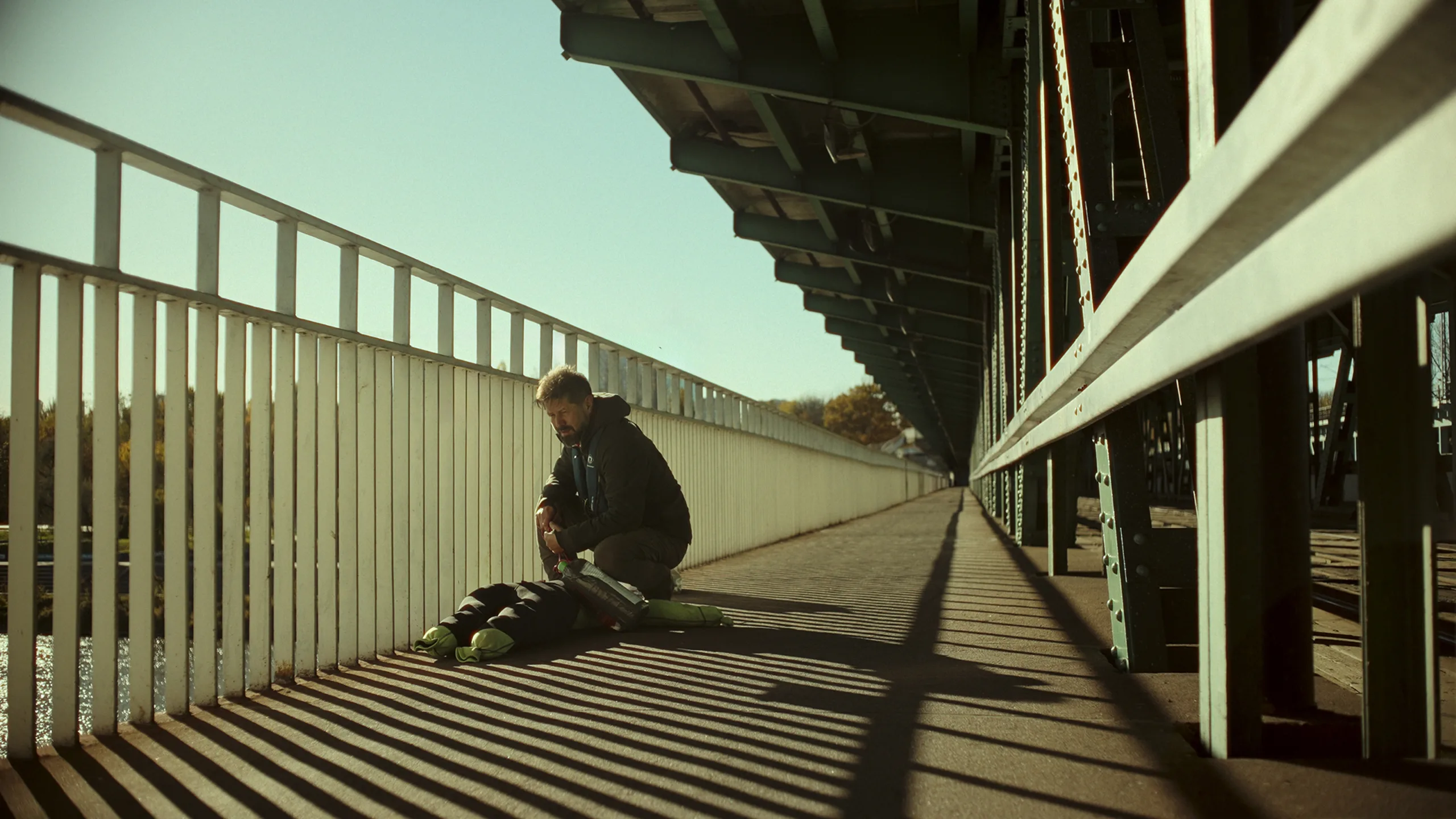
The best of the three in this dispatch is also the most depressing. By the end of “Closure,” you can almost feel the weight of the waders worn by the film’s subject and how his conflicted grief pushes him even deeper into the Polish mud. “Closure” is such a gorgeously shot film that one could mistake it for fiction. There are no talking heads and only a few interview segments. By and large, we silently follow Daniel Dymiński as he searches the Vistula River for the body of his son Chris, hoping to find him to bring him home but partially hoping he never does because that could mean he’s still alive somewhere.
Daniel’s son walked miles to a bridge over the Vistula and stood there for a long time, staring at the water below. He can be seen on a CCTV camera, but the surveillance equipment turns away at just the wrong time for Daniel. When it comes back, Chris is gone. He could have jumped. He could have walked away. Daniel has timed how long it takes to get off the bridge, and one could easily do it in the time the camera wasn’t on him. However, it’s been over a year since anyone heard from Chris.
Presuming he jumped, Chris spends his days on the river, searching the muddy banks for signs of bones or even belongings. When he’s not scouring the longest river in Poland, he’s digging into his son’s online journey, pulling back a curtain on a subculture of viral videos that’s arguably pushing depressed teens even deeper into their own pain.
Director Michał Marczak shoots the Vistula like a character in a fiction film. His drone cameras swoop over the water, sometimes even dipping underneath it, like a body bobbing in the waves. He effectively makes it clear how this gorgeous river can also be deadly, especially as Daniel and his team find other bodies. The film’s most effective chapter features Daniel trying to help another grieving parent going through the same thing. He has spent so much time on the Vistula, that he’s become an expert in searching it, and he’s trying to give someone else the closure he seeks.
One of the best documentaries of Sundance 2026, “Closure” is a moving story of how grief and love can harden into determination. Daniel will never stop looking for his son, even if the day he finds him will be the worst of his life. What does it do to a man to devote so much time to seeking a conclusion that can only cause pain? And what can we learn from the digital ballast that Chris likely took into that water with him? “Closure” plays like a warning: Pay attention to what your kids are watching and saying online, or you might be stuck in the purgatory of the unknown pull of the Vistula River too.
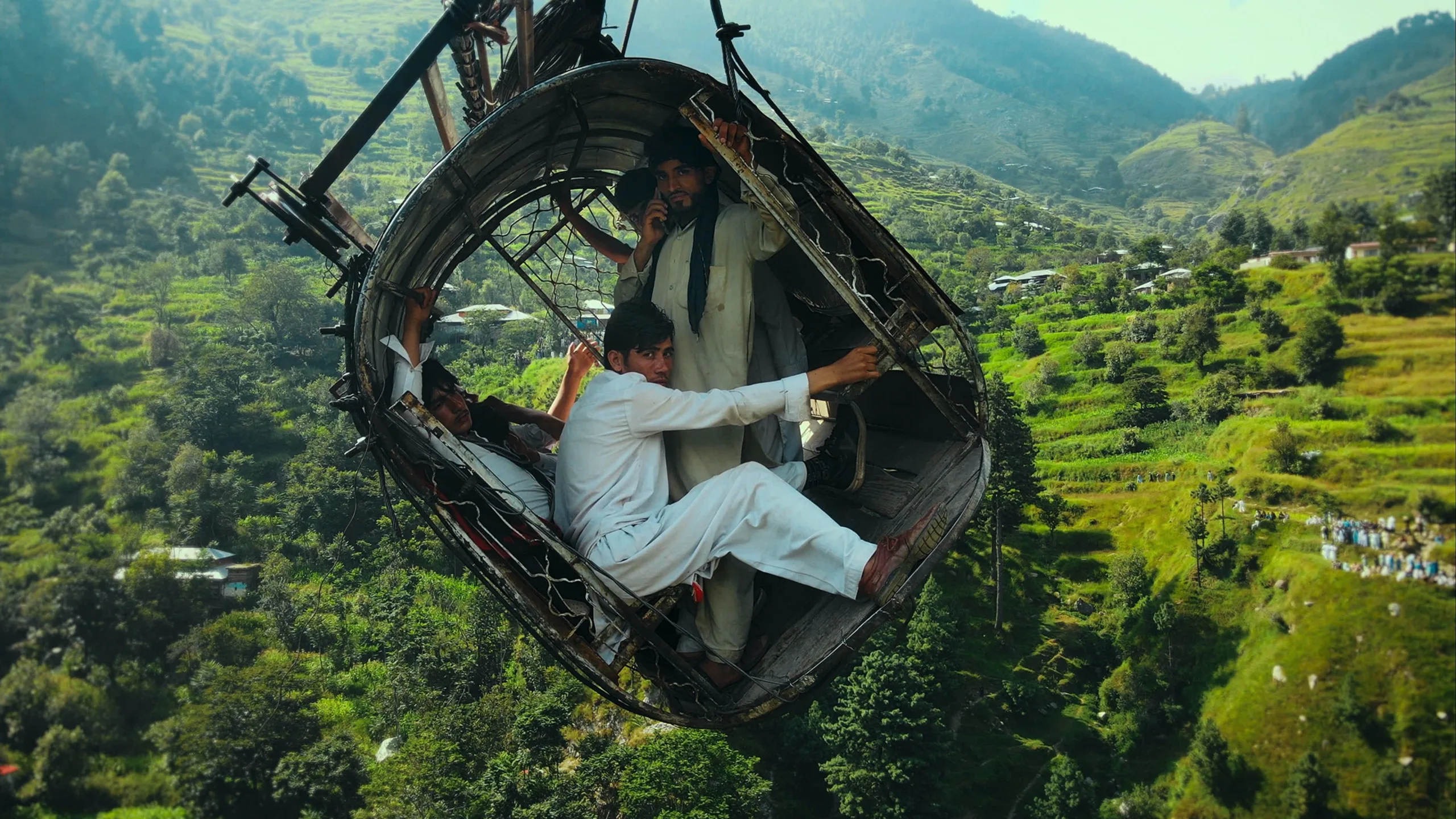
One of the most polished documentaries of Sundance 2026 is Mohammed Ali Naqvi, a production that feels like it will fit right in on either Netflix or the National Geographic branch of Disney+. “Hanging by a Wire” efficiently tells this harrowing true story with almost no fat on its bones—it runs under 80 minutes—but it is so professionally assembled with its archival drone footage and present-day interviews that it almost becomes numbingly sleek. Despite that sense that it was made by an “inspirational documentary” factory, “Hanging by a Wire” is just gripping enough in its story of survival and remarkable heroism.
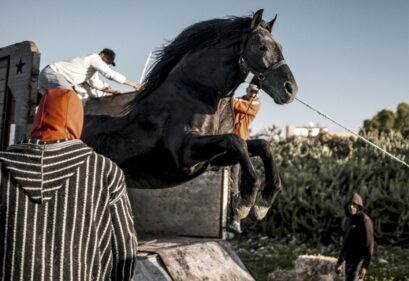
On August 22, 2023, a cable car that was regularly used by locals in the Pakistani mountains become stuck 900 feet off the ground when one of its cables snapped. One fascinating element of “Hanging by a Wire” is a reminder of how well-documented every is in the 2020s as we see drone footage of the six children and two adults trapped in this swinging death trap from very early in the day. Naqvi cuts footage of the cable car together with modern interview segments from authorities, locals, and even the fathers of the boys, splicing in a ticking clock that reminds viewers how long they’ve been stuck on the precipice of tragedy.
One of the main takeaways from “Hanging by a Wire” is that it often takes ordinary heroes to do what the authorities cannot. After helicopter rescues failed, people from the region, including a zipline owner and bodybuilder, basically went into action, knowing that if they let the situation linger through the night that wind could lead to tragedy. The project becomes reminiscent of “The Rescue,” another hit documentary about heroes who don’t wear capes, people who put their lives at risk to save those in need.
Despite the sense that “Hanging by a Wire” is a bit too clean—we don’t need the creaking sounds of wires over the timeline inserts and we could have used a bit more commentary on class and about half as much booming score—the end result is undeniably moving, especially when the survivors and their fathers talk about that unforgettable day. As well-made as it is, the film is a reminder that the most powerful tool a documentarian has isn’t drone footage or crisp editing: It’s often just the faces of those who survived a day that will haunt them forever.
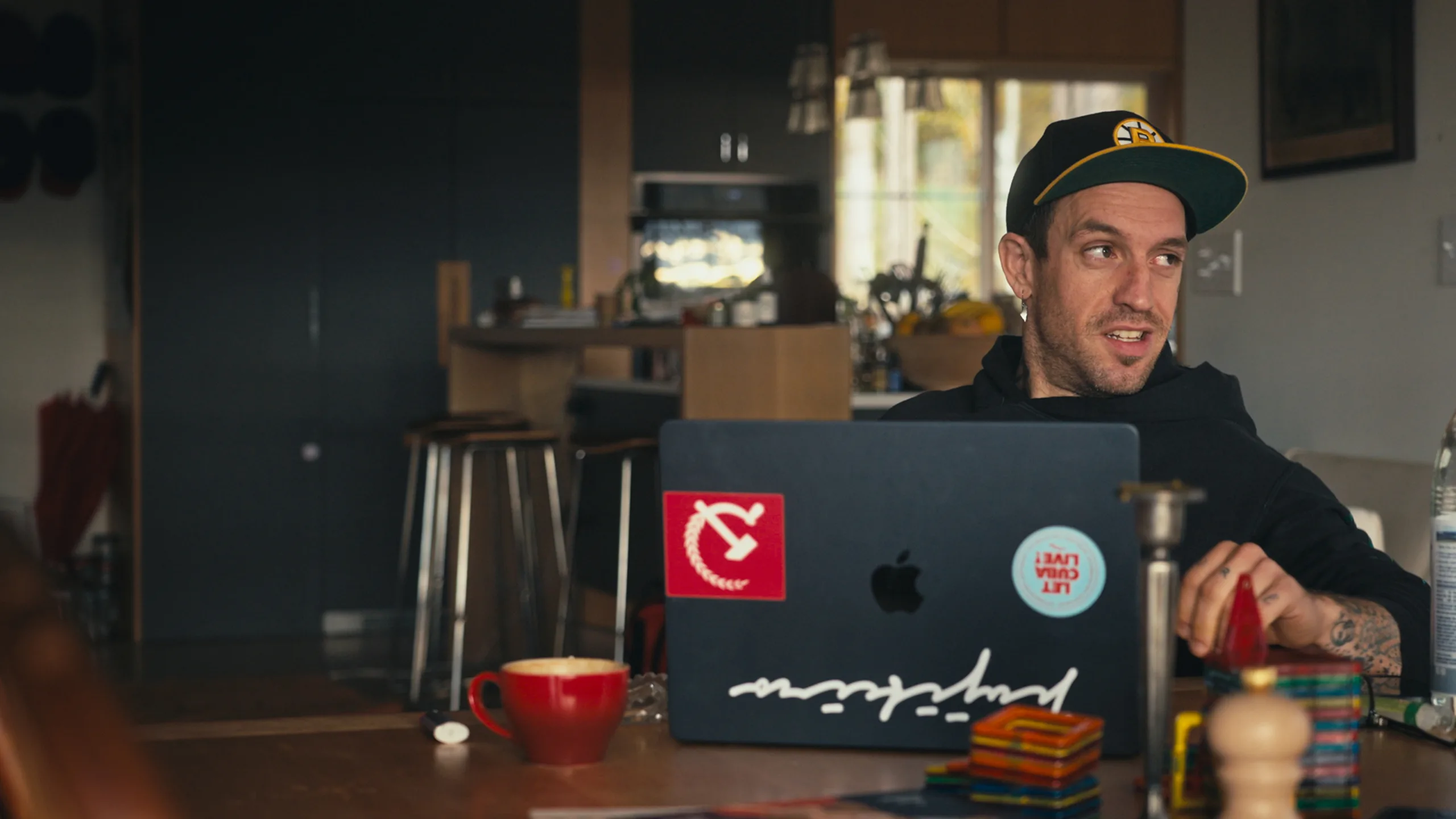
Finally, there’s the frustrating “All About the Money,” a study of a deeply unlikable figure, a man who constantly reminds you not only that he is wealthy but that he doing more with that privilege than anyone else or anyone deserves. Fergie Chambers is the demanding center of attention of any room he’s in, and the best parts of Sinead O’Shea’s film about him get at how he is the worst kind of revolutionary: the kind who will lead others into battle and then use his position to escape, leaving them behind. While I can imagine reading a longform article about Chambers to be of interest, spending this much time with him feels fruitless, leading to a film that doesn’t have enough to say beyond profiling someone who loves to be profiled.
James Cox Chambers is the 40-year-old heir to the Cox family, making him a multi-millionaire, well into nine figures. What does someone who never has to work again do with his spare time? To his credit, Fergie becomes obsessed with using his wealth for what he considers good, although even this feels like it’s designed to serve him more than any deep philanthropic good. He’s a self-described communist who founded a group called the Berkshire Communists and the Babochki Collective, which gives millions every year to left-wing projects. He has been a major figure on the protest scene, including in Ferguson and for the Dakota Access Pipeline. He even went to Donbas to report on the conflict with Russia.
Chambers found himself in an even brighter spotlight after October 7th when he publicly sided with Hamas, starting that the 2023 attack was “a moment of hope and inspiration.” He’s also called Putin “a great man” and told Los Angeles magazine, “I chant death to America every day.” Yeah, he’s something else.
While one can sense that O’Shea is often equally disgusted and fascinated by Chambers, that doesn’t make spending 100 minutes with him any more insightful. The truth is that people like Chambers don’t really have to consider repercussions of their statements or actions—they have legal teams and PR agencies to spin that for them. The most interesting part of “All About the Money” is the people who discover they can’t get out of crises as quickly as Chambers, and how they realize that his privileged brand of philanthropy comes with conditions.