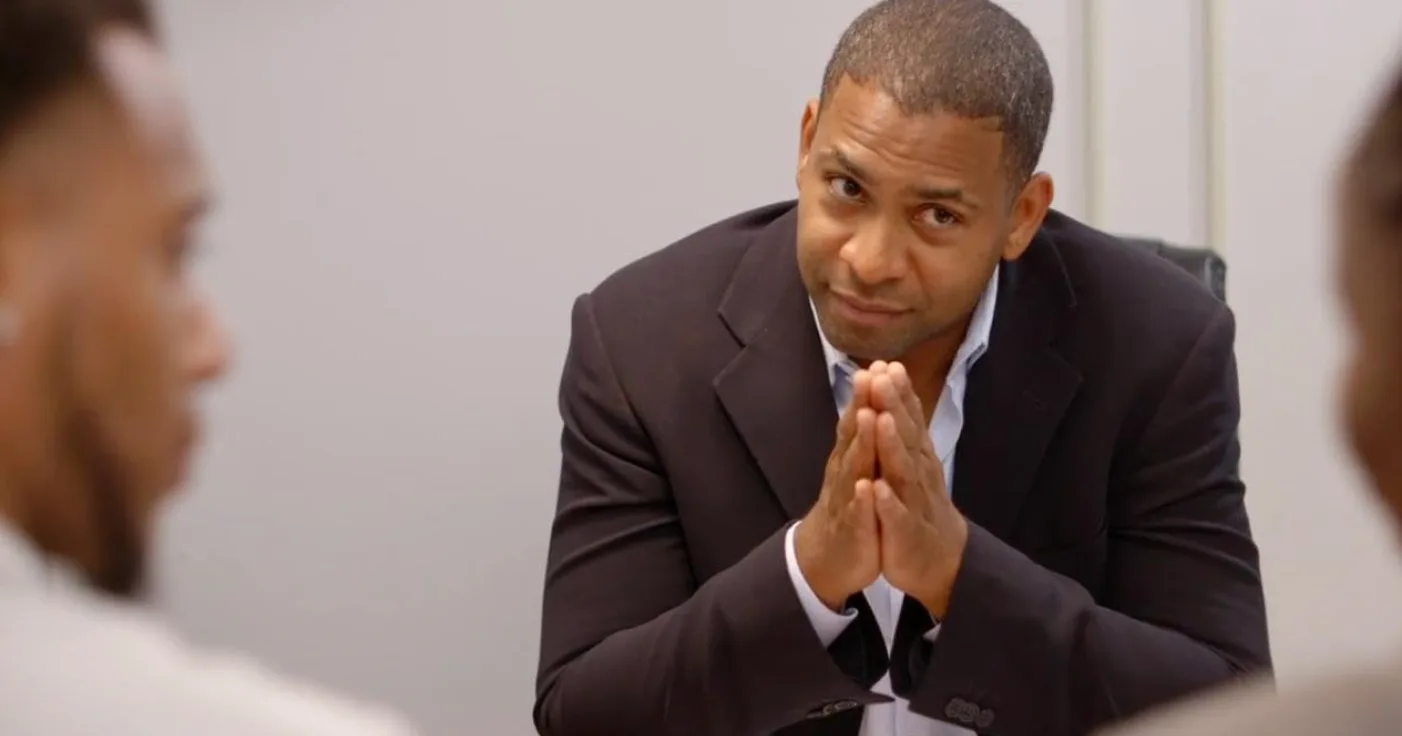
I ran into J. Christopher Hamilton at the Cannes Film Festival last month, the first time we’d crossed paths [in person] in nearly 20 years. Back then, we both worked at Disney in Burbank, where Hamilton was in business affairs. A lot has changed since then.
Today, Hamilton is an entertainment attorney, an Associate Professor at Syracuse University’s Newhouse School, and the author of an upcoming book examining the relationship between culture, capital, and power. While his career has spanned law, business, education, and authorship, a common thread runs through it all: helping creators understand the systems that shape their opportunities.
Our conversation touched on the rise of the creator economy, the shifting balance of power in Hollywood, and why understanding business may be just as important to a creative career as understanding craft.
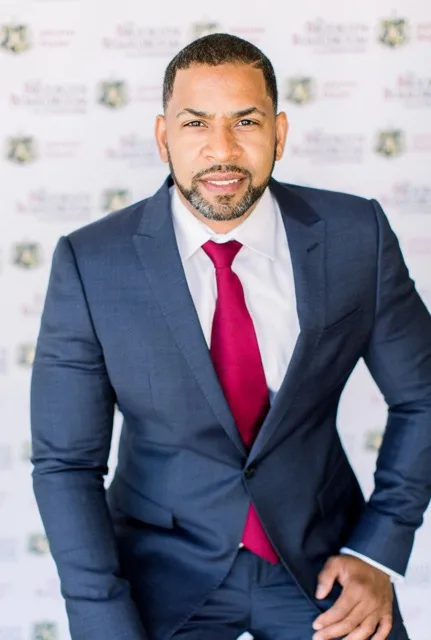
You wear several hats. How do you define your work?
I work across three lanes: entertainment law, academia, and now as an author. In my legal practice, I advise clients across television, film, and streaming on deals, business strategy, and navigating the industry. At Syracuse’s Newhouse School, I’m an Associate Professor and run the executive-track program, which focuses on the business enterprise behind the art while giving students real exposure to festivals and media companies, including United Talent Agency (UTA), Lionsgate, and Great Point Studios. I also study the industry’s pain points, bottlenecks, and missed opportunities, particularly for marginalized communities.
Why did you leave the corporate studio world?
I reached a point where I was frustrated by the role’s limits. As a business and legal executive, I was expected to stay in a narrow lane, even when I could clearly see larger problems and opportunities. I was also frustrated by watching people with less experience hold power because of relationships rather than merit. That pushed me to build something of my own.
What did the next chapter look like?
I started my own law practice and moved into academia. Now I do both, which gives me the freedom to work directly with creators while also teaching and thinking critically about the industry.
What major shifts are you seeing in film and media right now?
The biggest shift is the creator economy. Traditional film and media institutions are trying to absorb it, but in many cases, they still don’t really understand it.
What does that look like in practice?
You’re seeing projects emerge outside the traditional studio system and then get picked up for distribution later. That changes the balance of power. You’re also seeing creators prove they can finance, build, and monetize work without waiting for traditional gatekeepers to say yes.
Do you have examples that illustrate that shift?
One example is “Obsession,” which was sourced outside the studio system and later picked up for distribution [by Focus Features]. Another is Markiplier, who reportedly spent $3 million to make a film (“Iron Lung”) and generated $20 million without relying on traditional distribution models.
What advice follows from that?
Stay independent as long as possible. The longer you can build leverage on your own, the stronger your position will be when you eventually enter the larger ecosystem.
You’re nearly finished with your first book. Tell me about it?
It’s titled Black Capital: Sovereignty Is the Solution. The central idea is simple: culture births content, but content dies without capital. Too often, the people who control the capital do not come from the communities generating the culture in the first place.
The book is built in three parts. First, I lay out foundational business and finance principles—how money works, how capital has historically been used both for enrichment and destabilization, and how financial systems shape opportunity. Second, I break down how the industry actually works across streaming, film, television, and social platforms. Third, I focus on how creators, especially those without traditional access, can build and generate capital independently.
What do you want readers to take from it?
I want them to leave with a more mature, historically grounded understanding of money and business in Hollywood—not just the creative side, but the structures that determine who gets to participate and who benefits.
How do creators of color experience this landscape differently?
They sometimes face additional structural barriers. The issue isn’t always individual bad actors; it’s often embedded in the infrastructure itself. A good example is how platforms can encode bias at the algorithmic level. If a system suppresses terms associated with Black identity while allowing harmful language to circulate, that tells you something about who built the system, whose values are reflected in it, and who gets protected. [TikTok, for instance, has faced criticism over moderation and recommendation systems that creators argued disproportionately restricted content associated with Black identity and social justice discourse, while other forms of controversial or harmful content circulated more freely.]
What should young filmmakers and writers keep in mind when entering the business?
Don’t rush into deals. Take time to vet who you’re dealing with. A lot of people are so eager to get in the door that they sign away leverage too early.
What should they understand about representation?
Agents and managers generally won’t invest significant energy unless they see immediate revenue potential. That’s simply the business reality.
What protection should creators prioritize early?
An entertainment lawyer. That should be a default layer of protection, not an afterthought.
If a creator can only do one thing today to improve their position, what would it be?
Learn the business. Most creators spend years mastering their craft, but very little time understanding ownership, contracts, financing, and leverage. The more you understand those areas, the more options you’ll have when opportunities come your way.
If readers are looking for legal guidance, where might they turn?
A good place to start is with entertainment law communities through local bar associations and industry events in cities like Los Angeles, New York, Chicago, and Miami. Go to events. Meet lawyers in person. That kind of relationship-building matters.
Those interested in learning more about Hamilton Ateliers, Hamilton’s firm, can visit hateliers.com—a URL whose irony, Hamilton noted with a laugh, was entirely unintentional.