There are podcasts about absolutely everything: sports, arts and entertainment, science, business, politics, etc. However, true crime content arguably popularized the podcast format, largely through Sarah Koenig’s investigative journalism with Serial. It has since trickled down to “true crime comedy” podcasts like “My Favorite Murder” and YouTube series like Bailey Sarian’s “Murder, Mystery, and Makeup Mondays”: content cycles that capitalize on a story’s shock value, coupled with the host’s interests, to maximize viewership.
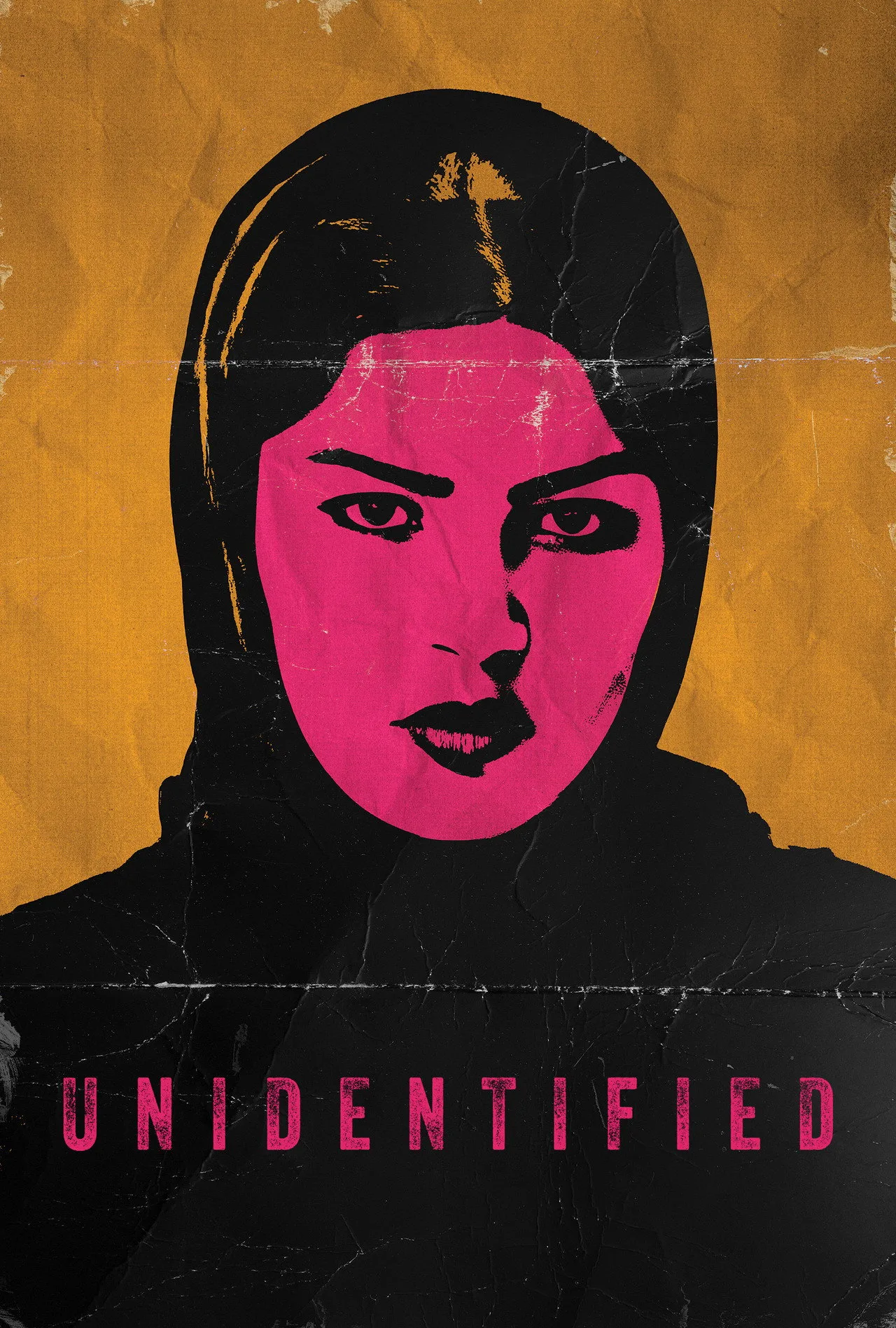
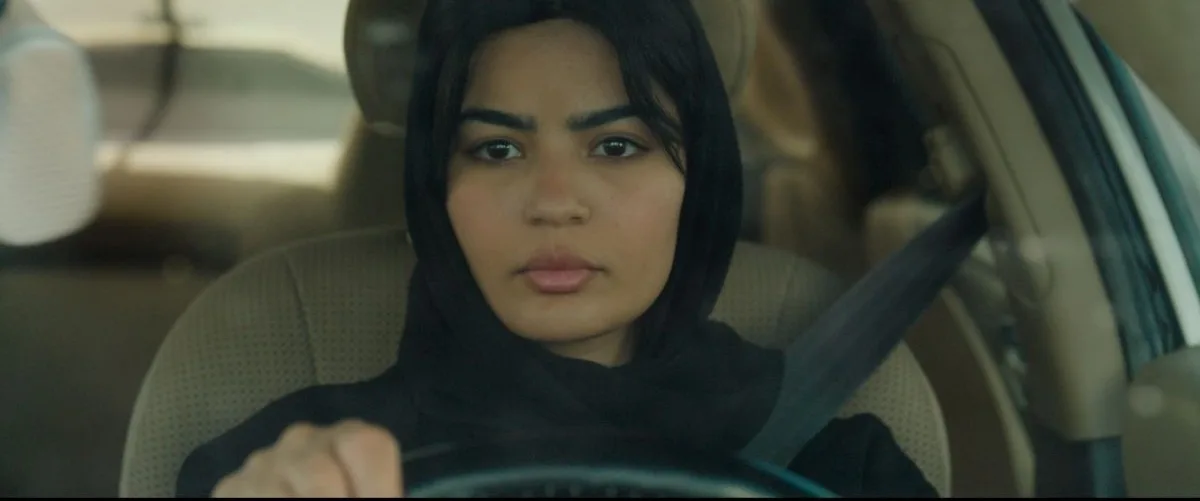
This modern, latter form is exactly the kind of podcast Nawal (Mila Al Zahrani) fills her days with in “Unidentified,” the newest film from Saudi director Haifaa Al-Mansour. On Nawal’s phone, a beautiful young woman sits in front of a ring light, boasting about her favorite lip gloss and the coverage of her concealer between recounting details of blood-stained crime scenes and beheadings. Nawal watches these videos in her unpacked apartment and the copy rooms at her job, where she works at the local police station, digitizing old archives.
In this whodunit, an unknown teenage girl’s body is found in the desert, dead by blunt force trauma. If she remains, as the title indicates, unidentified, she will be buried in a mass grave with other nameless women. Nawal is taken to the crime scene by her boss (who is, quite unrealistically, a fan of the same makeup crime podcast she watches). Here, Sawal is tasked with gleaning any clues the all-male police team may miss about Jane Doe (which she does, including custom embroidery on her abaya and the presence of press-on nails).
Energized to mobilize her podcast “education” and feminine instincts, Nawal races against the clock to identify this unclaimed victim and uncover the motive for her murder before the girl’s identity (like the others who may be waiting for her in the mass grave) is forever lost to time.
Gender politics are most certainly at play in “Unidentified.” Nawal, after the early passing of her newborn daughter, was too plagued by grief to resume her wifely duties as expected by her ex-husband. Perhaps this is where her grim fixation on true crime comes from, but it is also what motivates her to ensure this young girl’s death is prioritized. Nawal’s unofficial status (as she’s not really a police officer), youth, and femininity grant her more access to the spaces the victim inhabited, including private all-girls schools, hookah lounges, and clothing stores, where, to the chagrin of her boss, she pushes the boundaries of ethics and integrates herself into the community.
There’s an any-means-necessary approach to her investigation, in part driven by the fact that this girl is continuing to go unclaimed. The school seems unconcerned, as girls drop out all the time, either because they have been married off or because they have lost interest in their education. The family, having yet to report her missing, brings about the theory of an honor killing. Either way, Nawal seems to care more than anyone, and with the begrudging pace of the male investigators, Al-Mansour’s film chugs along its narrative with a similarly desperate motivation.
This isn’t to say that “Unidentified” doesn’t maintain the curiosity needed for a murder-mystery; rather, it lays its cards on the table rather plainly. While we wait for things to unfold, the film is much more compelling when it turns its lens to patriarchal and misogynistic cultural influences, and even what true crime pulp content does to those who consume it. The need for an answer remains, but mostly in the background. The interest is more in the greater “why” than the nominal “who,” and while perhaps not the primary expectation of a whodunit, it is engaging nonetheless. However, Al-Mansour seems to try to recover some clever (unneeded) gusto with a rushed twist that betrays the tenets of the film’s foundation.
Until its rather confounding, sloppy ending, Al-Mansour had a pretty genuine cultural commentary on her hands. But after all is unveiled, it’s hard to puzzle together what “Unidentified” truly tries to critique. There are solid versions of this film that exist on either end of Al-Mansour’s thematic indecision, but what is decidedly put to screen is an amorphous purgatory. Nawal’s womanhood, colored by the intersection of traditionalist society and internet enlightenment in which she exists, is the real meat of “Unidentified,” a film that shoots for the juicy bite and gets the gristle instead.