
Healthcare is one of those industries often spoken about for its job security. Nurses will always be needed. They’re crucial to the success and longevity of hospitals, and people will always be sick. And yet, the retention rate is dropping worldwide. Over the end credits of Petra Volpe’s “Late Shift,” WHO statistics show that the global shortage is estimated to reach 13 million by 2030.
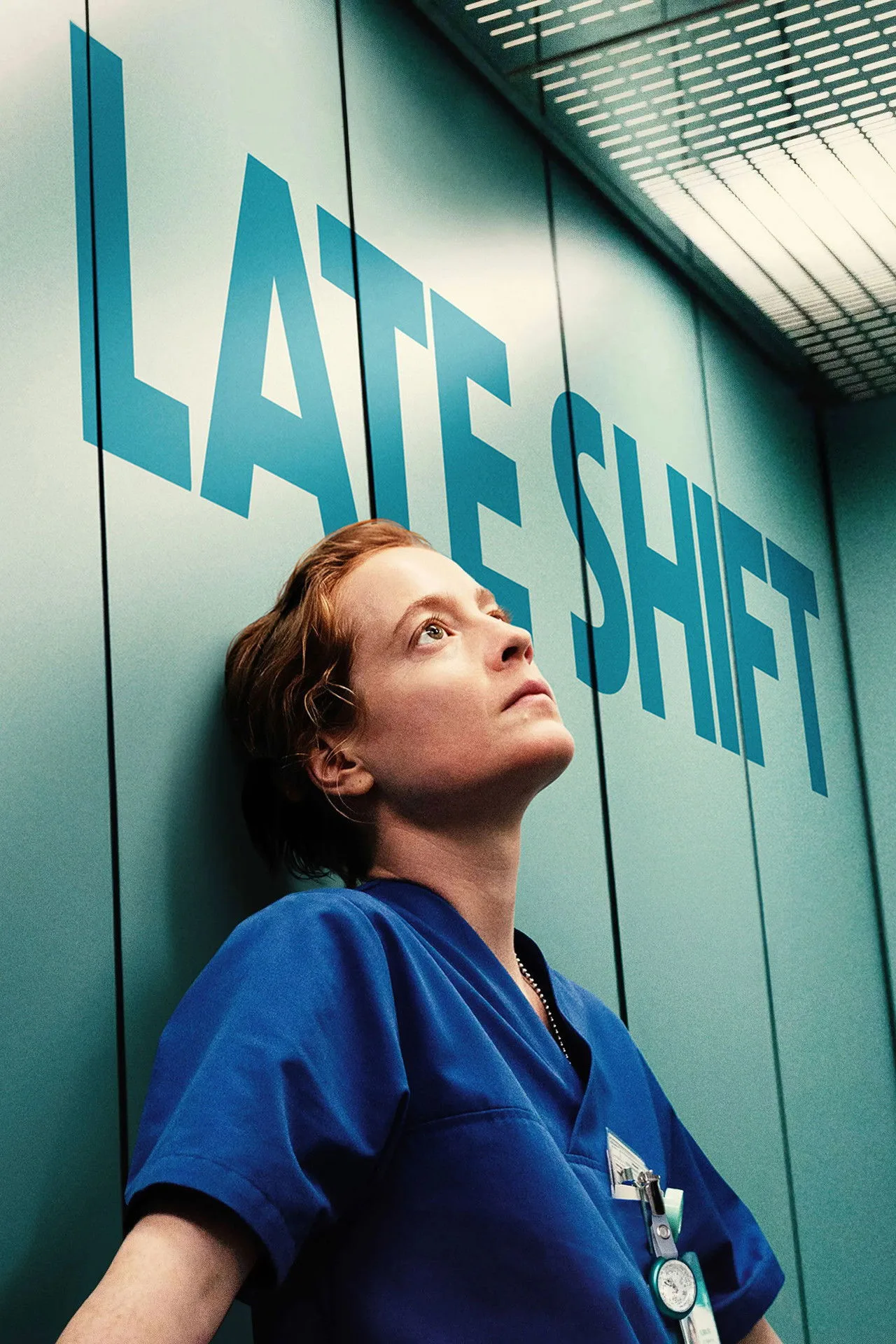
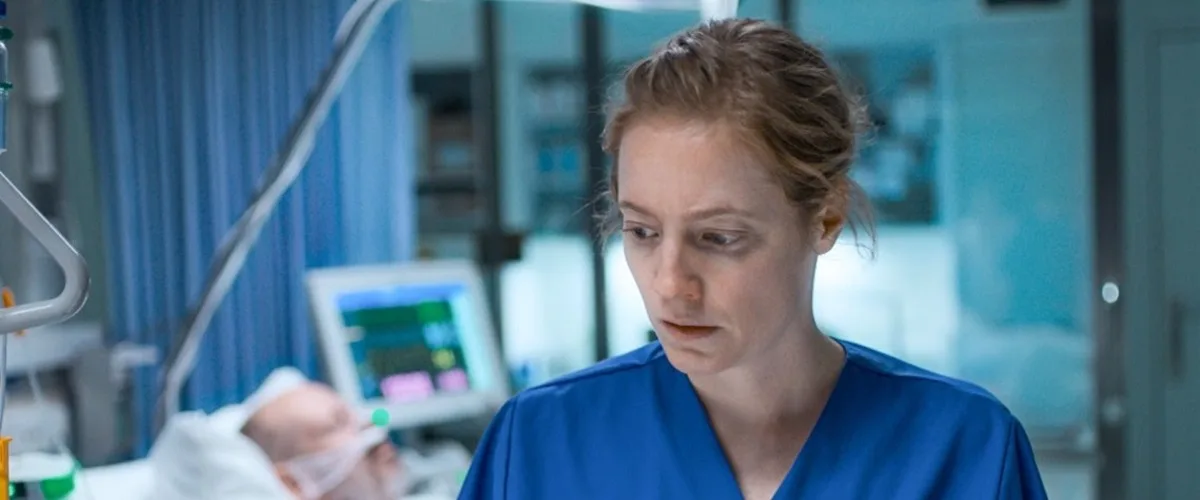
In a television age where “The Pitt” is wildly successful in the zeitgeist for portraying the consequences of an underfunded emergency environment, the cultural context that envelops those circumstances feels distinctly American: bureaucracy, for-profit insurance, and socioeconomic discrimination. “Late Shift” feels both universal and personal, zooming in on the understaffed, overworked conditions at the Swiss hospital where Floria (Leonie Benesch) works the late shift.
The film plays out in real time, often feeling like a one-take despite its regular editing. We follow Floria down the halls, through rooms, and into elevators, all the while her hands never stop moving. From assisting patients and training new nurses to answering phone calls and prepping medications, there’s never a free moment. And yet, despite the rushed busyness of it all, Floria moves with the expertise and efficiency of a pro in a flow state. She’s excellent at her job, but the effort required to jump from patient to patient (all, for the most part, reasonably demanding in their advocacy for care) is beyond taxing, forcing her into a primary role as a machine rather than a person.
Volpe’s workplace drama is more an exercise in empathy than a typical structural analysis of dynamics. While the relationship between Floria and her patients is certainly examined, in both tenderness and conflict, Benesch’s performance is mostly a solitary one. This film rests on the shoulders of her measured and diligent portrayal of the collision between duty and care, especially within a system that doesn’t permit both to coexist in equal measure.
Benesch’s performance displays both strong will and genuine care as she collides with prickly family members and an entitled, rich patient (Jürg Plüss) who times her every move and demands his tea delivery be at the top of the list. Meanwhile, there are also rightfully perturbed patients, like Mr. Leu (Urs Behler), awaiting cancer test results at the behest of an unempathetic, dismissive doctor.
In this confinement, Volpe develops a palpable intimacy that couples with Benesch’s delicate portrayal. Hospitals are liminal spaces, meant to be transient, but “Late Shift” creates an unmoving tension not just through the frantic pace of Floria’s workload, but also through the stagnation of the patients awaiting care that the system is not properly equipped to provide (not for lack of trying).
By the time the film wraps, we don’t remember much about the patients. For the most part, our recall is limited to identifying them by their conditions and superficial characteristics (i.e., the gallbladder removal, a pesky smoker, and the kind man from Burkina Faso), but perhaps this is intentional. The racing clock and innumerable tasks hardly permit Floria’s relationship with those in her care to extend beyond the superficial. And while our own limitation with the patients is perhaps thematically relevant, it’s still missed. Floria, as an overworked nurse, is the film’s centerpiece, the crux of its sometimes PSA-feeling nature, but the afflicted left waiting, twiddling thumbs in pain and discomfort, are equal casualties of the problem “Late Shift” advocates for.
Maintaining a close point of view, while essential to the film, is sometimes its greatest heel. In its closing shot, immense empathy and exhaustion are felt, powerfully concluding Floria’s Sisyphean feat (yet with the knowledge that another shift awaits tomorrow). “Late Shift” never loses grasp of its compassion for its lead, but does neglect coloring in the context. Left wanting more, Volpe’s film touches the heart but doesn’t satisfy the appetite for a more comprehensive picture.