As the world grieves the sudden, shocking loss of Rob Reiner and his wife Michele, it’s allowed film lovers to look back at one of the most entertaining careers in the history of the movies. In his ’80s and ’90s run, Rob Reiner knew how to make audiences happy, delivering a handful of films that will be watched long after we’re gone. We asked some of our writers to comment on the essential films of Reiner’s career. Of course, this isn’t a comprehensive look at the man’s output (and he was an underrated actor, too) but the ones that you absolutely need to see to know not just about Reiner but the era in which he was knocking home runs out of the park every time. These are the essentials.
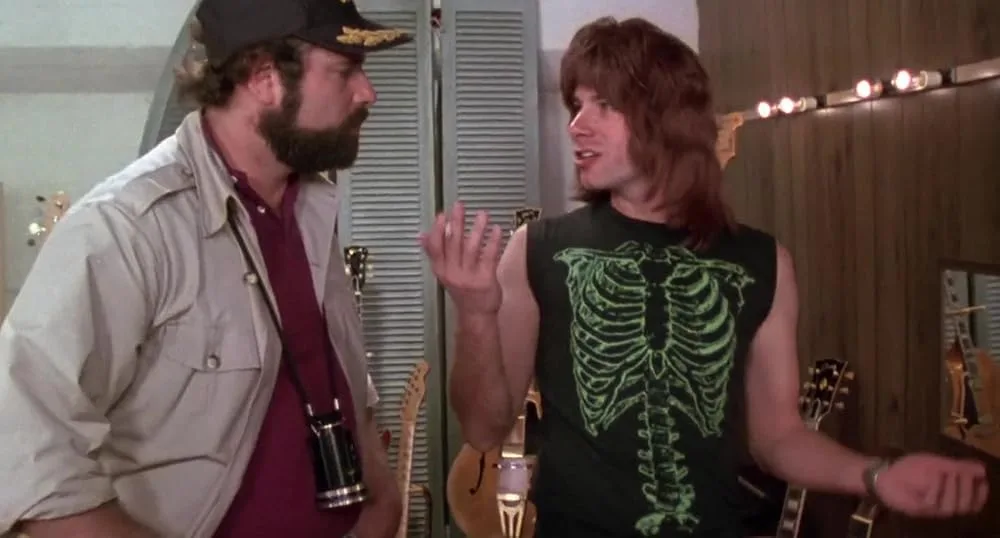
There was always something of the populist in Rob Reiner’s directorial work; he trafficked in the realm of the crowd-pleasing comedy, the suspenseful four-quadrant thriller, the mainstream-friendly courtroom drama. But he managed to innovate and pioneer even in these confines. Hell, in his 1984 directorial debut, “This is Spinal Tap,” he practically invented the entire genre of the mockumentary (which “Tap” co-writer and co-star Christopher Guest would make a career of continuing), and in so doing changed the face of cinematic comedy forever.
Of course, volumes have already been written about the pitch-perfect calibration of Reiner’s comedic instincts as a filmmaker here, from its po-faced skewering of music docs like “The Last Waltz” to the way he expertly cut together largely-improvised footage into a gut-busting mockumentary about a trio of hard-rocking losers and their feeble grasps at lingering fame. But it’s also worth noting the impeccable timing of his straight-man performance as credulous filmmaker Marty DiBergi, a Scorsese-like cheerleader who bounces off Michael McKean, Guest, and Harry Shearer’s off-the-wall comic energy. We wouldn’t have “But this goes to eleven” without a gracious scene partner like Reiner to egg on the ever-clueless Nigel Tufnel, oblivious to the absurdity of Spinal Tap’s eccentricities. It’s morbidly fitting that Reiner’s career ends with “Spinal Tap II”; his first film may not be his best, but it’s arguably his funniest and most rewatchable. –Clint Worthington
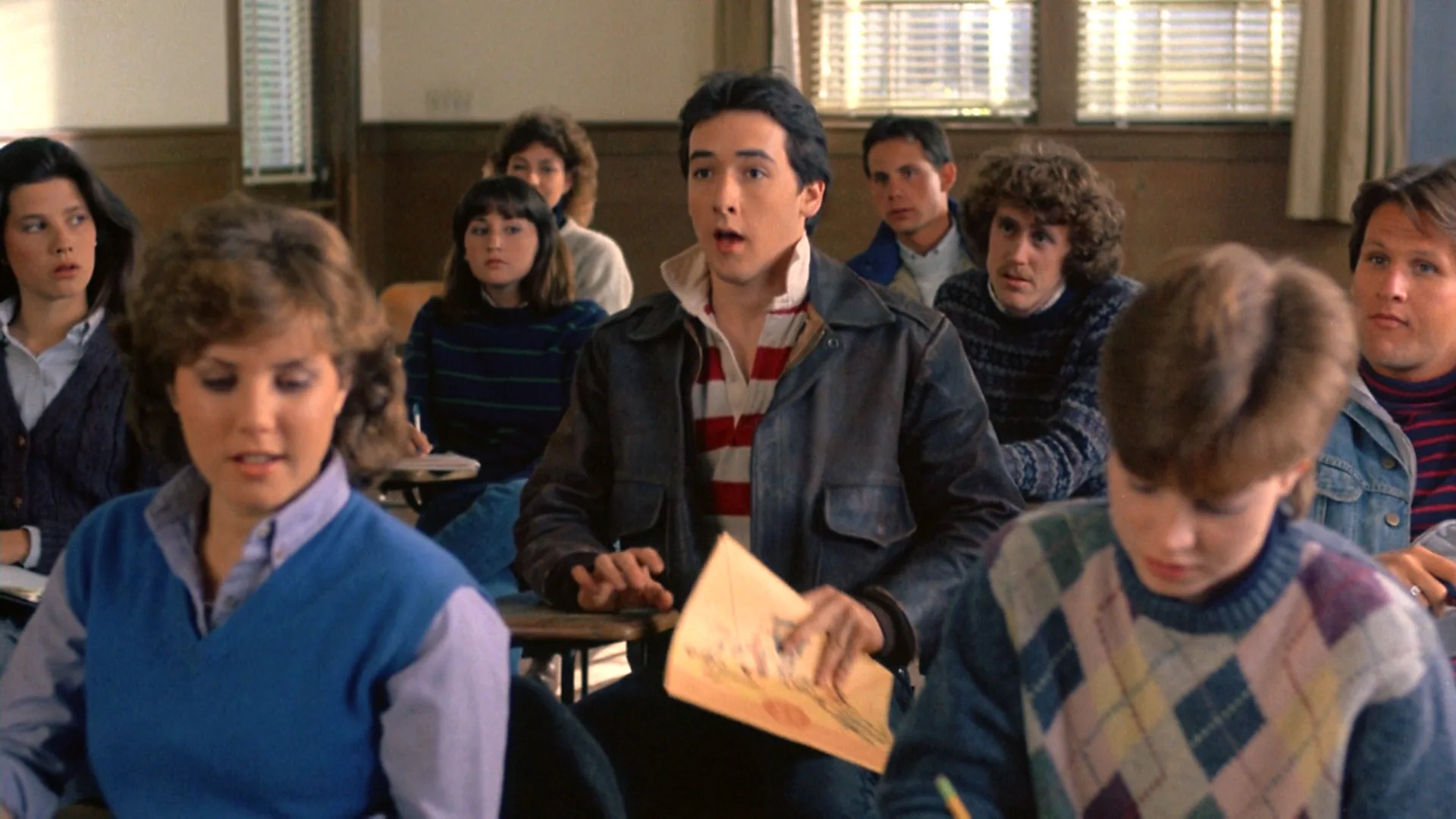
When people recount the legendary streak of films that Rob Reiner turned out in the ’80s and early ’90s, the one that too often gets overlooked is “The Sure Thing,” his 1985 film about two mismatched college students—amiable goofball Gib (John Cusack) and brainy Alison (Daphne Zuniga)—who are thrown together on a cross-country Christmas break trip to visit romantic partners and—Spoiler Alert!—end up developing feelings for each other along the way.
At a time when most movies centered on teenagers were either dumb sex comedies like “Porky’s” or dumber slasher movies, here was a film that took its cue from screwball classics like “It Happened One Night” while treating audiences with respect by giving them likable and interesting characters—thanks in no small part to the delightful chemistry between Cusack and Zuniga—as well as any number of genuinely sweet and funny moments to boot and even after 40 years, it remains a delight. It also indicated that Reiner was no one-hit wonder and could work in any number of genres, a point he would continue to prove over the years. With all due respect to “When Harry Met Sally…,” this is Reiner’s rom-com classic—not to mention one of his very best films—and is definitely worthy of rediscovery. -Peter Sobczynski
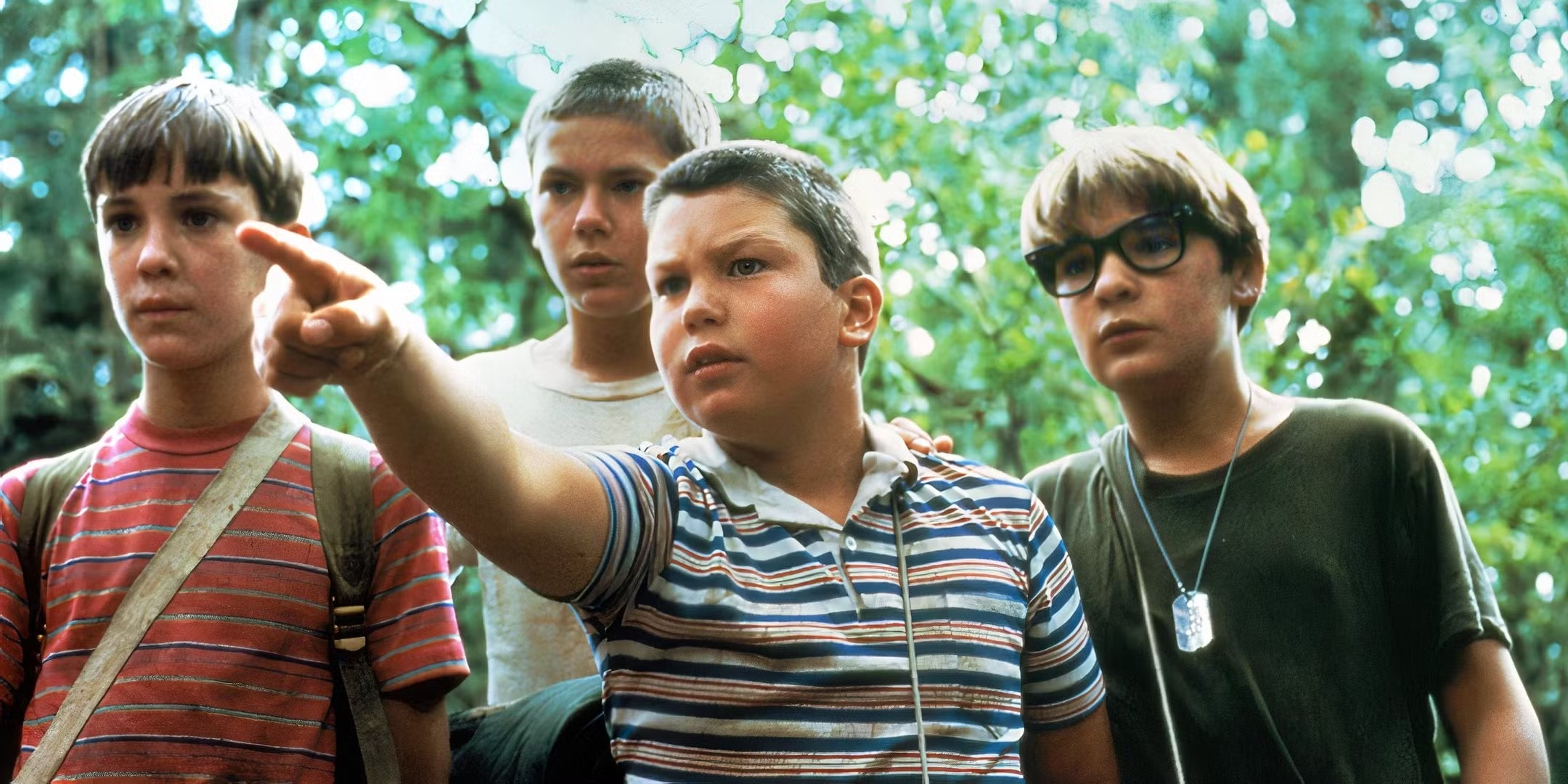
“Stand by Me”
“This is Spinal Tap” and “The Sure Thing” established that Rob Reiner was a filmmaker whose skills could be applied to wildly different types of material. The elegant but understated, Old Hollywood-style direction that defined most of his work emerged in his third feature, 1986’s “Stand By Me.”
Based on Stephen King’s novella “The Body” from his anthology Different Seasons, this modestly budgeted drama kicked off the still-ongoing careers of Wil Wheaton, River Phoenix, Jerry O’Connell, and Corey Feldman, who play best friends going on a journey through a local forest to see the corpse of a boy their age who had been killed by a train. It also gave a boost to Donald Sutherland’s son Kiefer, who was cast as the fearsome leader of a local gang trying to get there first, setting the actor on a long path marked by many memorable villain and antihero parts.
The most impressive elements of all, though, are Reiner’s mastery of imagery and tone. There’s isn’t a single ostentatiously showy shot in the “Stand By Me.” But from the static panoramas and gently moving shots of the boys in on their quest to the the kinetic sequence of Sutherland’s gang destroying mailboxes from a moving car to the denouement in which Phoenix’s character fades away (an image that became even more poignant after the actor’s 1993 death), every choice seems just right.
Reiner himself recognized that he’d leveled up with this one. The name of his production company Castle Rock comes from the setting of “The Body” and many other King stories, and it would release two more excellent King adaptations, Frank Darabont’s “The Shawshank Redemption” and “The Green Mile.” –Matt Zoller Seitz
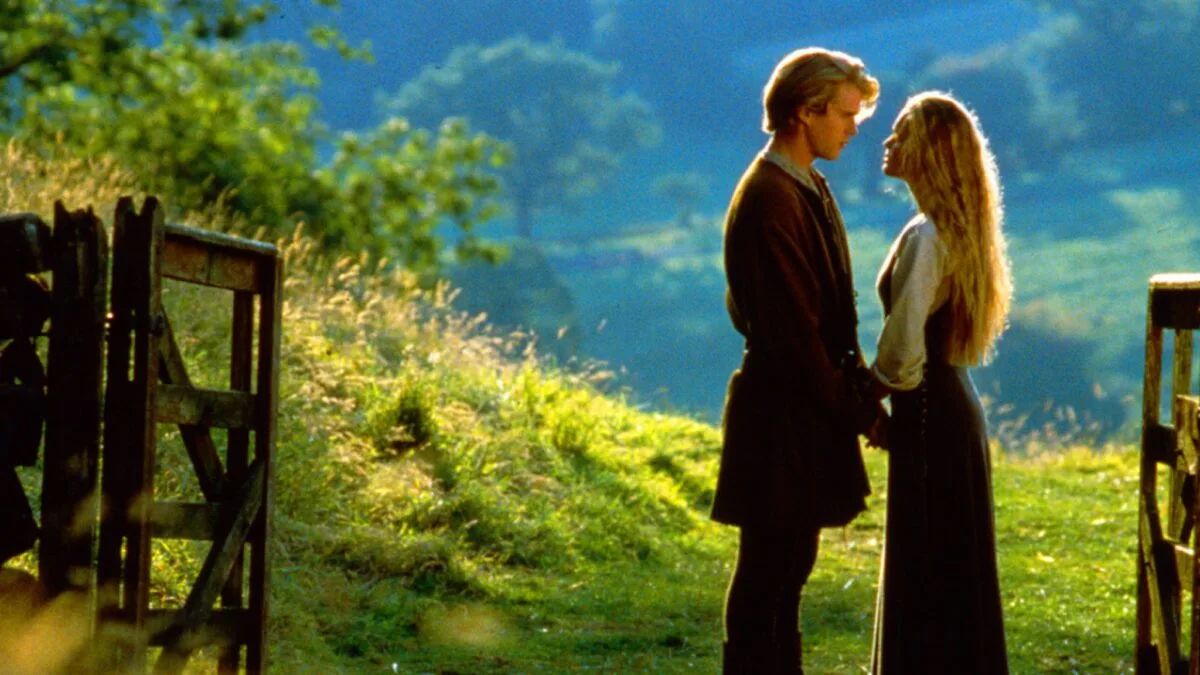
We receive some movies through our brains, some through our hearts, and some through our spirits. But once in a great while, a movie comes in through all three at once, becoming endlessly rewatchable and a part of us forever. For millions of people, “A Princess Bride” is a story we never knew we were waiting for. William Goldman’s screenplay (based on his book) is a brilliant, witty, self-aware but utterly heartfelt fantasy story that scores in every category, with valiant heroes and dastardly villains, exquisite beauty and swoon-worthy romance, thrilling action and enticing magic, and the pleasure of generational connection over storytelling.
As director, Rob Reiner brought it all together in a gorgeous epic with impeccable attention to the grandest scope and the smallest detail. Many of the tributes to Reiner mention the unusually diverse range of his work. He made comedies that went from sly, heightened satire to political commentary to gentle but knowing romance. He made a classic horror story, a historical drama, and a coming-of-age adventure. But one theme through all of his films is the way each reflected Reiner’s tender, generous heart and his essential optimism, conveyed with warmth and humor. Goldman’s words (and one comment from Billy Crystal) have become part of our language, but that is only because Reiner made us believe in the essential truth of a fairy tale. –Nell Minow
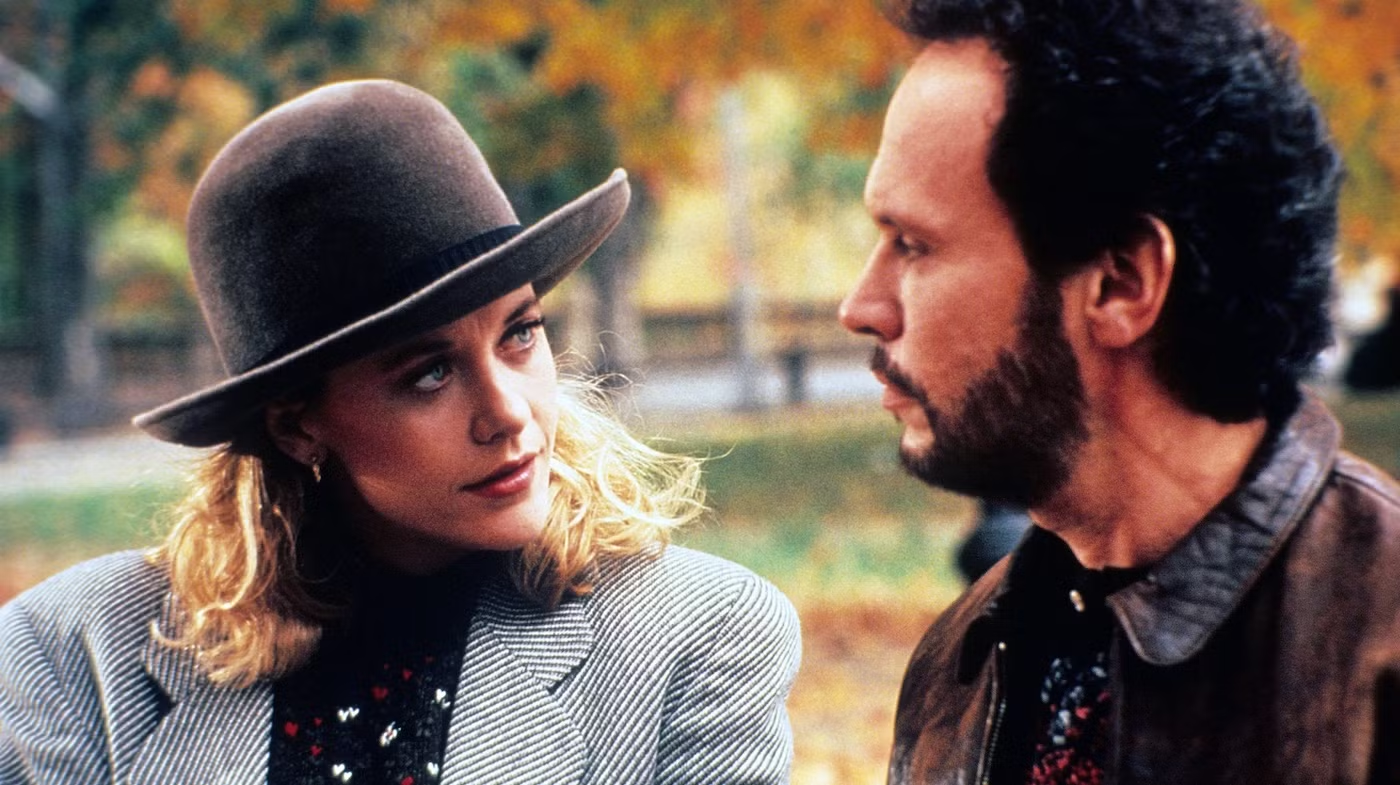
You can praise just about any Rob Reiner movie in “they don’t make them like they used to” terms, and “When Harry Met Sally”—a perfect romantic comedy that is nearly impossible to write about without reaching for superlatives—is no exception. After all, it is one of the greatest rom-coms ever made; among the sweetest, the most romantic, the funniest, and the most classically New York… At its heart, it’s a celebration of the messiness that is love and friendship, along with the disarming possibility of meant-for-each-other.
It’s also the perfect marriage of the sensibilities of a writer and a director. Nora Ephron’s sharp, witty, nimble writing elevates Rob Reiner’s breezy direction across some of New York City’s most beloved locations (often decked with beautiful fall colors), and vice versa. In that, the film richly draws from each one’s own experiences of life and heterosexual relationships, with political consultant Harry Burns (a peerless Billy Crystal) standing as Reiner’s alter ego of sorts; and Sally (rom-com queen Meg Ryan), being Ephron’s. Could these people really become friends, or would sex always get in the way? And when they finally fall in love over the years (the depths of the sexual chemistry between Crystal and Ryan cannot be overstated), would they squander the friendship that they had built if they embrace romance?
One of the loveliest stories of all the beautiful “When Harry Met Sally” anecdotes is about how Reiner changed the ending of the movie when he fell in love with his late wife, Michele Singer Reiner (may both of them rest in peace), on the movie’s set. Initially, Harry and Sally weren’t going to end up together. But Reiner’s real-world love for Michele inspired a different happily-ever-after finale, and a Harry monologue that Billy Crystal wrote himself. “When you realize you want to spend the rest of your life with somebody, you want the rest of your life to start as soon as possible.” Ryan famously faked an orgasm in one of the movie’s most cherished scenes, but on the whole, there isn’t a single fake bone in this genuine masterwork’s body. It’s a gift to our foolish hearts that will keep on giving for generations to come. –Tomris Laffly
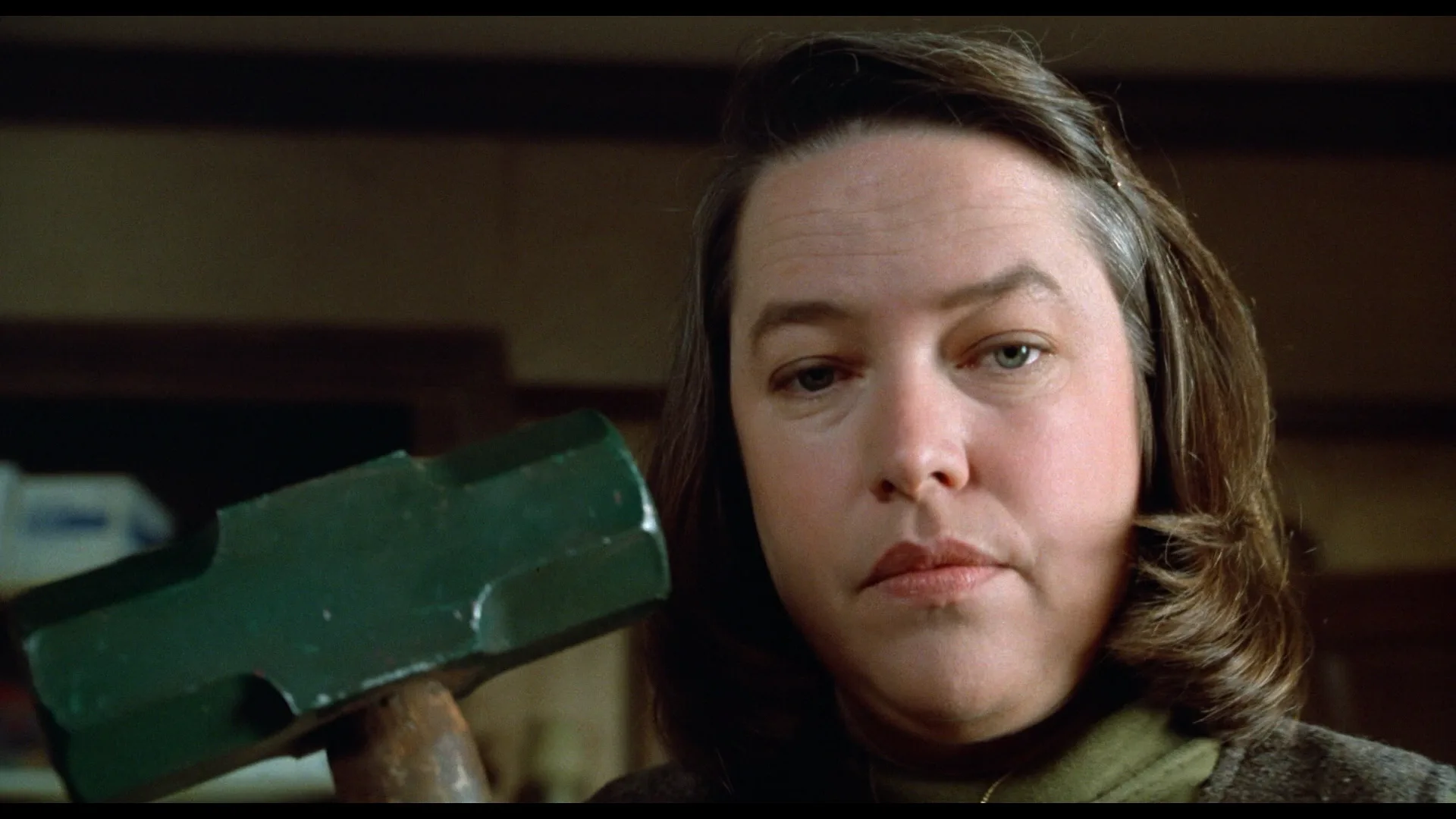
“Misery“
Kathy Bates’ Annie Wilkes speaks in a casually conversant, schoolteacher-ish tone to James Caan’s Paul Sheldon, who has awakened to find himself in restraints. “Paul, do you know about the early days of the Kimberly Diamond Mines?” says Annie. “Do you know what they did to the Native workers who stole diamonds?”
We cut back and forth between Annie and Paul, with the camera smoothly and slowly zooming in closer to each of them. Out comes the sledgehammer.
That’s one of the most unforgettable moments in “Misery” (1990), and it’s indicative of Rob Reiner’s restrained yet powerfully effective direction throughout. Reiner had such confidence in William Goldman’s adaptation of Stephen King’s novel, and such faith in the performances by Kathy Bates and James Caan, that he exercised assured restraint. From the moment when Annie pulls Paul from the snow bed through the epilogue in New York City, Reiner eschewed horror-movie flourishes such as jump scares and blaring music stings, instead relying on static camera framing, elegant use of natural light, and a slow build approach to the growing sense of dread in both Paul and the viewer. About 90% of the story takes place inside Annie’s isolated farmhouse, but “Misery” never feels like a filmed play. It’s a perfectly constructed work—one of the best “less is more” psychological horror movies ever made. –Richard Roeper
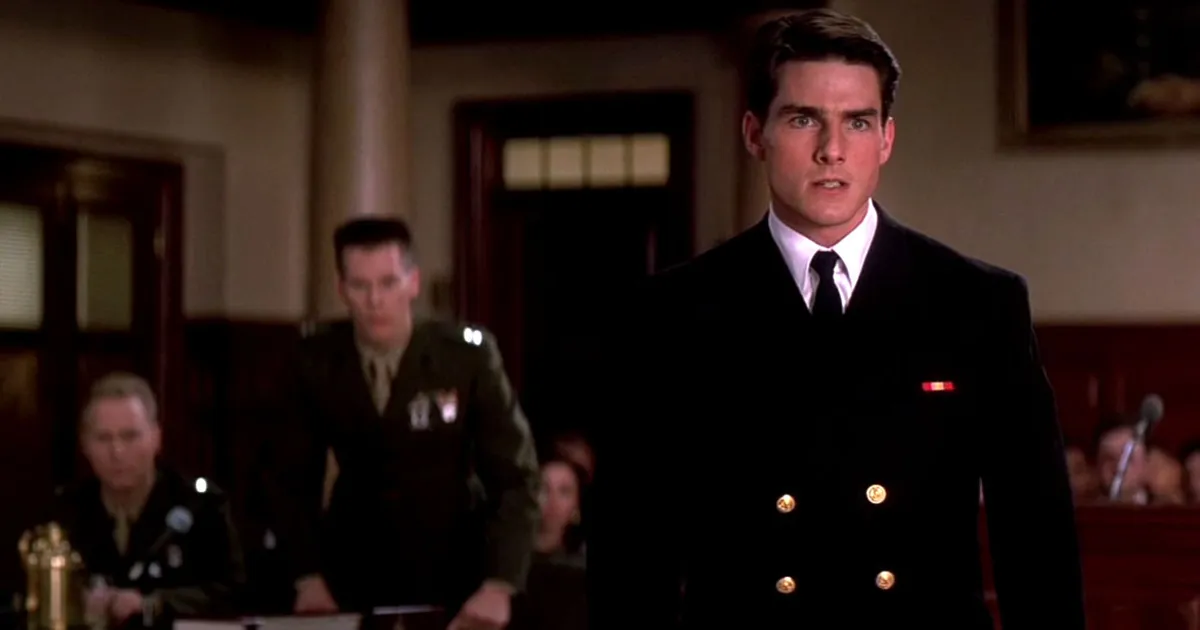
There’s a sequence of shots about halfway through the snappy military legal drama “A Few Good Men” that Frank Capra’s “Mr. Smith Goes to Washington.” It’s a wide night exterior; Lieutenant Daniel Kaffee (Tom Cruise) sits on the banks of the Potomac, gazing at the Arlington Memorial Bridge; he has just come from a bar and is considering whether he should take this unwinnable case to trial. If Capra’s film follows a sincere man in the nation’s capital, searching for the innocence he believes in, then Rob Reiner’s film is about a cynical man afraid to find the innocence he does not believe in. It’s a reminder that while Reiner could be compared to many directors, he’s always had a bit of Capra in him.
“A Few Good Men” is funny, idealistic, slightly romantic, and remains Reiner’s sole Academy Award nomination (he was honored with the film’s Best Picture nod). It’s also a supremely crafted drama consumed by questions of right and wrong and ordinary people, played by Kevin Pollak and Demi Moore, standing up against an extraordinary force: US Marine Colonel Nathan R. Jessep (Jack Nicholson). In the courtroom, Reiner keeps the action in front of him with tight shot reverse shot ping ponging between lawyers and witnesses.
That is, until the final confrontation between Cruise and Nicholson. For the first time, Reiner shoots them from behind the back: when he cuts behind Cruise, Nicholson is further back in the frame and vice versa — giving a heightened combativeness to their confrontation. Reiner even does the same with the jurors, placing Cruise between their silhouettes, showing his desire to win them over. Here, Reiner, in his staging and shooting, recalls the final filibuster scene in Capra’s classic. And if James Stewart’s triumph reignites the system, then Cruise’s reveals how even a well-working system can’t save the forthright. It’s Reiner’s desire to allow right and wrong to exist at once that exemplifies his now past genius. –Robert Daniels
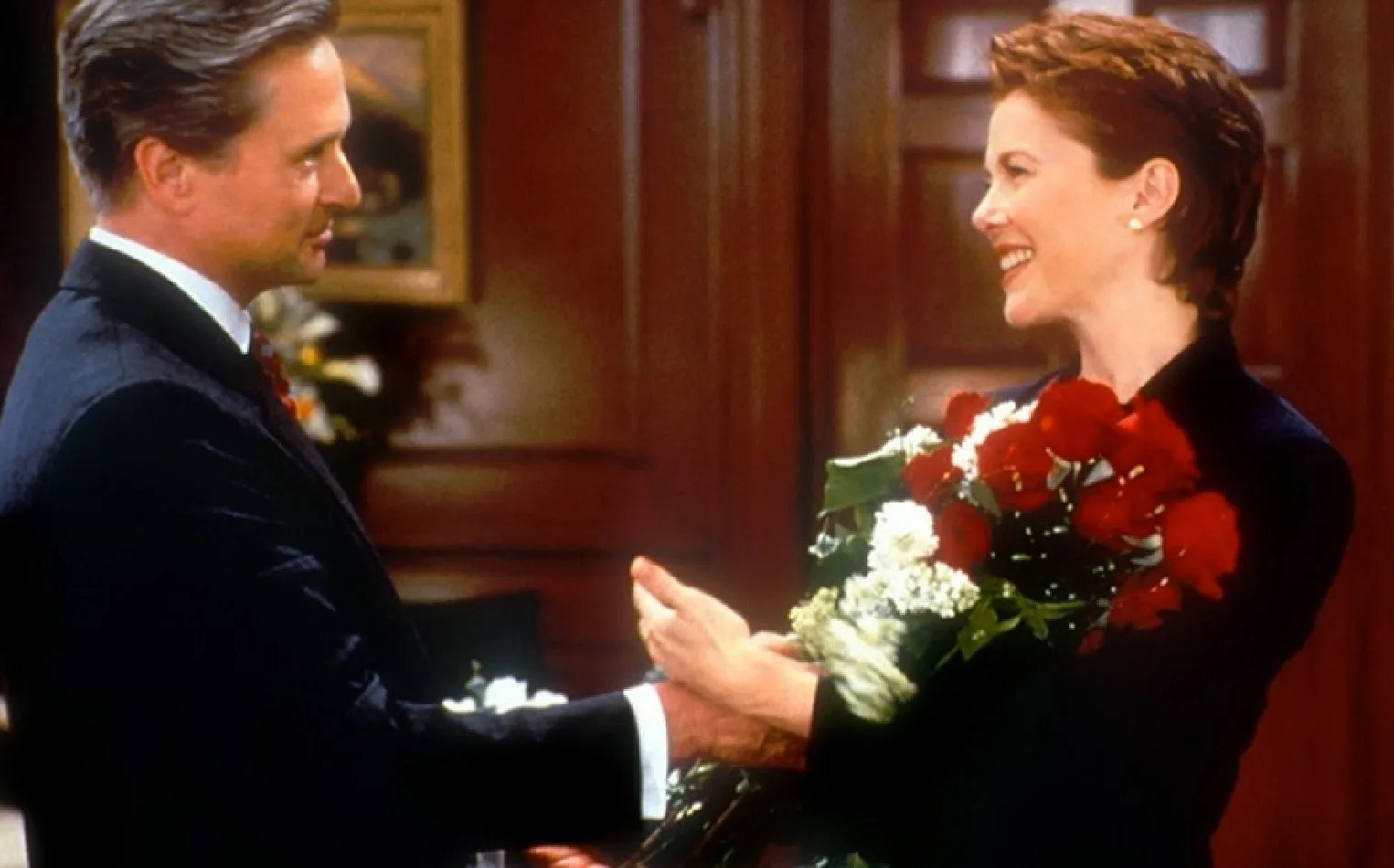
After netting a Best Picture nod for the courtroom drama “A Few Good Men,” Reiner re-teamed with scribe Aaron Sorkin for the White House-set romantic drama “The American President.” The film stars the irrepressibly charming Michael Douglas as the fictional Democratic U.S. President Andrew Shepherd, a popular widower primed for a smooth re-election. That is, until he meets firebrand environmental lobbyist Sydney Ellen Wade, played with verve by the great Annette Bening, falling head over heels at first fight. Surrounded by a cadre of character actors, including Martin Sheen, David Paymer, Samantha Mathis, Anna Deavere Smith, John Mahoney, Wendie Malick, Richard Dreyfuss, and Michael J. Fox, the film is filled with Sorkin’s signature walk-and-talk patter with a political bite and classic Old Hollywood screwball energy. The political issues swirling around the couple, like global warming, gun control, and the widening partisan divide over science and social issues, still, unfortunately, resonate today.
However, the film’s Capraesque notion of a White House, or even a federal government, run by people with class and principles, or a president who actually mourns the deaths of civilians killed in a retaliatory strike, remains an ever-elusive fantasy. That said, I would be lying if I said I didn’t tear up every time Shepherd changes his play-it-safe tune, as we see in his first staff meeting where he proclaims, “We’ve got to fight the fights we can win,” and decides to take a real stand against those attacking his character after his best friend, and Chief of Staff, A.J. (Sheen), pushes back, declaring, “We fight the fights that need fighting.” The American project may be a losing battle, but this movie, like its creators Reiner and Sorkin, believes it’s one of the fights that are still worth fighting. –Marya E. Gates